Danube-Drava National Park
Danube-Drava National Park, Hungary
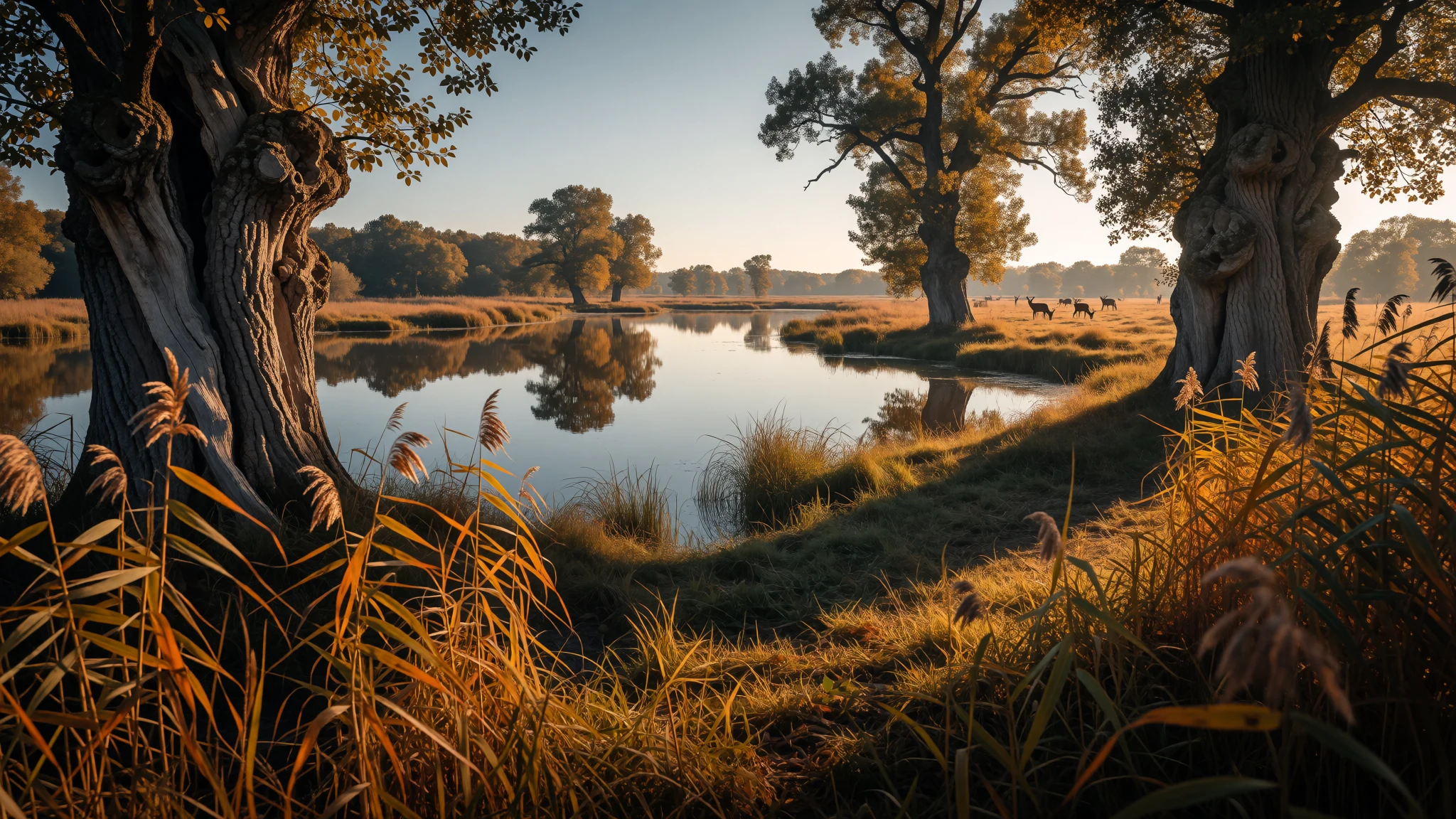
Danube-Drava National Park offers wet forest, quiet channels and eagle-watching in Hungary's far south-west, with almost no crowds.
The place
Danube-Drava National Park sits in the far south-west of Hungary, where the Danube and the Drava spread across floodplains near the Croatian border. It was founded in 1996 and covers about 490 square kilometres, most of it wet ground: marsh, oxbow lakes, side channels and riverside woodland that soaks up the water when the rivers rise. Roughly 190 square kilometres is recognised as Ramsar wetland. The park is not one tidy block but a string of separate sites along the two rivers, so a visit means choosing a stretch, such as the Gemenc forest, the Béda-Karapancsa area or the Drava near Barcs, rather than walking in through a single gate. The practical bases are small towns, Baja and Mohács, with villages like Kölked and Hercegszántó closer to the water. Wildlife is the reason to come. Black storks and white-tailed eagles breed here in numbers that count for the whole continent, beavers and otters work the channels, and the Danube side holds two endangered sturgeon, the ship sturgeon and the sterlet. Several invertebrates occur nowhere else in Hungary, and the black hawthorn and the Drava caddis fly are endemic to the park's areas. Since 2021 the park has been a core zone of the Mura-Drava-Danube transboundary biosphere reserve, nicknamed the "Amazon of Europe".
Its story
Danube-Drava National Park is a young protected area on very old, restless ground. It was declared in 1996, but the landscape it protects was made by rivers that have shifted their beds for as long as anyone has recorded them. Where a river swings free, it cuts new channels, abandons old loops as oxbow lakes, and dumps gravel and silt that willows and poplars colonise within a few seasons. Much of Europe's river valleys were later straightened and embanked for farming and shipping, and the wild floodplain became rare. Here, enough of it survived to be worth guarding, and the park was drawn around the pieces that still flood and still change. Conservation in this region has also meant working across borders, because the rivers do not stop at them. In September 2021 UNESCO joined national biosphere reserves in Croatia, Hungary, Serbia, Slovenia and Austria into one transboundary reserve along more than 700 kilometres of the Mura, Drava and Danube, and Danube-Drava became one of its core zones. The practical meaning is simple: a floodplain that absorbs high water, filters it and shelters nesting birds is doing useful work for towns downstream. Local people feel this too. Baja, Mohács and the villages between them have built small livelihoods on canoe trips, birdwatching and guided walks, and that income helps pay for the upkeep of the very wetlands visitors come to see.
What to see
- Gemenc forest — Near Szekszárd and Báta
The Gemenc floodplain forest on the Danube is the park's most atmospheric stretch: old willows and oaks standing in water in spring, deer in the clearings, and eagles overhead. Access is shaped by water levels and forest tracks, so ask at a visitor centre or the park website before setting out.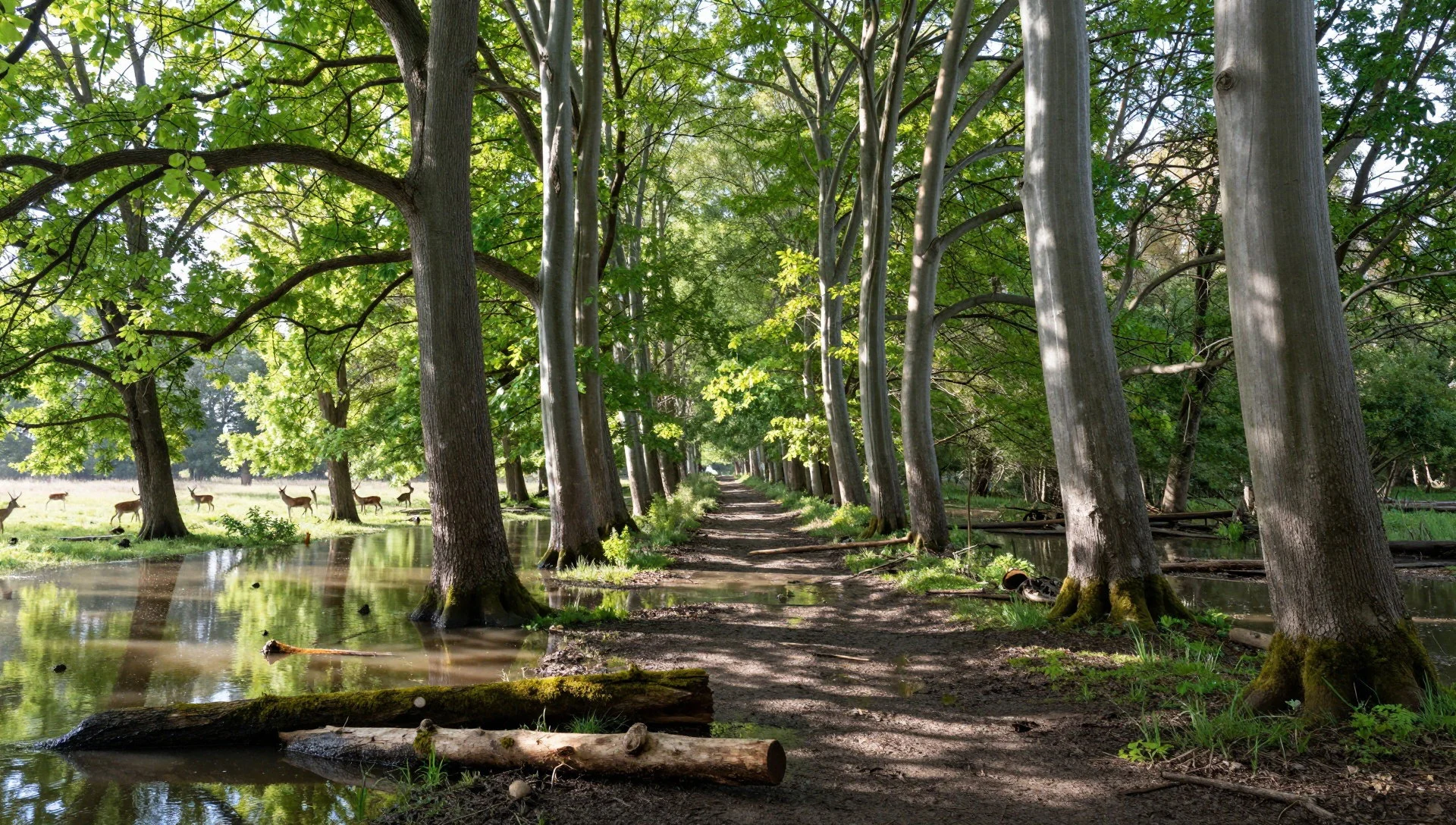
- White Stork Museum, Kölked — Kölked village
Kölked is a village that lives alongside its storks, and the small museum explains their migration, nesting habits and the bond between birds and rooftops. A guide goes with the visit. Treat it as a short, friendly first stop before heading out to the wetlands themselves.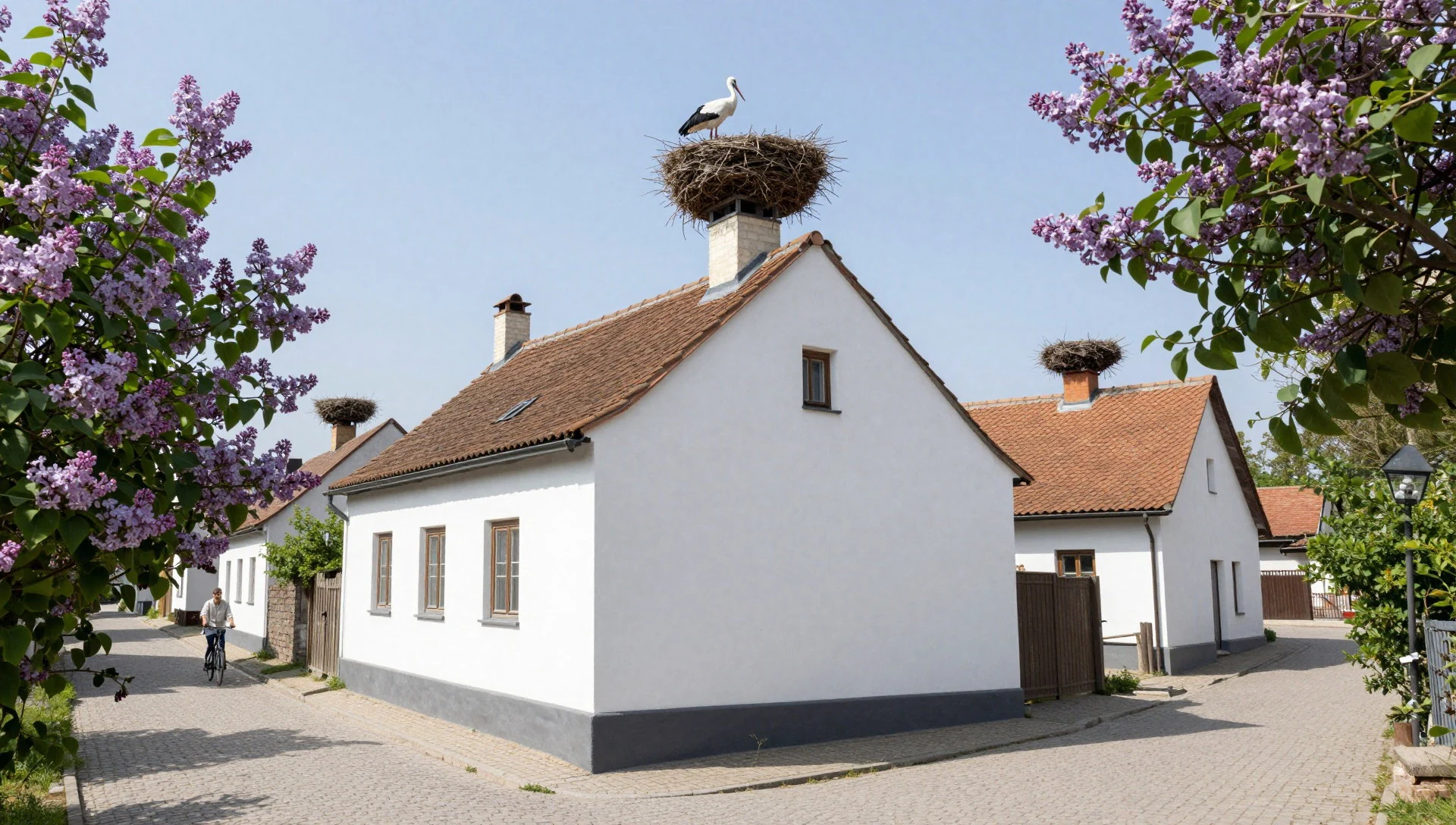
- Canoe trip in Béda-Karapancsa — Kölked and the Béda-Karapancsa area
Paddling the channels of Béda-Karapancsa from Kölked is a gentle way to see the floodplain at water level. Expect herons, kingfishers and, with patience, signs of beaver. Trips run with local guides, and the park or village tourist office can say what is currently offered.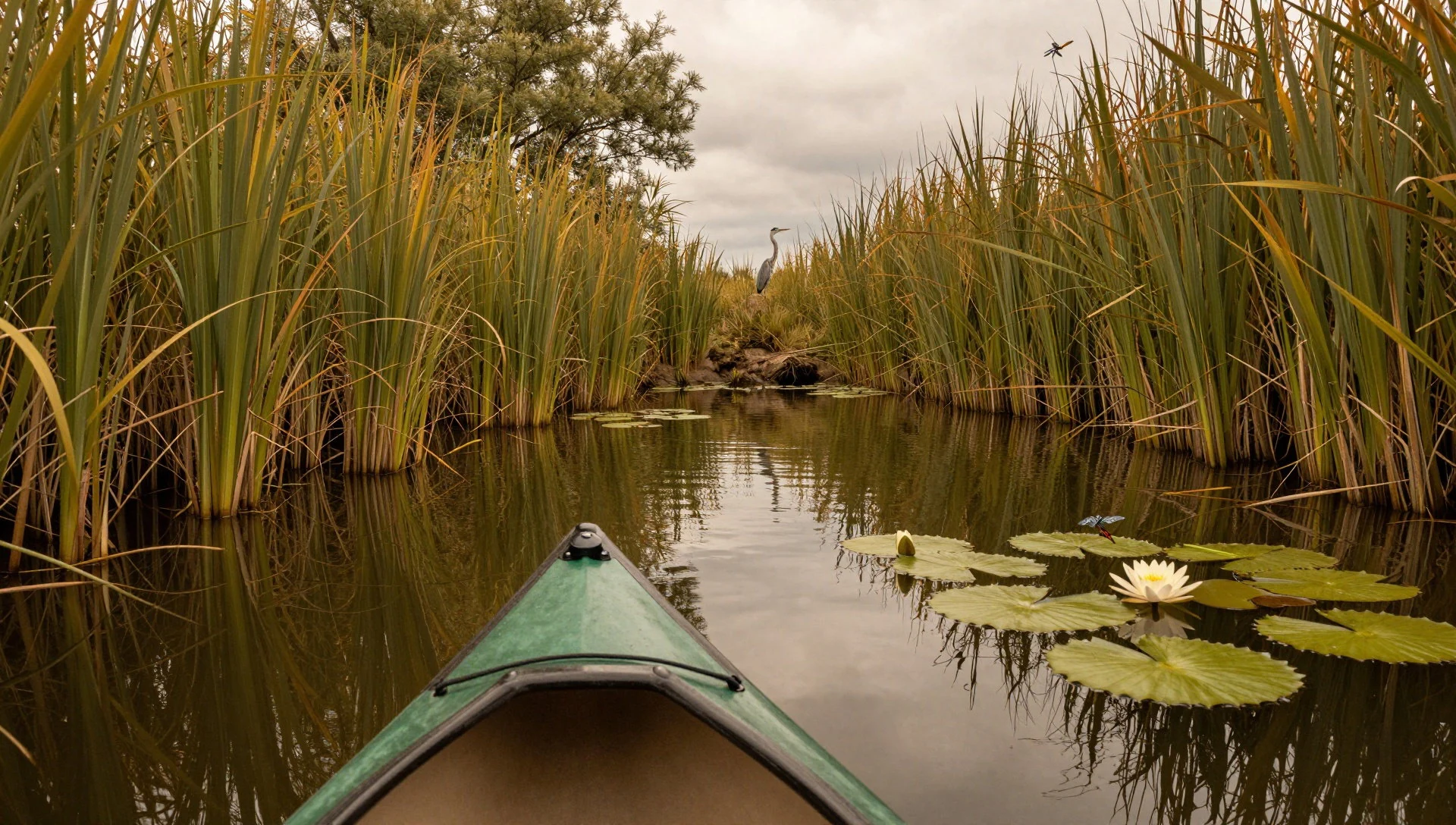
- Mohács Historic Memorial Park — Mohács-Sátorhely
At Sátorhely, outside Mohács, this memorial park marks the field where Hungary's army met the Ottomans in a battle that changed the country's history. Carved wooden grave posts and quiet open grass make it a reflective stop, easily paired with a visit to the Danube promenade in town.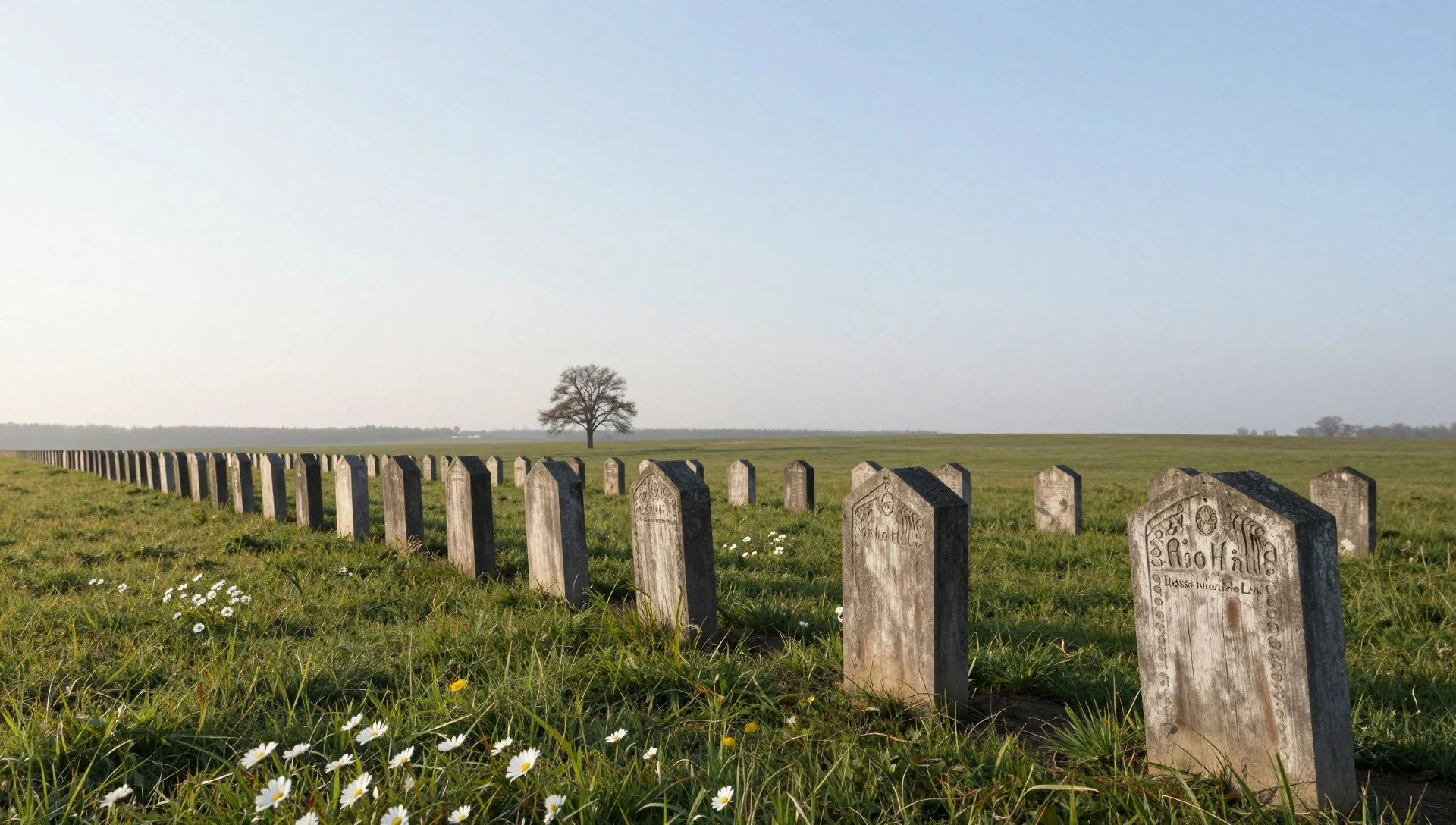
- Dráva Kapu Visitor Centre — Drávaszentes, near Barcs
The Dráva Kapu centre at Drávaszentes is the gateway to the western Drava wetlands, with exhibitions and grey cattle grazing nearby. Barcs, the town with the railway station, is the usual starting point, and the Dráva Promenade there carries park information boards.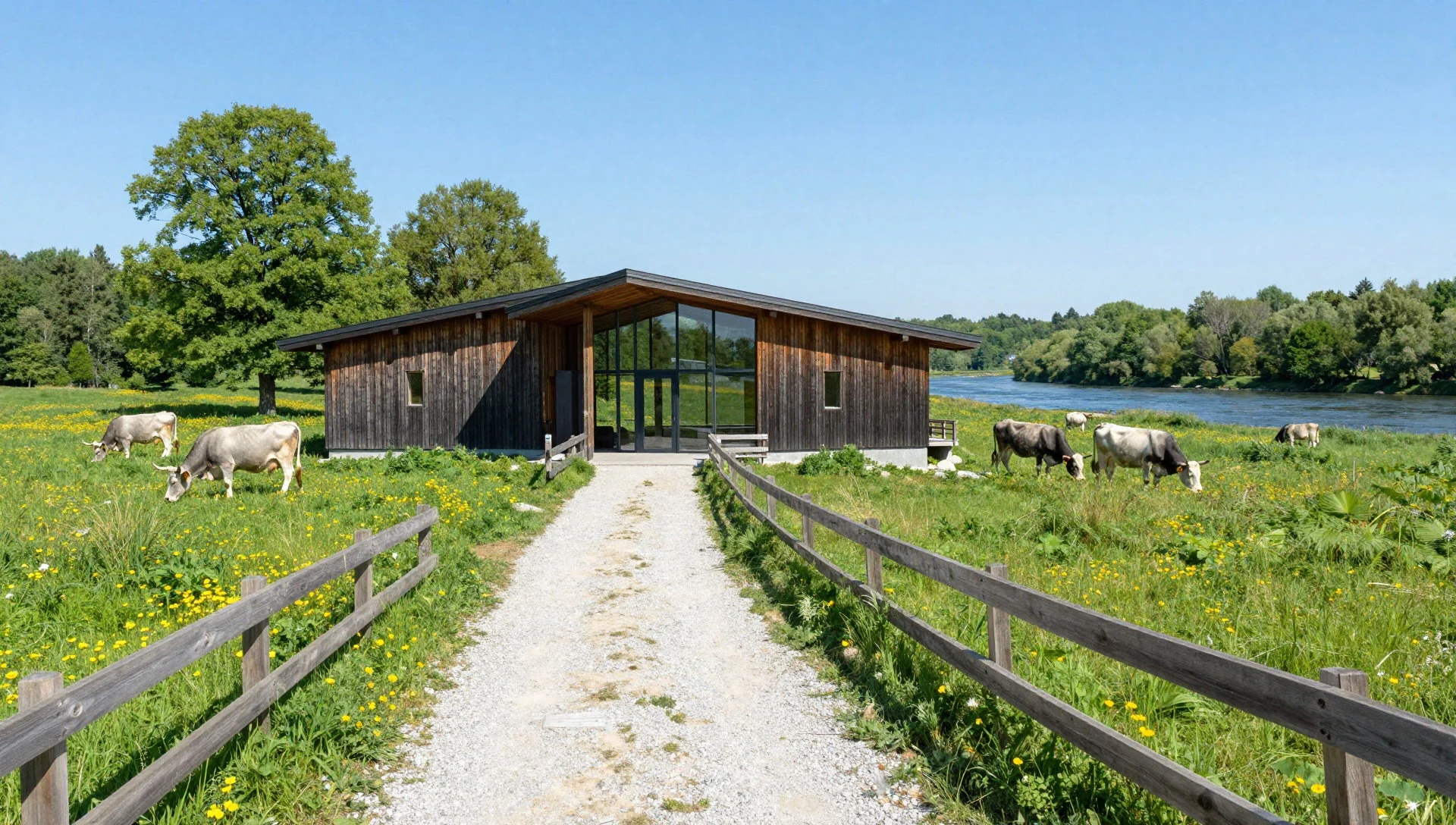
- Zselic Starry Sky Park — Zselic hills, near Kardosfa
Further inland, the Zselic hills are protected for their dark skies, and the lakes of the Gólya valley make a pleasant short walk by day. Evening sessions are run by the park, so book ahead through the official site rather than turning up. Bring a warm layer even in summer.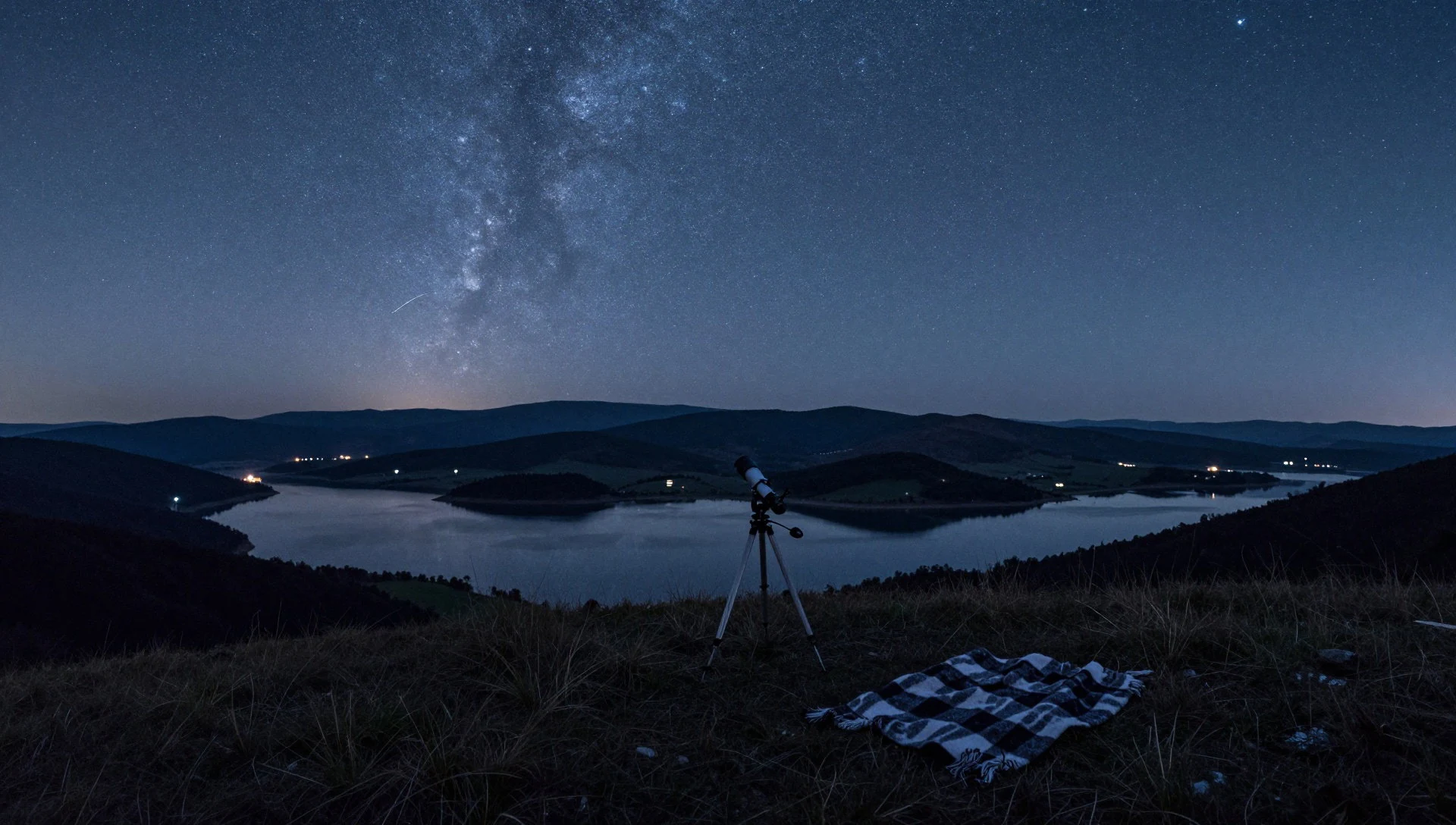
Culture
Danube-Drava National Park lies in Baranya and Bács-Kiskun, a part of Hungary shaped by mixed communities. Hungarians live alongside Croats, Serbs and the descendants of German settlers known as Danube Swabians, and village churches, bilingual signs and family-run cellars all reflect that. Life on the floodplain has always followed the water. Fishing, reed-cutting, grazing and forestry were the old trades, and fish soup cooked in a cauldron over a fire is still the dish people reach for at gatherings. Mohács is known for its busó carnival before Lent, when masked figures in sheepskins and carved wooden faces parade through the town, a tradition tied to local Croatian-speaking communities. The memorial park near the town recalls a defeat that Hungarians still treat with seriousness. Storks matter here in a quieter way: villagers welcome nests on chimneys and poles, and a house with a nest is considered fortunate. Conservation and local pride overlap, because the rivers are part of the identity of the towns on their banks. Visitors will find that people are proud and curious, and a few words of Hungarian, such as köszönöm for thank you, are noticed and appreciated. Keep voices low near nests and hides, stay on marked paths in the floodplain, and always ask before photographing people or their homes.
What to wear
Danube-Drava National Park sits in a region with several folk dress traditions, shaped by Hungarian, Croatian, Serb and Danube Swabian communities. Traditional costume usually means embroidered linen or cotton blouses, pleated or gathered skirts, waistcoats and aprons for women, and white shirts with dark waistcoats and wide-brimmed hats for men. It is worn at weddings, church festivals and folk events rather than daily. Around Mohács, the busó carnival brings out heavy sheepskin coats, bells and carved wooden masks for a few days before Lent. Day to day, people dress like most of rural Central Europe: jeans, work trousers, fleeces, waterproofs and sturdy boots, with smarter clothes for church and family occasions. Anglers and foresters favour muted greens and browns, and visitors tend to do the same. For a trip here, the terrain decides. Waterproof walking shoes or light boots are the sensible choice, because floodplain paths can be muddy even in dry months. Long trousers and long sleeves help against midges and mosquitoes in summer, and a light rain jacket is worth carrying in every season. Spring and autumn mornings can be cool by the water, so layers work best. Villages and churches are informal, but covering shoulders and knees when stepping into a church is polite. A brimmed hat and sun cream matter on open riverbanks in summer.
What to eat
- Halászlé (fish soup) — Riverside eateries in Baja and along the Danube
A paprika-red river fish soup, traditionally cooked outdoors in a cauldron. The Baja version is the best known locally and often served with noodles. Look for it at riverside eateries and village fish restaurants along the Danube.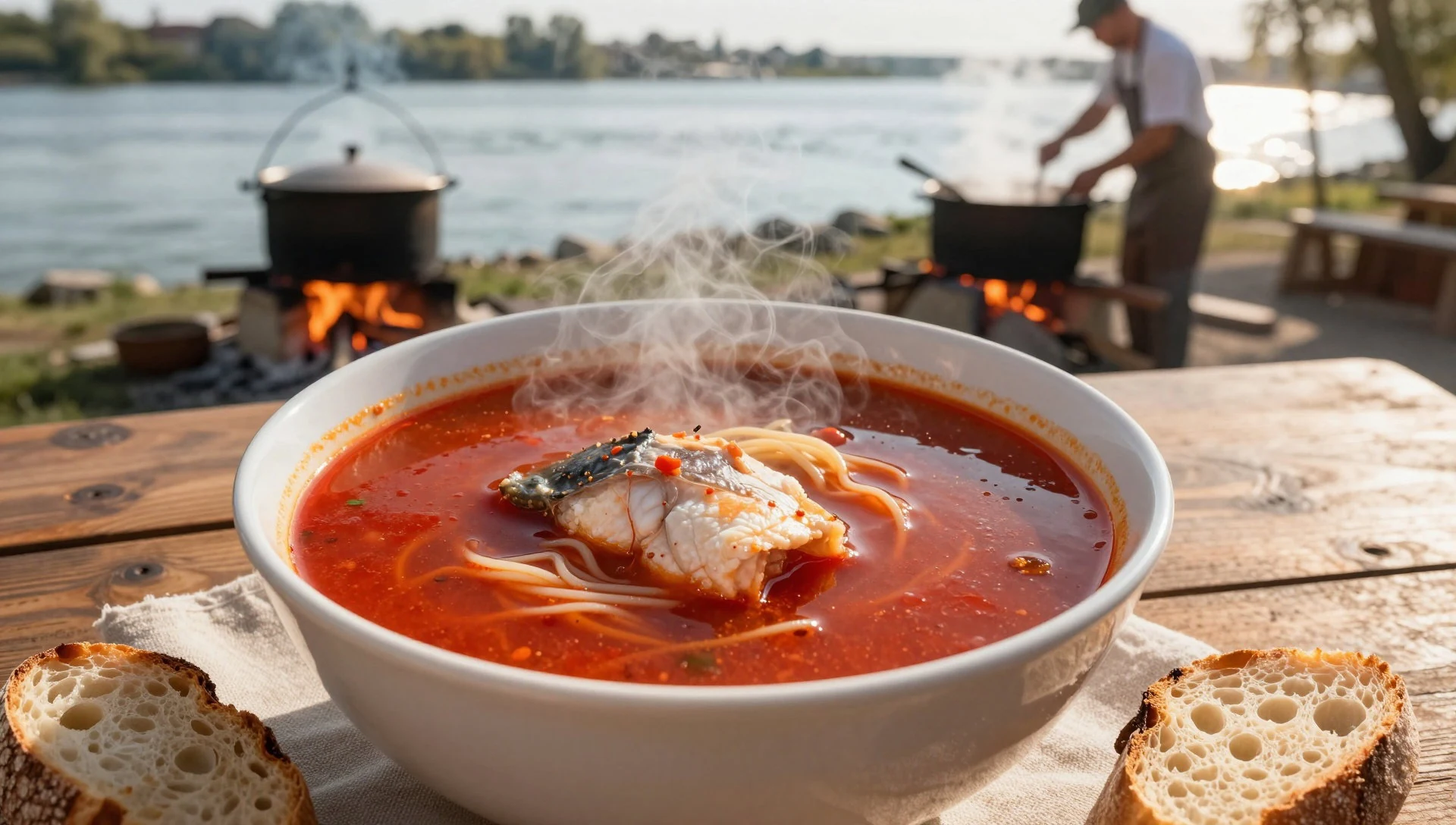
- Pörkölt and túrós csusza — Village inns and small town restaurants
Pörkölt is a slow-cooked paprika stew of beef, pork or game, usually served with dumplings or noodles. Túrós csusza is a comfort dish of noodles with curd cheese and crisp bacon. Both turn up on lunch menus in family-run places.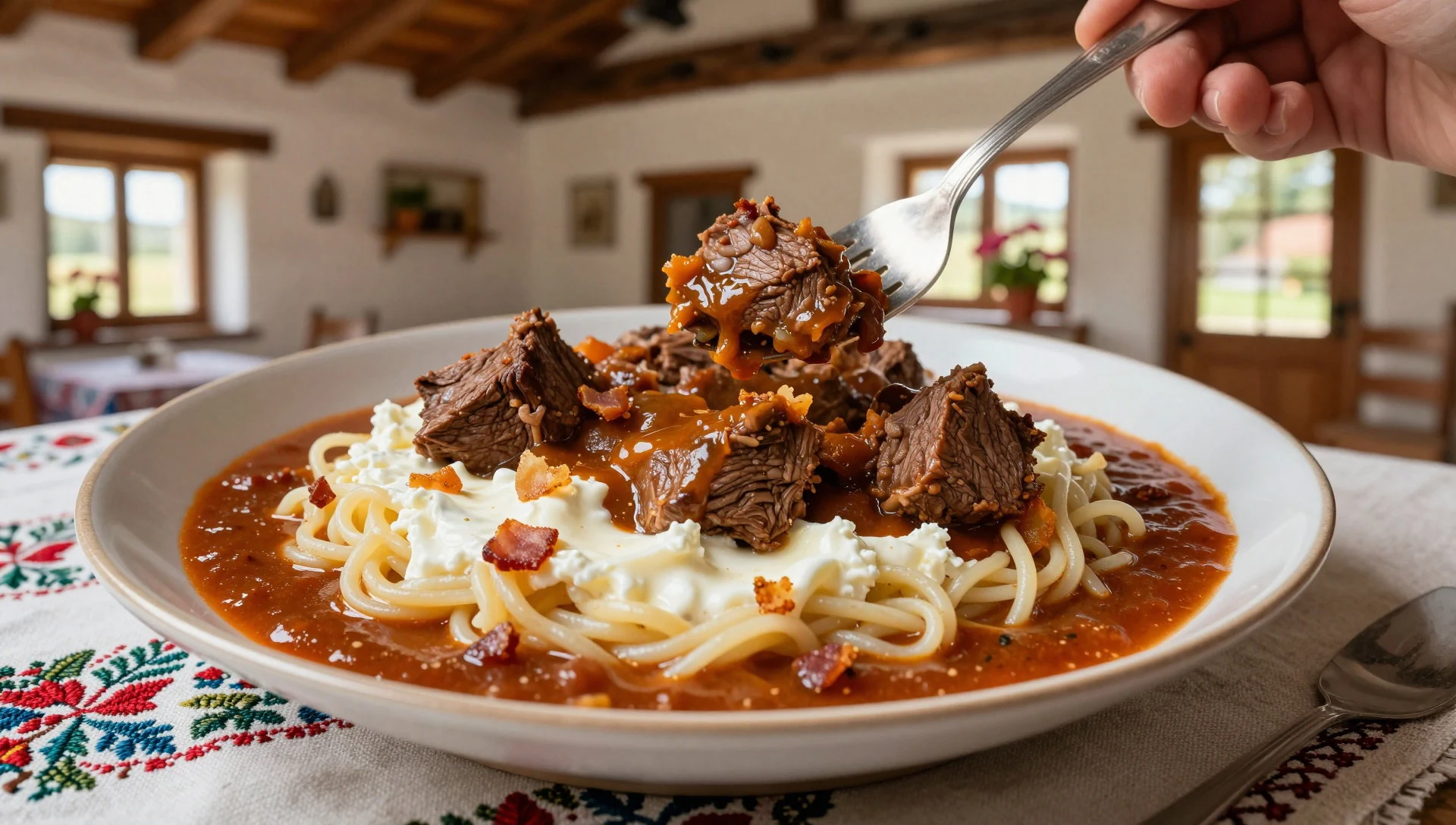
- Fried river fish — Fishing-lake canteens and riverside buffets
Carp or catfish, breaded and fried, is a simple local staple, often with potato salad or bread. It suits a long day outdoors and is easy to find near fishing spots and lakes in the region. - Kürtőskalács (chimney cake) — Weekend markets and festival stalls in Mohács and Baja
Sweet dough wound round a spit, baked over embers and rolled in sugar, cinnamon or walnut. It is a street and market treat, best eaten hot and fresh from the stall. - Local wine from the Szekszárd and Villány areas — Family cellars in the hills north and west of the park
Red wines from nearby hills are well regarded in Hungary, and small cellars welcome visitors for tastings. Ask for a local red such as kadarka or a regional blend, and check opening arrangements in advance.
Plan it
Best time. April–May and September–October. Spring brings migrating birds, fresh leaf and high water; autumn is mild, golden and quieter. Summer is warm, with mosquitoes by the water; winters are cold and misty but good for eagles. Water levels change the access, so check ahead.
How long. 2–3
Getting there. Fly to Budapest, then take a train or coach towards Baja or Mohács (about half a day). For the western Drava, go by rail to Barcs. A car is much the easiest way to reach the separate sites; check the official site, https://www.ddnp.hu/, for visitor centres.
Budget. low
Tips
- Book canoe trips, guided walks and the starry-sky sessions through the official site or a visitor centre rather than turning up
- Go early for birds, as mornings are calmer and eagles are active
- Pack insect repellent from late spring to early autumn
- Carry some cash and water, as small villages have few shops
- Ask about water levels before choosing a forest route
Etiquette
- Stay on marked paths and keep well back from nests
- Take rubbish away and keep noise low in forests and wetlands
- Ask before photographing people in villages
Nearby
Sources
- Wikidata Q897334 (CC0)
- Wikipedia: Danube-Drava National Park (rev 1312782956) (CC BY-SA 4.0)
- Wikivoyage: Danube-Drava National Park (rev 5288660) (CC BY-SA 4.0)
- Photo: Gemenci erdő (own work) (Public domain)
- Photo: Globetrotter19, Mohács information board, Széchenyi Square (CC BY-SA 4.0)
- Photo: Globetrotter19, Danube Promenade information board, Mohács (CC BY-SA 4.0)
- Photo: Globetrotter19, Dráva Promenade information board, Barcs (CC BY 3.0)
- Photo: Globetrotter19, Duna-Dráva National Park banner, Barcs (CC BY 3.0)


