Cusco
Cusco, Peru
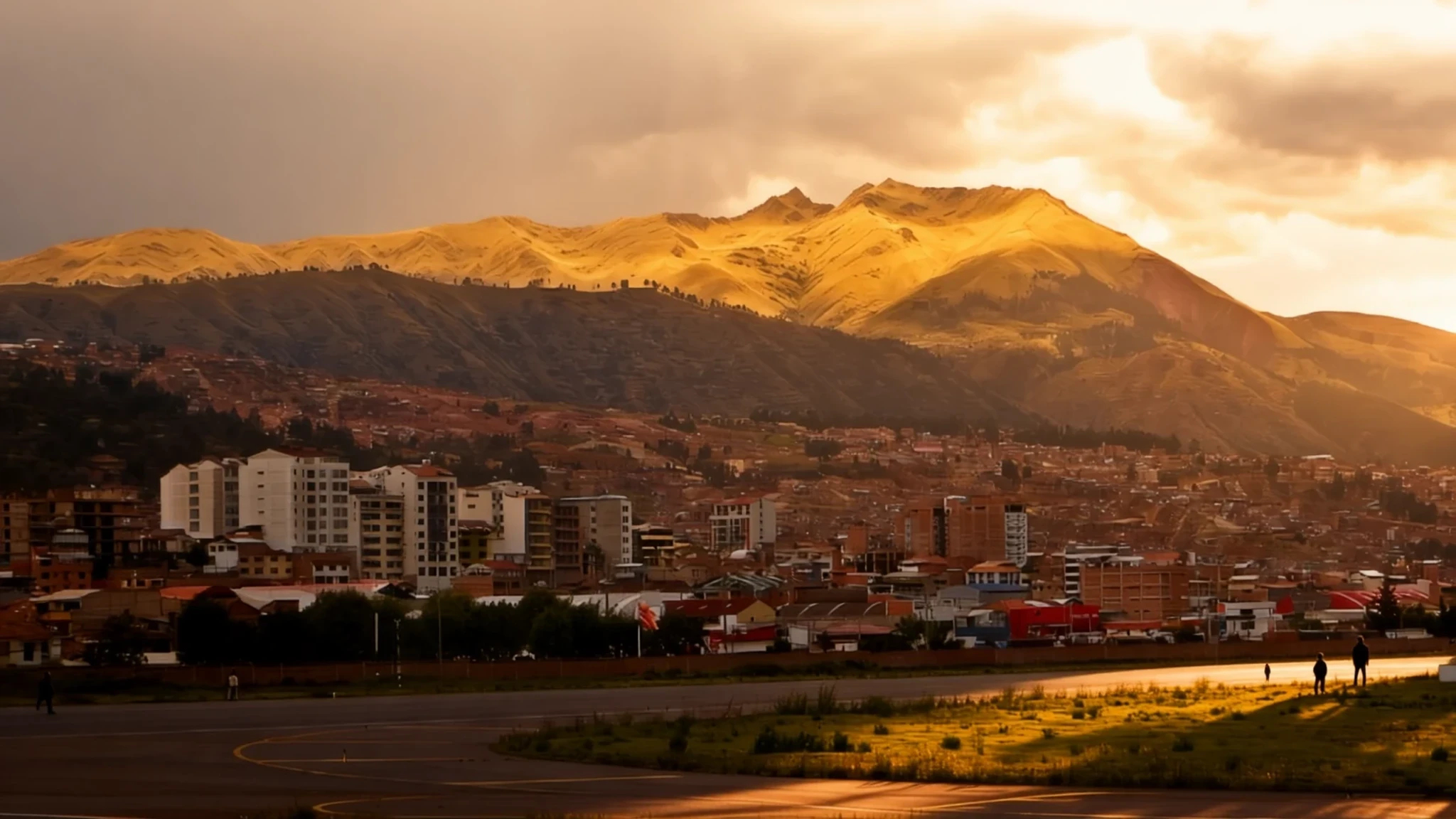
Cusco preserves magnificent Inca foundations beneath colonial streets, serving as the historic capital of Peru and the gateway to the Andes.
The place
Cusco lies tucked into a high Andean valley in southeastern Peru, flanked by rivers and framed by steep mountain slopes. As the largest city in the Peruvian Andes, it serves as the political and cultural heartland of the southern highlands. Stepping into the historic centre reveals a dense urban fabric where Spanish baroque churches and whitewashed colonial balconies sit directly upon massive, precisely fitted stone walls built centuries earlier. The altitude is a constant companion; the city sits high in the mountains, meaning the air is thin and the sun feels remarkably intense during the day before temperatures drop sharply after dusk. Narrow cobblestone streets climb steeply away from the central square, funnelling visitors and residents past quiet courtyards, bustling markets, and ancient foundations. Despite welcoming a constant stream of travellers heading onward to Machu Picchu and surrounding valleys, Cusco retains a distinct daily rhythm defined by Andean commerce, traditional music, and neighbourhood life. The urban layout reflects ancient principles that harmonised with the rugged terrain, creating a city that feels both anchored in deep history and vibrantly alive today.
Its story
Long before the arrival of the Inca, the Killke culture occupied the Cusco valley, raising stone fortifications and agricultural terraces on the hillsides that overlook the rivers. Carbon dating places these early builders centuries before the imperial expansion, establishing a long tradition of mountain stonework and religious devotion in the area. According to tradition, the city was subsequently established as the capital of the Kingdom of Cusco and later expanded into the sprawling capital of the Inca Empire. Inca planners designed the imperial core in the shape of a puma, carving out distinct sectors that radiated outward from the central plazas. When Spanish conquistadors arrived in the sixteenth century, they dismantled much of the upper imperial architecture to construct their own administrative buildings, yet they left the earthquake-resistant lower stone courses untouched. These foundations proved so sturdy that they survived major tremors that brought down the newer colonial structures above them. Reestablished in the sixteenth century, the settlement transitioned through centuries of viceregal rule into a modern regional capital, earning international recognition as a protected cultural heritage site that preserves layers of architecture spanning successive civilisations.
What to see
- Museo Histórico Regional — Centro Histórico
Housed inside the former residence of a prominent colonial historian, this two-storey museum exhibits centuries-old paintings and archaeological displays chronicling pre-Hispanic civilisations alongside the transition into the colonial era.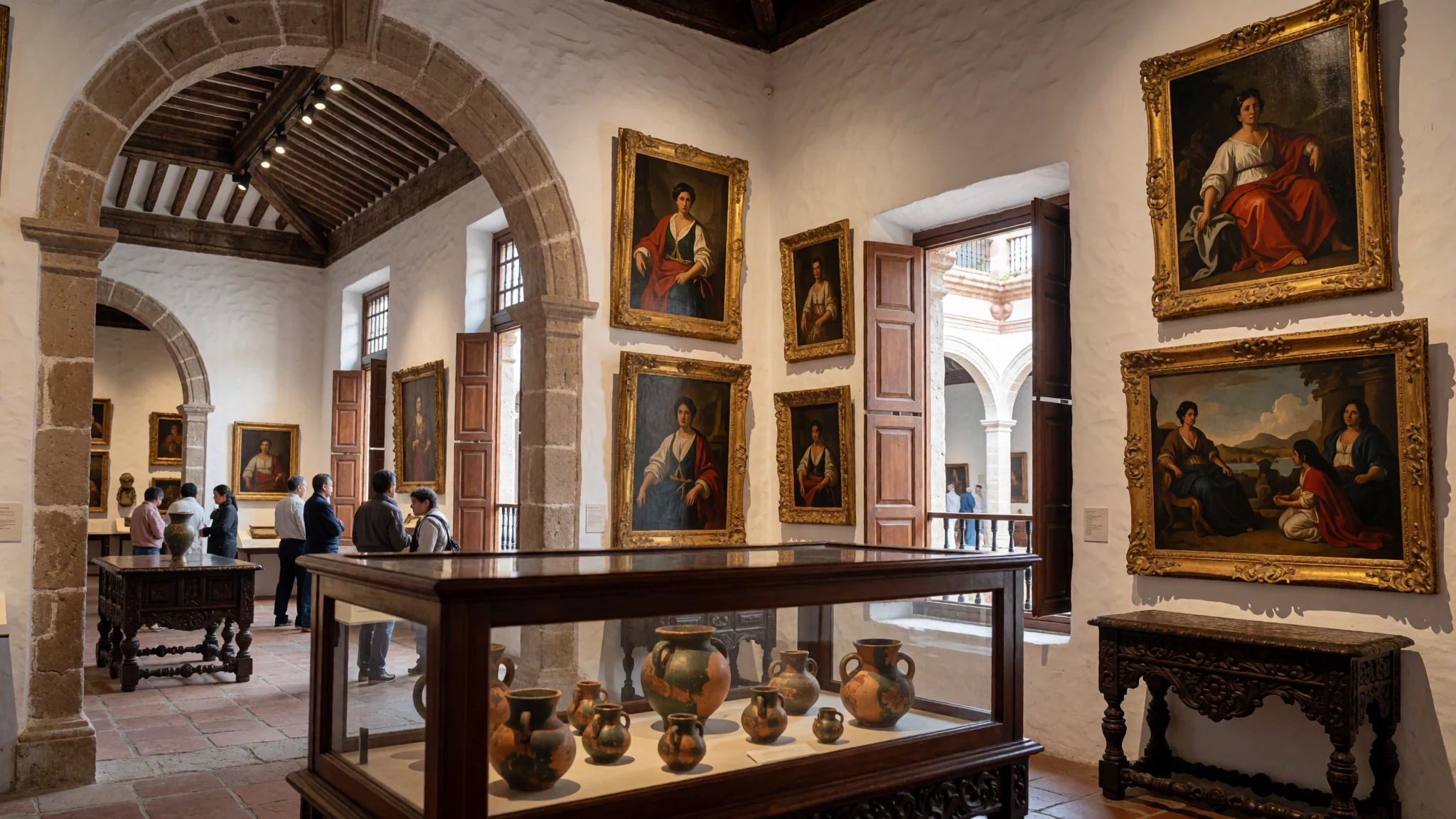
- Machu Picchu Museum — Near Plaza de Armas
This institution preserves an extensive collection of artifacts recovered from Machu Picchu, offering detailed insights into daily life, metalwork, and pottery from the famous sanctuary.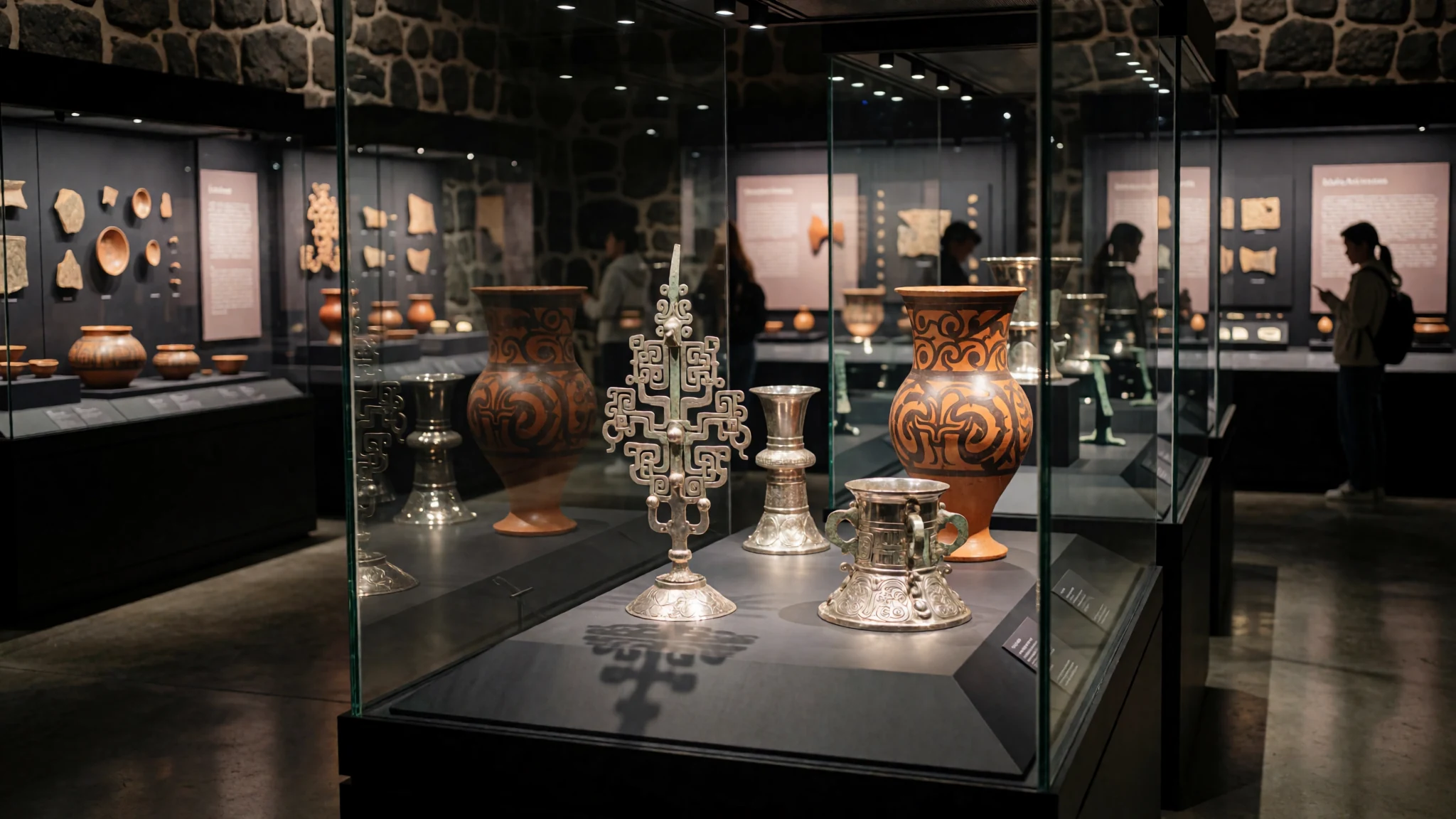
- Museo del Sitio del Qoricancha — Avenida El Sol
Situated near the remains of the principal Inca temple of the sun, this site museum displays pre-Columbian ceramics, textiles, and architectural fragments recovered during archaeological investigations.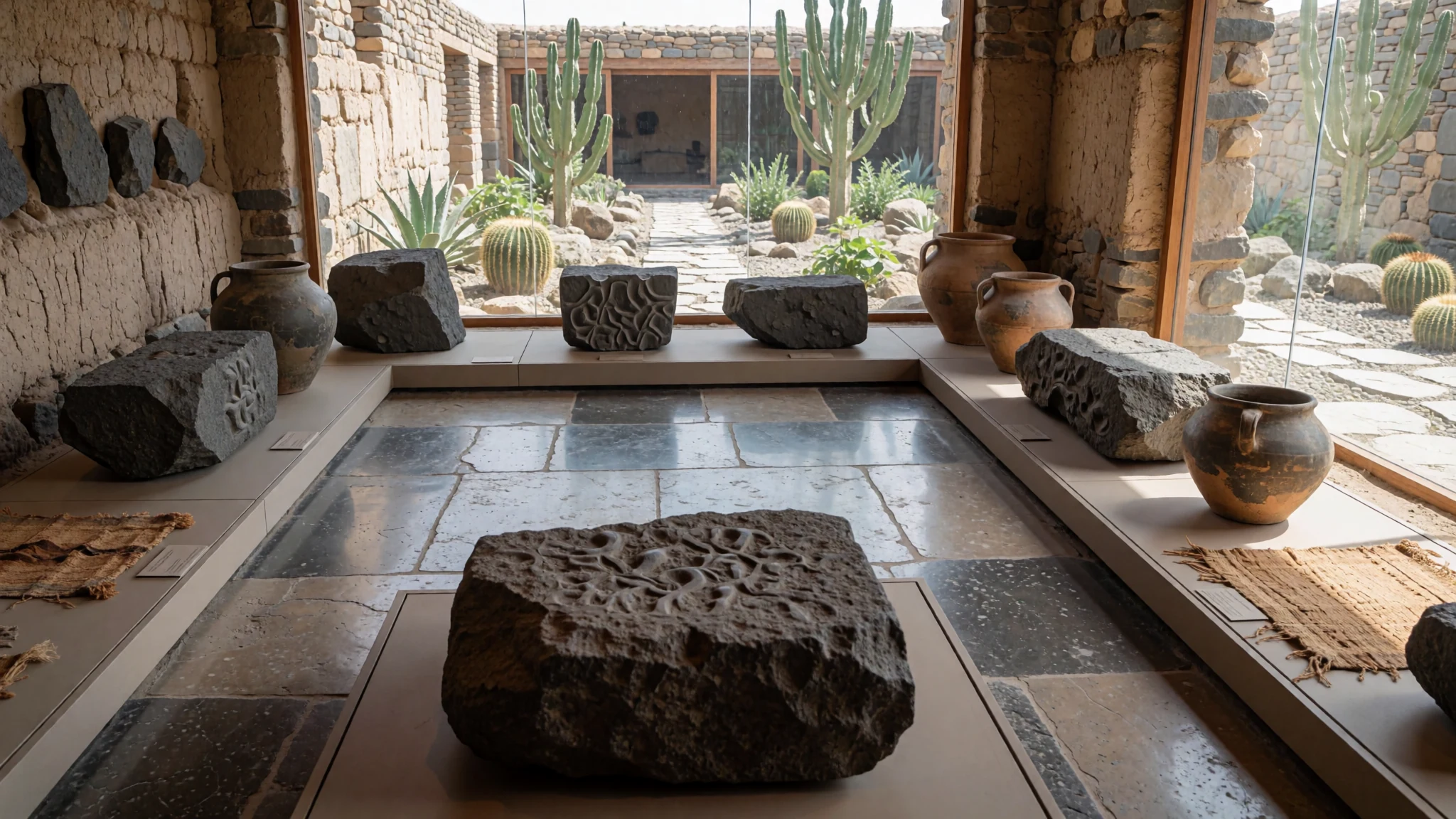
- Museo Municipal de Arte Contemporáneo — Plaza Regocijo
Located within the municipal palace on Plaza Regocijo, this gallery showcases contemporary visual arts created by regional and national Peruvian artists.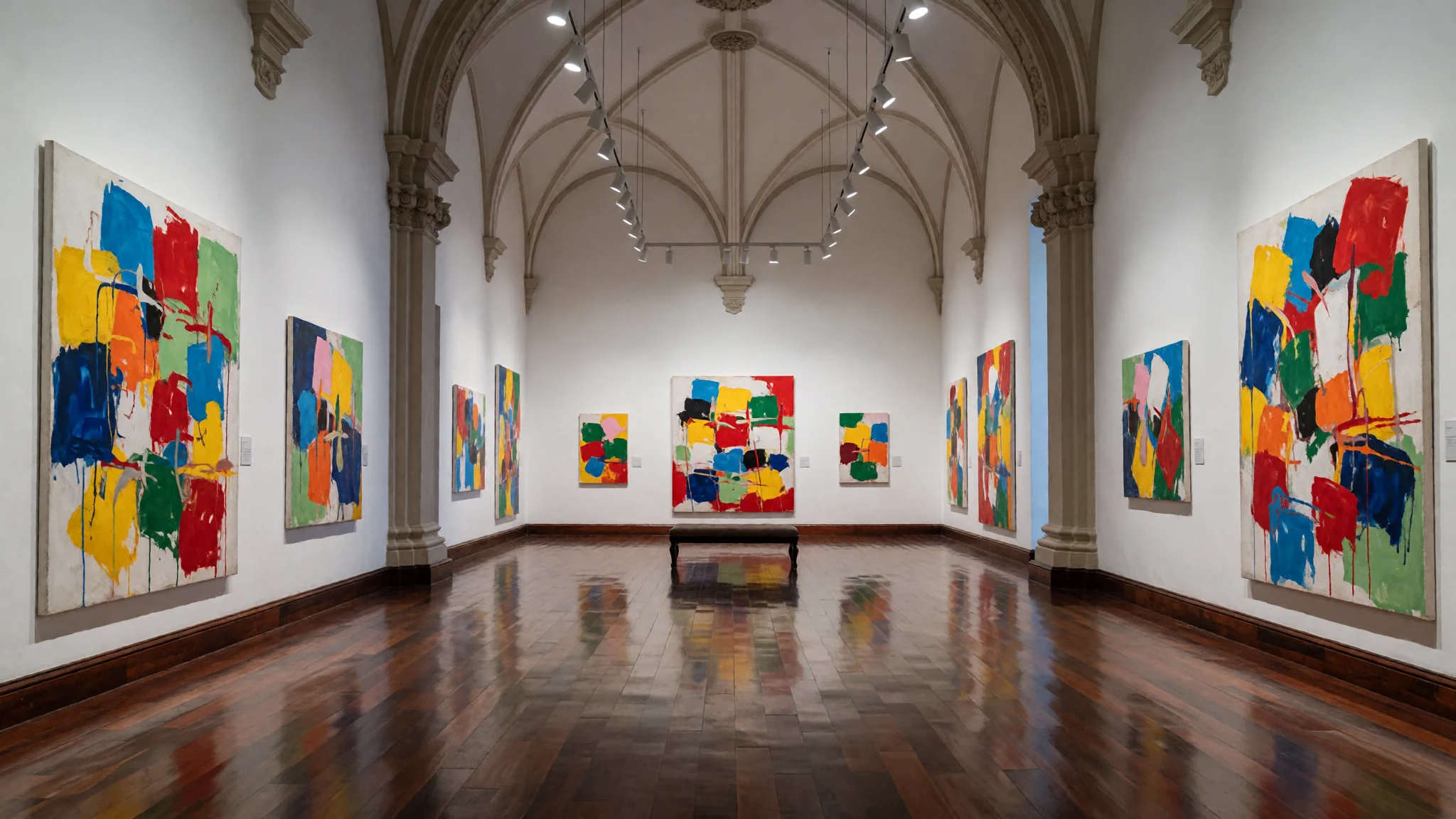
- Museo del Centro de Textiles Tradicionales de Cusco — Centro textile district
A dedicated textile gallery highlighting traditional weaving techniques, natural dyes, and historical patterns preserved by indigenous Quechua communities across the Andean region.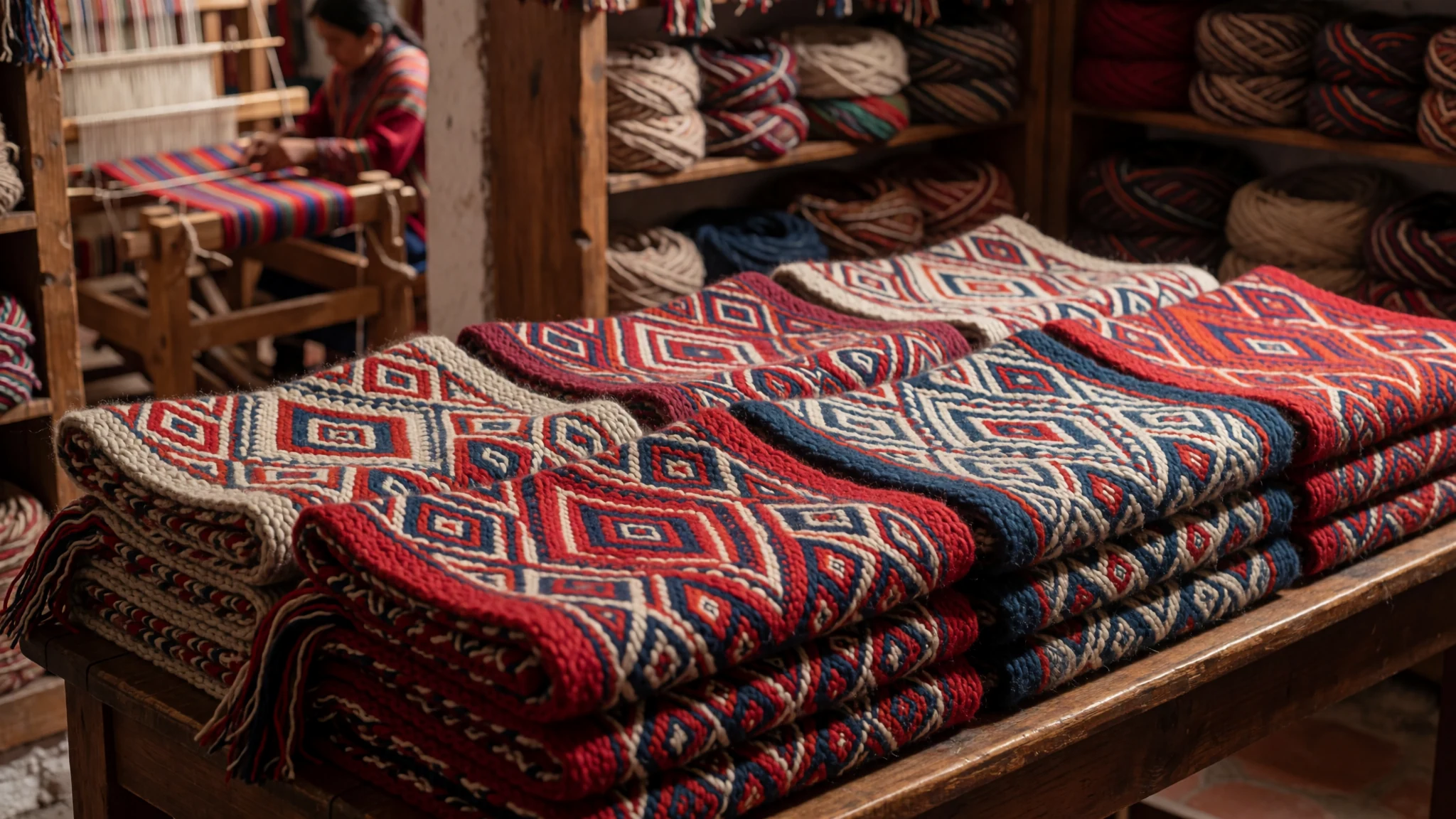
Culture
Cusco remains deeply shaped by its Quechua heritage, which echoes through the local language, community festivals, and daily markets. Traditional Andean social structures and agricultural cycles continue to influence rural and urban life alike. The architectural landscape reflects an extraordinary synthesis of engineering traditions, where Inca stonework adapts seamlessly to steep slopes and earthquake-prone terrain. Local artisans maintain centuries-old practices in ceramics, silversmithing, and textile weaving, passing intricate patterns down through generations. Music played on traditional panpipes and charangos fills the squares during festive processions, blending indigenous spirituality with Catholic traditions established during the colonial period. Respect local customs by asking permission before photographing indigenous people in traditional dress, and always support fair trade when purchasing handmade textiles.
What to wear
Traditional dress across the Cusco region remains a vibrant marker of identity, particularly among women from surrounding Andean communities. Traditional attire features multilayered skirts known as polleras, intricately embroidered waistbands called chumpis, and densely woven woollen mantas fastened with ornate silver pins called tupus. Distinctive felt or straw hats vary in shape and decoration depending on the wearer's specific village or valley. In the city streets today, younger generations and urban residents wear contemporary casual clothing such as jeans, hoodies, and trainers, blending global styles with warm knitwear. Because the climate shifts dramatically between strong daytime sun and chilly evening mountain air, visitors should dress in layers. Pack breathable fabrics for walking under the high-altitude sun, heavy fleece jackets or wool jumpers for the cold nights, and sturdy, grip-soled footwear to manage the steep, uneven cobblestone streets.
What to eat
- El Fogon — Centro Histórico side streets
A popular local eatery offering hearty set meals featuring traditional soups, generous main dishes, and access to a fresh salad bar.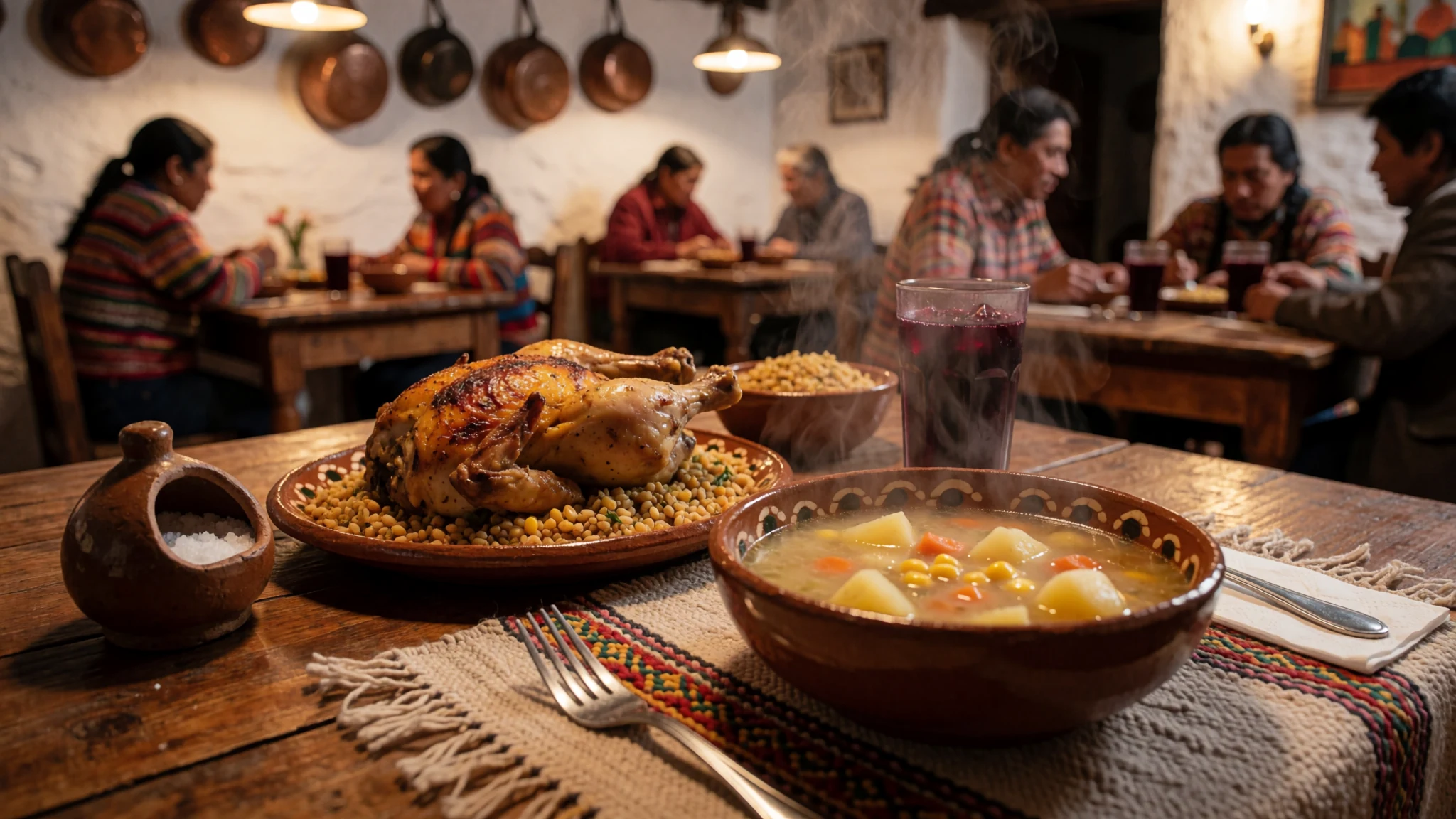
- El Encuentro — Near the central squares
A welcoming vegetarian establishment serving wholesome local dishes, comforting soups, and traditional herbal infusions at affordable prices.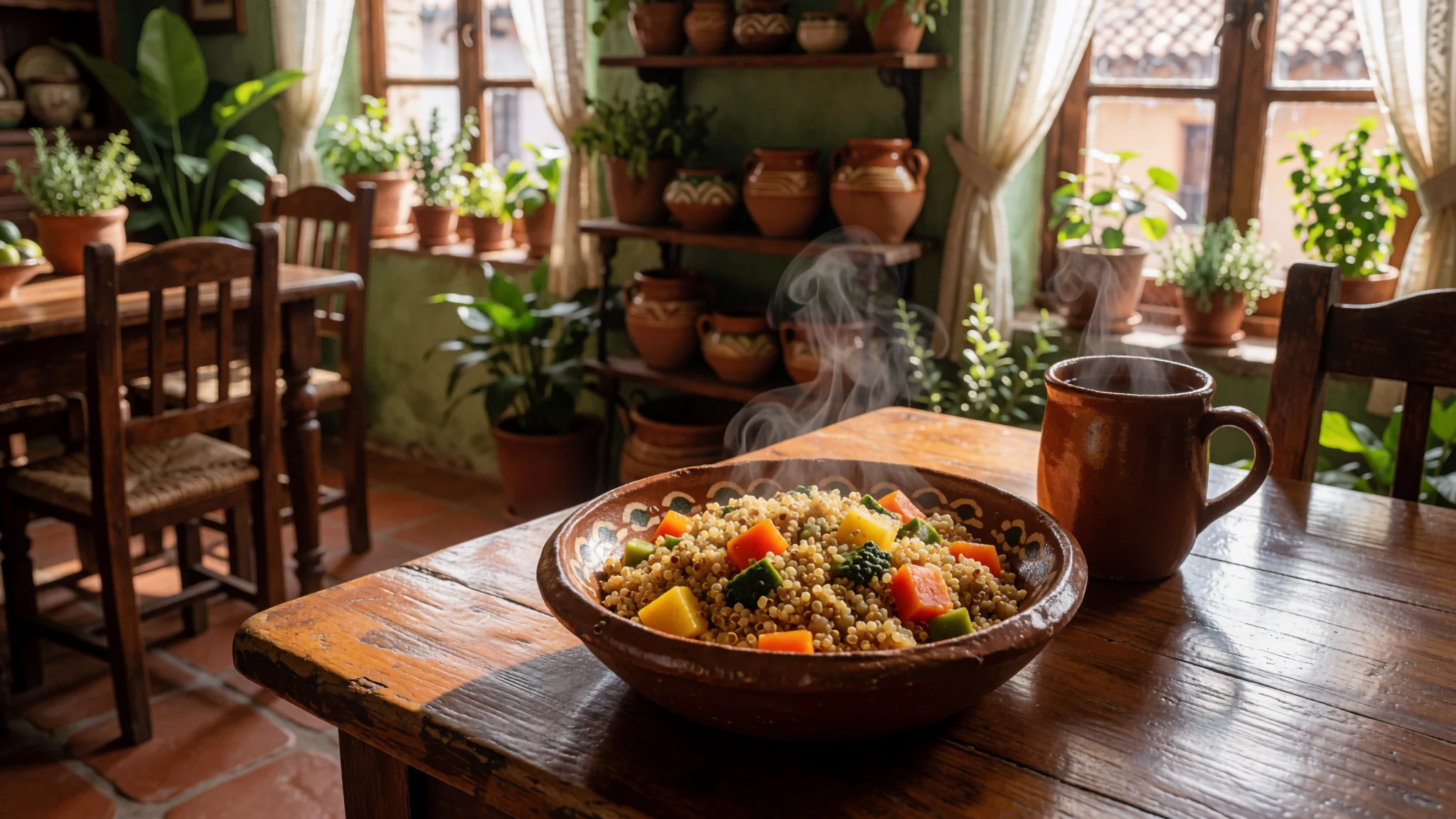
- Chifa Status — East of the historic centre
A neighbourhood restaurant specialising in Peruvian-Chinese Chifa cuisine, serving large portions of fried rice and noodle dishes designed for sharing. - Los Angeles — Central Cusco nightlife district
A busy counter-service eatery providing quick comfort food and warm dishes late into the evening after social gatherings. - Victor Victoria — Historic centre
A friendly dining spot known for its welcoming service and comprehensive salad buffet included with all main course selections.
Plan it
Best time. April to October brings the dry winter season, with clear blue skies and reliable weather for walking, though nights turn bitterly cold, especially in July.
How long. 3–4
Getting there. Fly into Alejandro Velasco Astert International Airport, then take a licensed taxi directly to the historic centre.
Budget. mid
Tips
- Take it easy for the first forty-eight hours to adjust to the high altitude.
- Drink plenty of water and try local coca tea to ease altitude symptoms.
- Book train tickets and site passes well in advance during peak dry months.
- Carry small denominations of local currency for neighbourhood shops and markets.
Etiquette
- Always ask permission before photographing local residents in traditional attire.
- Dress modestly when entering historic churches and religious sites.
Nearby
Sources
- Wikidata Q5582862 (CC0)
- Wikipedia (rev 1382572670) (CC BY-SA 4.0)
- Wikivoyage (rev 5400925) (CC BY-SA 4.0)