Crystal Caves
Crystal Caves, United Kingdom
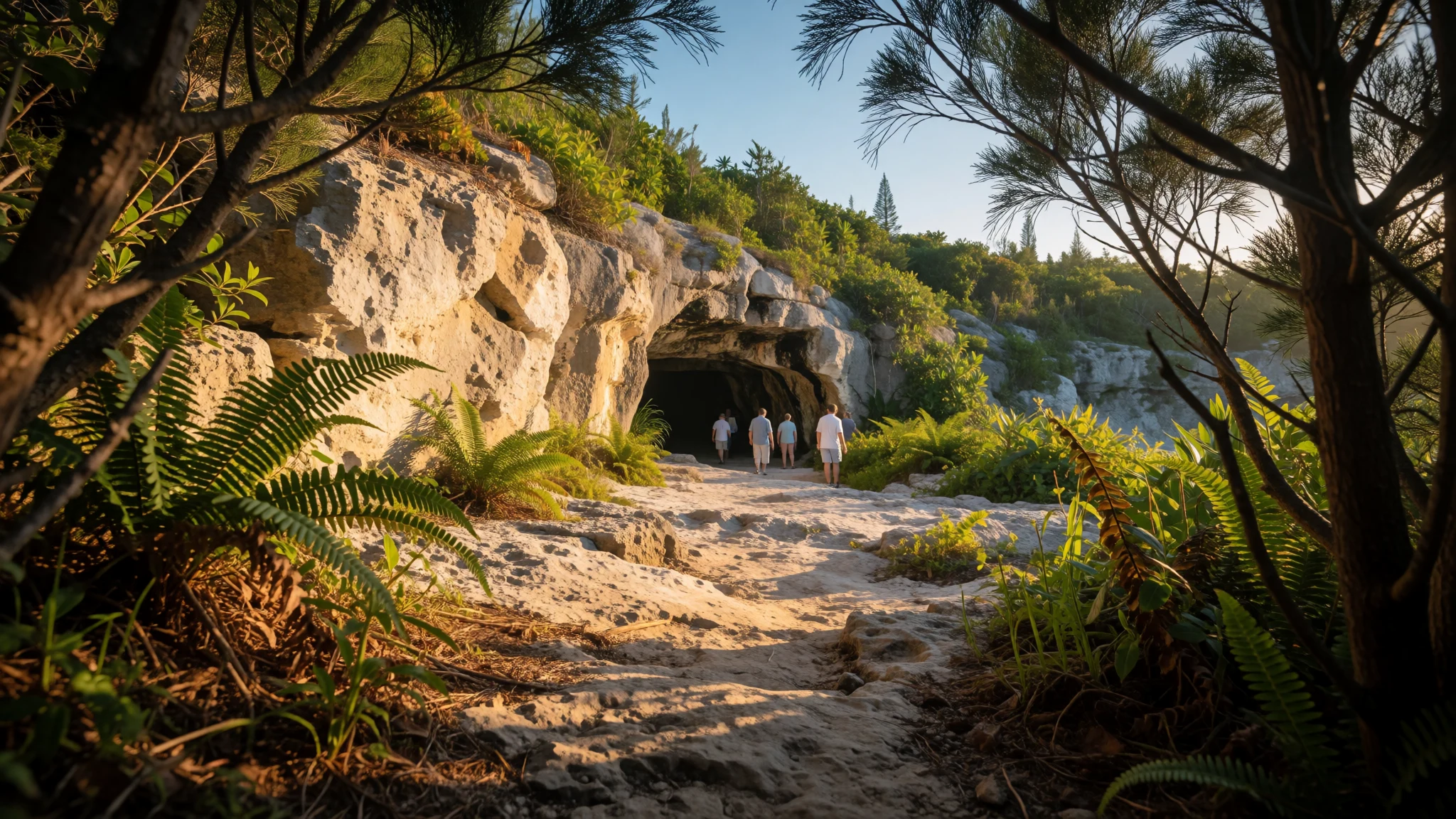
Crystal Caves pairs easy visitor access with limestone sparkle—an underground walk that feels like a different planet under Bermuda’s light.
The place
Crystal Caves is a cave attraction in Bermuda’s British overseas territory, tucked into Hamilton Parish near Castle Harbour. On paper it sounds like a simple “caves” stop, but the experience is more specific: the site is built around a long, winding limestone passage where the rock does the talking. The cave stretches for around 500 metres and drops roughly 62 metres deep, and the lower 19–20 metres are below water level, so the lighting and the scenery shift as the geology changes.
A lot of what makes Crystal Caves feel special is the story written into the stone. The cave formed when sea levels were lower, which meant features grew out of the surface air and rock rather than beneath the sea. Later, as sea levels rose, many formations that had originally built up above water ended up submerged, giving the cave its layered look—dry-looking sections near the top and water-influenced spaces lower down.
The grounds also make the visit straightforward. Crystal Cave and the neighbouring Fantasy Cave are sold as one trip; Fantasy goes deeper, with a steeper descent of 88 steps. If Bermuda’s coast and sunshine are doing one job—brightening everything—then these caves do the other: cooling you down and replacing the ocean view with stalactites, stalagmites, and deep, clear pools that catch the light.
Expect a guided-style flow through marked areas. It’s popular enough that the queue isn’t usually dramatic, but it is noticeable during peak daytime hours—so the less time spent waiting, the more relaxed the photos feel.
Its story
Crystal Caves became a tourist attraction early, after a childhood discovery that still feels very Bermuda. The cave was discovered in 1905 by Carl Gibbons and Edgar Hollis, two 12-year-old boys looking for a lost cricket ball. Their find didn’t stay a rumour for long: soon after, the Wilkinson family—who owned the property—learned about the discovery.
Exploration quickly turned more hands-on. Percy Wilkinson lowered his son Bernard into the cave with a bicycle lamp, using a length of strong rope tied to a tree and bringing a youngster’s urgency to a dark place. That early curiosity is part of why the caves are remembered not just for the rocks, but for the people who went looking.
The next chapter is when the site starts resembling what visitors recognise today. Crystal Cave had been drawing attention since 1907. Then, in the same vicinity, Fantasy Cave added variety to the story. Fantasy was closed in the 1940s, but it reopened in the summer of 2001 after pathways were rebuilt and the passages were re-illuminated with artificial lighting.
Together, Crystal and Fantasy give a living timeline: discovery, family stewardship, quiet closure, and a modern reopening designed to keep the caves visitable while protecting the experience underground. It’s geology you can walk through—and a bit of local history that you can feel in how the caves are presented.
What to see
- Crystal Cave: limestone, pools and lit formations — Crystal Caves site (Hamilton Parish near Castle Harbour)
Crystal Cave is the main walk, with stalactites, stalagmites and deep, clear pools that change character as the cave drops. At the lower end, the cave passages sit below water level, so the atmosphere turns cooler and shinier under the lights.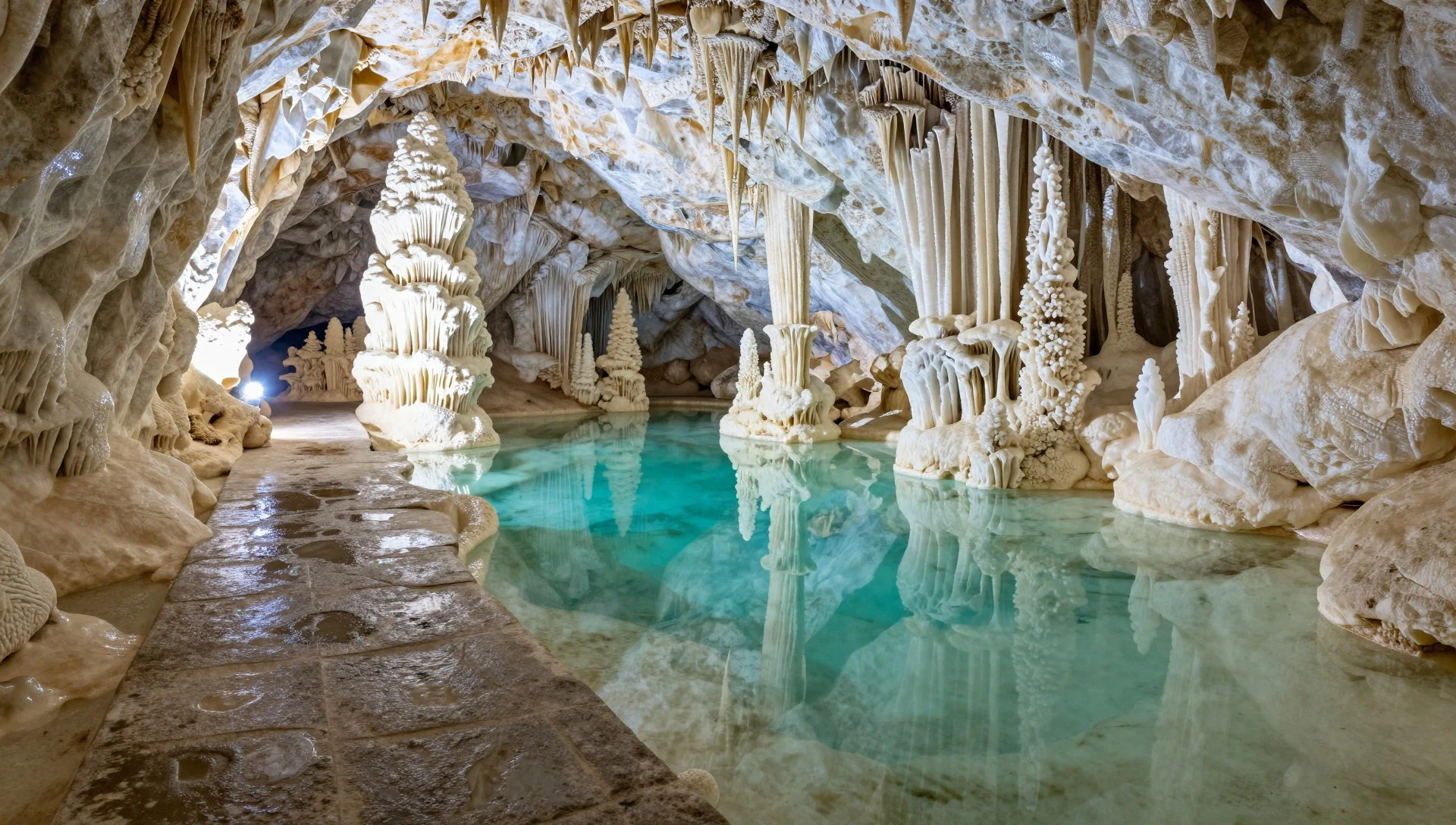
- Fantasy Cave: the longer, deeper descent — Crystal Caves site (Fantasy Cave adjoining)
Fantasy Cave adds a bigger vertical feel: visitors descend 88 steps, and the passages are deeper than Crystal. The route was reopened with rebuilt pathways and re-illuminated lighting, so the underground feels organised even though it’s naturally dark.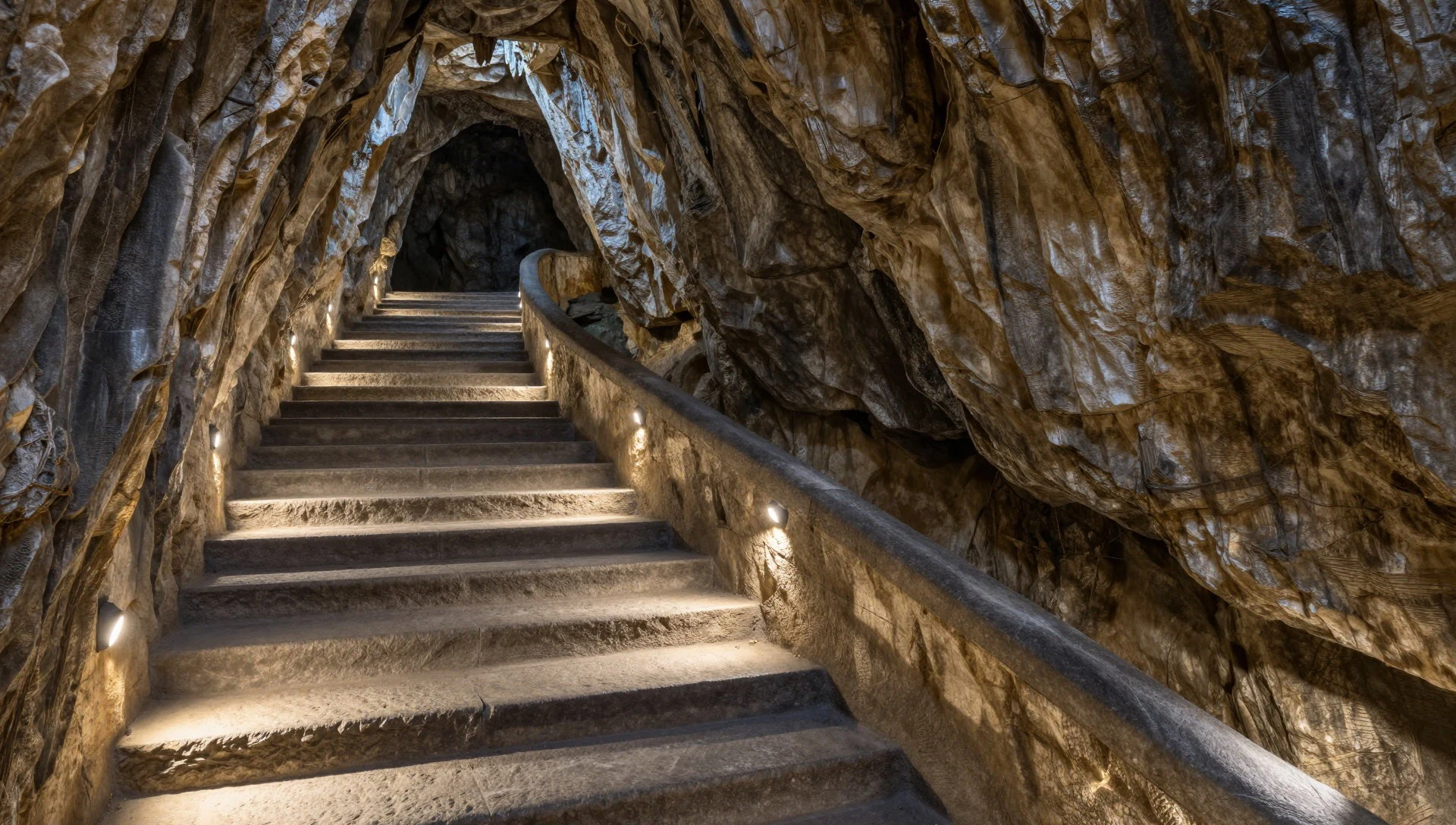
- The sea-level origin of the cave — Along the cave route (explained by the geology you see)
The cave’s shapes tie back to changing sea levels. Formations began when the sea was lower, then many features that grew above water were later submerged as sea levels rose—leaving a mix of zones influenced by both air and water.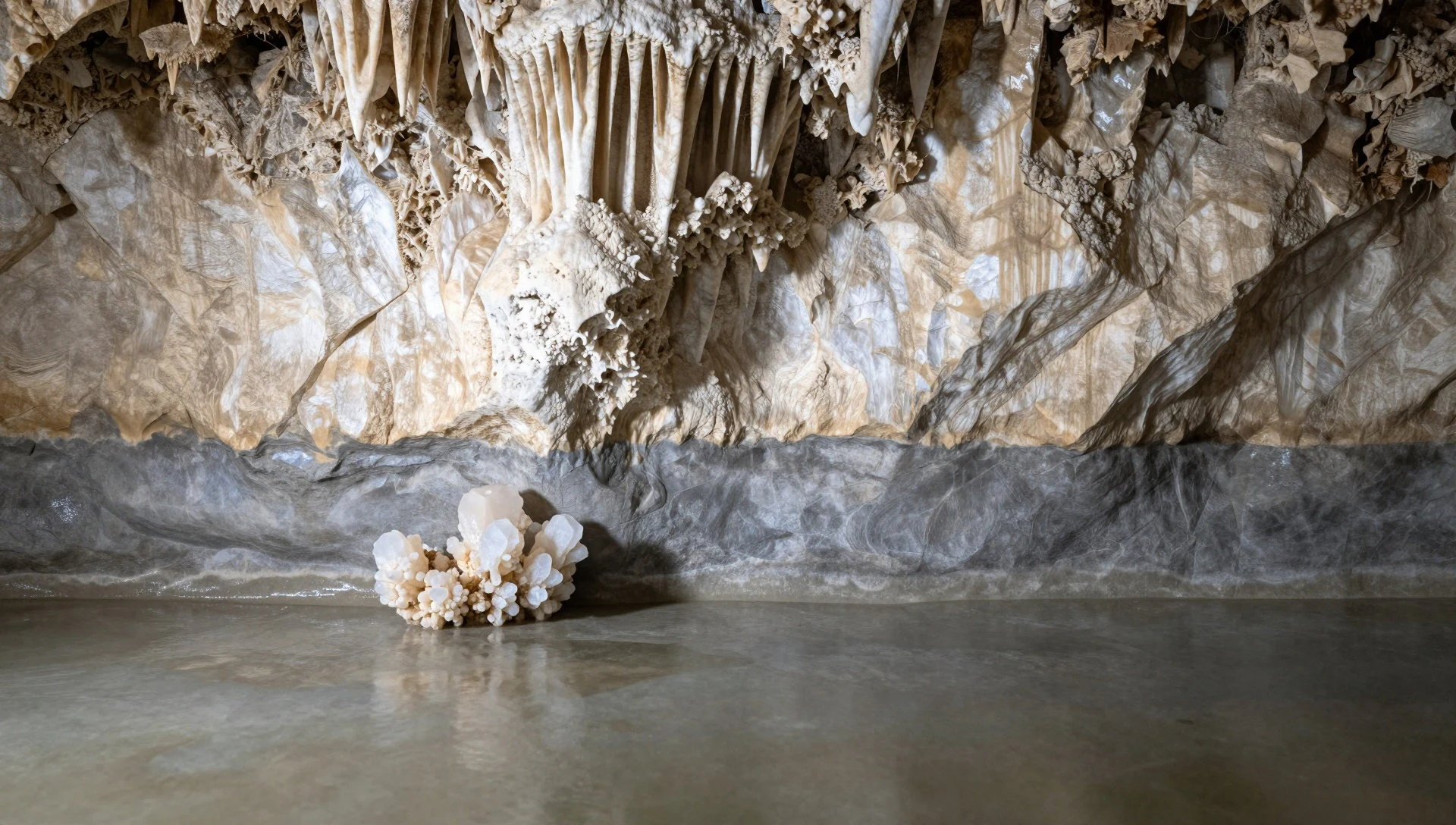
- Entrance area: Crystal Caves Rd & Wilkinson Ave — Crystal Caves Rd & Wilkinson Ave
The visitor set-up sits by Crystal Caves Rd and Wilkinson Ave, with the cave complex located in Hamilton Parish. It’s the practical gateway: the place to collect yourself before the cool, darker underground walk and then move onward to Fantasy.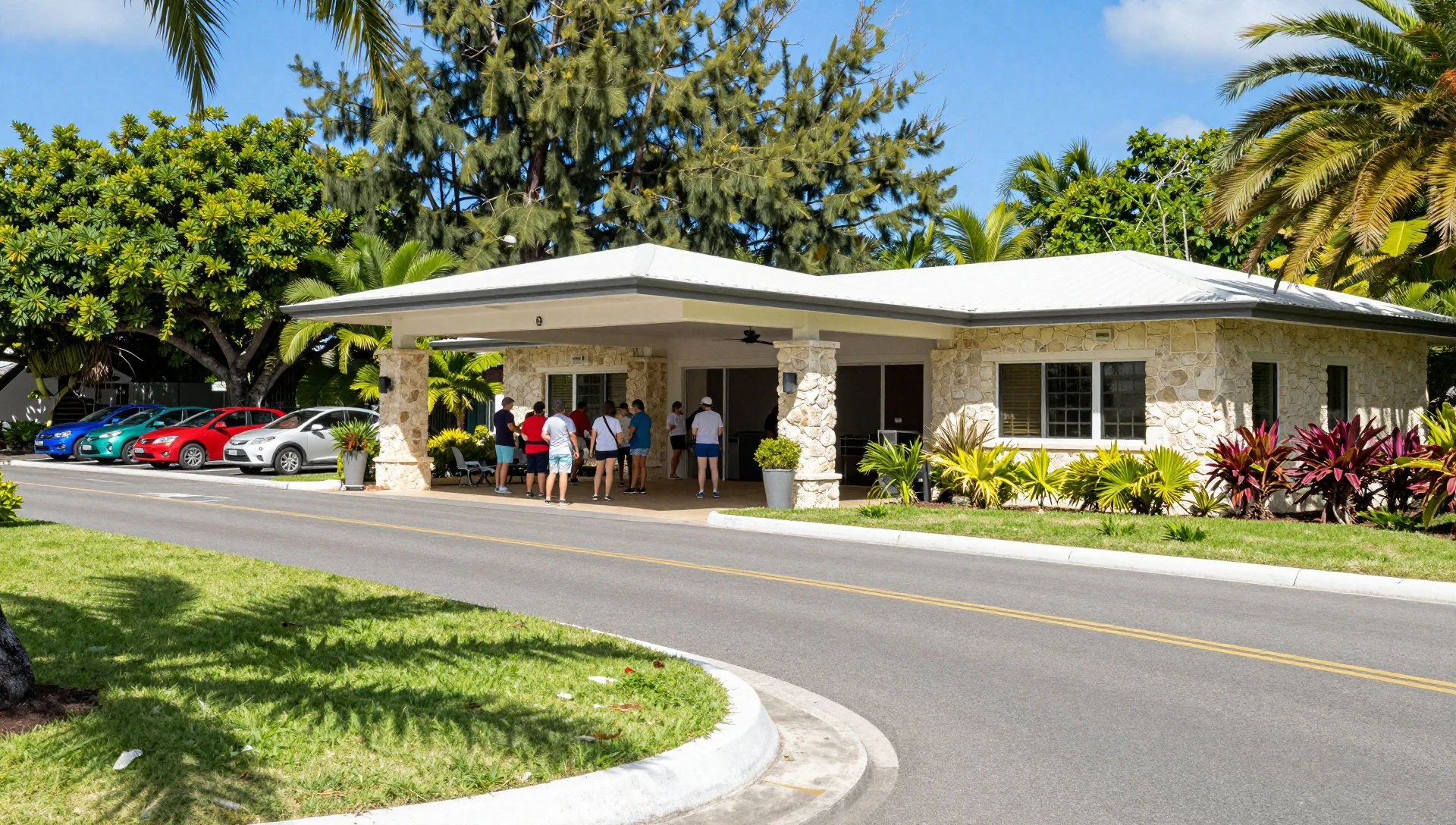
- Gift shop souvenirs and “crystal” finds — Crystal Caves gift shop area
After the walk, the gift shop is where people convert the experience into something to take home. There are assorted rocks and cave-themed souvenirs, and it’s a handy stop to warm up before heading back out to Bermuda’s light.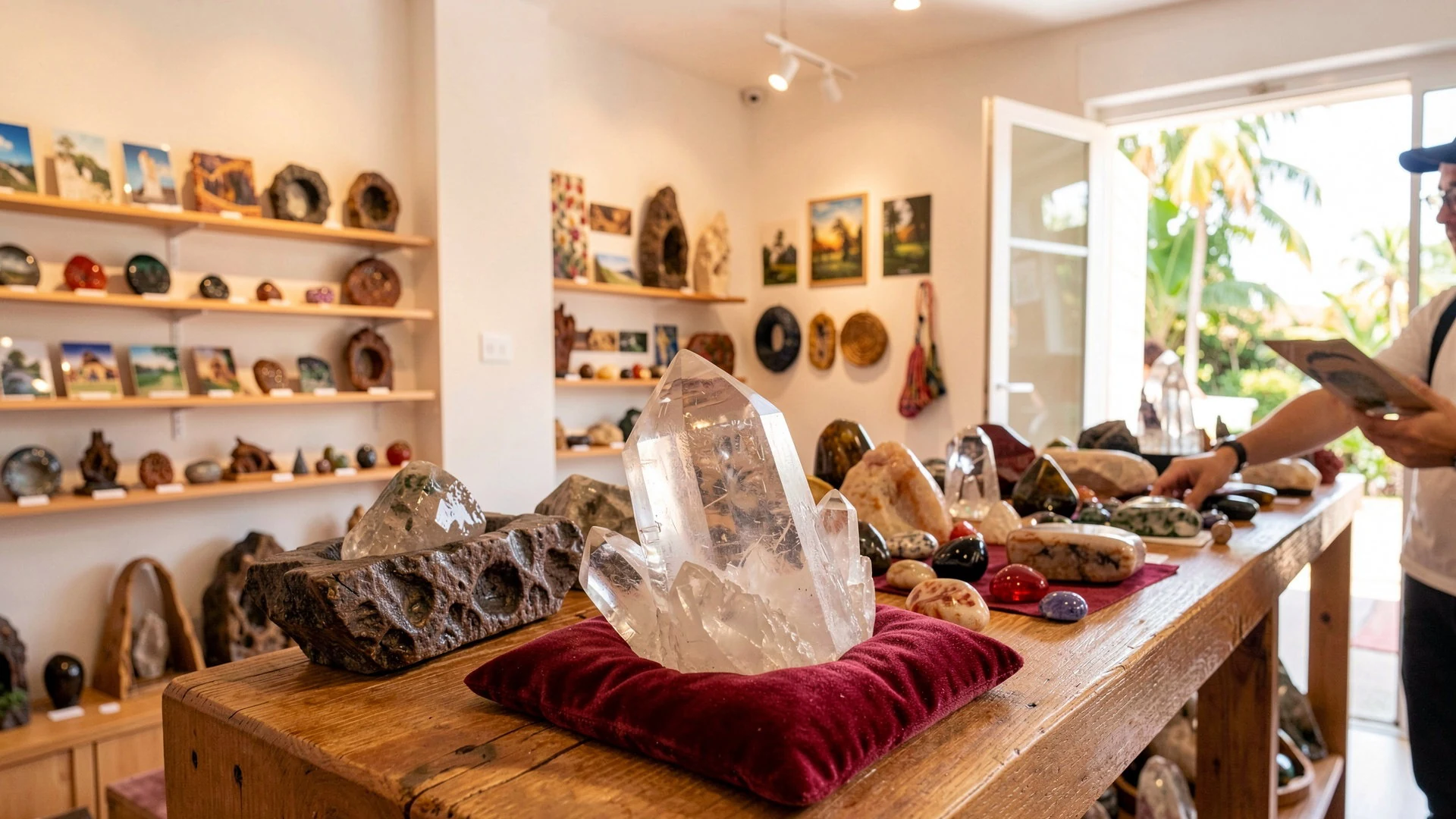
Culture
Crystal Caves sits in Bermuda, where visitors are generally welcomed and people are used to questions from travellers. The island is also religious, and Bermuda has many churches, so it’s a good idea to keep a respectful, calm tone around other people’s places and routines. Most Bermudians greet politely—saying “good morning”, “good afternoon” or “good evening”—and the same courtesy when leaving.
Inside caves, the practical side of etiquette matters most: keep to marked areas, move steadily where there’s a narrow path, and avoid handling rock formations. In a place like Crystal Caves, the lighting, pool edges and the stone surfaces are part of what other visitors came to see, so personal comfort should not come at the expense of blocking views. If a group is being guided, it’s considerate to pause for a moment rather than stepping into someone else’s photos.
Visitor etiquette: Keep to the route and avoid touching formations, and use polite greetings (“good morning/afternoon/evening”) when you pass staff or other visitors.
What to wear
Crystal Caves is underground, so clothing decisions are mostly about keeping comfortable in cooler, dim conditions and not slipping. There’s no need for formal wear—this is a walking experience on cave paths—so dress for steady movement: a light layer for the temperature change, long trousers, and closed footwear with grip. If rain has been around outside, choose shoes that can handle damp ground during the walk to and from the entrance.
Traditional dress in Bermuda can include influences from British and Caribbean styles, but it’s not typically the focus for cave visits. What most visitors actually wear now is practical holiday clothing—tees, lightweight shirts, shorts or trousers, and trainers—because Bermuda’s weather can be warm when you’re out in the open. The key is to avoid anything too delicate or slippery on cave surfaces.
For a comfortable visit to Crystal Caves: bring a small layer, wear non-slip trainers or walking shoes, and keep your hands free for balance. If there are religious or community spaces you plan to visit on the same day, aim for modest coverage and smart-casual footwear after the caves, when you step back into public areas.
What to eat
- Salted codfish with potatoes (Sunday-style breakfast) — Local restaurants and eateries (breakfast menus)
This classic, salted codfish with boiled potatoes is often associated with the traditional Sunday breakfast. It’s the sort of dish that shows up in local eateries and home-style menus, especially when you’re eating breakfast in Bermuda.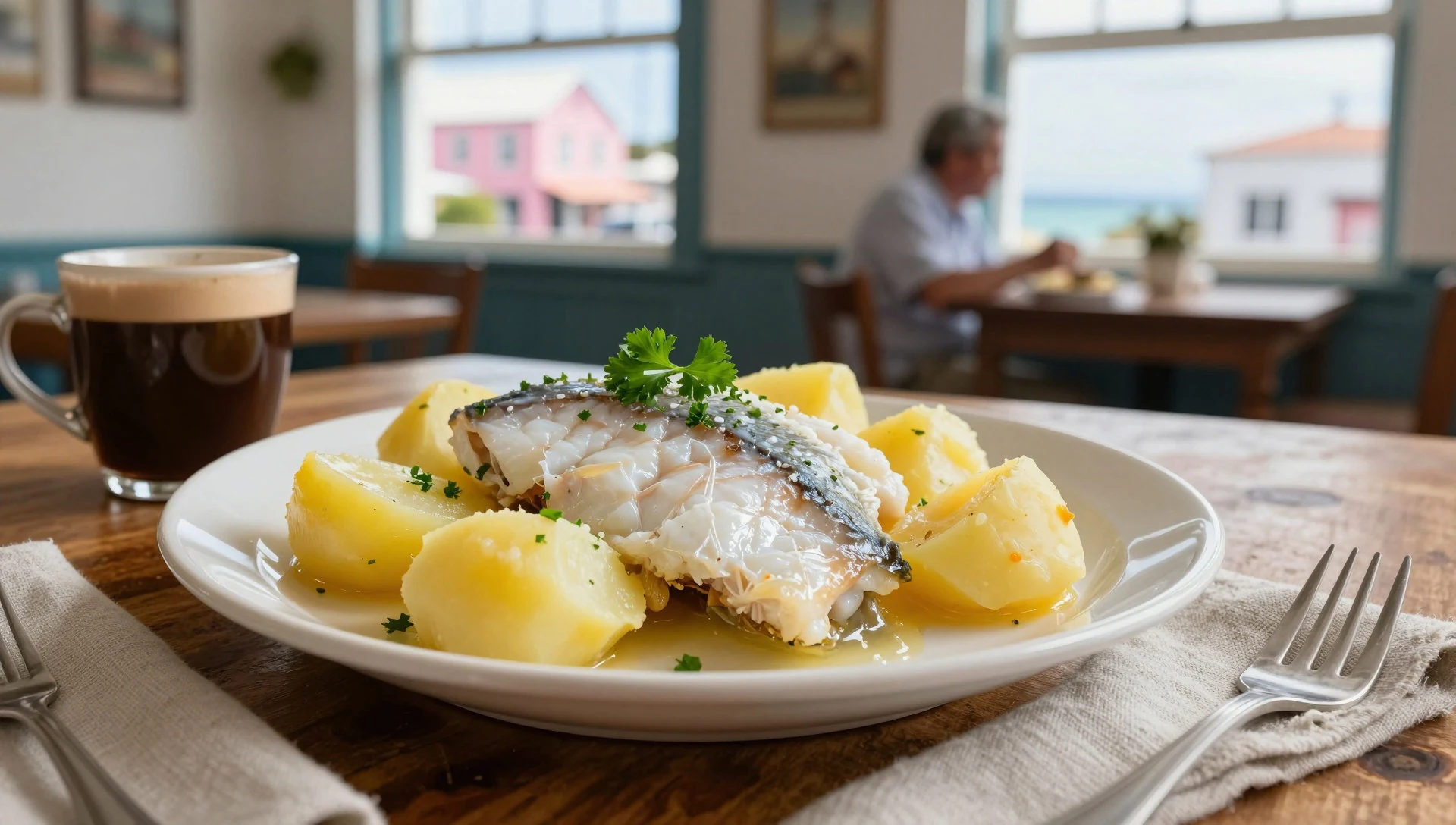
- Hoppin’ John — Local restaurants and pubs
Hoppin’ John is a simple bowl of boiled rice with black-eyed peas. It’s a comforting, filling option that you can look for at local spots offering home-influenced sides and mains.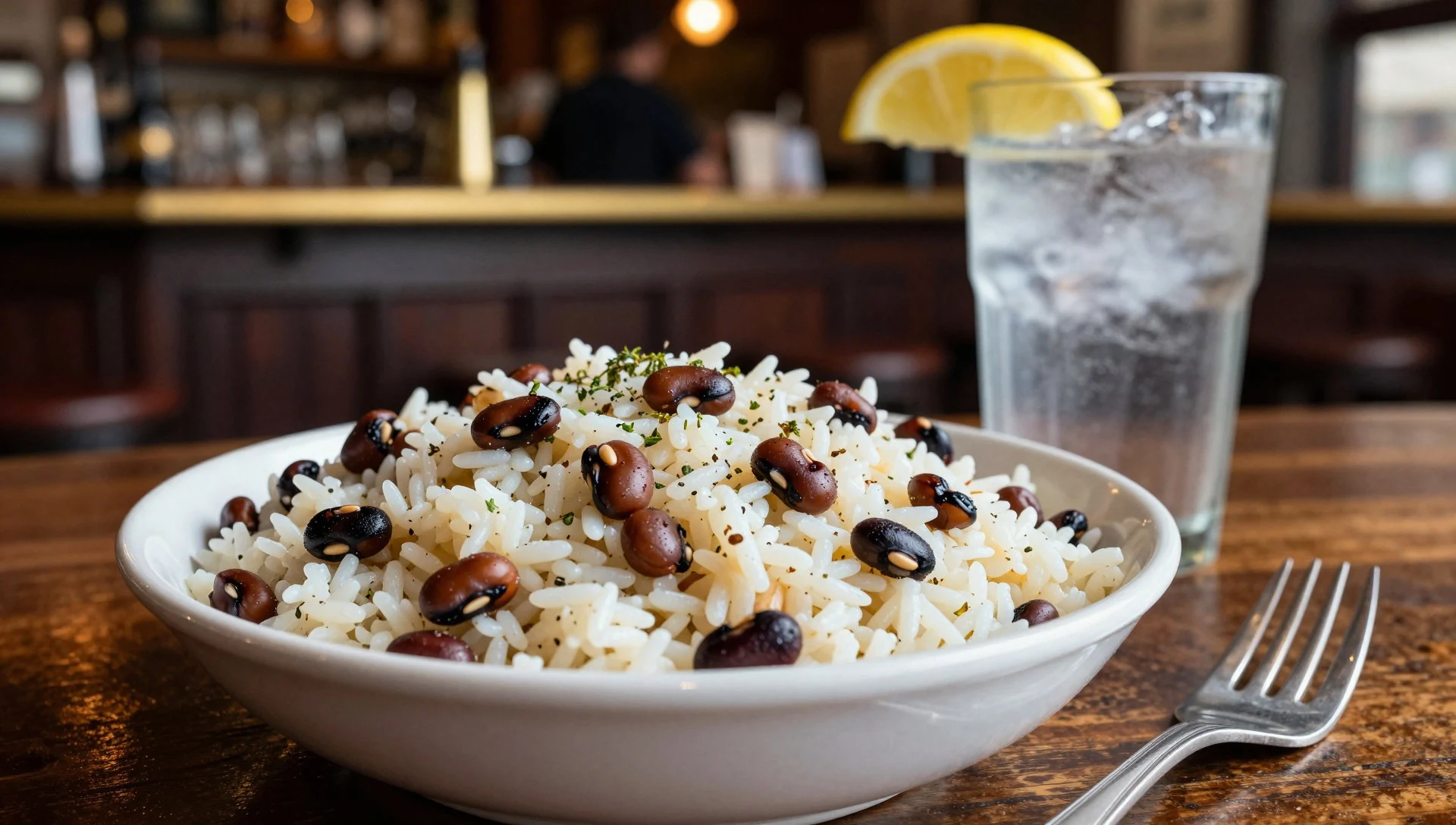
- Cassava pie — Local markets and market stalls
Cassava pie uses cassava as a base (farine is an alternate base). Traditionally it’s eaten around Christmas, but it’s increasingly findable year-round in local markets when you’re browsing for snacks. - Bay grape jelly — Local markets and food shops
Bay grape jelly comes from bay grapes, introduced as a windbreak. It’s an easy local taste to sample as a spread or accompaniment, and it often appears in markets and local food counters. - Rum Swizzle — Hotel bars and local pubs
Rum Swizzle is a strong rum cocktail with Demerera rum and Jamaican rum, mixed with citrus juices, and sometimes brandy. It’s usually something to try in the evening after you’ve warmed up post-caves.
Plan it
Best time. April and November for mild, comfortable visiting; March–April suits daytime sightseeing, while October–November often feels calmer for outdoor plans around Hamilton Parish. June is the rainy season and August is typically hot and humid, so cave time is the escape then.
How long. 2–3
Getting there. Fly into Bermuda’s airport, then continue by local bus (note luggage limits) or taxi to the Hamilton Parish area near Castle Harbour; the Crystal Caves site sits off Crystal Caves Rd and Wilkinson Ave.
Budget. mid
Tips
- Aim for an early start to avoid thicker visitor groups in the cave route
- Pack a light layer for the cooler underground temperatures
- Bring shoes with grip—cave paths can feel damp
- If Fantasy Cave is on the plan, allow time for the 88 steps down
- Keep a small amount of cash for small purchases and markets around the island
Etiquette
- Keep to the marked paths and avoid touching rock formations
- Follow staff directions during guided movement through narrow sections
- Use polite greetings (“good morning/afternoon/evening”) when speaking with staff or shop assistants
Nearby
Sources
- Wikidata Q3304574 (CC0)
- Wikipedia (rev 1361753903) (CC BY-SA 4.0)
- Wikivoyage (rev 5413597) (CC BY-SA 4.0)
- Photo photos/01-crystal-cave-bermuda-1.jpg (CC BY 3.0)
- Photo photos/02-crystal-cave-bermuda1.jpg (CC BY 3.0)
- Photo photos/03-crystal-cave-bermuda-2.jpg (CC BY 3.0)
- Photo photos/04-crystal-cave-bermuda-3.jpg (CC BY 3.0)
- Photo photos/05-img-0343fantasy.jpg (CC BY 3.0)
- Photo photos/06-img-0351fantasy.jpg (CC BY 3.0)
- Photo photos/07-bermuda-uk-image-number-215-at-crystal-caves-in-bermuda.jpg (CC0 1.0)
- Photo photos/08-bermuda-photos-number-21-assorted-rocks-in-gift-shop-at-crys.jpg (CC0 1.0)


