Cozumel
Cozumel, Mexico
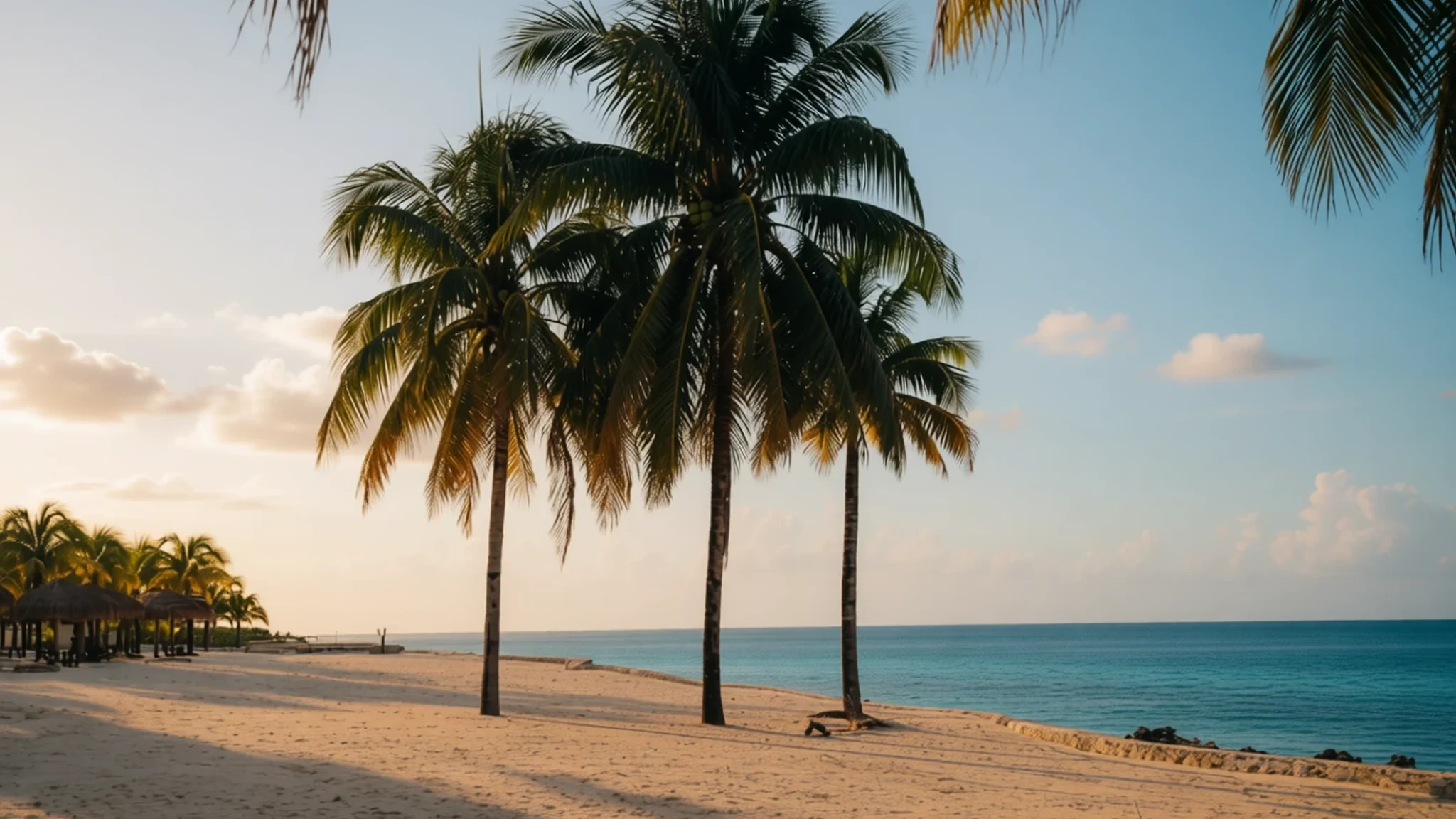
Cozumel suits a slow Caribbean island trip built around the sea, the cenotes and a town with a long Maya past.
The place
Cozumel is a Caribbean island lying just off the eastern edge of the Yucatán Peninsula, across a channel from the resort town of Playa del Carmen. It belongs to the Mexican state of Quintana Roo and is the country's largest Caribbean island and its largest permanently inhabited one. Most of its people live in San Miguel, the main town, where restaurants, bars, shops and outdoor stages cluster together. The island is low and flat, built on limestone, so its highest natural point stands under 15 metres above the sea. That limestone has a second story. Rainwater has dissolved it over thousands of years, leaving water-filled sinkholes called cenotes. Many are hidden under dense growth, and a few are open to visitors, among them the Jade Cavern near El Cedral. Mangrove forest covers large stretches of the island and shelters animals found nowhere else. Tourism carries the local economy: cruise passengers come ashore for the day, while divers, snorkellers and anglers tend to stay longer. In 2023 the Mexican government named Cozumel a Pueblo Mágico, recognising its cultural and historical weight. The climate is tropical and warm, close to monsoon in its wetter spells.
Its story
Cozumel's human story begins long before European ships arrived. Archaeologists have identified more than thirty sites on the island, ranging from large inland settlements to small coastal altars, and some of the coastal ones have been lost to modern building. Occupation stretches back to the Late Preclassic era, around the turn of the common era, and continues until the Spanish appeared in the early sixteenth century. From the mid-thirteenth century the island grew into a busy port and pilgrimage destination. Its honey and wax industries flourished, and it sat on a coastal trade route linking the Yucatán shore with lands farther south. Devotees made the sea crossing to pay homage to Ixchel, a Maya deity tied to the lunar cycle, labour and delivery, and the making of textiles. Merchants from the Chontal Maya region may also have made a home on the island. San Gervasio was the island's principal city. Its groups of buildings were joined by raised causeways called sacbés, and it reached its height in the Late Postclassic period, roughly from the mid-thirteenth century to the mid-sixteenth. In 1518 Juan de Grijalva's expedition reached the island, and the following year Hernán Cortés stopped on his way to Veracruz. Both were received peacefully. Islanders kept resupplying Spanish ships even after Cortés removed Maya idols and put up an image of the Virgin Mary. Much later, in 1848, villagers fleeing an attack during the Caste War of Yucatán settled on the island, and their story still shapes local festivals.
What to see
- San Gervasio — Inland archaeological zone
The most important ancient city on Cozumel, San Gervasio is a ruin complex of several architectural groups linked by raised roads. Walk slowly between the stone structures to see how the settlement once connected to a wider network across the Yucatán. Go early in the day, when the heat is gentler and the paths are quieter, and bring water and a hat, since shade is limited.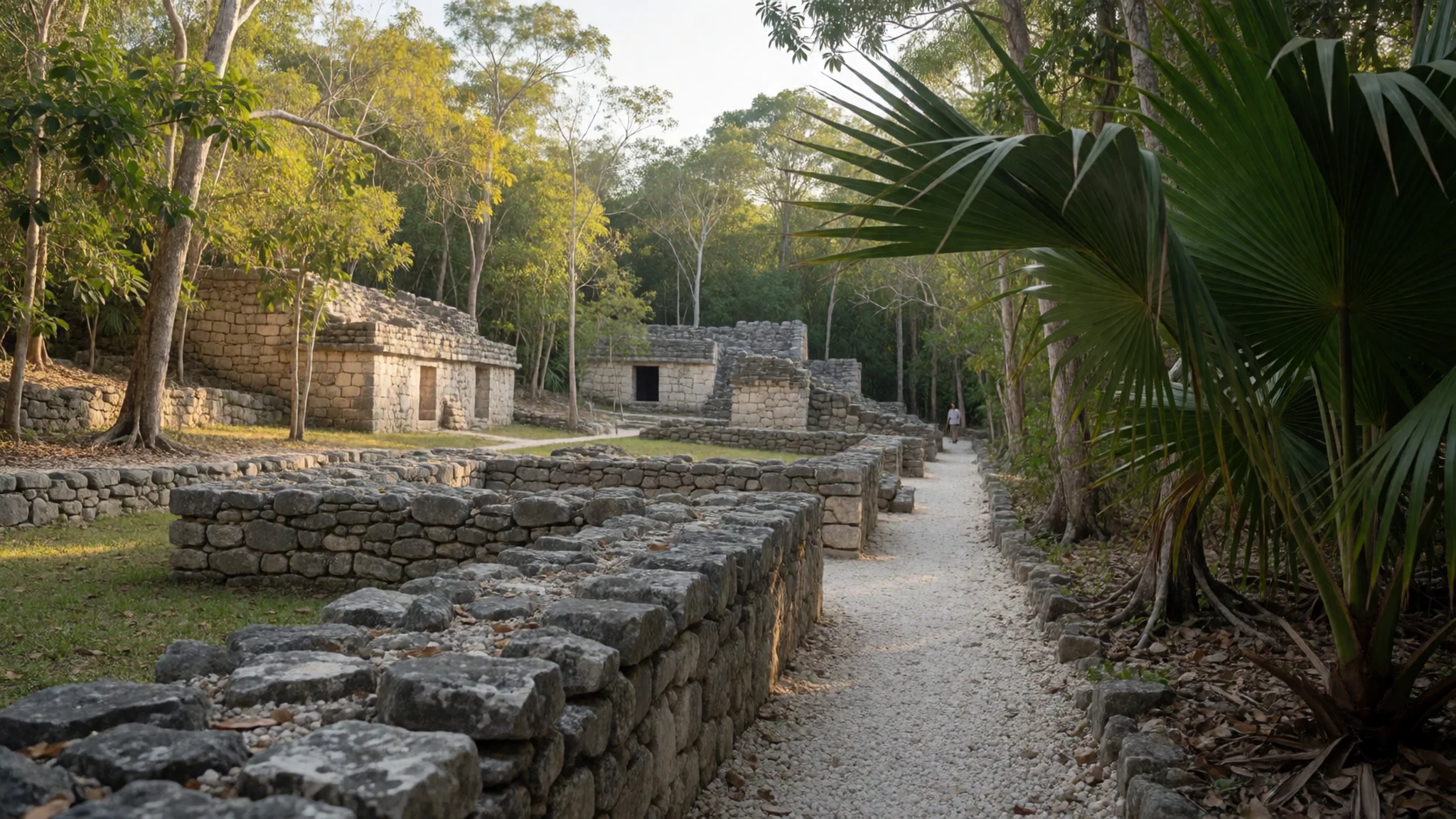
- San Miguel de Cozumel — The island's main town
San Miguel holds most of the island's population and is the place to find restaurants with many different cuisines, along with bars, cinemas and outdoor stages. It is busiest when cruise passengers arrive, so the early morning and evening are calmer for wandering. Spend an hour on the streets around the central square, then compare prices between shops near the port and those a few blocks inland.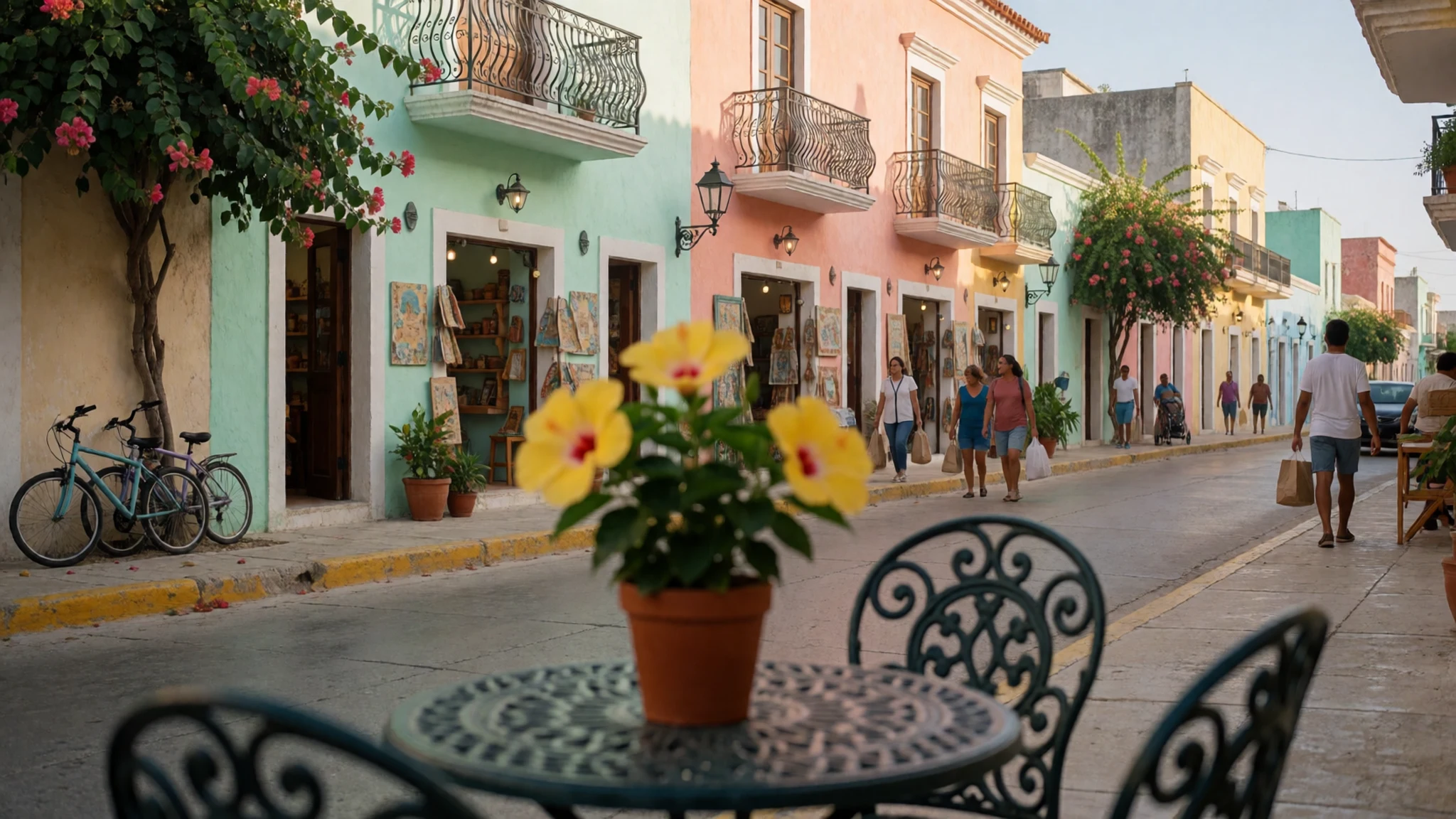
- Jade Cavern (Cenote Chempita) — Near El Cedral, in the south of the island
One of the best-known cenotes on Cozumel, the Jade Cavern is a water-filled sinkhole formed as rain slowly dissolved the island's soft limestone. It is often visited on organised trips, so arriving early helps you avoid the largest groups. Water shoes and a towel are useful, and you should follow the guides' instructions around the edges.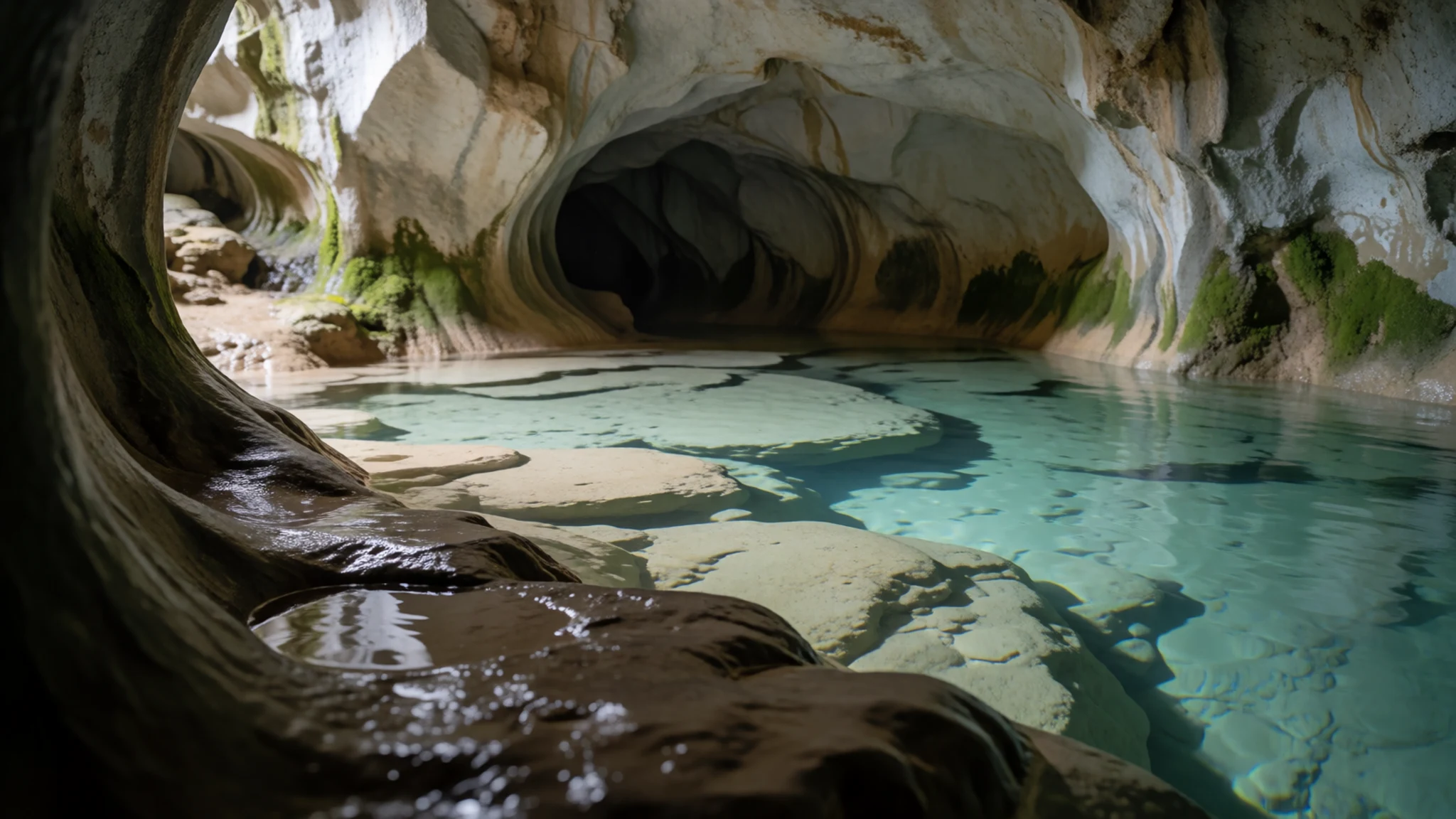
- El Cedral and its festival — Southern part of the island
El Cedral is the town where the Festival of Santa Cruz is held at the end of April or the start of May. The celebration lasts around five days and mixes religious observance with fairs, feasts, rodeos, bullfights and music. Visiting during the festival gives you a closer look at local life, but accommodation and transport fill quickly, so book well ahead.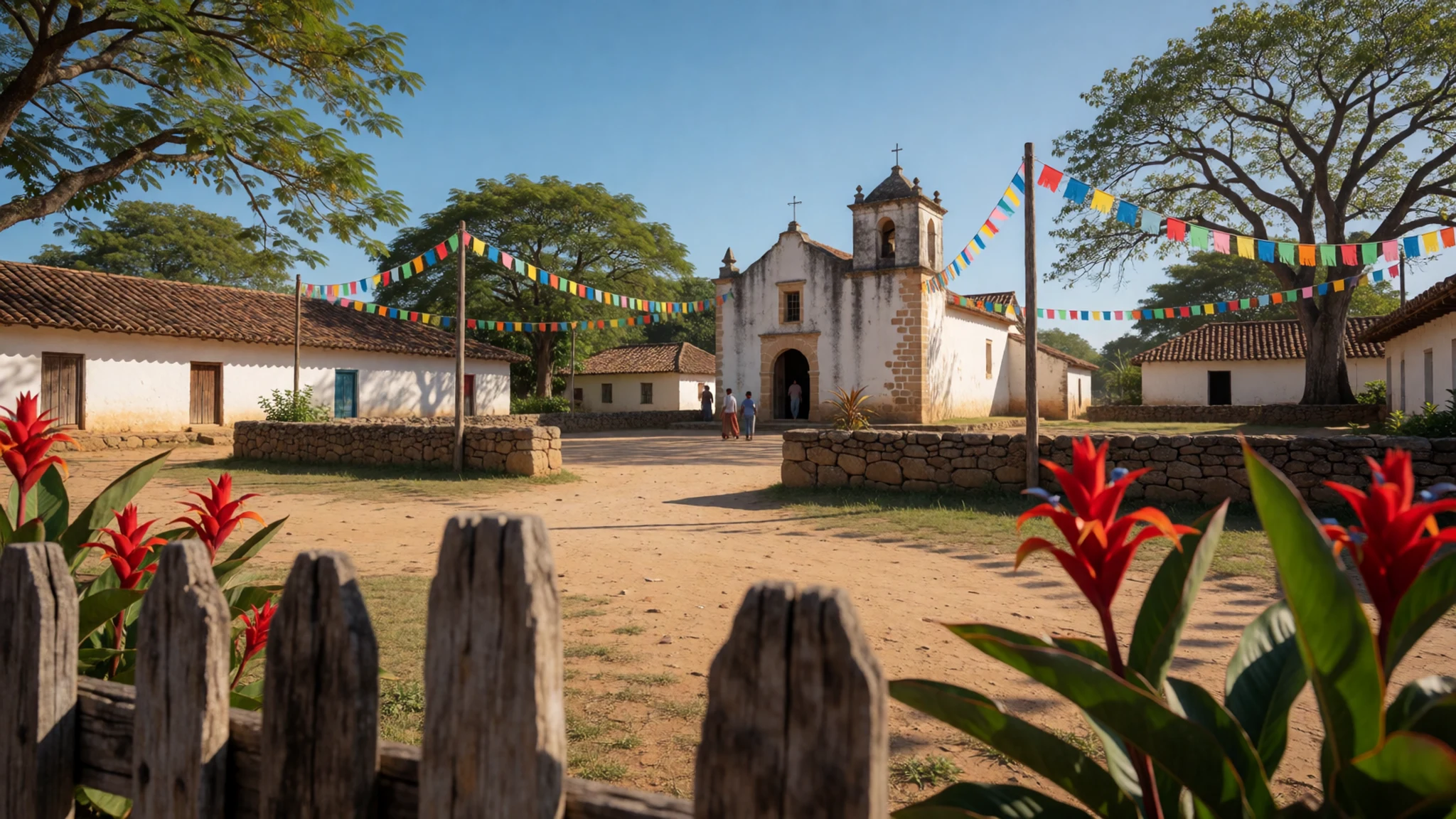
- Pearl farm on the north edge — North edge of the island
The island has the only working pearl farm in the Caribbean, located on its northern edge. It is a rare chance to see how cultured pearls are grown and cared for, and it makes a relaxed contrast to the diving and beach days. Check the opening arrangements before you travel, as they may change through the year.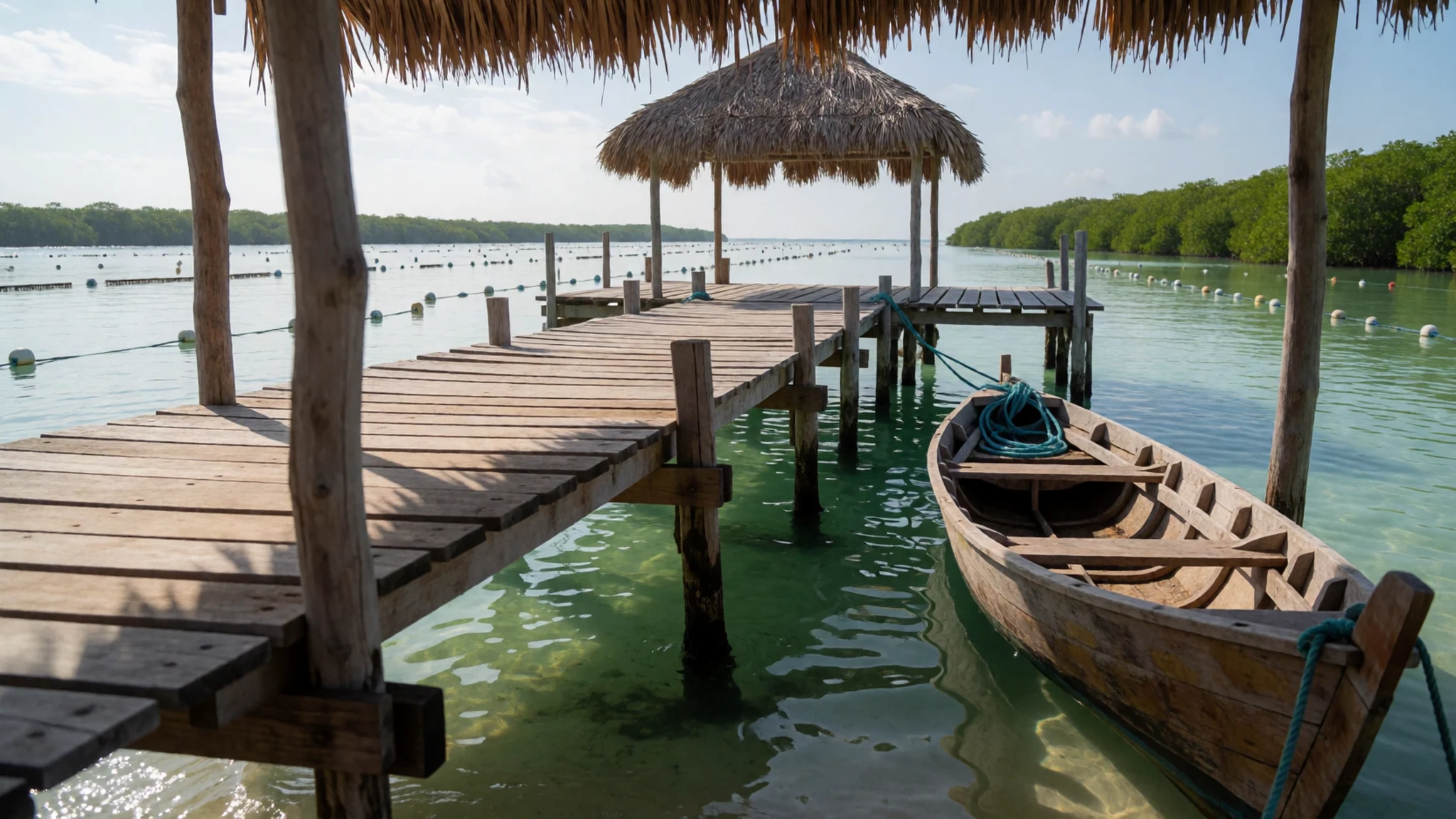
Culture
Cozumel's calendar is shaped by two big celebrations. The Festival of Santa Cruz at El Cedral, in the south of the island, grew out of a vow made by a man who survived an attack in 1848 while holding a small wooden cross. Held at the end of April or the start of May, it runs for about five days and combines religious observance with fairs, feasts, rodeos, bullfights and music. Carnival, Carnaval de Cozumel, fills the streets with parades in the week before Mardi Gras in February. It has been celebrated since the late nineteenth century and reflects a mix of cultures that came to the island over generations. Religious life remains important, so dress modestly when you visit a church and keep your voice low during services. Ask before photographing people at festivals, especially those taking part in religious processions.
What to wear
Cozumel has no single traditional dress that the sources for this reading describe, so the clothing worth knowing is tied to its festivals, where costume and dance go with the celebrations. At Carnival, parade costumes and masks are the visual heart of the week. The Santa Cruz festival at El Cedral brings rodeo gear and the dress of its feasts and dances into view. Across Mexico, the embroidered cotton blouses and full skirts associated with Maya communities are the best-known textile tradition, and you will see versions of them in markets on the mainland, though these sources do not document their use on the island. Most islanders today dress as people do in any warm resort town: cotton, linen, shorts and sandals by day, and smarter clothes for evenings in San Miguel. For a visitor, pack loose, light cotton or linen, a hat and high-factor sunscreen for the open sun, and a cover-up for walking from the beach into town. Swimwear suits beaches and boats but not churches or the town centre. For boat trips and rocky shores, choose closed reef shoes or water sandals rather than flip-flops, and bring a light layer for air-conditioned restaurants.
What to eat
- Seafood and fresh fish — Restaurants in San Miguel de Cozumel
An island town is a natural place for fish and shellfish, and San Miguel's restaurants offer a range of cuisines that includes seafood. Ask what came in that day, and check whether the dish is priced by weight or by plate. Lunch is often a more relaxed and affordable time to try a seafood meal than dinner in the busiest streets.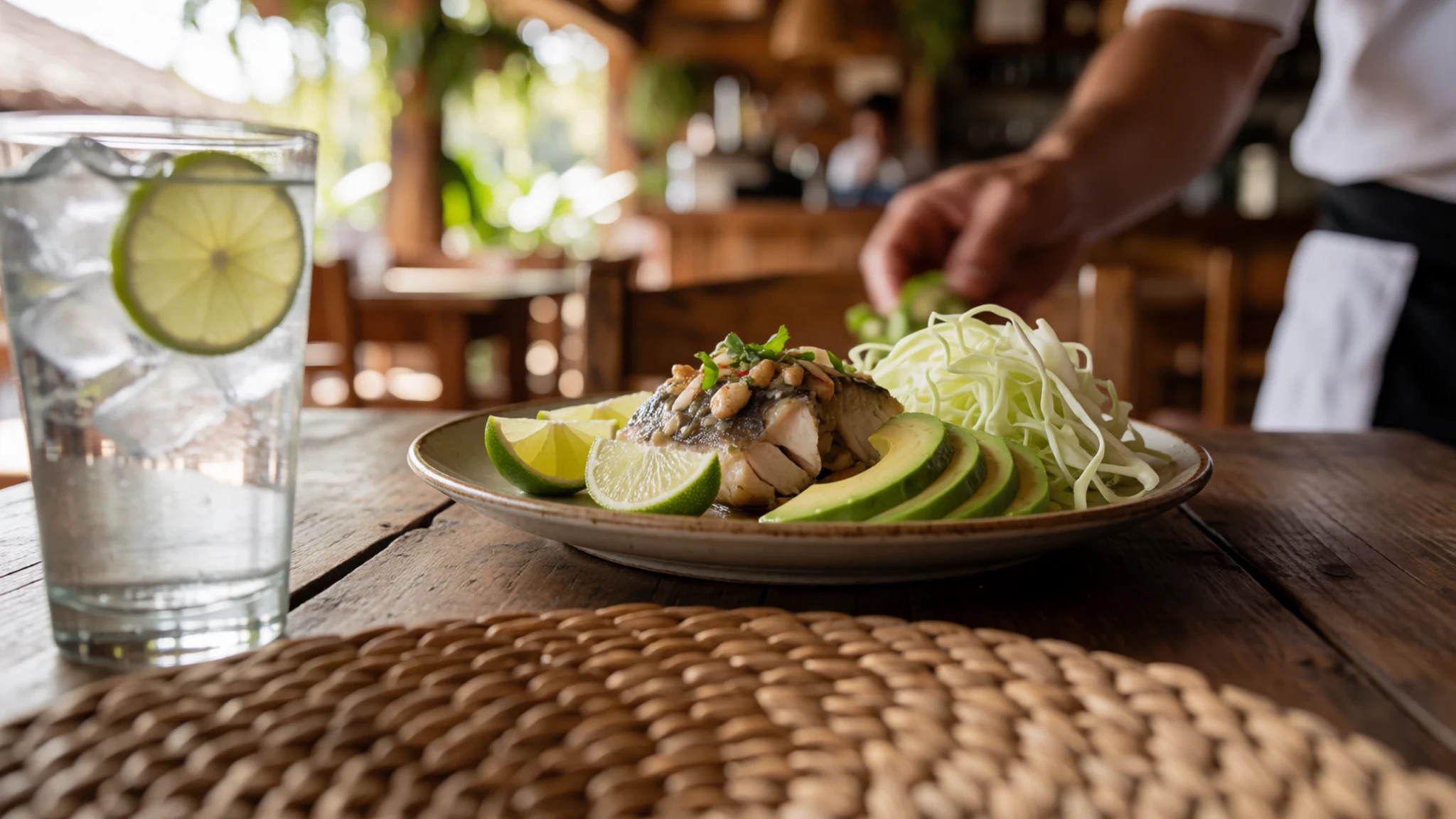
- Fresh fruit drinks — Juice stalls and small cafés in the town centre
Freshly blended fruit drinks are widely available across Mexico, and they are an easy way to cool down between beach and town. Ask for them without added sugar if you prefer. Choose stalls where the fruit is cut to order and the ice looks clean, and drink bottled or filtered water for everything else.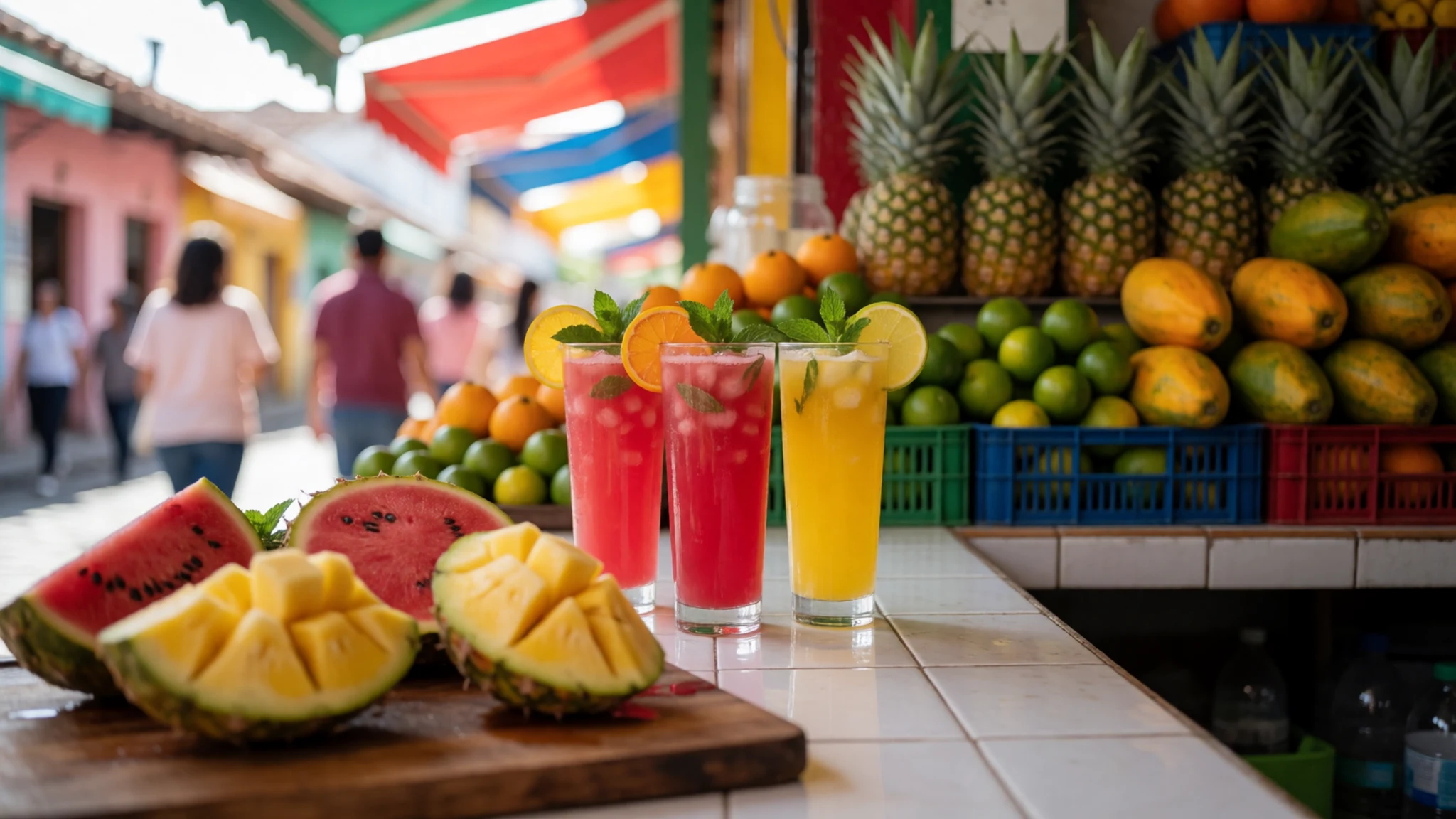
- Catch from a charter trip — Waterfront restaurants near the marina
Charter fishing is a major activity around the island, so many visitors bring a catch back to shore. Ask the boat crew about a local restaurant that will cook it for you, and agree on preparation and the price beforehand. This is a good way to make a fishing day into a meal. - Coffee and pastries — Cafés and bakeries in San Miguel
Cafés and bakeries in the town centre are good places to start a morning before the cruise crowds reach the streets. Ask for a café de olla or a simple black coffee if you want something local in style, and expect to pay in cash at smaller counters. They are also useful for a quick break between sights.
Plan it
Best time. The dry season runs from February to April and is the easiest window for warm weather and calmer seas. The wet season covers most of the year, peaking in September and October, and hurricane season runs June to November. April is the hottest month, with highs near 48 °C. Check current forecasts before you fix dates.
How long. 3–4
Getting there. Fly into Cancún, then take a ferry from Playa del Carmen across the channel to the island; check current ferry timetables before booking.
Budget. mid
Tips
- Book ferries and dive or snorkel trips ahead, especially around Carnival and the April festival
- Visit the cenotes and the ruins early, before cruise passengers arrive in town
- Carry cash for small stalls and markets, since cards are less common there
- Drink bottled or filtered water and pack sunscreen suited to the reef
- Choose a dive or snorkel operator that gives a clear safety briefing
Etiquette
- Dress modestly when you enter a church or join a religious procession
- Ask before photographing people, especially at festivals
- Keep to marked paths at ruins and cenotes, and do not touch the rock
Nearby
Sources
- Wikidata Q20135620 (CC0)
- Wikipedia: Cozumel (rev 1378535034) (CC BY-SA 4.0)
- Wikivoyage: Veracruz (state) (rev 5313913) (CC BY-SA 4.0)