Cotswolds
Cotswolds, United Kingdom
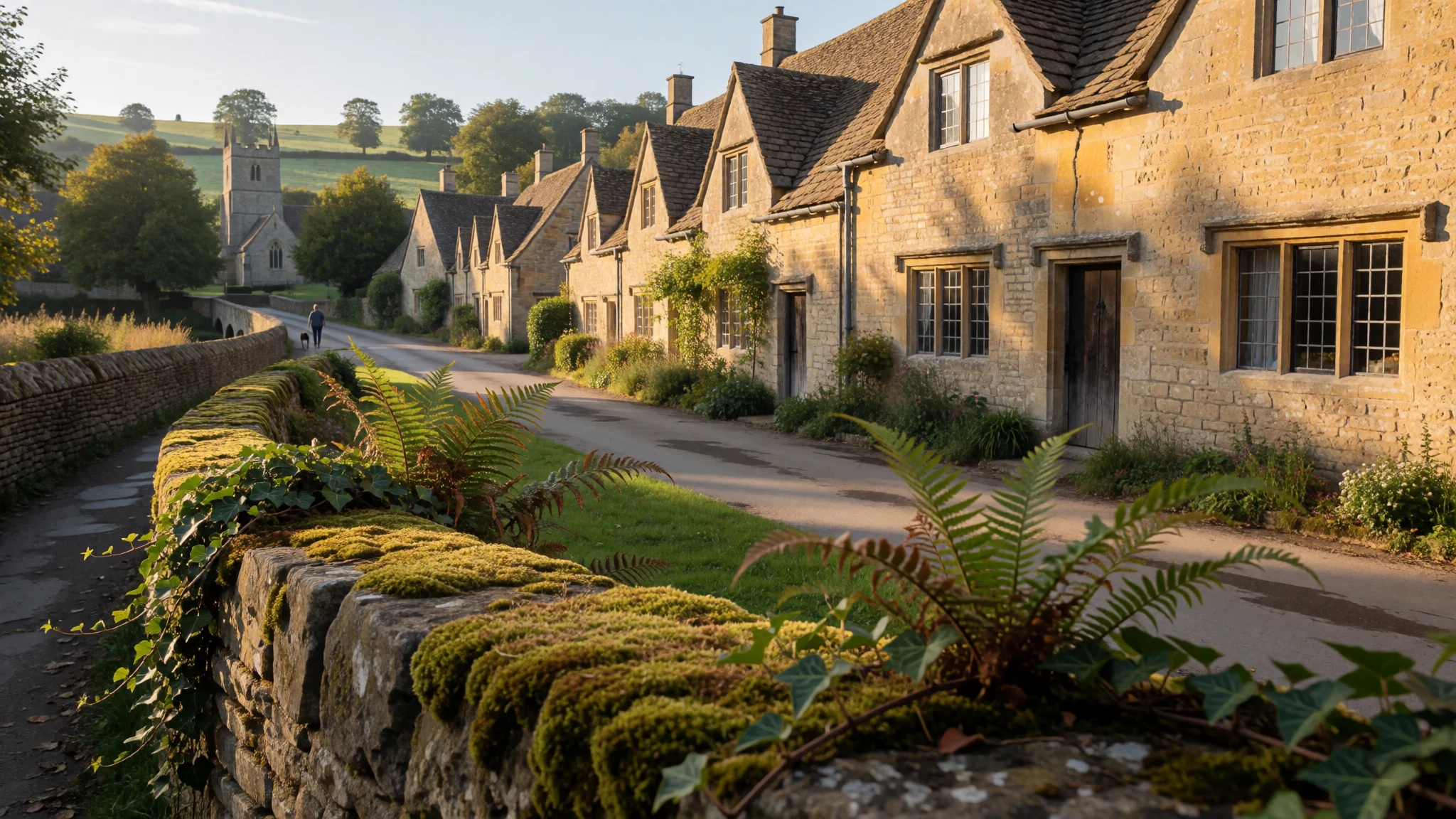
Golden limestone villages, quiet country lanes, and rolling grassy hills make the Cotswolds a quintessential English retreat.
The place
The Cotswolds region unfolds across south-central England as a sweeping ridge of rolling limestone hills and quiet river valleys. Bound by gentle meadows on one side and steep escarpments on the other, the landscape is defined by its warm yellow oolitic stone, quarried locally for centuries to build hamlets, manor houses, drystone walls, and parish churches.
Settlements across the territory range from sleepy stone hamlets nestled beside shallow streams to market towns centered around historic high streets. Swelling green pastures give way to beech woodlands and ridge tops that offer broad views across neighbouring river basins. At its highest elevation, the ground reaches 330 metres above sea level, providing wide vistas over the surrounding countryside.
Wandering through the region reveals a countryside shaped by agriculture and conservation. Designated as a protected landscape since 1966, the area preserves a quiet rural rhythm where sheep graze on hillside pastures and clear streams flow through water meadows. Steep lanes drop down into shaded valleys, connecting timber-framed barns, ancient stone bridges, and cozy village squares.
Because the region spans multiple English counties, its character subtly shifts from the softer valley floors in the south to the dramatic western crests. Visiting means adapting to a slower pace of travel, whether navigating narrow single-track lanes between honey-coloured hamlets, walking historic footpaths across grassy ridges, or watching evening light settle over church towers and slate roofs.
Its story
The story of the Cotswolds is deeply etched into its geology and ancient trade routes. Millions of years ago, warm prehistoric seas deposited dense beds of fossil-rich limestone, creating a terrain filled with ancient sea life and stone suited for carving. Early human settlements left their mark through prehistoric burial mounds and hilltop earthworks along the ridge edges.
During the Roman occupation, paved roadways like the Fosse Way carved straight lines through the hills, connecting garrisons, towns, and grand country villas. Centuries later, the region transformed into an economic powerhouse during the Middle Ages. The introduction of the famous Cotswold Lion breed of sheep produced exceptionally fine wool, highly prized across continental Europe.
Wealth generated by medieval wool merchants poured directly back into the landscape. Local traders funded grand stone places of worship, known as wool churches, adorned with elaborate carvings and tall towers that still dominate village skylines. These architectural monuments stand as lasting symbols of the golden age of English textile trade.
Even the origins of the name Cotswolds carry historical intrigue. Scholars suggest the name traces back to an Old English term meaning high open land belonging to a leader named Cod, or perhaps connects to an ancient Celtic mother goddess named Cuda who was revered across these hills. In modern times, the region has transitioned from a medieval wool hub into a tranquil rural retreat, cherished for its preserved heritage and classic English charm.
What to see
- Bourton-on-the-Water — Central Cotswolds
Bourton-on-the-Water: Set along the gentle River Windrush, this low-lying village features low arched stone bridges crossing clear water. Traditional tea rooms, stone cottages, and quiet waterside walks make it a serene location for exploring classic regional architecture and peaceful riverbanks.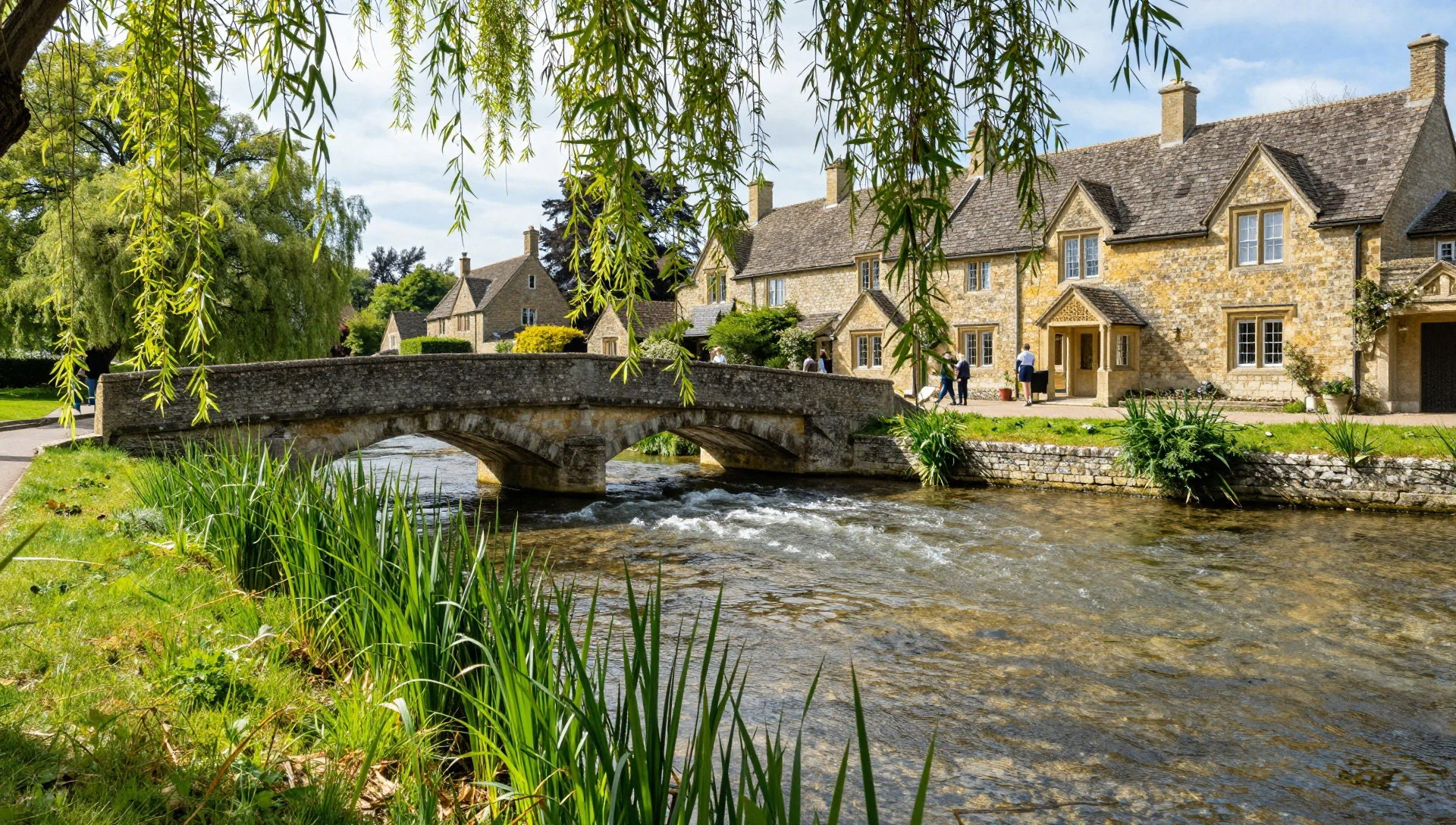
- Chipping Campden — North Cotswolds
Chipping Campden: Located in the northern hills, this historic market town is famous for its long, curving High Street lined with golden limestone buildings. Highlights include a covered seventeenth-century market hall, medieval wool merchant houses, and the towering local parish church.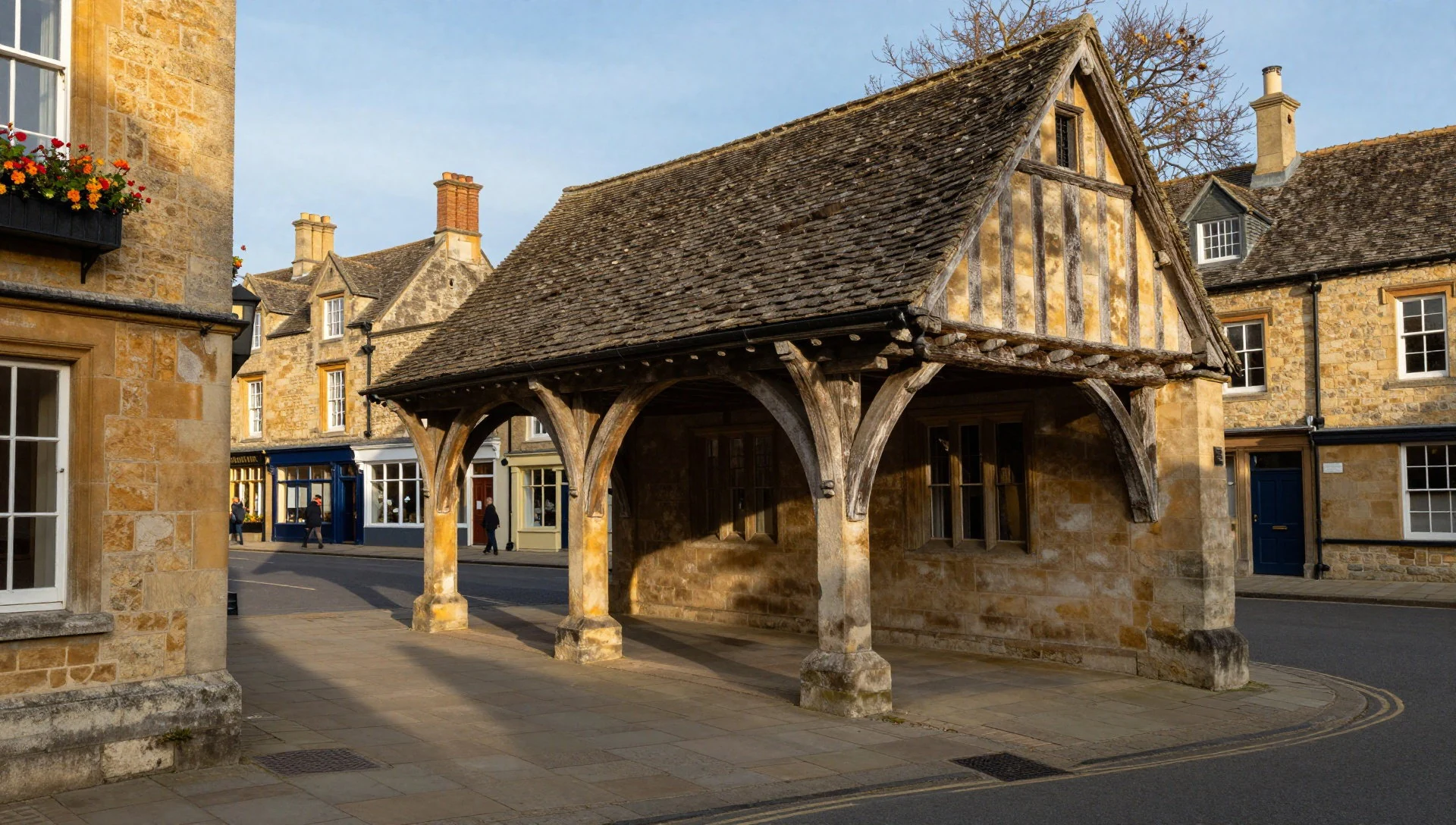
- Chedworth Roman Villa — Near Cirencester
Chedworth Roman Villa: Tucked into a secluded wooded valley, this ancient archaeological site displays some of the finest Roman mosaics and underground hypocaust heating systems in Britain. Elevated wooden walkways take visitors through excavated stone foundations, bathhouses, and peaceful woodland surroundings.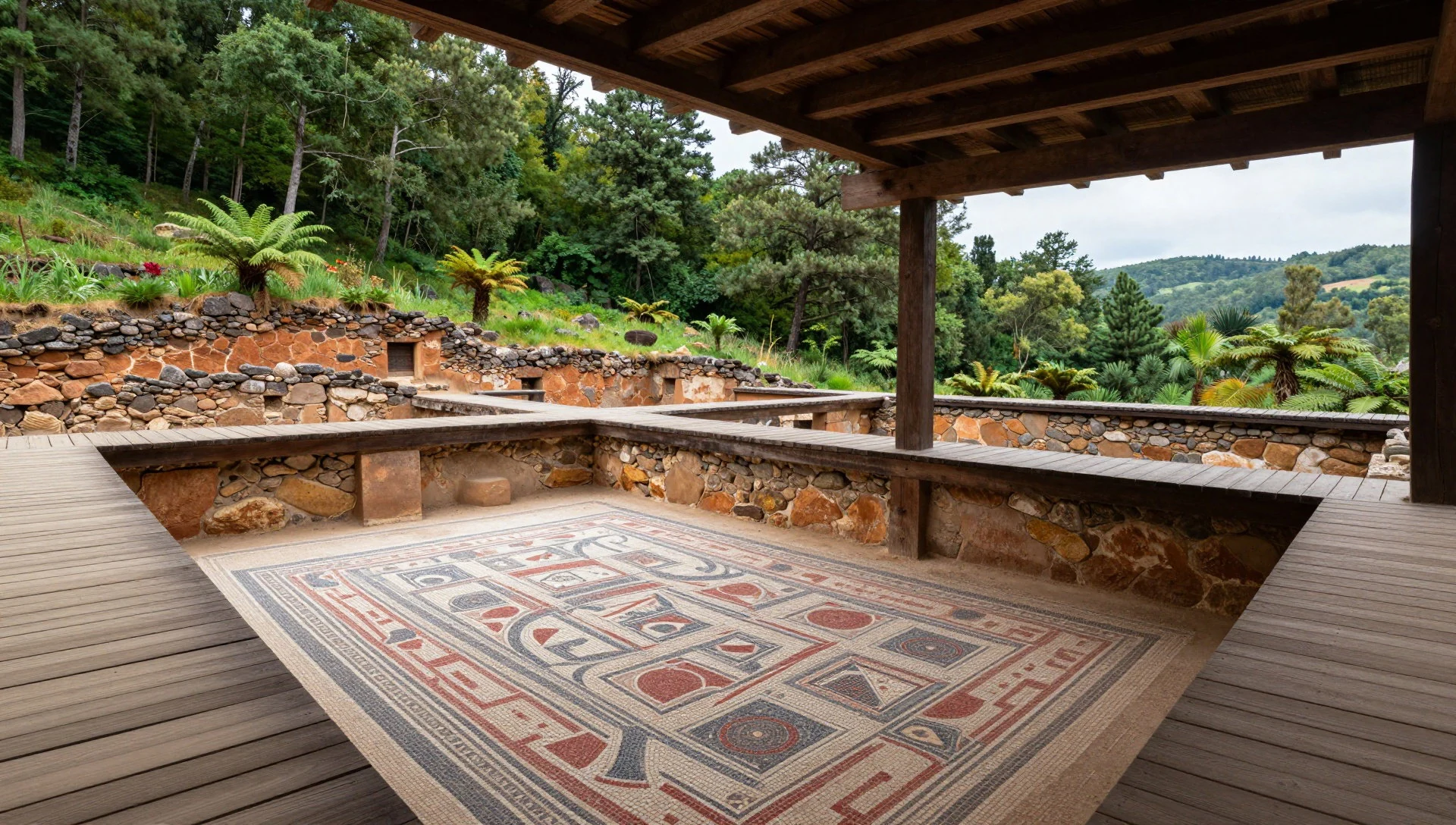
- Painswick — Mid Cotswolds
Painswick: Perched gracefully on a steep hillside, this historic wool town is known for its narrow lanes and honey-coloured stone cottages. Its central churchyard is celebrated for clipped yew trees and magnificent historic chest tombs crafted by seventeenth- and eighteenth-century stonemasons.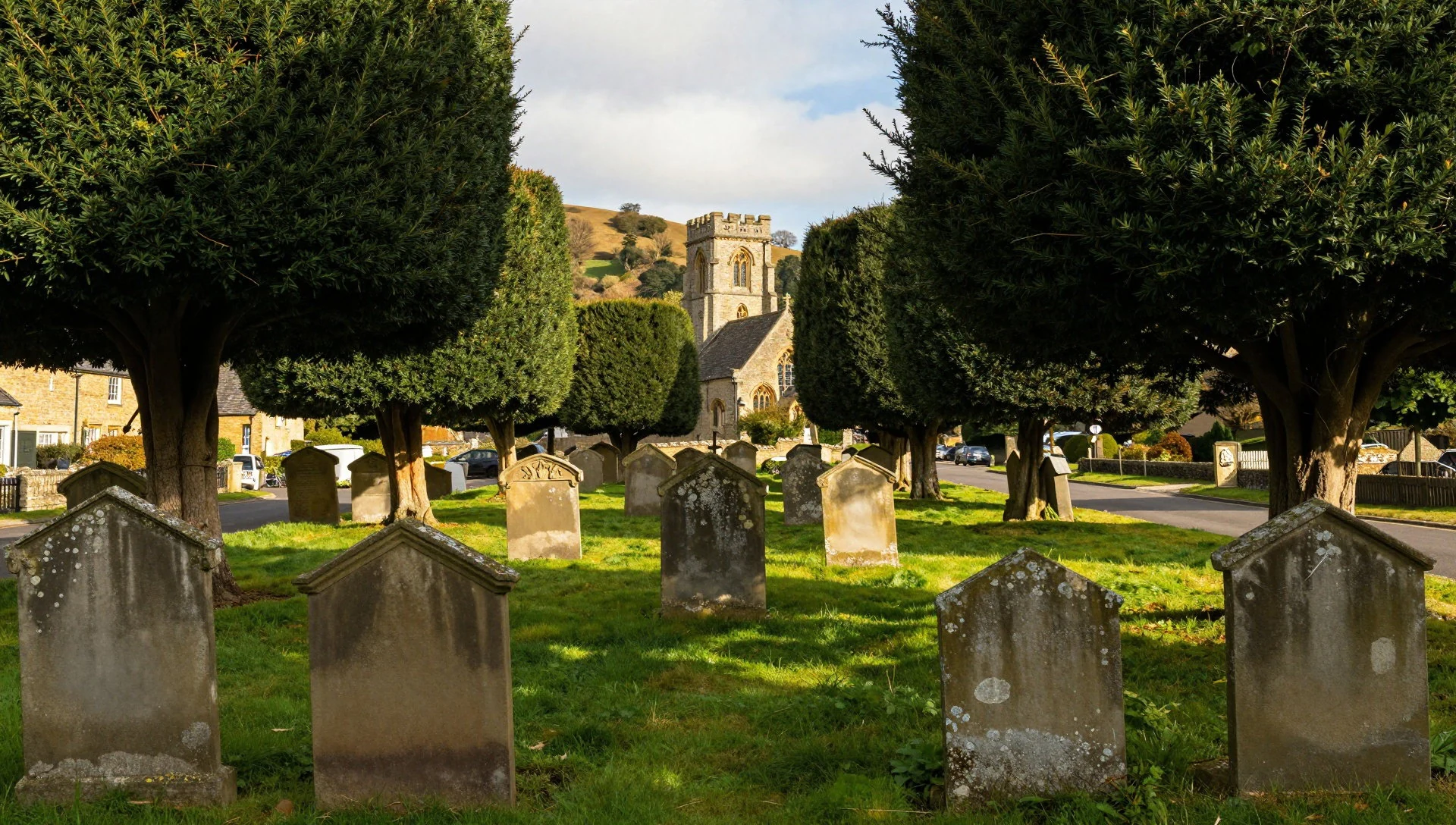
- Stow-on-the-Wold — North Cotswolds
Stow-on-the-Wold: Sitting atop a high hill, this ancient market town was once a central gathering hub for regional wool trade fairs. Its broad central market square features historic stone inns, antique shops, and a famous church doorway framed by ancient yew trees.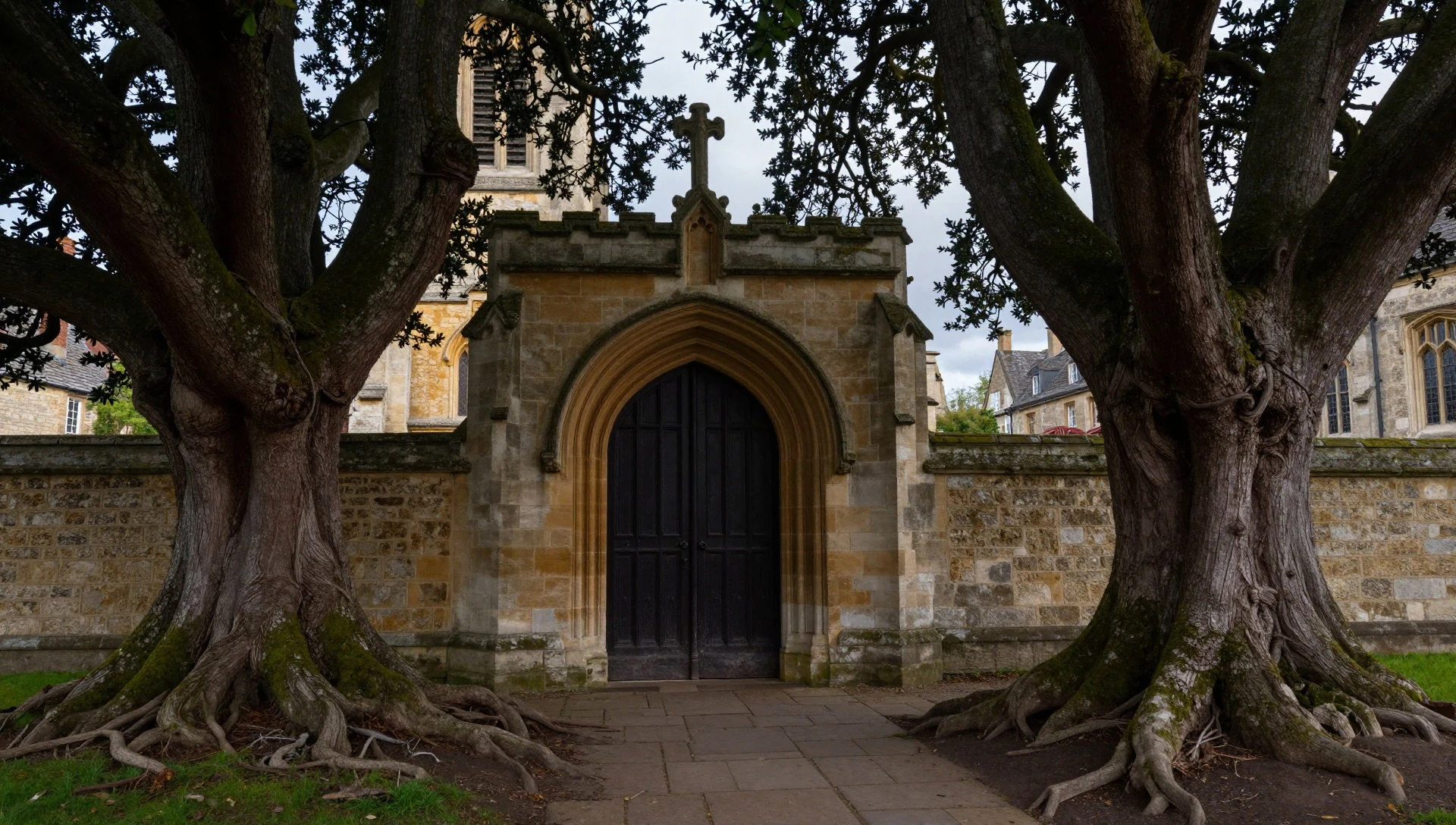
Culture
Life in the Cotswolds rotates around countryside traditions, agricultural cycles, and village community gathering spots. Local identity remains strongly connected to the land, where livestock farming, drystone walling, and stone conservation have been passed down through generations. Pubs, village greens, and parish halls serve as central meeting points for seasonal festivals, flower shows, and weekend gatherings.
Craftsmanship plays a significant role in the local culture, with stonemasons, carpenters, and artisans maintaining historic building techniques across traditional stone cottages and estate gardens. Walking is a way of life here; extensive networks of public footpaths crisscross pastures, woods, and private farm estates, allowing residents and visitors to explore the landscape on foot.
Respecting the working rural environment is an important part of life in the region. When walking across farm fields and public footpaths, always close agricultural gates behind you and keep dogs on leads near livestock.
What to wear
Clothing in the Cotswolds has long been shaped by rural heritage, agricultural work, and unpredictable English weather. Historically, heavy wool textiles and hand-woven tweeds were crafted from local fleeces to provide warmth and durability against hill winds. Tweed jackets, woollen caps, and sturdy leather boots formed the classic working wardrobe of shepherds, farmers, and estate workers.
Today, residents favour practical yet refined country attire. Earthy tones such as olive green, mustard, and deep brown dominate everyday wardrobes. Waxed cotton jackets, quilted coats, soft knitwear, and sturdy leather boots or wellingtons are standard daily wear for walking dogs, visiting markets, or gathering in village pubs.
For visitors, preparing for variable weather and muddy terrain is essential. Dress in easily removable layers, such as a breathable base layer under a warm wool sweater, topped with a windproof and waterproof coat. Sturdy, waterproof walking boots or wellies are crucial for navigating grassy public footpaths and wet country lanes comfortably.
What to eat
- Cotswold Lamb Roast — Traditional village pubs and country inns
Succulent roasted lamb sourced from local hillside pastures, traditionally served with roasted root vegetables, Yorkshire pudding, and mint sauce. A staple Sunday lunch enjoyed across traditional village pubs and country inns.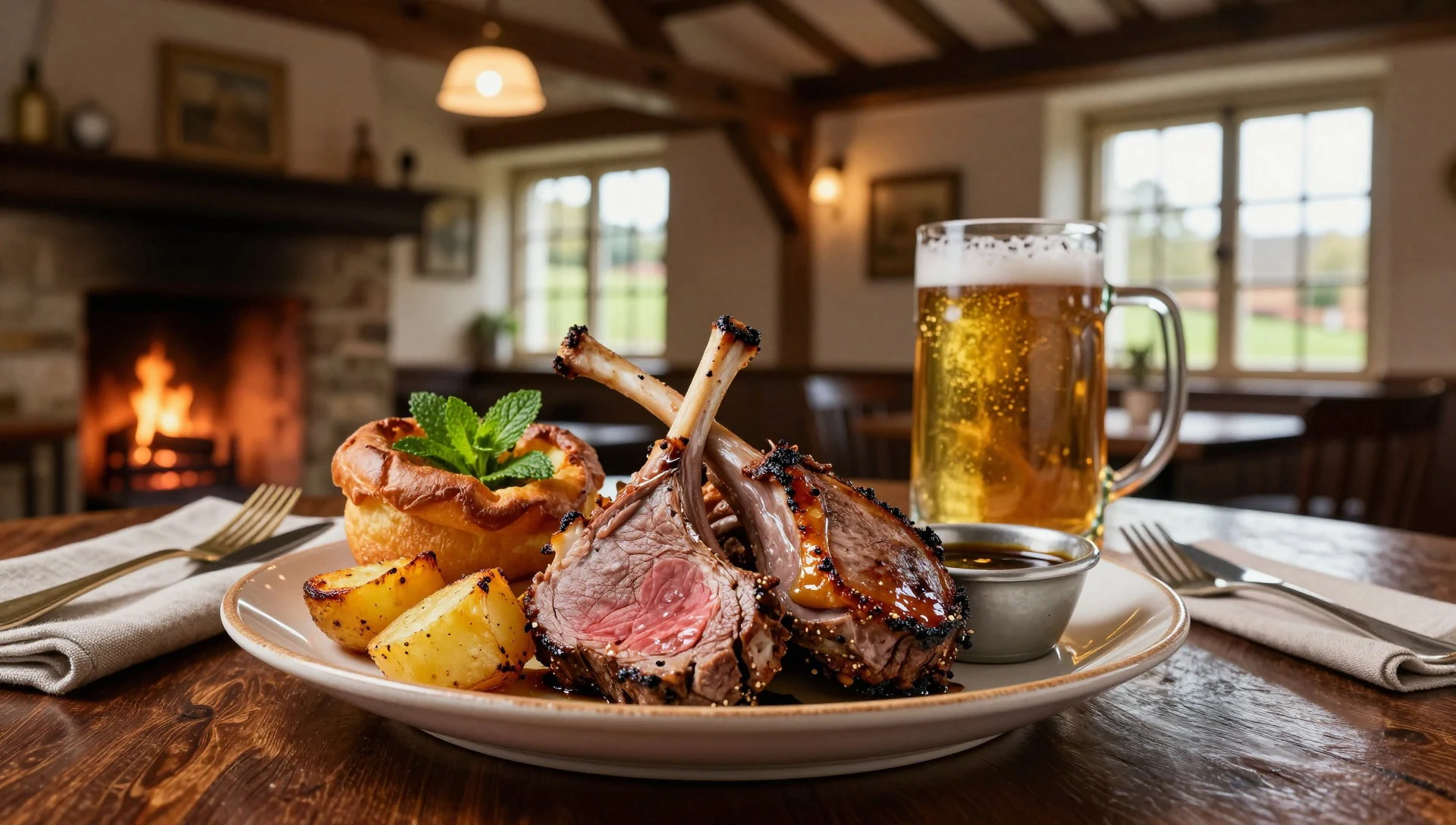
- Double Gloucester Cheese — Farm shops and village delicatessens
A rich, creamy, semi-hard cheese crafted from local cow milk, known for its buttery texture and mellow flavour. Often paired with crusty bread, chutneys, and local ales.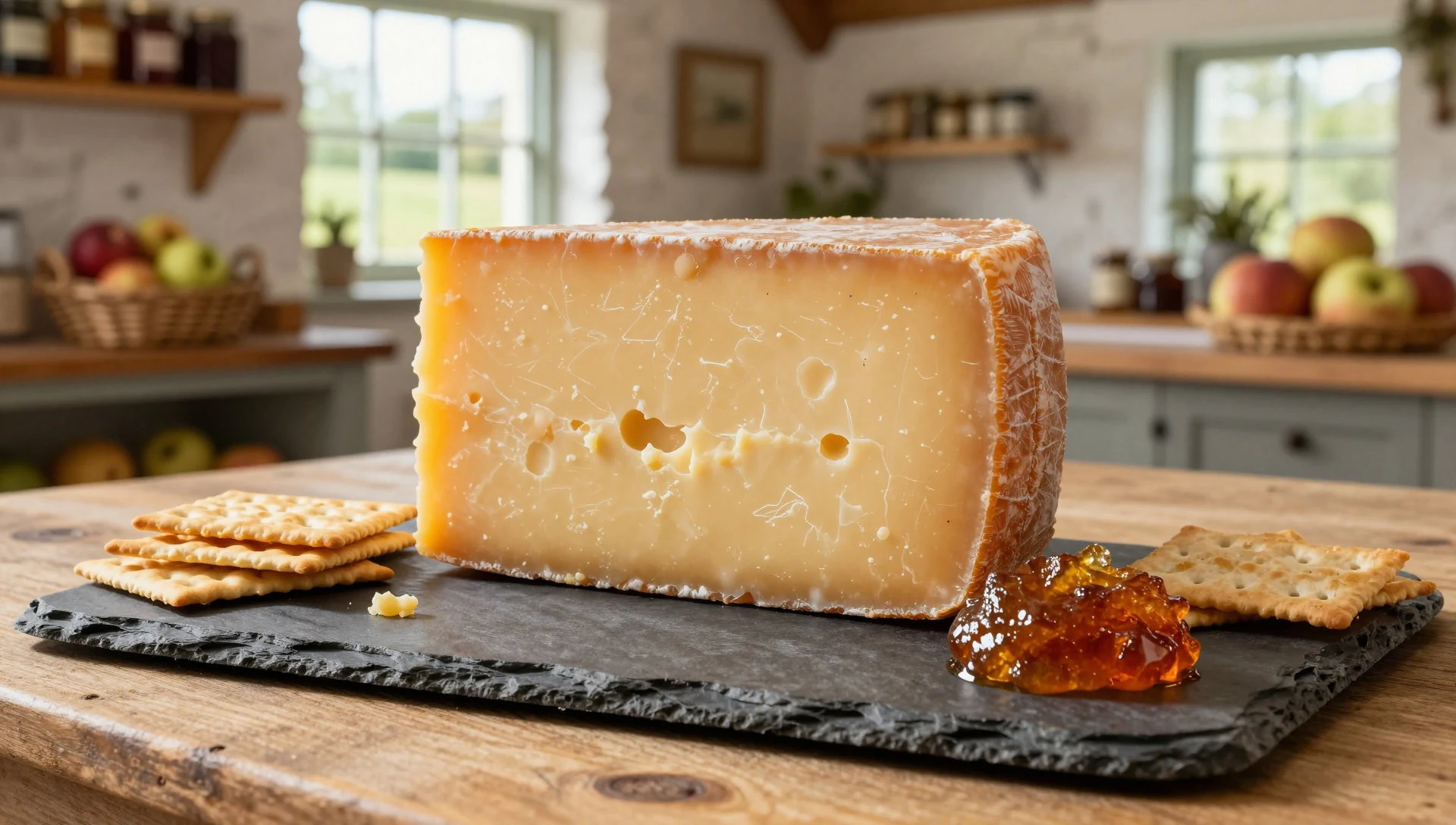
- Traditional Cream Tea — Village tea rooms and historic bakeries
Freshly baked warm scones served with thick clotted cream, sweet strawberry jam, and a pot of hot English tea. A quintessential afternoon treat enjoyed in historic tea rooms. - Local Craft Cider & Ale — Country taverns and local brewery taps
Crisp apple ciders and traditional cask ales brewed locally using regional apples and hops. Best enjoyed fireside in a cozy tavern after a day of countryside walking. - Lardy Cake — Village bakeries and weekend market stalls
A rich, spiced yeast cake layered with dried fruit, sugar, and rendered lard, baked until sticky and caramelised. A traditional baker's treat enjoyed warm with a cup of tea.
Plan it
Best time. July brings the hottest days and October the wettest weather, while September offers the most comfortable warmth with the lightest rain.
How long. 3–4
Getting there. Fly into London Heathrow or Birmingham Airport, then take a connecting train to Moreton-in-Marsh, Cheltenham, or Bath before continuing by local bus or rental car.
Budget. mid
Tips
- Rent a car or research local bus timetables early, as public transport between smaller villages can be infrequent.
- Book pub dinners and accommodations well in advance, especially during spring and summer weekends.
- Carry sensible waterproof footwear for walking along unpaved rural footpaths.
- Visit popular villages like Bourton-on-the-Water early in the morning to beat tour group buses.
Etiquette
- Always close farm gates behind you while walking along public footpaths.
- Keep dogs on leads when walking near sheep, cows, and farm animals.
- Drive slowly along narrow village lanes and pull into passing places to let oncoming cars pass.
Nearby
Sources
- Wikidata Q301833 (CC0)
- Wikipedia (rev 1380607084) (CC BY-SA 4.0)
- Wikivoyage (CC BY-SA 4.0)