Cornudella de Montsant
Cornudella de Montsant, Spain
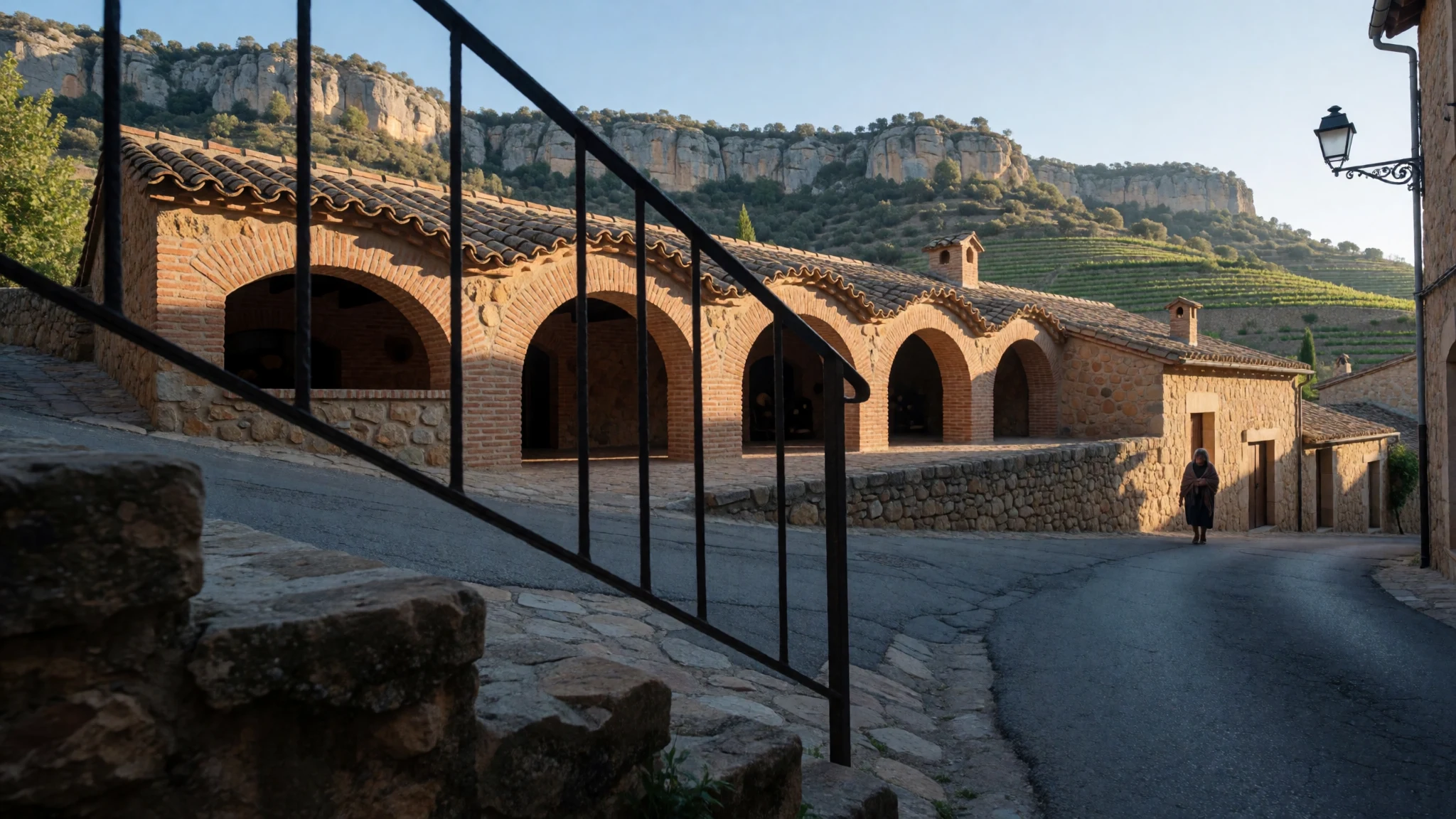
Cornudella de Montsant is a quiet Priorat village where climbers, walkers and wine lovers share cliffs, terraces and a Modernista cellar.
The place
Cornudella de Montsant sits in the north-west corner of the Priorat, a wine-growing district of Catalonia in Spain. The Montsant range stands behind it and the Prades Mountains close the horizon on another side. Around 999 people live here, at an elevation of 533 metres, which keeps summer nights a little cooler than on the coast. This is a working village rather than a resort. Income comes from farming, above all vines and hazelnuts, with tourism layered on top. The Siurana reservoir lies within the municipal land and supplies the village with its drinking water. Climbers know the name well: the cliffs nearby draw people from well beyond Catalonia, and the village bars and guesthouses fill with chalk-handed visitors in the cooler months. Walkers use the same terrain, following old tracks between terraces, scrubby oak and pine, and small chapels. Cornudella is also a practical base. The wine villages of the Priorat, the monastery at Poblet and the coast near Tarragona are each a short drive away, though a car makes everything easier. Do not expect big sights in the streets themselves. The pleasure is in slow mornings, coffee on the square, church bells, and grey rock walls glowing at dusk. It suits people who like hills, wine and quiet more than nightlife, and who are happy to follow Spanish rhythms, with shops shutting for the afternoon and dinner starting late.
Its story
Cornudella de Montsant has a long past that is easiest to read through three names. The first is the Barony of Entença, the medieval lordship that held the town and tied it into the feudal map of Catalonia. Little of that world survives as monuments in the village, but it helps explain the old stone houses and the habit of farming every usable terrace. The second is Joaquim Juncosa, a painter born here who became a Carthusian monk. He settled at the Scala Dei priory, the site that lent its name to the broader Priorat region, where he created frescoes and paintings. A village that produces an artist-monk shows how closely religion and landscape were bound together in these hills. The third name is Cèsar Martinell, the architect of the old winery. Built during the Modernisme and Noucentisme periods, the building belongs to the group Catalans call wine cathedrals: cooperative cellars given tall arches and decorative touches, as if the farmers' grapes deserved a church. Martinell's cellars are scattered across Catalonia, and Cornudella's is a good place to see why they earned the nickname. Together these threads, lordship, monastic art and cooperative winemaking, describe a community that has lived by vineyards and faith for centuries, and in recent decades by walkers and climbers too. The result is a small place with an unusually layered record, where a morning can pass from a painter's story to a cellar door.
What to see
- The old winery — Village centre
Cornudella's old winery, designed by Cèsar Martinell, is the building to find first. It belongs to the Catalan family of wine cathedrals, raised in the Modernisme and Noucentisme periods for cooperative winemaking. Look at the façade and roofline from the street, and check the village website for any visits or events.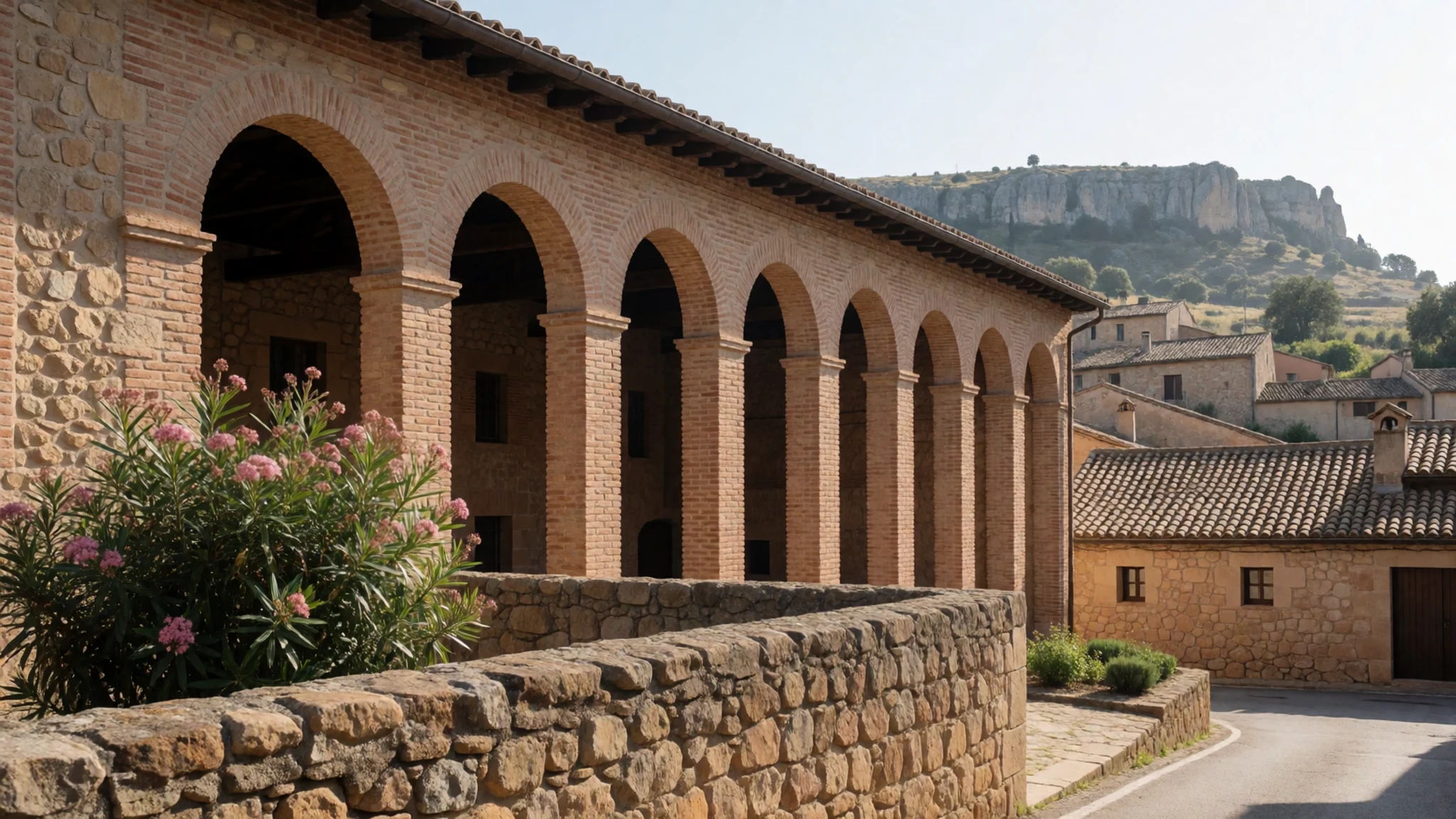
- The old town lanes — Old town
The old town of Cornudella is compact enough to cover in under an hour on foot. Lanes climb between stone houses to small squares where locals gather in the evening. Wander slowly, notice the doorways and balconies, and look back towards the Montsant cliffs before finishing with a drink on the main square.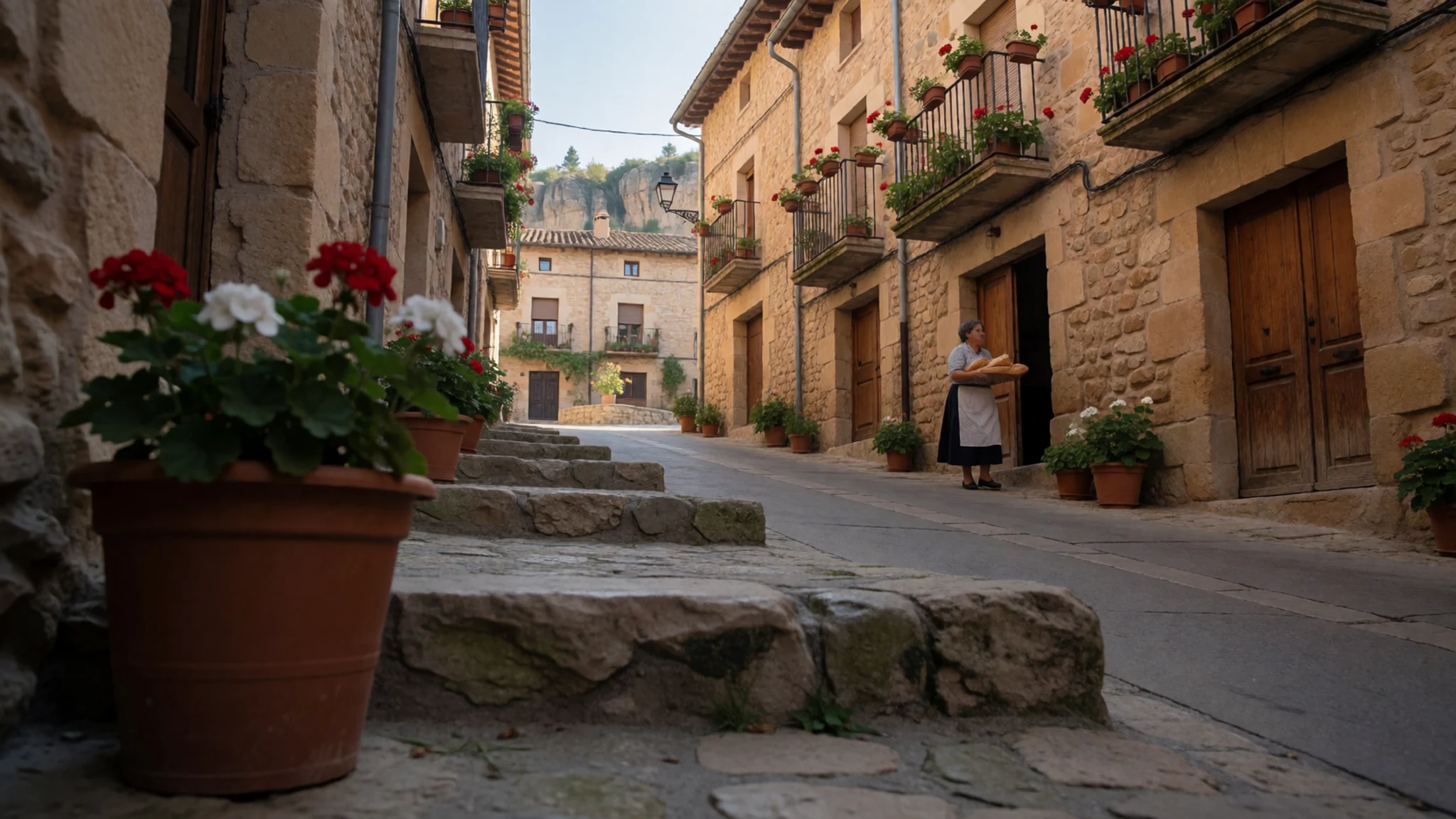
- Siurana reservoir and river path — Siurana valley, south-east of the village
The Siurana reservoir lies on the village's land and supplies its drinking water. A track follows the Siurana river nearby, a pleasant walk through scrub and pine with the cliffs above. Carry water and a hat in summer, because shade is patchy, and keep to marked paths around the shore.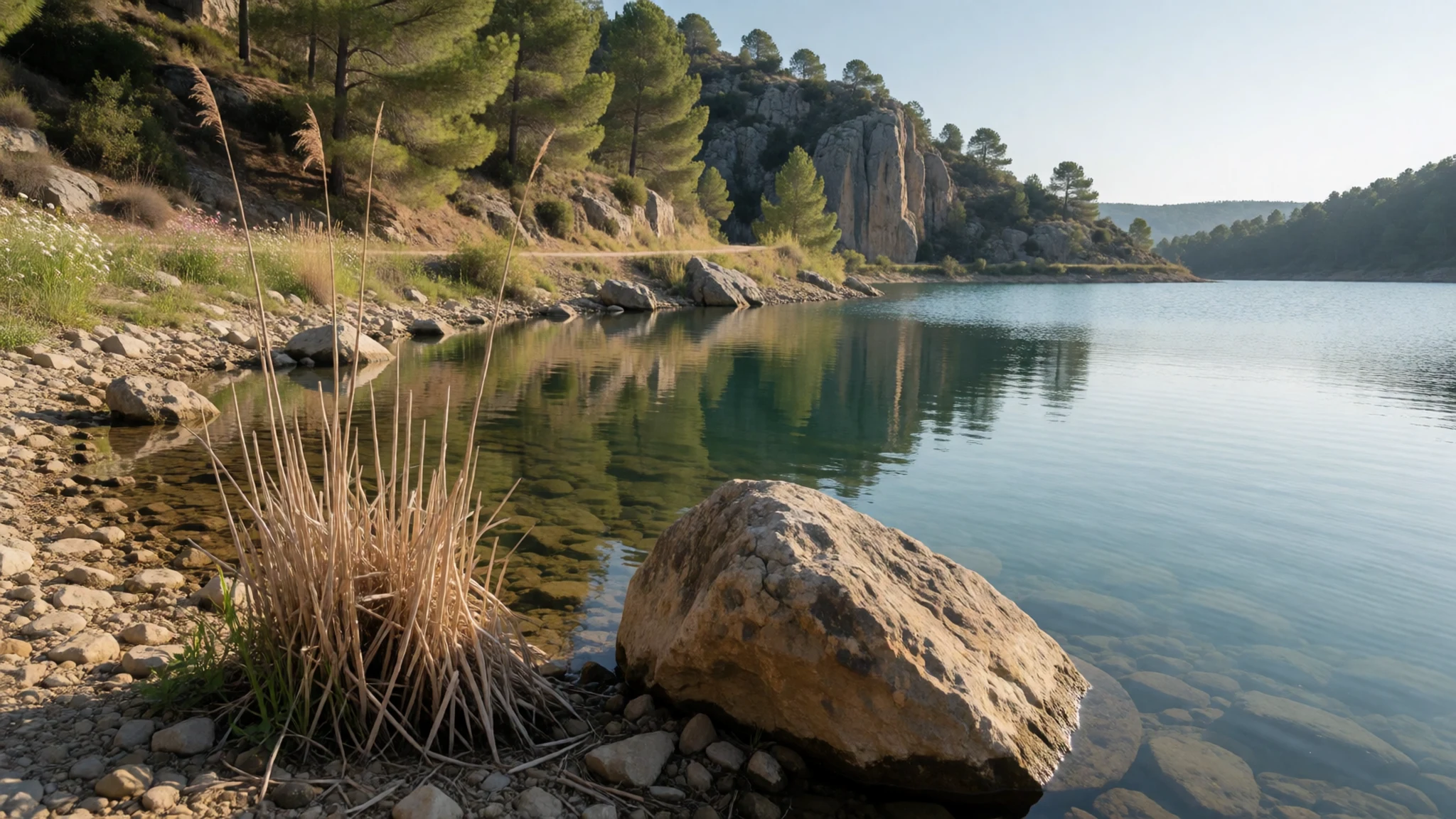
- Montsant ridge walks — Montsant range
The Montsant range forms the backdrop to the village and rewards walkers with rocky ridges, wide views over the vineyards and real quiet. Routes past viewpoints such as Roca Corbatera are popular, but check conditions first. On hunting days some paths are best avoided, so ask locally and wear something bright.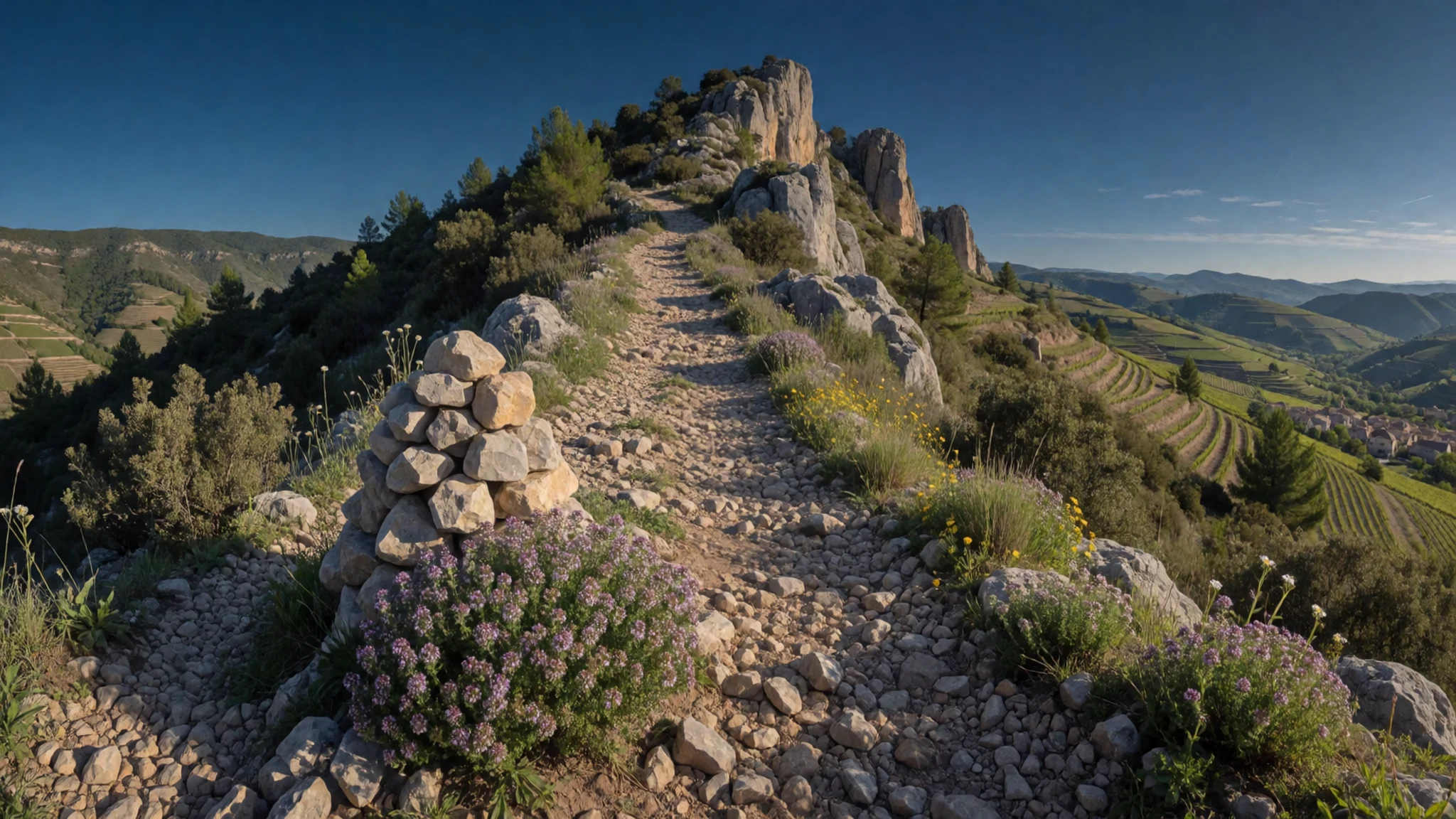
- Sant Joan del Codolar Hermitage — Countryside near the village
Sant Joan del Codolar is a small hermitage near the village, reached on foot or by a short drive along local tracks. It is modest rather than grand: a stone chapel in open countryside, good for a picnic and a sense of how country religion worked here. Ask in the village about current access.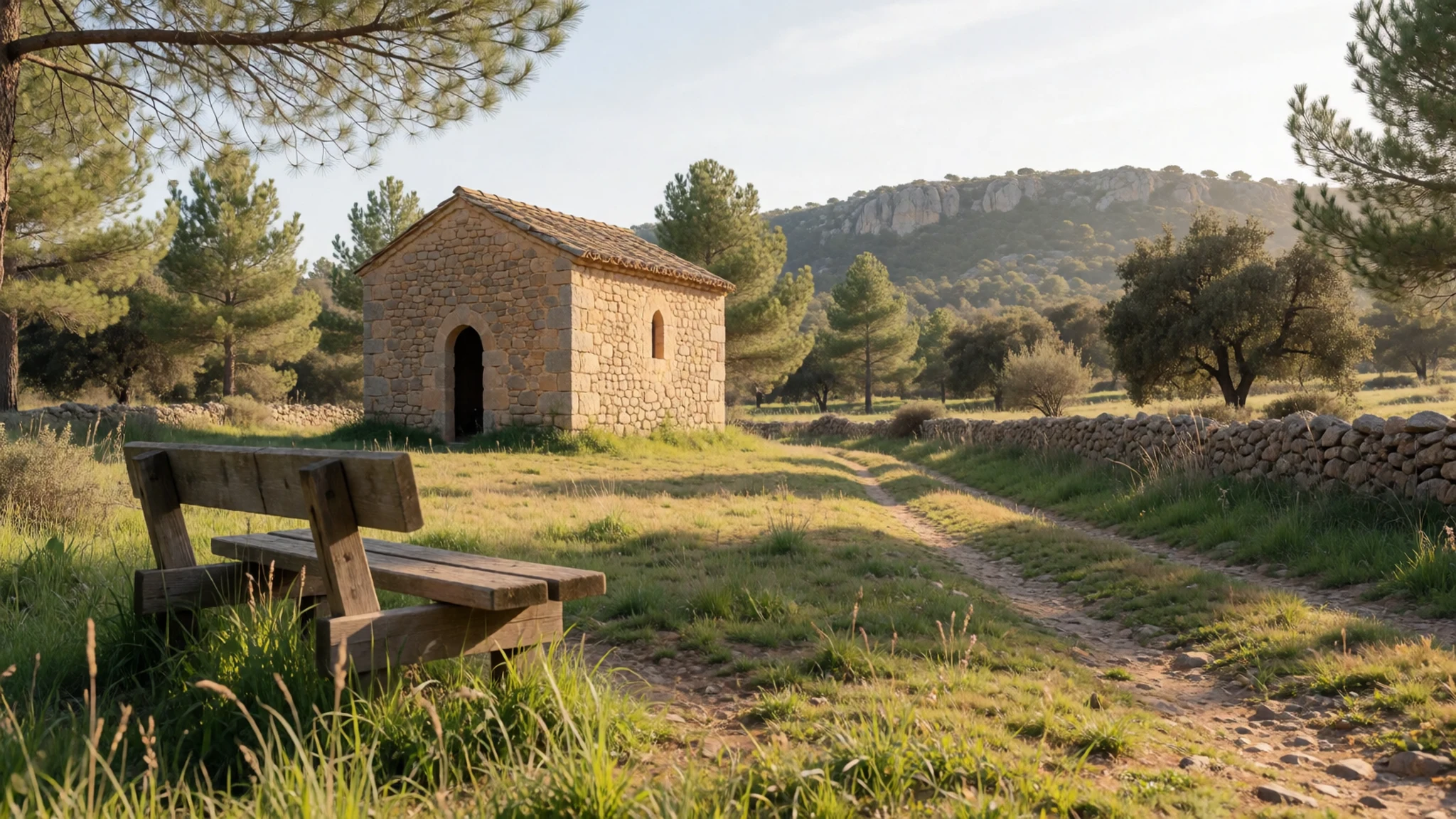
- Poblet Monastery — Prades Mountains, north-east of the village
Poblet Monastery is a Cistercian house at the foot of the Prades Mountains, a drive from Cornudella. It was the first of three sister monasteries, the Cistercian triangle, that helped consolidate Catalan power in the twelfth century. Allow a half day, check the official visiting details before going, and dress for a religious site.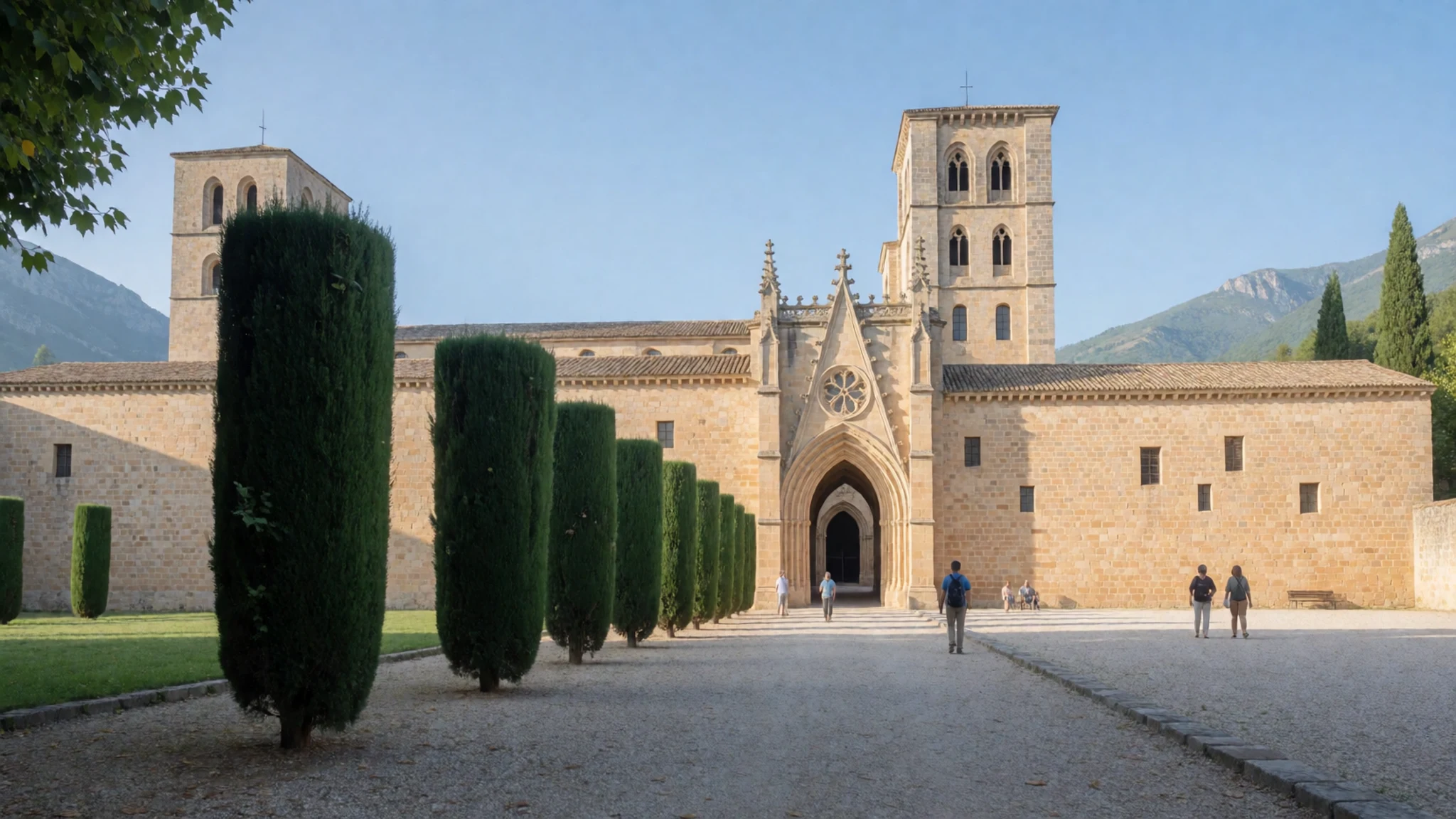
Culture
Cornudella de Montsant is Catalan before it is anything else: the language heard in the shops, on the square and in the church is Catalan, and signs, menus and festival posters follow it. Visitors who greet people with a simple bon dia or bona tarda are received warmly. Life runs to a rural rhythm, with a long lunch, quiet afternoons and late dinners. Community events matter, especially the village festa major and food days such as the paella gatherings that appear in local photographs; check the village website for dates. Wine, hazelnuts and olive oil still shape the year, and the harvest often decides when people are free to gather. The hills are also used for organised hunts in season, a long-established rural activity that sits alongside walking and climbing. Climbers are part of the culture now too, with guesthouses and bars that cater for them and a friendly mix of languages in the evening. People here are proud of the landscape and protective of it, which means that respect for farmland and paths is more than a formality. Visit in that spirit and the village opens up easily. On marked paths, close gates behind you, keep clear of vines and hazelnut groves, and check locally before walking the hills on hunting days.
What to wear
Cornudella de Montsant has no single costume that visitors will see day to day, but the wider Catalan countryside has a traditional dress that appears at festivals and folk dances. Men wear a dark waistcoat and trousers with a sash and the red barretina, a soft woollen cap; women wear long skirts, shawls and aprons in cotton and wool, sometimes trimmed with lace. Rope-soled espadrilles (espardenyes) with ribbon ties go with the dance. These clothes mostly come out for the festa major, parades and folk groups. Day to day, people dress practically: jeans, work shirts, fleeces and sturdy shoes for farm and hillside, with smarter clothes for Sunday lunch and celebrations. Climbers add technical gear, so outdoor brands are common in the cafés. For visitors, think about terrain and climate first. At 533 metres the village is warm in summer and cool at night, and winter mornings can be properly cold, so layers help. Bring trail shoes or boots with good grip for rocky paths, a sun hat and sunscreen, and a light waterproof for autumn storms. Shorts are fine in the village, but cover shoulders and knees when entering a church or chapel. In hunting season, a bright top is a sensible safety choice on the trails.
What to eat
- Paella — Festival days and village eateries
Paella cooked in huge pans is a village-festival favourite here, and local photographs show a giant seafood version at a Catalan national day gathering. Look for it on festival days and at Sunday lunches in family-run eateries around the square.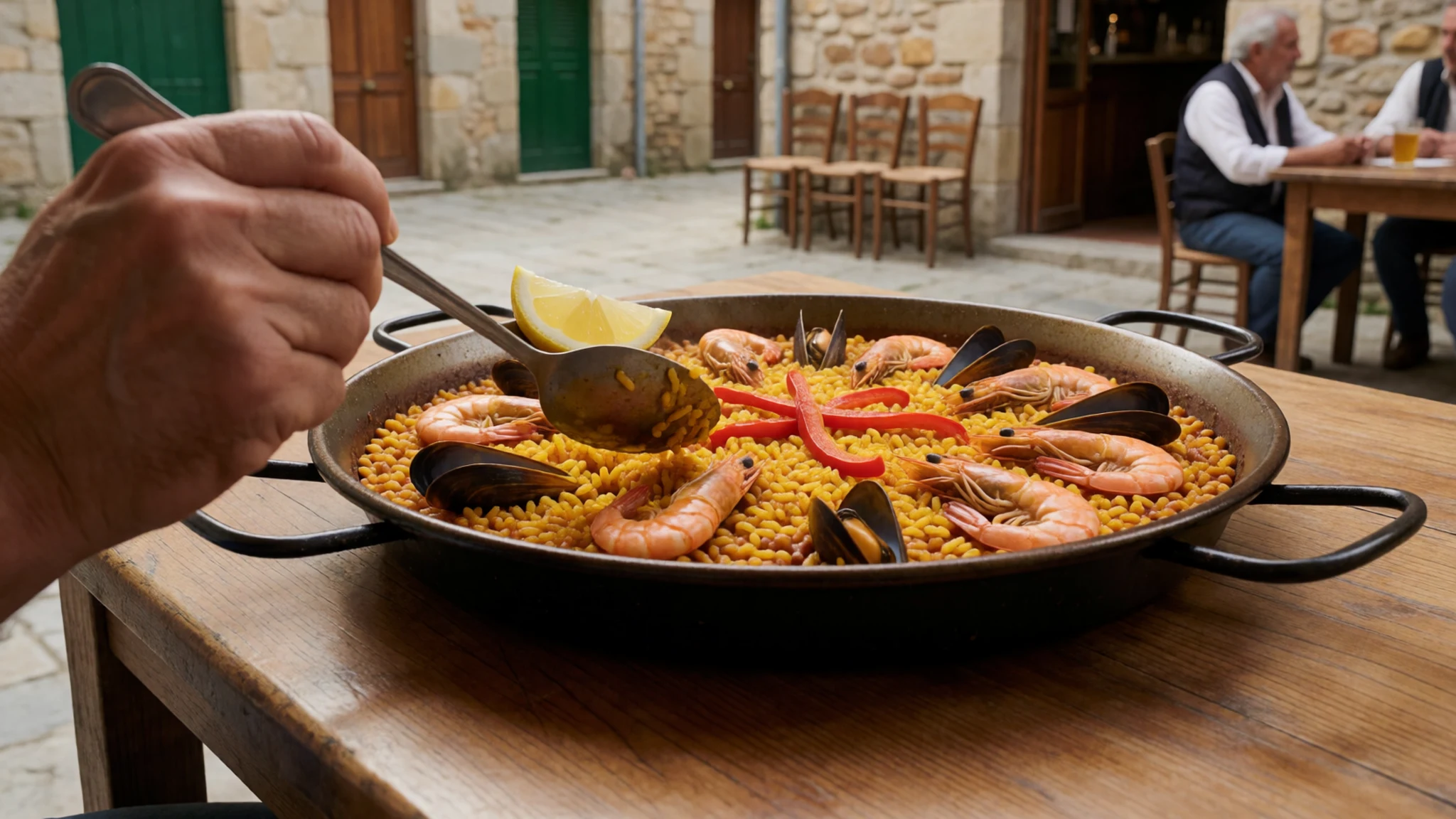
- Hazelnuts and almonds — Village shops and local producers
Hazelnuts are one of the village's main crops, and they turn up toasted in bowls at the bar, ground into romesco sauce and folded into cakes and pastries. Almonds from nearby orchards play a similar role. Buy bags direct from local producers or village shops.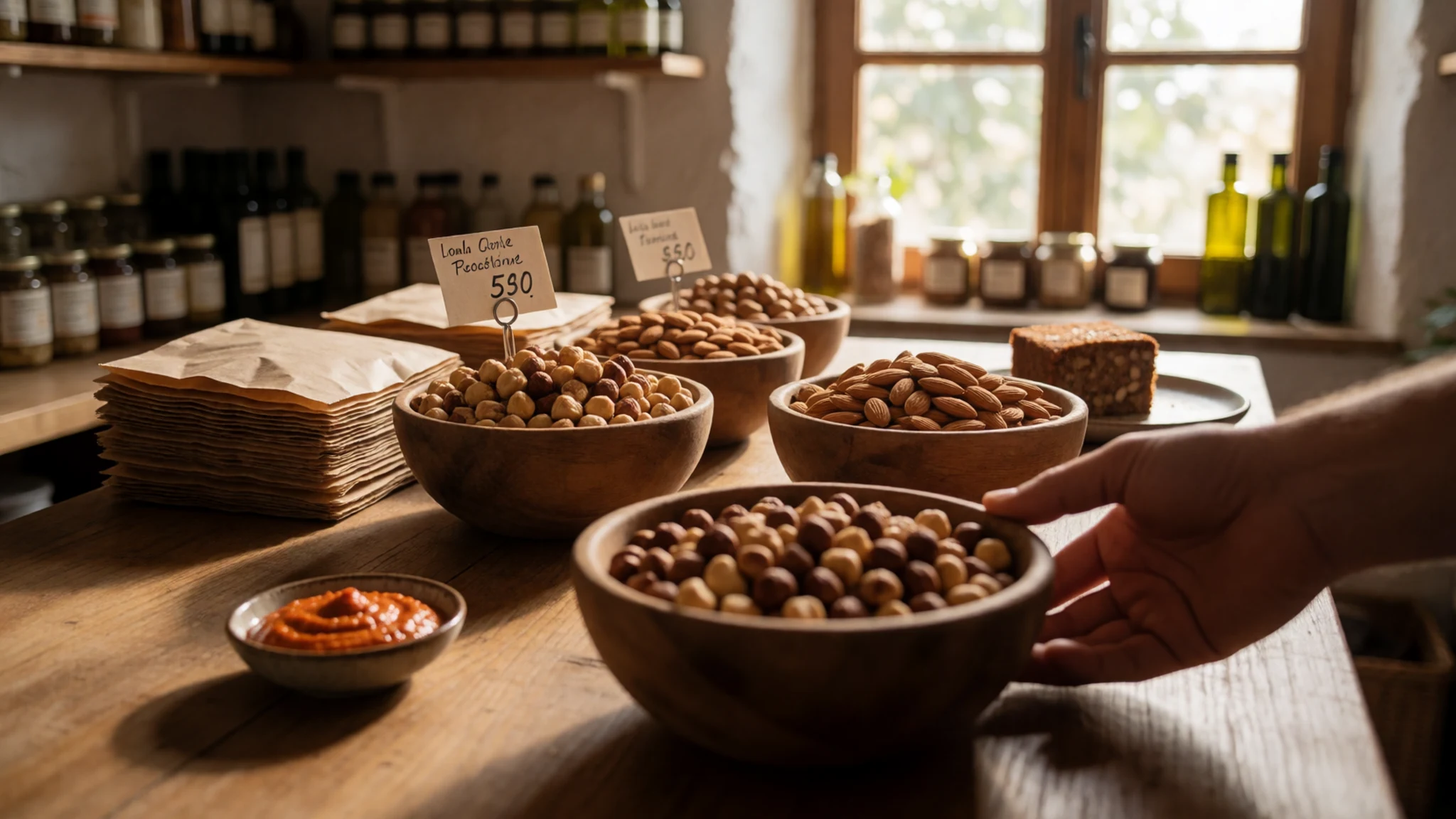
- Priorat and Montsant red wine — Cellar doors and village restaurants
The wines of the Priorat and the neighbouring Montsant hills are strong, structured reds, often grown on steep, stony slopes. Taste them at cellar doors, at the cooperative, or with a meal in a village restaurant, and ask for a local recommendation to suit your dish. - Pa amb tomàquet — Any village bar or restaurant
Bread rubbed with ripe tomato, olive oil and salt is the everyday Catalan starter. In the Priorat it comes with local oil, cured sausage or ham, and cheese. Order it at any village bar or restaurant, especially at breakfast or an informal lunch. - Calçots with romesco — Seasonal calçotades at restaurants and village associations
In winter and early spring, calçots, charred spring onions, are dipped in romesco sauce and eaten with bibs and enthusiasm. Look for calçotades advertised by restaurants and village associations in season; they are usually communal, relaxed and messy.
Plan it
Best time. April–June and September–November are the comfortable months for walking and climbing. Summer afternoons can be hot, and winter mornings are cold at this elevation. Autumn brings vine colour, and also hunting activity in the hills.
How long. 2–3
Getting there. Reus, Barcelona-El Prat and Lleida-Alguaire are the airports serving the area. Trains from Barcelona reach Tarragona, the usual rail gateway for the region, but the last leg to Cornudella is by road: hire a car and take the coastal motorway, then inland roads, or ask locally about bus links.
Budget. mid
Tips
- Hire a car; public transport to the village is limited and the best walks start outside it
- Carry water and a hat in summer, as shade on the trails is patchy
- Book guesthouses ahead on autumn and spring weekends, when climbers arrive
- Check the village website for festival dates and local events
- Wear something bright when walking in hunting season and ask locally about closures
Etiquette
- Greet people with bon dia or bona tarda when you enter a shop or bar
- Keep to marked paths and close farm gates behind you
- Cover shoulders and knees when entering a chapel or church
Nearby
Sources
- Wikidata Q995601 (CC0)
- Wikipedia: Cornudella de Montsant (rev 1375652698) (CC BY-SA 4.0)
- Wikivoyage: Tarragona (province) (rev 5419559) (CC BY-SA 4.0)
- Vista de Cornudella — Pigot (Public domain)
- Paella day, Cornudella de Montsant 2003 — John Dalton (CC BY 3.0)
- Camí sobre el Riu de Siurana (juny 2012) — EliziR (CC BY 3.0)
- Caçador al Montsant (P1090739) — Pere López Brosa (CC BY-SA 4.0)
- Caçador al Montsant (P1090742) — Pere López Brosa (CC BY-SA 4.0)
- Collet Roig (111539) — Pere López Brosa (CC BY-SA 4.0)
- Collet Roig (111542) — Pere López Brosa (CC BY-SA 4.0)
- Collet Roig (143409) — Pere López Brosa (CC BY-SA 4.0)


