Colmar
Colmar, France
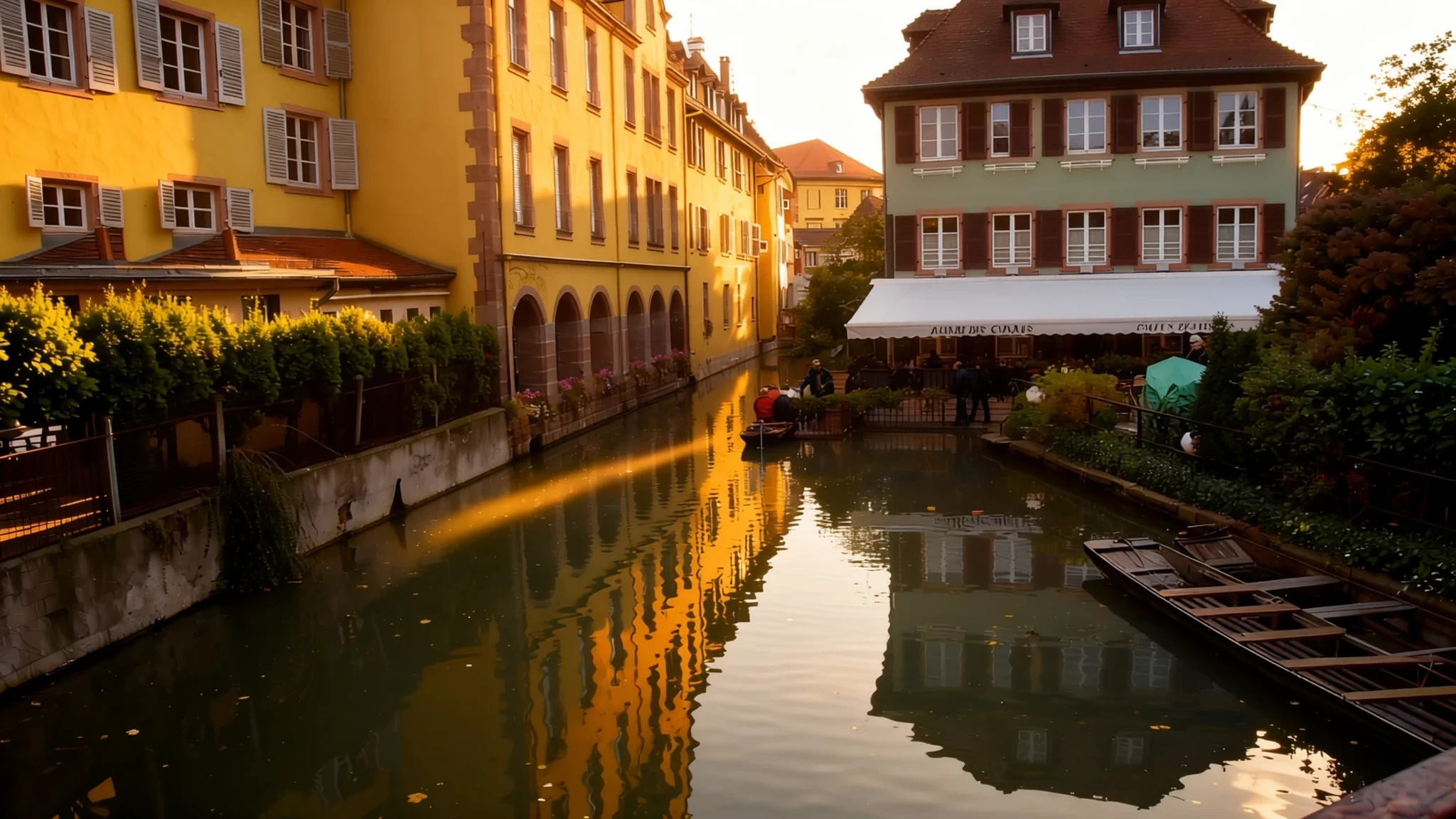
Colmar is a half-timbered Alsatian town of canals, wine and museums, best seen slowly in spring or autumn.
The place
Colmar sits in the Haut-Rhin department of north-eastern France, in the Alsace region, on the River Lauch, a tributary of the Ill. It lies just east of the Vosges mountains, and a canal connects it to the Rhine. Colmar is home to roughly 67,000 people, making it Alsace's third-biggest town after Strasbourg and Mulhouse; as the headquarters for the Haut-Rhin department, all its local government business is handled right here. The town stands about 198 metres above sea level, a rise you will not notice on the cobbles.
The historic centre is small enough to cover on foot in an afternoon. Carved timber houses, a pink stone church and a few narrow canals in the quarter called Little Venice make up much of the view. Wine is central to the place. The town calls itself the capital of Alsatian wine and sits on the Alsatian Wine Route, so tasting rooms and wine shops line many streets.
Museums give the town its depth. The Unterlinden Museum occupies a former convent and holds the Isenheim Altarpiece, while the Bartholdi Museum honours the sculptor of the Statue of Liberty, who was born here. From late spring to early autumn the centre fills with coach parties through the middle of the day. Early mornings and evenings are quieter and better for photographs.
Its story
Colmar's recorded past begins with Charlemagne, who mentions the place in his chronicle of the Saxon wars. In 884 the Carolingian emperor Charles the Fat held a diet here, a sign that the settlement already mattered to rulers of the region. In 1226 Emperor Frederick II granted Colmar the status of a free imperial city, which gave its burghers a degree of self-government. In 1354 it joined the Décapole, a league of Alsatian free cities that protected shared trade interests.
The Reformation reached the town in 1575, well after the northern neighbours Strasbourg and Sélestat had changed faith. The Thirty Years' War brought hard years. Swedish forces took the town in 1632, and in 1635 imperial troops spoiled the harvest while residents fired on them from the walls. The Schoeman family arrived in 1634 and founded the first town library, a quieter legacy of the period.
Louis XIV's armies took the town in 1673, and the 1679 Treaties of Nijmegen confirmed French ownership. A cholera epidemic in 1854 killed many residents. After the Franco-Prussian War, Colmar passed to the new German Empire in 1871 as part of Alsace-Lorraine. It returned to France under the 1919 Treaty of Versailles, was annexed by Nazi Germany in 1940, and was regained in 1945 after the fighting known as the Colmar Pocket. Those shifts still show in the architecture, the street names and the bilingual habits of the town.
What to see
- Maison Pfister — Corner of rue des Marchands and rue Mercière, old town
Maison Pfister is one of the oldest wooden houses in Colmar, and its carved timber front stands at a busy corner of the old town. Its upper floors lean out over the lane below. Step back across the road to take in the whole façade, and then wander the nearby streets, which are quieter once the coach groups have moved on.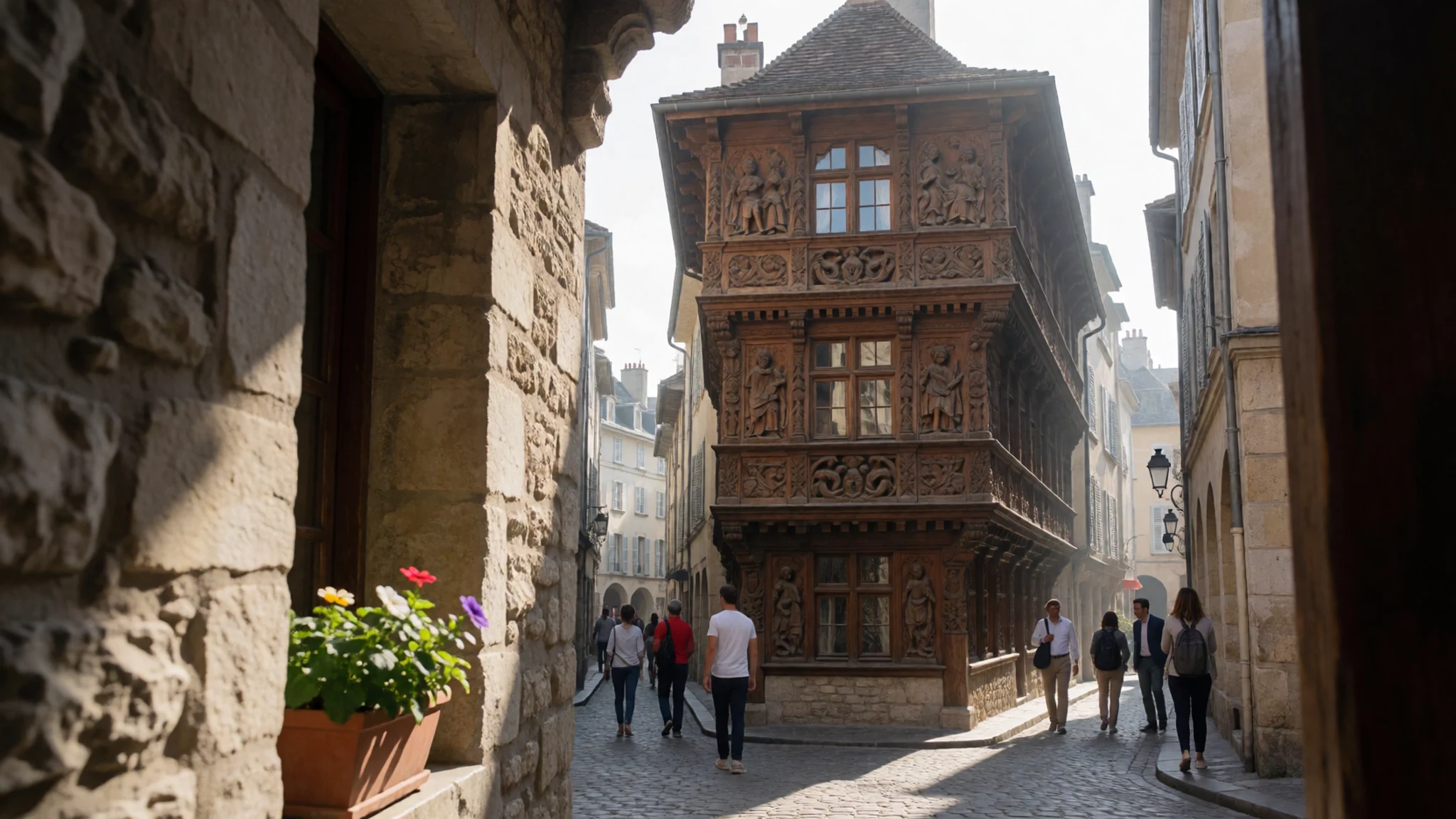
- Unterlinden Museum — Place des Unterlinden, old town
The Unterlinden Museum, in Colmar's former convent, gathers furniture, armour, paintings, knitted carpets and silverware. Its highlight is the Isenheim Altarpiece by Matthias Grünewald, a painted altarpiece that many visitors come specifically to see. Allow a good part of the day, and check timed entry and opening days on the official site before you go.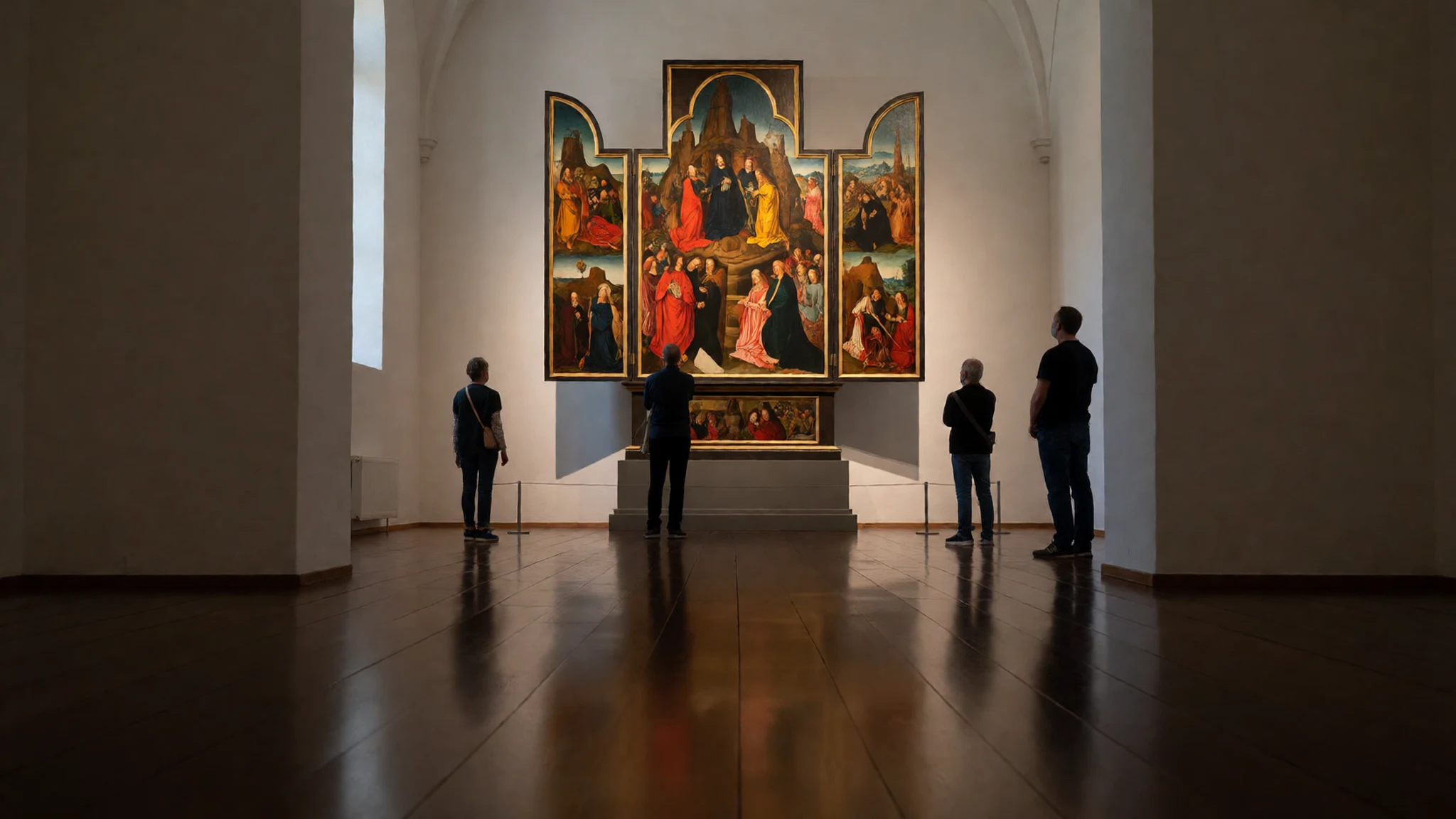
- St. Martin Church — Old town, near the central squares
St. Martin Church is built of pink stone, and its tower dominates the old town skyline. It is still a working parish church, so the interior is a place of worship as well as a sight. Visit outside service times if you want to look around quietly, and keep bags and voices low inside.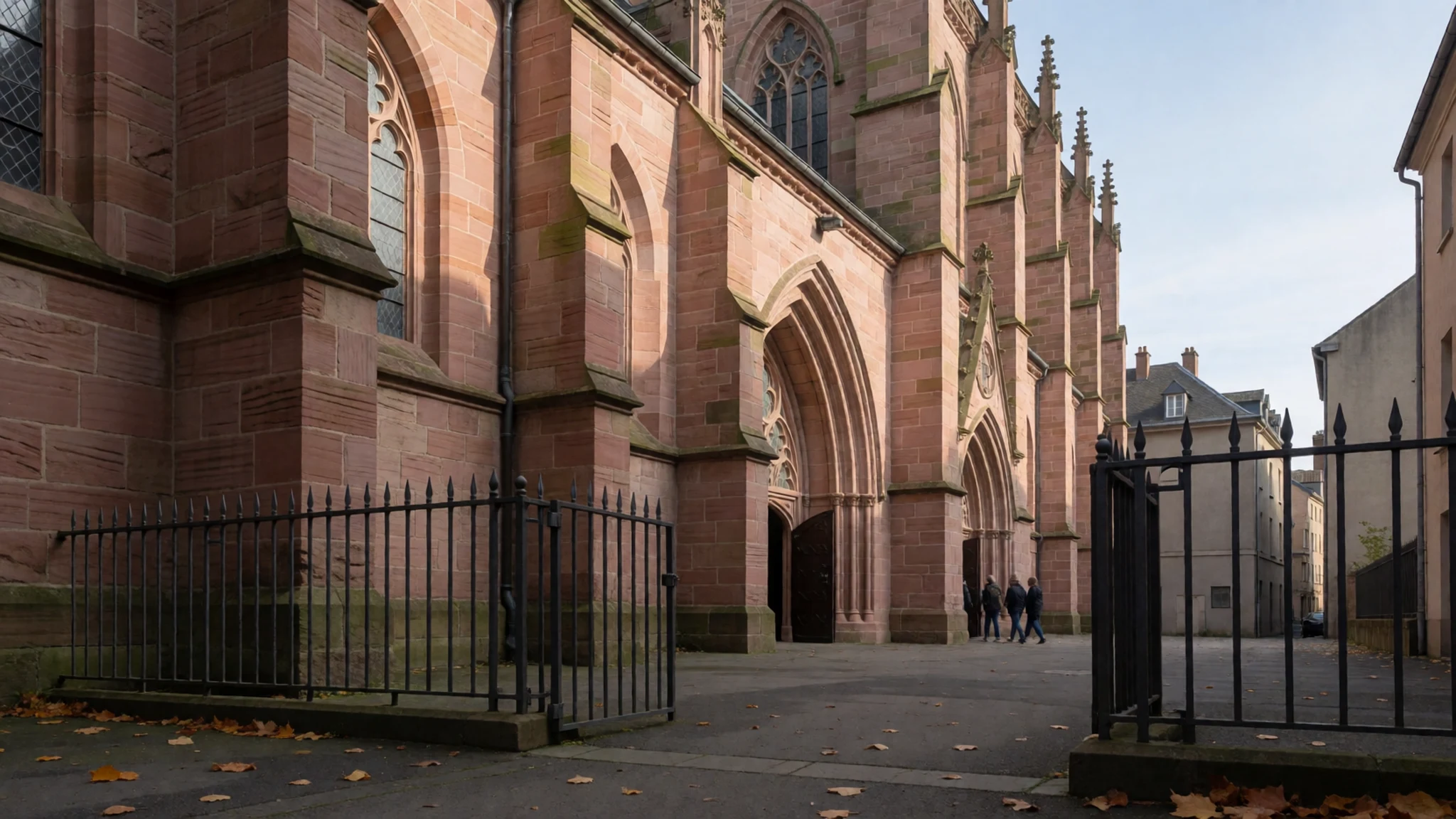
- Bartholdi Museum — 30 rue des Marchands, old town
The Bartholdi Museum is dedicated to Auguste Bartholdi, the sculptor of the Statue of Liberty, who was native to Colmar. It makes a short, focused visit that adds context to the town's sculptural and civic history. It sits on a street of old houses, so combine it with a walk through the centre.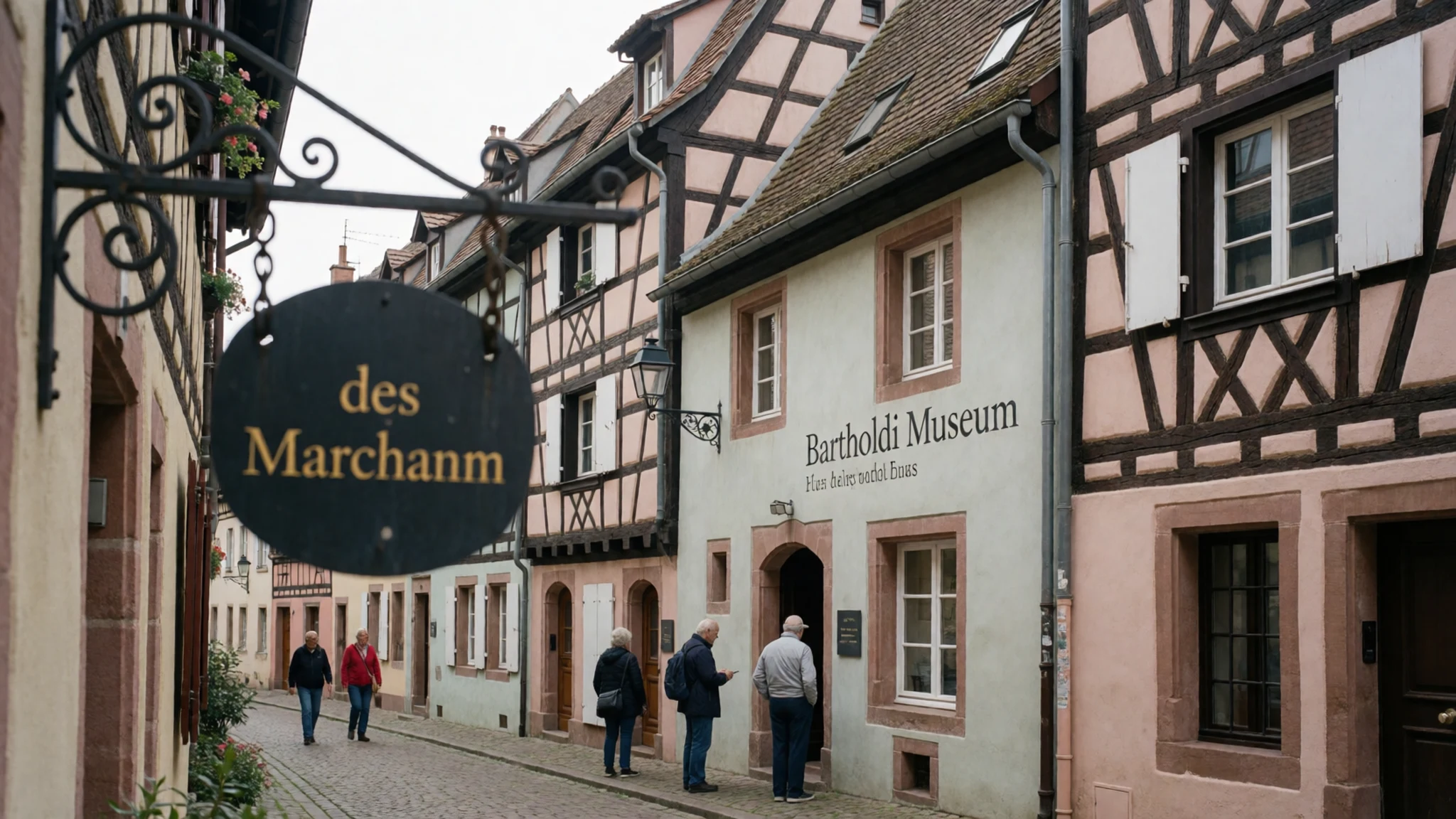
- Little Venice — Canal quarter, south of the old town centre
Little Venice is a small corner of Colmar with narrow canals and waterside houses that recall Venice, Italy. It is best in the late afternoon, when the light falls across the water and the crowds thin. Expect to walk slowly over uneven stones, and allow time to sit by the water.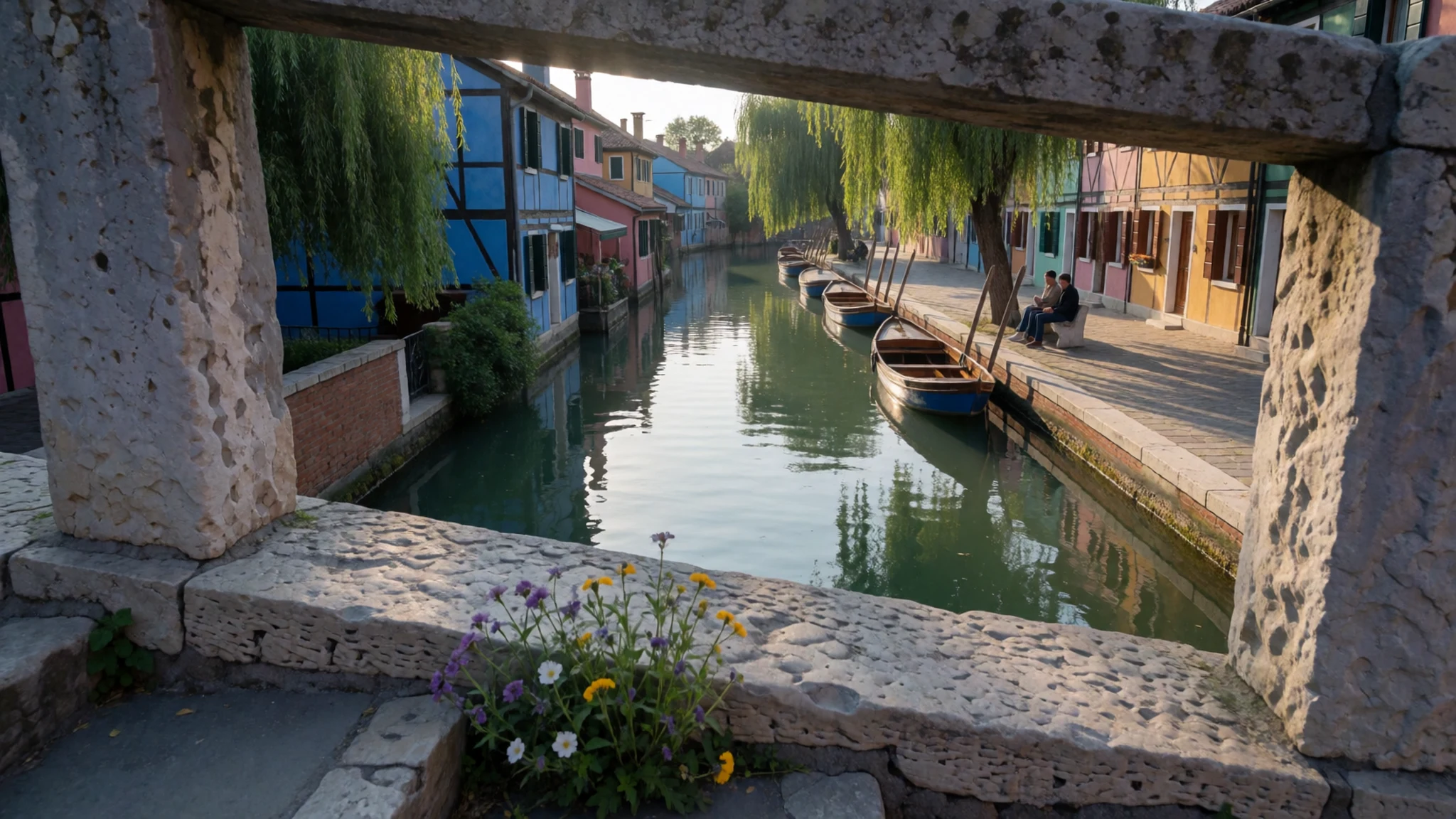
Culture
Colmar is bilingual in its history. Its everyday speech was once Alsatian, a German dialect, and the town's German past still shows in its language, its names and its food. Visitors who hear both languages on the same street are hearing the result of centuries of border shifts, and the town treats that inheritance as a point of pride rather than a puzzle.
Religion and wine both run through daily life. The Dominican Church is valued largely for its painting by Schongauer, and St. Martin remains a working church with regular services, so its nave is a place of worship as well as a sight. Wine is treated as culture rather than a drink to rush through. Tasting rooms expect you to take your time, and the grape is part of local identity.
Local people are generally relaxed about visitors, but the old town gets crowded. Pedestrians keep to the middle of narrow lanes, and cyclists ring their bells to warn people ahead. Keep your voice low and dress modestly when you go into St. Martin Church, and ask before photographing inside during services.
What to wear
Colmar's traditional dress is the Alsatian costume, worn for festivals, processions and wine celebrations rather than everyday life. The women's outfit centres on a dark bodice and full skirt, a white apron, and a headdress of black velvet ribbon arranged as a bow over a lace or linen cap. Velvet, wool and cotton were the usual materials, and embroidered aprons and lace trim show the region's needlework. Men wore dark waistcoats and jackets.
Today most people in Colmar dress much as they would in any French city: dark jackets and jeans in the cooler months, lighter cotton and linen in summer, and smart-casual clothes in restaurants. Costume appears on special days, and tourist shops sell versions of the bonnet as souvenirs.
For a visit, dress in layers. The streets are cobbled, so supportive flat shoes matter more than fashion, and a light jacket covers cool evenings and the chill inside churches. Cover shoulders and knees when you enter St. Martin or the Dominican Church. In summer, bring a hat and sunglasses, because the sun is strong in this dry, sunny town.
What to eat
- Flammkuchen (flammekueche) — Terraces around the market square, and any winstub in the old town
Flammkuchen, called flammekueche in Alsatian, is a thin base spread with cream, onion and bacon, then baked until the edges blister. It is light enough for lunch and arrives quickly, so it suits a busy day of museums.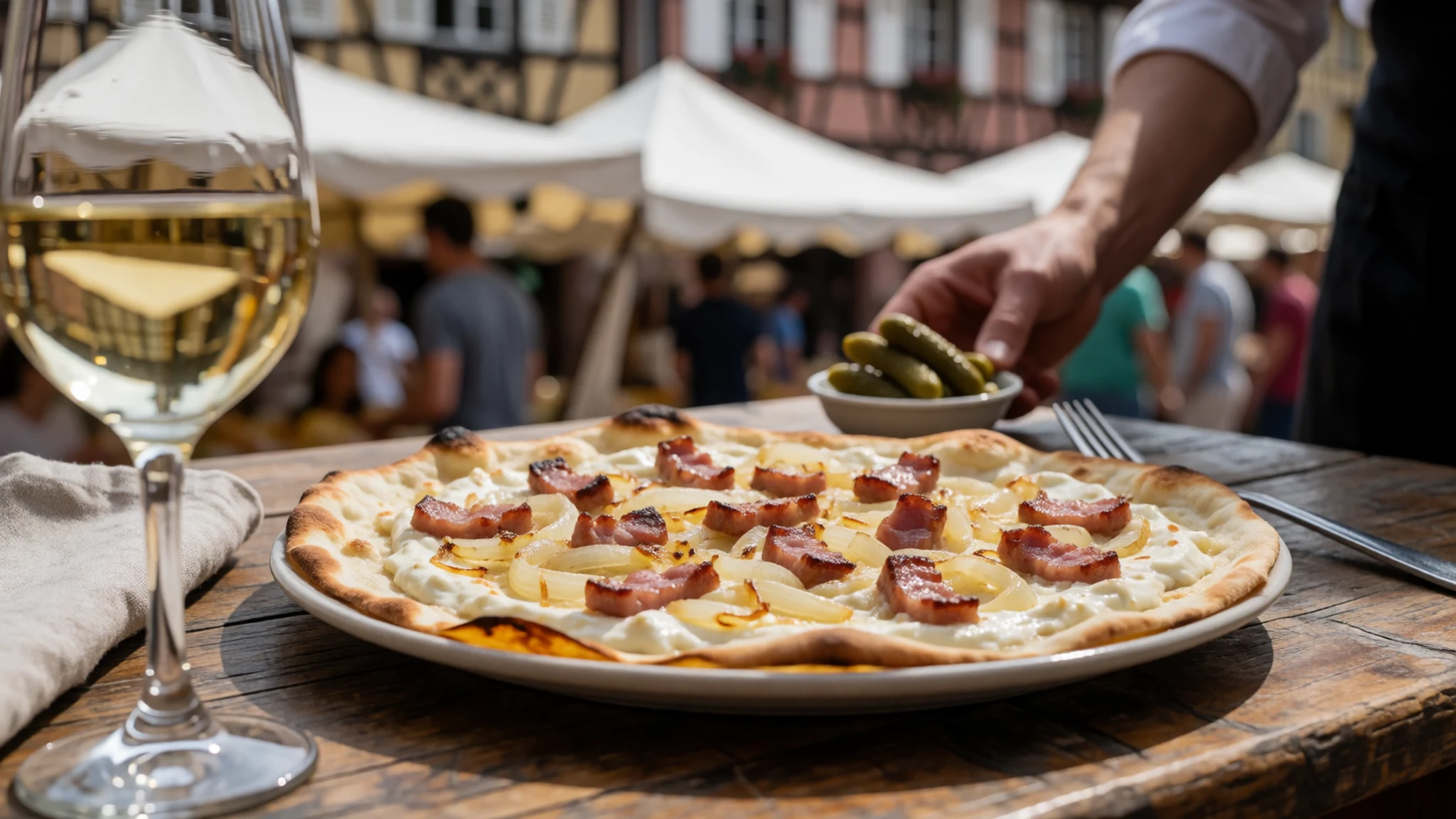
- Kugelhopf — Bakeries around the old town, and the shops on the main streets
Kugelhopf is a ring-shaped yeasted cake studded with raisins and dusted with powdered sugar, similar in shape to a Bundt cake. Bakeries sell it by the slice, and the tourist shops on the main streets sell the traditional ceramic pans if you want to bake one at home.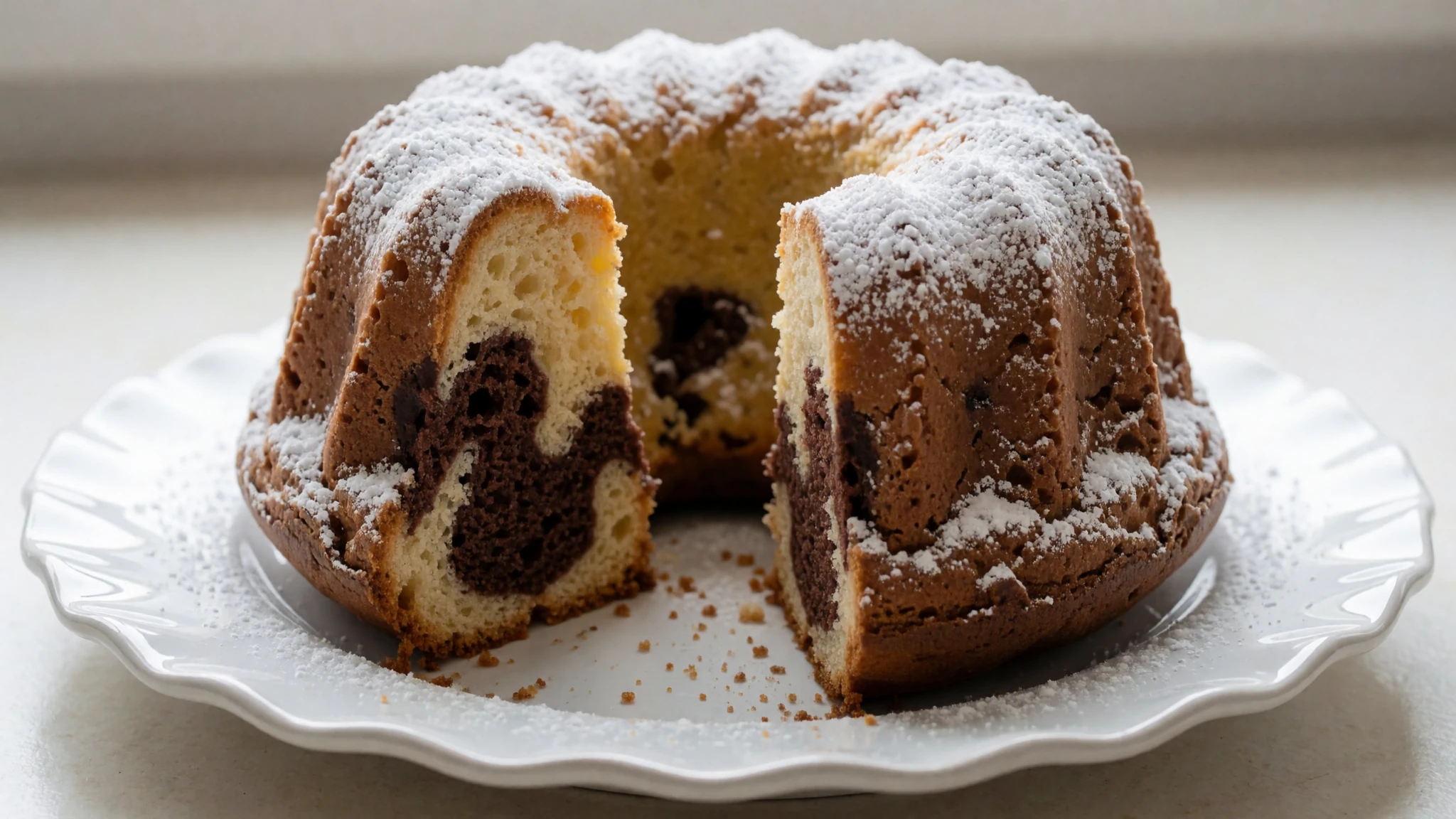
- Crêpes — A crêperie in the old town, the kind with a counter by the window
Crêpes are thin pancakes made from batter, folded around ham, cheese or egg, or served sweet with sugar and butter. A crêperie is a relaxed and fairly inexpensive option for lunch, and many have counters where you can watch the batter go onto the hot plate.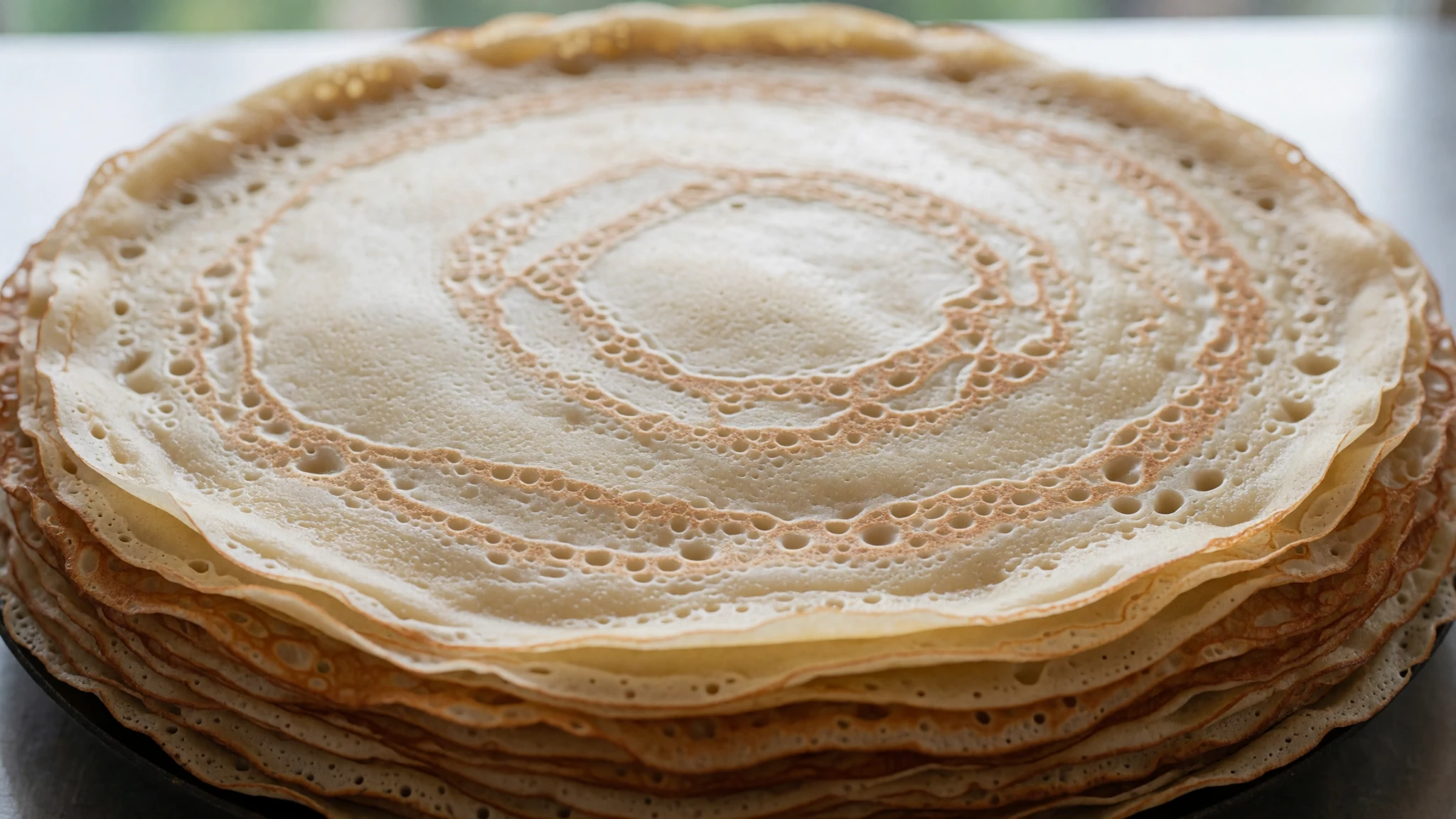
- Escargots — Traditional restaurants in the touristic centre
Snails baked in garlic and parsley butter are a classic starter in traditional French restaurants. They are worth trying once if you want the regional French side of the menu. Service at tourist-facing places can be leisurely, so order early if you are in a hurry. - Easter lamb cake — Bakeries in the old town, in the weeks before Easter
At Easter, bakers make small cakes in lamb-shaped pans, often finished with a ribbon around the neck and a generous dusting of powdered sugar. They are a seasonal treat, so ask in a bakery in the weeks before Easter whether they are making them.
Plan it
Best time. April and May, when the weather is mild and the old town is green. Late September and October suit the grape harvest season. Colmar is dry and sunny, with cold winters and warm to hot summers, so July and August are at their hottest and busiest.
How long. 2–3
Getting there. EuroAirport at Basel and Strasbourg Airport are the nearest airports. Trains run directly from Basel and from Strasbourg to Colmar, and the train is usually the last leg.
Budget. mid
Tips
- Book a room early for spring weekends and the autumn harvest season, when the town is busiest.
- Visit the old town early in the morning, before the coach groups arrive.
- Check opening times and ticket prices for the museums on the official site, colmar.fr.
- Walk Little Venice in the late afternoon, when the light on the canals is at its best.
- Carry some cash for small bakeries and market stalls, and check whether a restaurant takes cards before you order.
Etiquette
- Dress modestly and keep your voice low inside the churches, which are still used for worship.
- Ask before photographing market traders or people working in their shops.
- If you book a wine tasting at a smaller estate, arrive on time and drink responsibly.
Nearby
Sources
- Wikidata Q130994 (CC0)
- Wikipedia (rev 1381847258) (CC BY-SA 4.0)
- Wikivoyage (rev 5349996) (CC BY-SA 4.0)
- View of Église Saint-Martin (photo 01) (CC BY 2.5)
- The Koïfhus, Colmar (photo 02) (CC BY-SA 2.0)
- Municipal Theatre of Colmar (photo 03) (CC BY 3.0)
- Unterlinden convent facade (photo 04) (CC BY 3.0)
- Musée Bartholdi, Colmar (photo 05) (CC BY-SA 2.0)
- Hôtel de ville, Colmar (photo 06) (CC BY-SA 2.0)
- Colmar, Alsace (photo 07) (CC BY 2.5)
- Maison Pfister, Colmar (photo 08) (CC BY 3.0)


