Cilento, Vallo di Diano and Alburni National Park
Cilento, Vallo di Diano and Alburni National Park, Italy
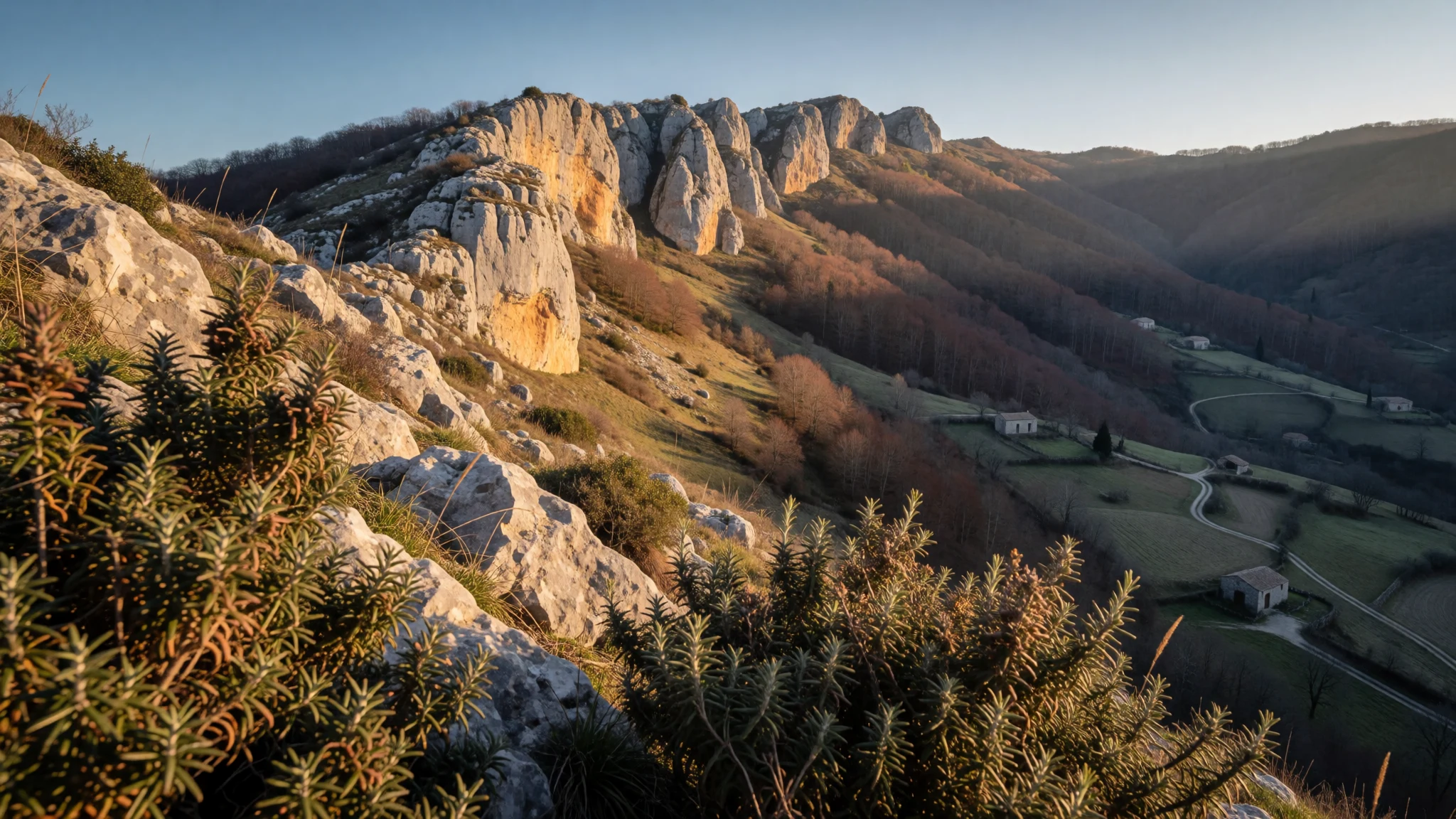
Cilento is southern Italy's quieter side: Greek temples, limestone caves, hill villages and unspoilt coves, far from the Amalfi Coast crowds.
The place
Cilento, Vallo di Diano and Alburni National Park fills a large part of the province of Salerno, in Campania, well south of the Amalfi Coast's tour-bus circuit. It joins three quite different landscapes. The Cilento coast is a run of cliffs, pebble coves and headlands facing the Tyrrhenian Sea. The Vallo di Diano is a wide, flat valley of farmland that runs inland between mountain ranges. The Alburni are a limestone massif of beech woods, rock walls and sinkholes. Because the rock is karst, water vanishes underground and re-emerges in caves, including the sea caves around Marina di Camerota and the inland caverns near Castelcivita. This is not an empty wilderness. Dozens of small municipalities lie within the boundary, so the park is a patchwork of hill villages, olive terraces, fishing harbours and farms, joined by walking paths. The park authority has its offices in Vallo della Lucania, and its website, http://www.cilentoediano.it, is the place to check trails, visitor centres and closures. Agropoli, with its old quarter on a promontory, is the usual base for the coast, while Castellabate and Palinuro suit longer beach stays. Summer, and August in particular, is hot and busy on the sand as Italian families arrive, while the high interior stays calmer and cooler. Public transport thins out quickly away from the coast, so most people who want the villages hire a car.
Its story
Cilento, Vallo di Diano and Alburni National Park was created in 1991 with a protective purpose: to keep unplanned building and mass tourism from remaking a coast and hill country that had so far escaped both. It began life under a shorter name, before the Alburni were named in the title. In 1998 the area was inscribed as a World Heritage Site, together with the Greek-founded towns of Paestum and Velia and the Padula Charterhouse, a monastery in the Vallo di Diano. Those places show how long people have valued this land. Paestum began as a Greek colony in the sixth century BCE, and its temples still stand among fields. Velia, known in antiquity as Elea, is remembered as the home of the philosophers Parmenides and Zeno. Palinuro carries a legend from Virgil: Aeneas's helmsman, Palinurus, dozed off, fell into the sea near this headland and left it his name. Inside the park, smaller reserves add another layer of protection, among them the Foce Sele-Tanagro reserve, which includes the Persano oasis, and the Punta Licosa marine reserve off Castellabate. Beneath all of it lies limestone, the slow architect of the caves, the sheer inland ridges and the clear water along the shore. The story here is of old settlement, steep terrain and a deliberate decision to leave much of it unbuilt.
What to see
- Paestum — Capaccio-Paestum, northern edge of the park
Paestum is a Greek colony of the sixth century BCE on the coastal plain, where three large temples stand in open ground beside a museum. Go early or late, because the stone offers no shade and midday summer heat is punishing. Check the official site for current opening times and tickets. - Velia — Near Ascea, Cilento coast
Velia, near Ascea, holds the ruins of Elea, a Greek settlement later taken over by the Romans. The site is more spread out than it first looks, with paths between walls and gateways and little cover, so allow a few hours and carry water. A swim at Ascea's beach makes a good ending. - Castelcivita caves — Castelcivita, Alburni foothills
The Castelcivita caves are a karst system reached on guided tours only, lasting around an hour. It stays cool inside whatever the weather outside, so a light jacket helps, and the paths can be damp underfoot. Check the official site for tour times and prices before travelling. - Agropoli — Cilento coast
Agropoli is the busiest town on the coast and a practical base. Its old quarter sits on a promontory, with a medieval castle above a working port. The seafront promenade fills with families in the evening, and shops and eateries stay open late in season. Out of season, it is calm.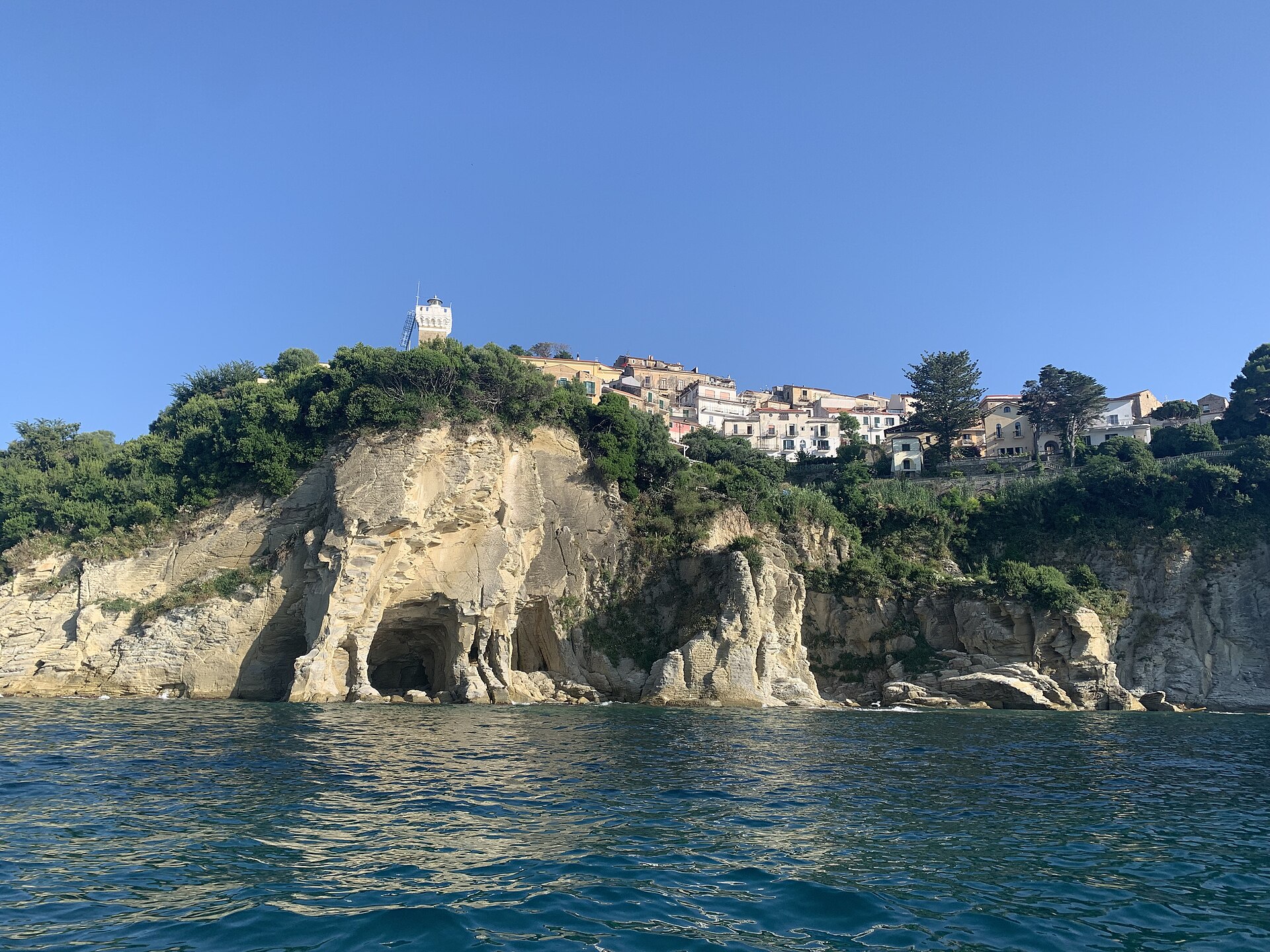
- Capo Palinuro — Palinuro, southern Cilento coast
Capo Palinuro is a rocky headland with cliffs, small coves and sea caves, and views that change with the cloud. Boat trips along the cliffs are usually offered in season, though sea conditions decide whether they run. The town beside it is lively in summer and quiet by October.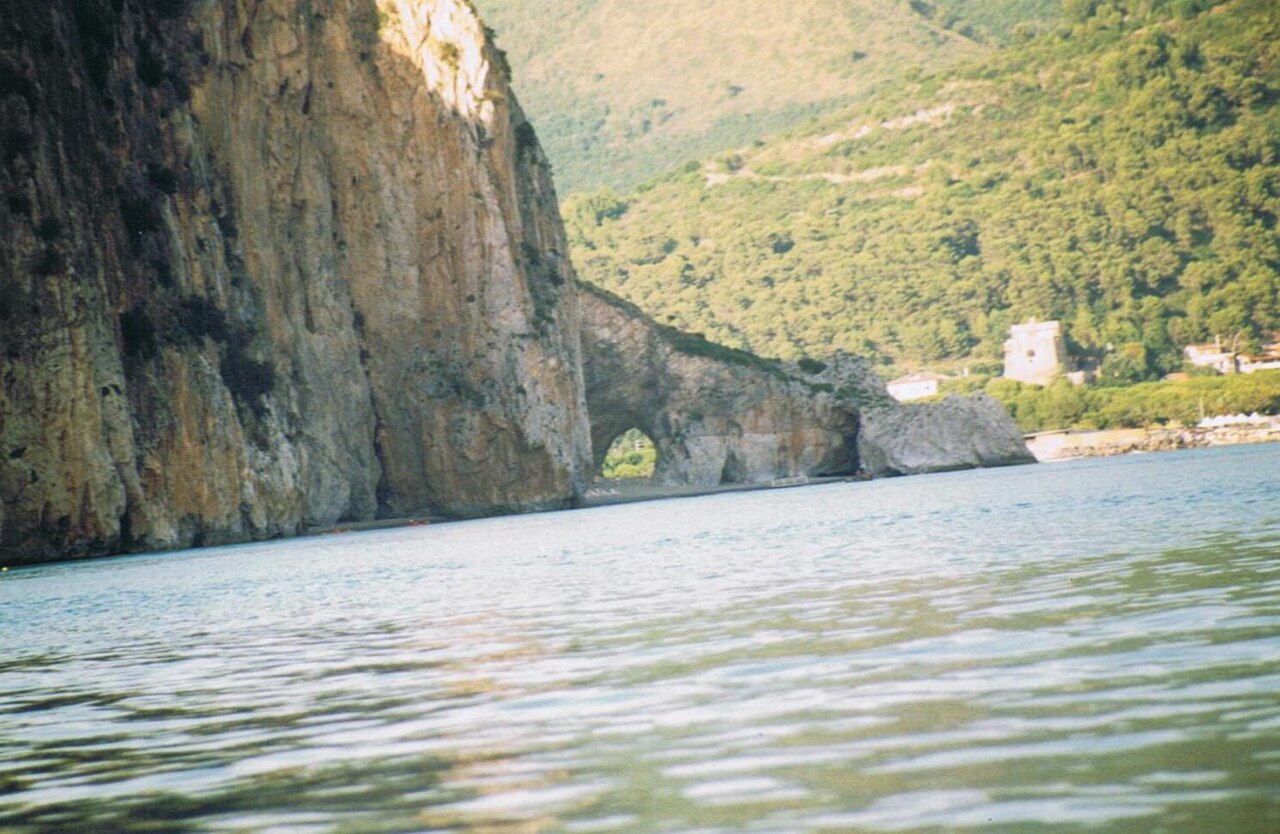
- Alburni and the Vallo di Diano — Inland Cilento
The Alburni rise above the farmland of the Vallo di Diano, and the best views come from the villages on the valley edge. Beech woods and limestone walls reward walkers, but trails are thinly signed in places. Ask at a park visitor centre about routes, and set out early in summer.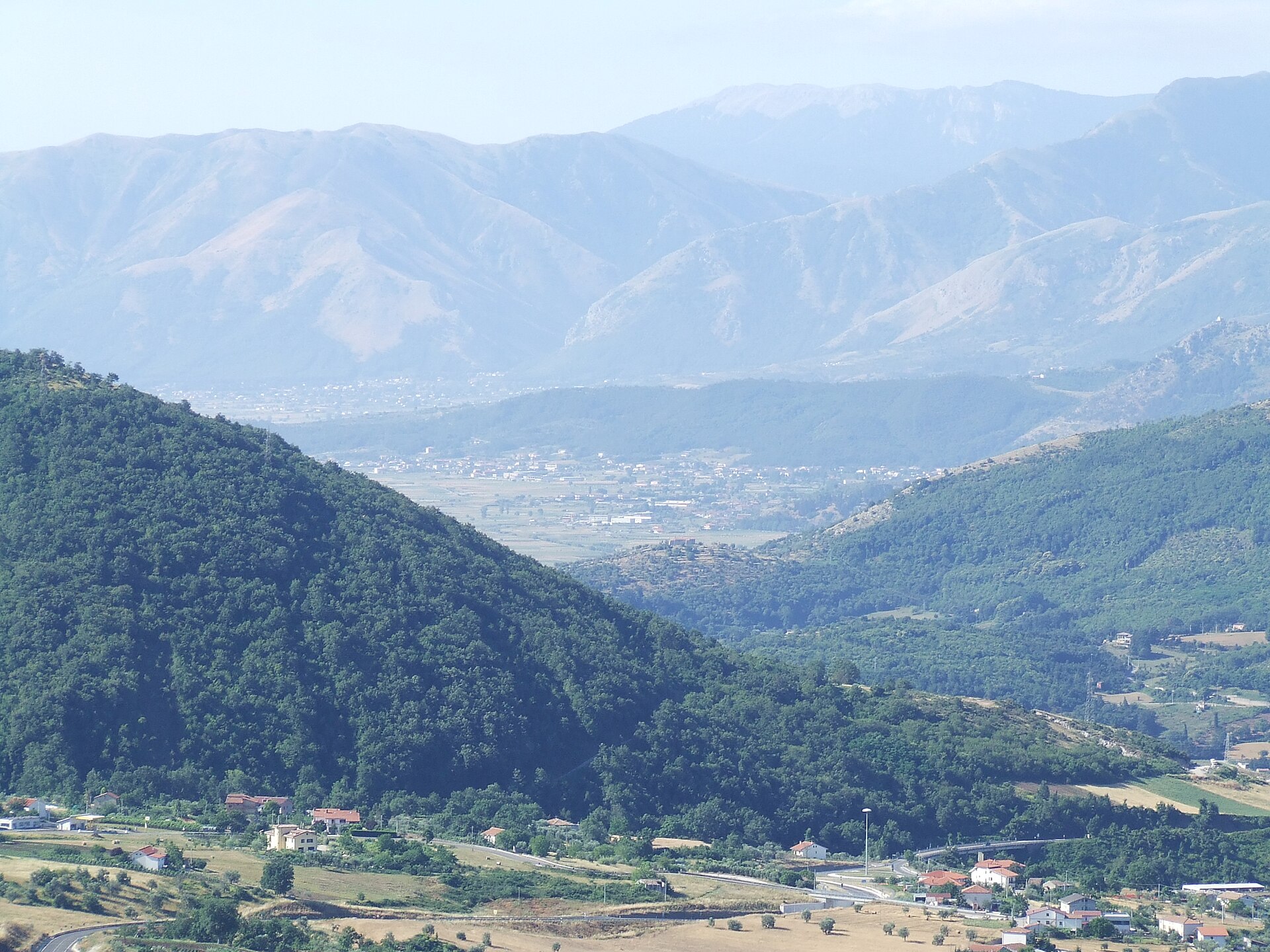
Culture
Cilento, Vallo di Diano and Alburni National Park is a place where daily life still follows village rhythms: coffee at the bar in the morning, a long lunch, shops shuttered through the afternoon and a slow evening stroll around the square. Many households keep olive trees and a vegetable plot, and talk about food is never far away. Catholic patron-saint feasts bring processions, brass bands and fireworks to even the smallest hill village, and in August the sagre, local food festivals, draw residents and relatives who have moved away. Greek and Roman ruins sit close to the working landscape, so ancient history feels less like a museum and more like part of the neighbourhood. English is spoken in the coastal resorts but far less in the interior, where a few words of Italian, a greeting on entering a shop and patience over opening hours go a long way. Visitors who arrive expecting a polished resort scene find something plainer and more local, and that is much of the appeal. Cover shoulders and knees before stepping into a village church, and step quietly aside if a service or procession is under way.
What to wear
Cilento, Vallo di Diano and Alburni National Park has no single costume known across the region, and traditional dress is now mostly seen at festivals and in folk groups. Older rural clothing in southern Italy was made from wool, linen and hemp: long pleated skirts, laced bodices and headcloths for women, and waistcoats, breeches and caps for men. These are brought out for patron-saint days and heritage events, not for daily wear. Today people dress casually and practically. On the coast that means linen shirts, shorts, sundresses and sandals, with something smarter for an evening on the seafront. In the hill villages, older residents tend toward darker, more covered clothes, and a tidy appearance is appreciated. Visitors should pack for sun first: a hat, sunglasses and light, breathable layers. For walking, wear sturdy shoes with grip, since limestone paths are stony and slippery, and long trousers are sensible where vipers or thick undergrowth are possible. Bring a warmer layer for the Alburni, which are cooler than the shore, and for caves. Rocky coves are easier in swim shoes. For churches, carry a scarf or shirt to cover shoulders, and avoid beachwear away from the sand.
What to eat
- Lagane e ceci — Family-run trattorie in inland villages
Wide, flat ribbons of pasta served with chickpeas in a thick, peasant-style sauce. It is filling, plain and best in cooler months. Look for it on handwritten menus in hill villages rather than on the seafront. - Fiorilli (fried courgette flowers) — Village sagre in August and trattorie in summer
Courgette flowers dipped in a light egg-and-flour batter and fried until crisp. They are a summer dish, so the best chance of finding them is at an August food festival, where they arrive hot in paper cones. - Zeppole — Village festivals and local bakeries
Ring-shaped fried doughnuts rolled in sugar, soft inside and sweet. They appear at feast days and sagre, and are best eaten warm, straight from the pan, with a coffee in the square. - Stuffed aubergine — Home-style eateries and family trattorie
Aubergine filled with breadcrumbs and seasoning, then pan-fried until golden. A simple southern Italian dish that turns up as a starter or side, and shows how well local cooks use cheap vegetables. - Buffalo mozzarella — Dairy farms (caseifici) around Paestum
Fresh buffalo-milk mozzarella, often sold as small bocconcini, is made on farms on the plain near Paestum. Buy it the same morning, eat it within hours, and pair it with local tomatoes and bread.
Plan it
Best time. May–June and September–October, when the coast is warm enough for swimming and the trails are comfortable. July and especially August are hot and crowded on the beaches, and inland villages can be very quiet in winter.
How long. 4–5
Getting there. Fly to Naples, then take a train towards Salerno and onward on regional services to Paestum or Agropoli. For the villages, caves and mountains, the last leg is easiest by hire car, as buses are infrequent.
Budget. mid
Tips
- Book coastal rooms well ahead for August, when Italian families fill the resorts
- Start Paestum, Velia and long walks early, because shade is scarce and midday heat is strong
- Carry cash for village shops and festival stalls, and keep cards for larger places
- Wear boots and long trousers on trails, watch for vipers, and avoid walking after dark when wild boar are active
- Fill water bottles before setting out, since refill points are few on mountain routes
Etiquette
- Cover shoulders and knees in churches, and keep quiet during services
- Ask before photographing people at festivals or religious processions
- Stay on marked paths at archaeological sites and never climb on the ruins
Nearby
Sources
- Wikidata Q867361 (CC0)
- Wikipedia: Parco Nazionale del Cilento, Vallo di Diano e Alburni (rev 1369895556) (CC BY-SA 4.0)
- Wikivoyage: Cilento and Vallo di Diano National Park (rev 5397665) (CC BY-SA 4.0)
- Photo: Parco del Cilento a Cannalonga (Trond Ramsvik) (Public domain)
- Photo: Acherontia atropos su un albero (Andrea Bonifazi) (CC BY-SA 4.0)
- Photo: Agropoli dal porto (Vanna06) (CC BY-SA 4.0)
- Photo: Alburni e Vallo di Diano visti da Caggiano (Viaggiatore) (CC BY 3.0)
- Photo: Ancient olive trees (Pyxous) (CC BY-SA 4.0)
- Photo: Blick Richtung Vallo (Villaalbarosa) (CC BY 3.0)
- Photo: Cape of Palinuro 3 (BreilD) (CC BY 3.0)
- Photo: Capo Palinuro nuvole (Rasterisk) (CC BY 3.0)


