Chinon Castle
Chinon Castle, France
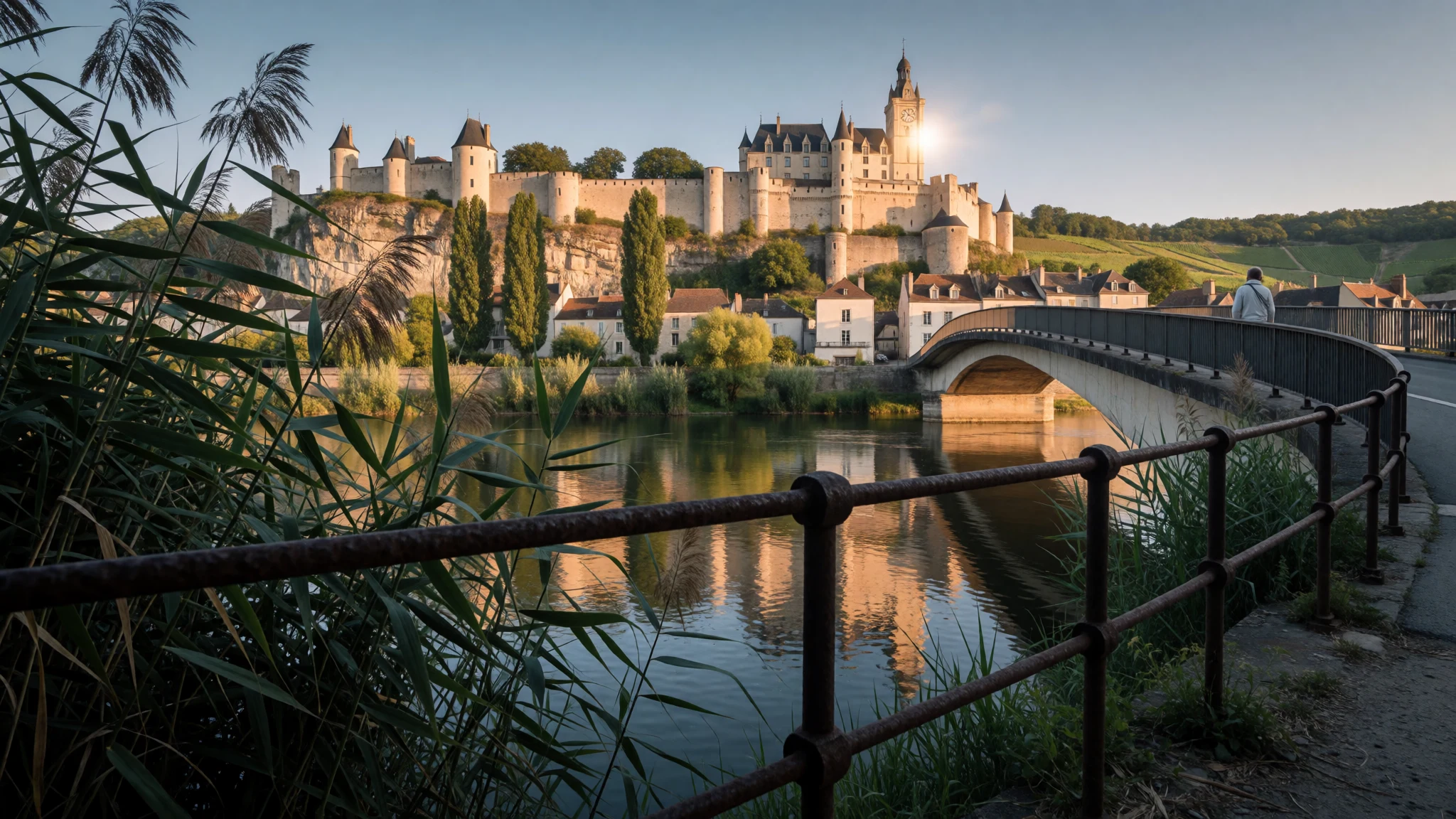
Chinon Castle is a ridge-top Angevin fortress above the Vienne where English and French kings lived, fought and died, now walkable and well restored.
The place
Chinon Castle sits on the north bank of the river Vienne in central France, on a rocky outcrop that falls steeply towards the water. The land did much of the defenders' work: the cliff protects three sides, and a ditch cut across the remaining side closed the gap. What survives is less a single building than a long string of fortified enclosures strung along the ridge, with towers, gateways and stretches of wall at different heights and in different states of repair. Some parts have roofs and floors again; others are open to the sky, and the grass between them is part of the walk. A museum occupies part of the site, and the whole complex is owned and run by the Indre-et-Loire departmental council. After years of neglect it was restored in the early 21st century, which is why the walkways and stonework now feel secure rather than ruinous. Below the walls, the town of Chinon follows the river in a narrow band of old streets, and the best way to grasp the castle's position is to look back at it from the far bank or from the bridge named after Eleanor of Aquitaine, where the whole ridge rises above the roofs. The Vienne runs on to meet the Loire a short way downstream, which explains why this spot mattered: rivers were the main roads of the region, and whoever held the rock watched the traffic. Expect a steady climb from the town, wind on the exposed ramparts and little shade in summer. Crowds thicken in July and August and during French school holidays, but the site is large enough that it rarely feels shut in. Opening details change, so check the official site at http://www.forteressechinon.fr/ before going.
Its story
Chinon Castle began as an early medieval stronghold of the counts of Blois, built on a hill that people had already fortified in Roman times. Control passed to the counts of Anjou in the 11th century, after a run of raids and captures that ended with the Blois count agreeing to give up Chinon in return for his freedom. The real turning point came with Henry II of England, himself an Angevin, who took the castle from his rebellious brother in 1156. He liked Chinon, spent long periods here, and most of the standing structure dates from his reign. He died in the castle in 1189. Within two decades the English hold was broken: Philip II of France besieged Chinon for several months and captured it in 1205, and it stayed under French control from then on. In the early 14th century, several leading Knights Templar were held here after Philip IV accused the order of heresy. In the 15th century the castle served Charles VII as a royal residence, and that court is the link to Joan of Arc, who came to Chinon to meet him during the long war with England. By the second half of the 16th century the castle had become a prison, and afterwards it was simply left to decay. Protection arrived in 1840, when it was classed as a historic monument, but repair was slow, and the major restoration of the early 21st century finally put the fortress on a firm footing.
What to see
- Royal lodgings and great hall — Middle enclosure of the castle
The royal lodgings at Chinon Castle are where the court lived, and the great hall is the room that is easiest to picture in use. Walk the upper levels slowly: the windows frame the town roofs and the valley, and the thick walls explain why the household felt safe here.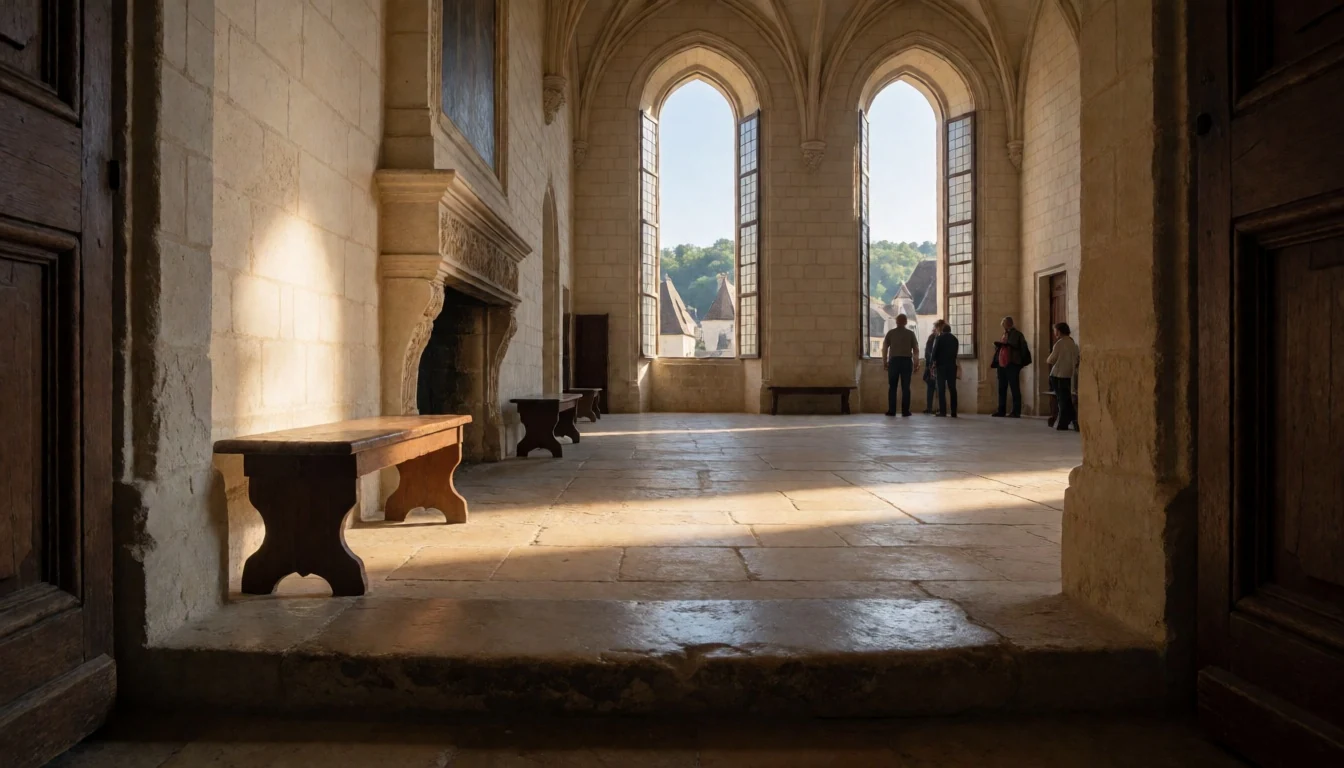
- Clock Tower and the Coudray fort — Within the castle complex
Within Chinon Castle, the clock tower and the Coudray fort show the defensive side of the site. A bridge links the Coudray enclosure to the next one, and the ramparts give long views along the ridge. It is the part to visit if you want towers rather than furnished rooms.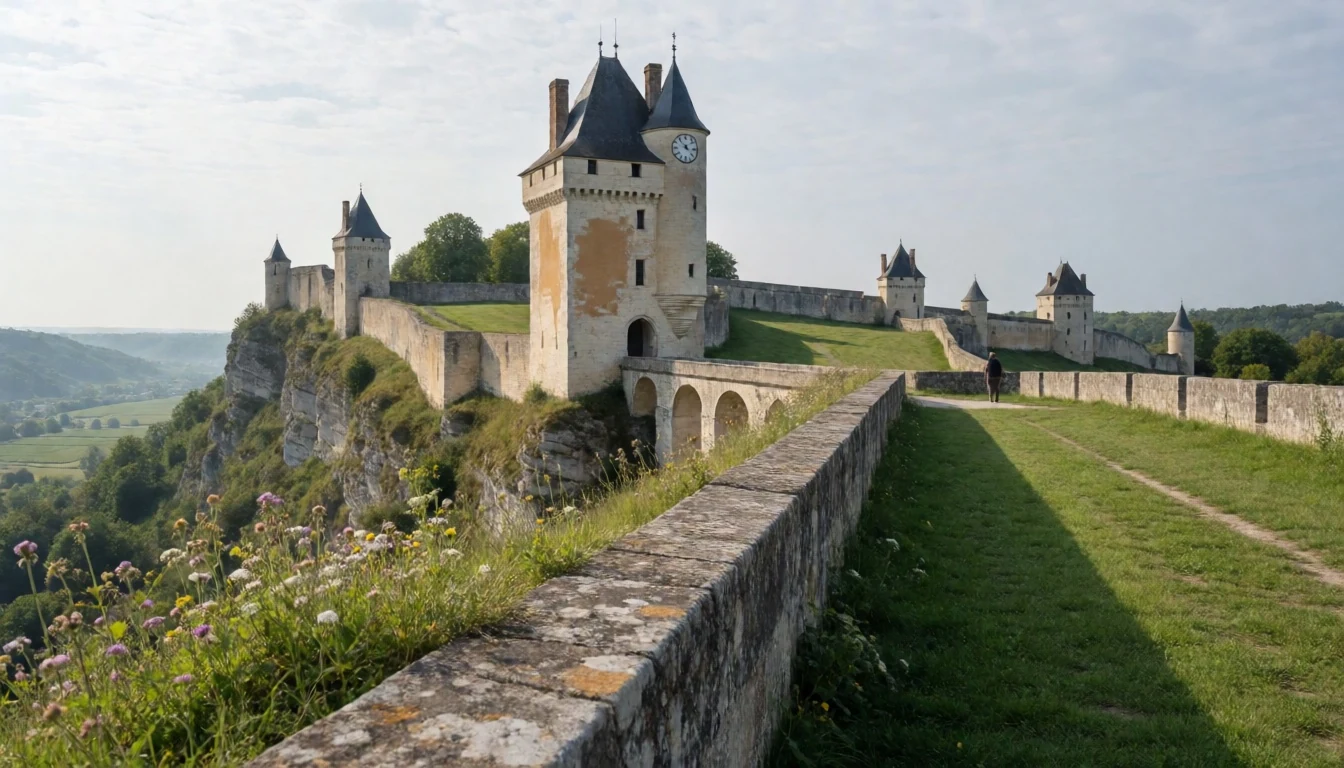
- Old Chinon and the river bridge — Old town and riverfront
The old town below Chinon Castle is a good hour's wander of narrow streets and pale stone houses. Finish at the bridge named for Eleanor of Aquitaine, or on the far-bank beach, where the full ridge of the fortress is visible above the water.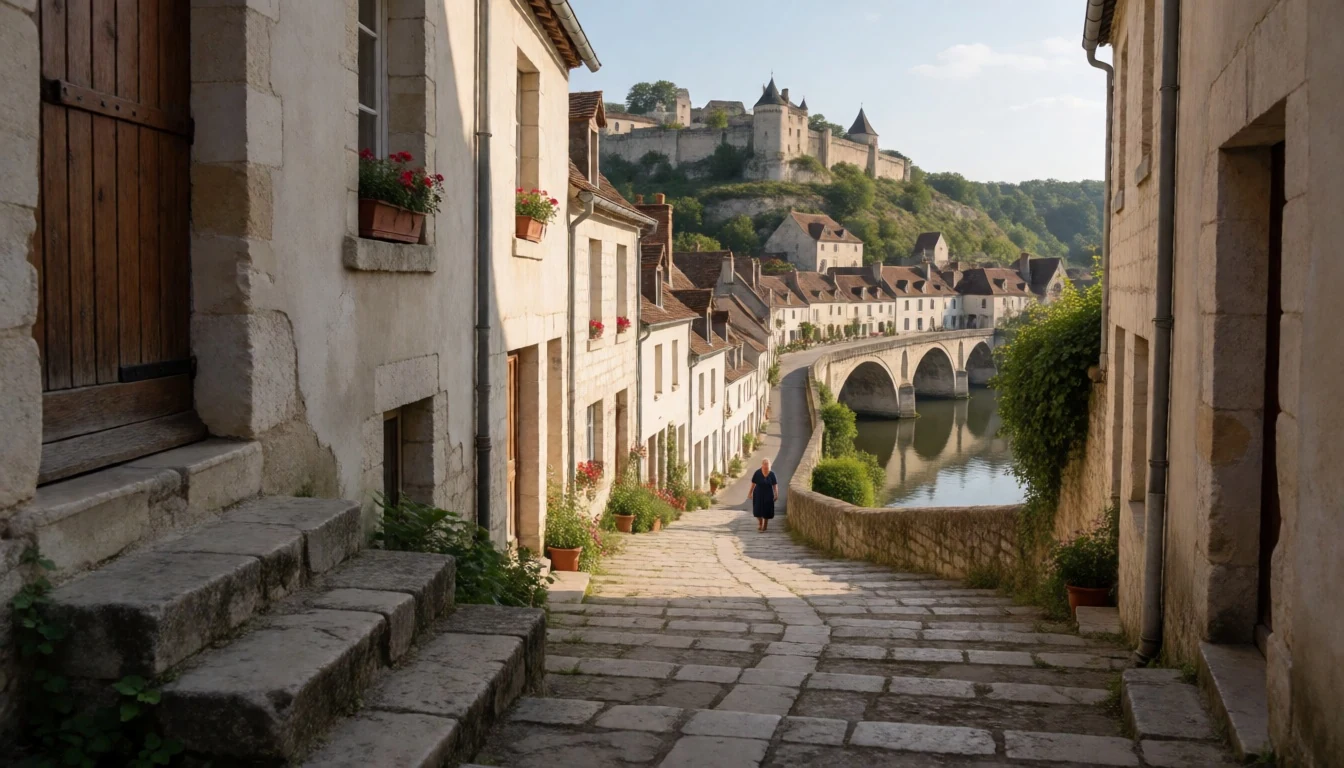
- Église Saint-Étienne — East side of the old town
Église Saint-Étienne is one of the town's churches, a quiet stop between the castle and the river streets. Visit it for a sense of Chinon as a living parish rather than a monument. Opening times vary, so ask at the local tourist office.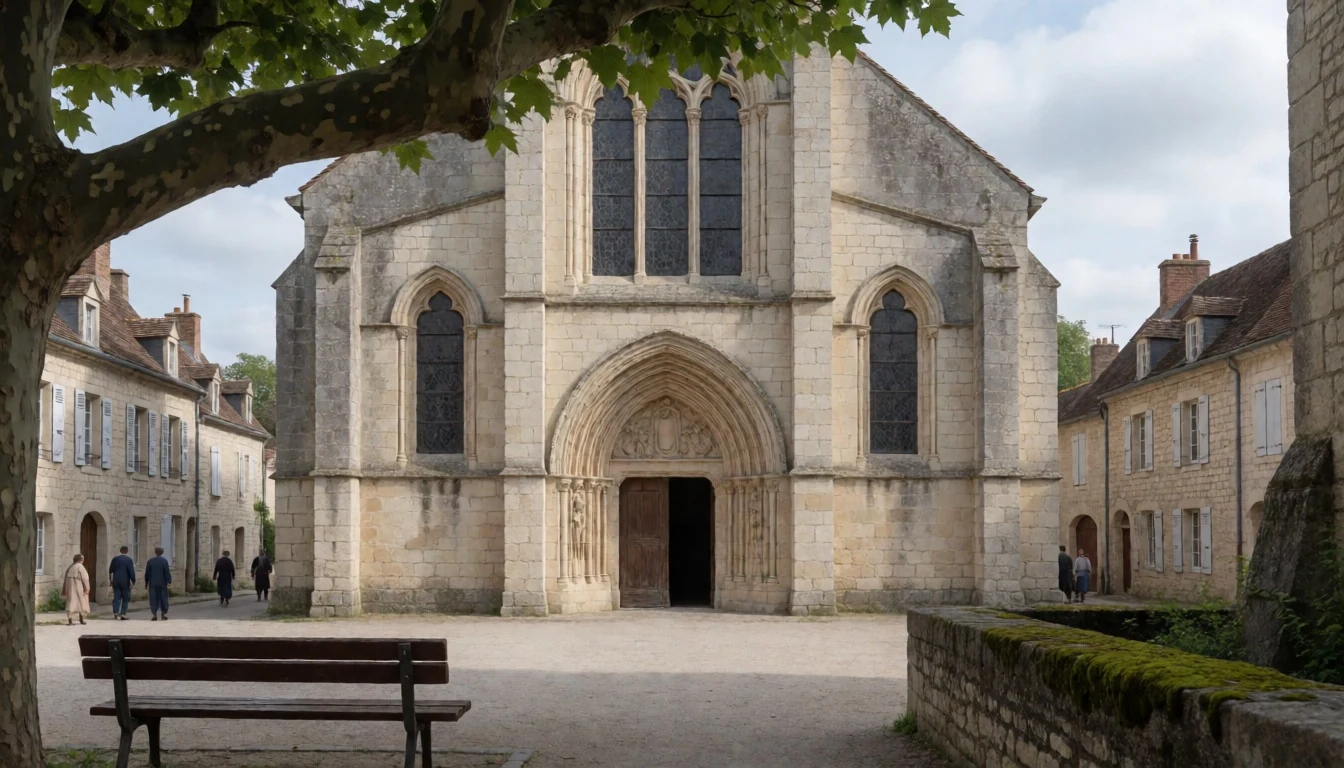
- Musée animé du Vin et de la Tonnellerie — Old town, near the river
This museum covers the wine and barrel-making trade that shapes Chinon's economy. It is a sensible rainy-day choice and a useful primer before a cellar visit, since the vineyards around the town are a large part of why people stay on after the castle.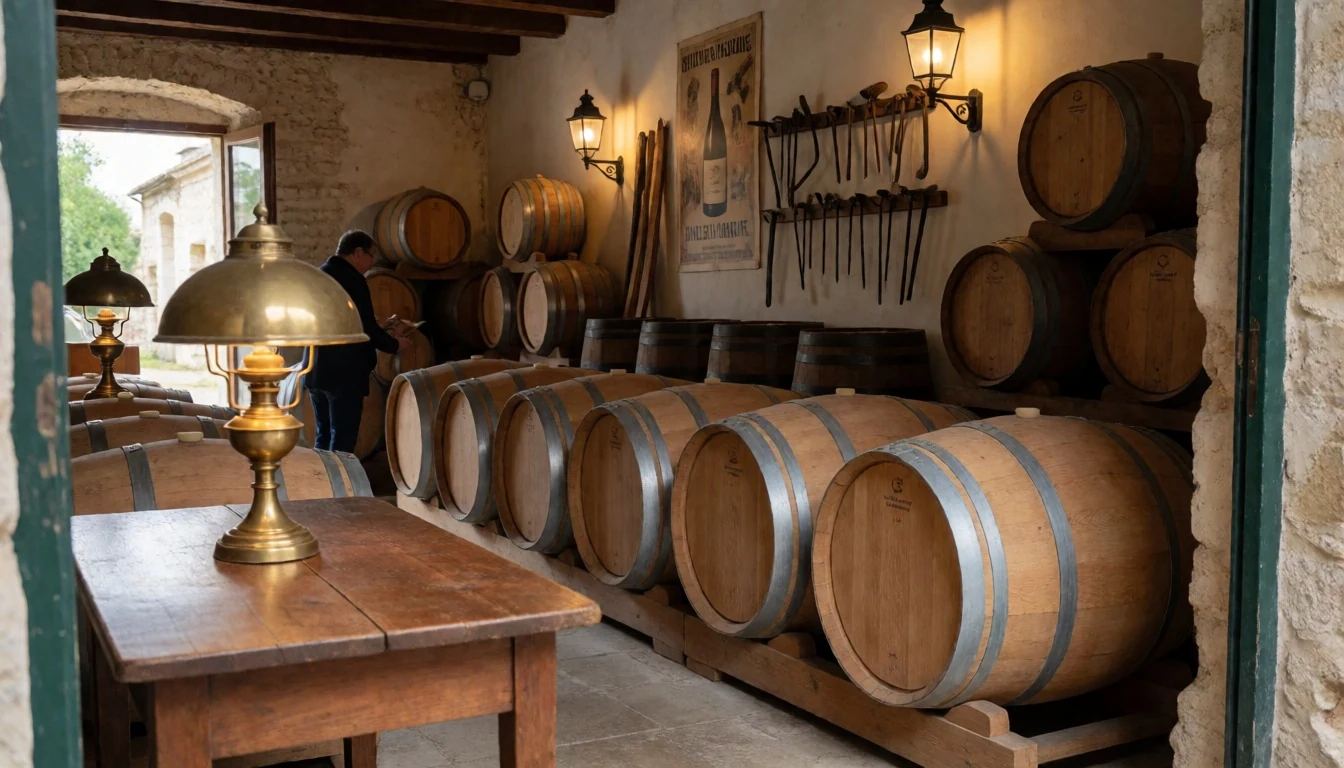
Culture
Chinon Castle gives the town its identity, but daily life in Chinon is shaped just as much by wine and by the slow rhythm of a small Loire town. Medieval history is worn lightly: the old streets, the half-timbered houses and the fortress above are simply the setting for markets, school runs and long lunches. The writer François Rabelais is associated with the surrounding countryside, and local pride in him sits comfortably alongside pride in the kings who lived on the rock. Wine is the other thread. Vineyards run through the valley, and cellars are often cut into the hillside, so a tasting is as much a cultural visit as a drink. Meals are unhurried, and many small shops close for a midday break, so plan errands for the morning. French is the working language; English is understood in the main tourist places, but a bonjour on entering any shop, café or cellar is expected and noticeably warms the exchange. Local events through the year often lean on the town's medieval past, and entry to such events is usually informal. At a winery, book ahead if asked, greet the host with a bonjour, and use the spittoon rather than finishing every sample if you are driving afterwards.
What to wear
Chinon Castle belongs to a region without a famous everyday folk costume, so the traditional dress most visitors meet is historical. Medieval and Renaissance courts here wore wool, linen and silk, and the Touraine area around Tours was long associated with silk weaving. Today you will see that heritage mainly in costumed local events and in museum displays, not on the street. What people actually wear in Chinon is plain, practical French smart-casual: jeans or chinos, linen shirts and light jackets in summer, knitwear and a scarf in cooler months, and good shoes for cobbles. Vineyard workers wear sturdy outdoor clothes, and locals dress slightly better for a restaurant lunch than visitors sometimes expect. For a visitor, comfort comes first. Wear flat, grippy shoes, because the castle paths are uneven, sloping and in places stony, and the town streets are cobbled. Bring a hat and sunscreen for summer, since shade on the ramparts is limited, and a windproof layer for exposed walls in spring and autumn. Pack a light waterproof, as Loire weather can turn. There is no strict dress code at the castle, but churches and any religious site call for covered shoulders and knees. Shorts and sandals are fine in town, though most cellars are cool and damp, so a light extra layer is useful.
What to eat
- Chinon red wine — Wine cellars around the town and the vineyards nearby
The red wines of Chinon are the local pride, and people in France seek them out. Drink a glass with lunch or visit a cellar in the hillside. Bottles are easier to find here than abroad, where they can cost much more.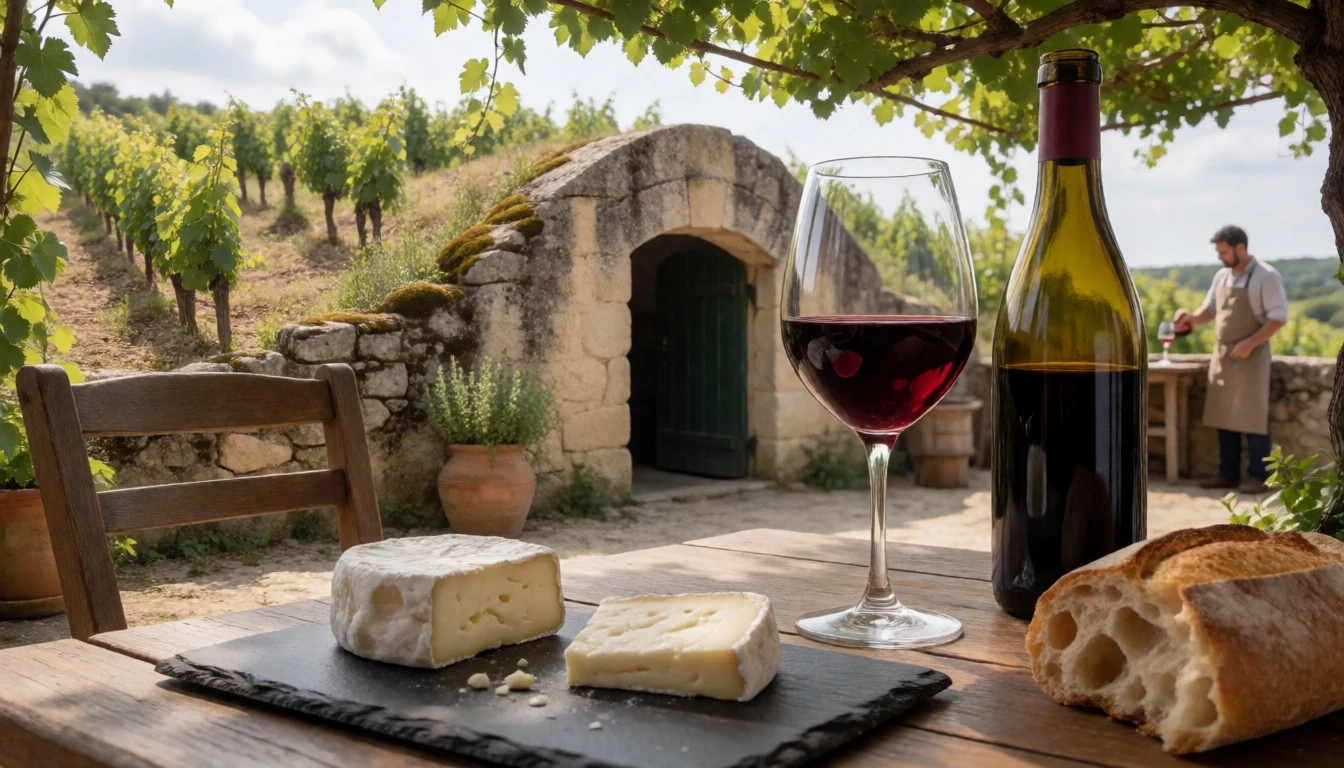
- Chinon white and rosé — Producers' cellars and café terraces in the old town
Alongside the reds, producers make white and rosé wines that suit warm afternoons and lighter dishes. They are less well known than the reds, so ask the producer or the waiter what they would pour with the day's menu.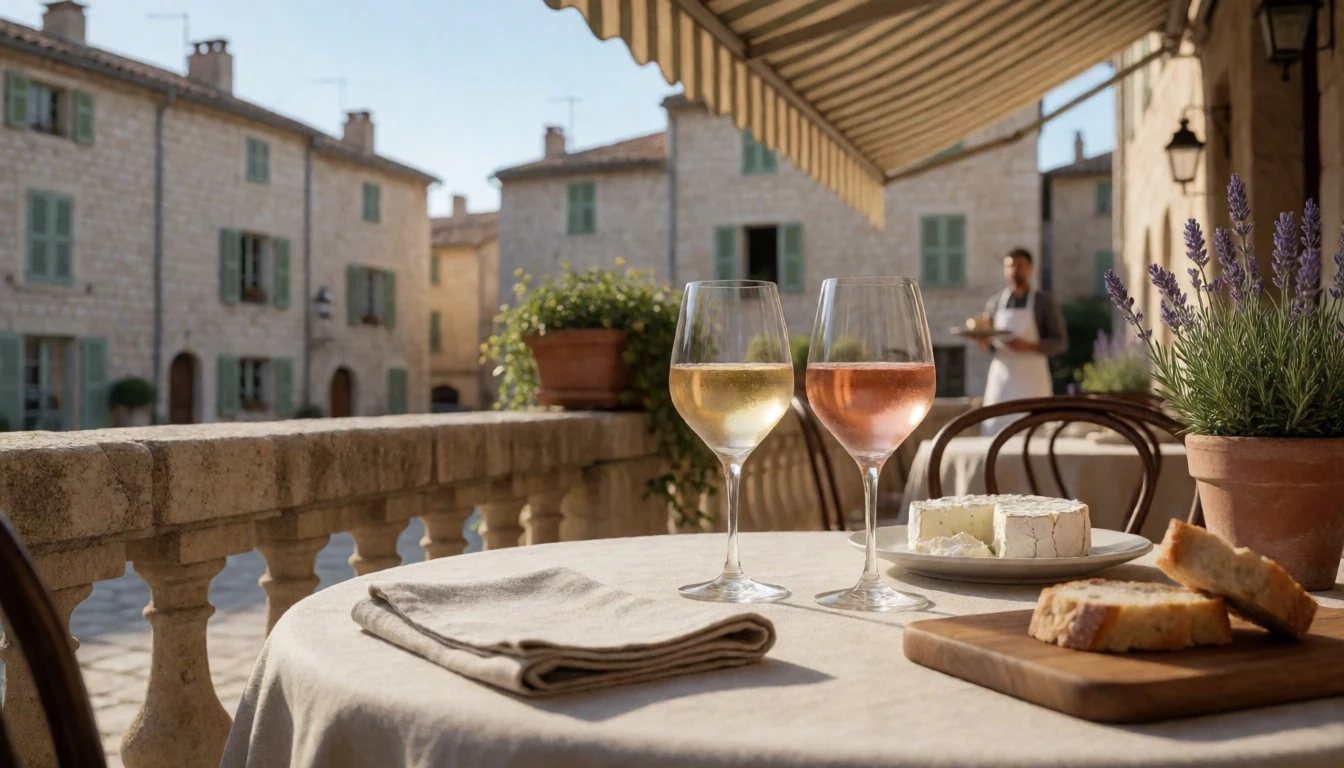
- Sainte-Maure de Touraine — Weekly market stalls and cheese counters in town
This goat's cheese from the Touraine area is a log with a straw running through its centre. It appears on cheese boards and in warm salads, and it goes well with a young local white or red. - Rillettes and rillons — Charcuterie shops and the morning market
Rillettes are slow-cooked, shredded pork spread on bread, and rillons are pieces of pork cooked until crisp outside and tender inside. Both are traditional in the Loire valley and sit well beside a glass of red. - River fish with butter sauce — Traditional restaurants in the old town
Fish from the Loire basin, often pike-perch, is served in classic restaurants with a pale butter sauce called beurre blanc. It is a gentle dish that shows the white wines of the valley to good effect.
Plan it
Best time. May–June and September–October: the weather is mild, the vineyards are green or turning, and the summer peak has passed or not yet begun. July and August are warmer and busier, and winter is cool and damp with shorter days.
How long. 1–2
Getting there. Fly or take the train to Paris, then travel to Tours, which is a short drive from Chinon. From Tours, hire a car or check regional bus and train links for the last leg; confirm timetables locally before travelling.
Budget. mid
Tips
- Go early in the day to climb the ramparts before the summer sun and the tour groups arrive
- Check opening times and ticket details on the official site, http://www.forteressechinon.fr/, before you set off
- Wear sturdy flat shoes for uneven castle paths and cobbled streets
- Book a cellar tasting ahead if you want to visit a producer, and arrange a driver or taxi if you plan to taste
- Pair Chinon with other Loire châteaux and towns by car, since several are within a short drive
Etiquette
- Say bonjour when entering shops, cafés and cellars
- Book ahead for winery visits if asked
- Keep to marked paths on the ramparts and away from unfenced edges
Nearby
Sources
- Wikidata Q912447 (CC0)
- Wikipedia: Château de Chinon (rev 1371476657) (CC BY-SA 4.0)
- Wikivoyage: Chinon (rev 5205732) (CC BY-SA 4.0)
- Photo: Château de Chinon vu de la Vienne (Franck Badaire) (CC BY-SA 2.0)
- Photo: Chinon, castle viewed from the beach (Benjamin Smith) (CC BY-SA 1.0)
- Photo: Eleanor of Aquitaine bridge and castle (Benjamin Smith) (CC BY-SA 1.0)
- Photo: Chinon castle, clock tower (Benjamin Smith) (CC BY-SA 1.0)
- Photo: Chinon castle, Coudray tower (Benjamin Smith) (CC BY-SA 1.0)
- Photo: Site of Saint-Melaine chapel plaque (Boncoincoin) (CC BY-SA 4.0)
- Photo: Grande salle, château de Chinon (CC BY-SA 2.5)
- Photo: Logis royaux du château de Chinon (CC BY-SA 2.5)


