Chennai
Chennai, India
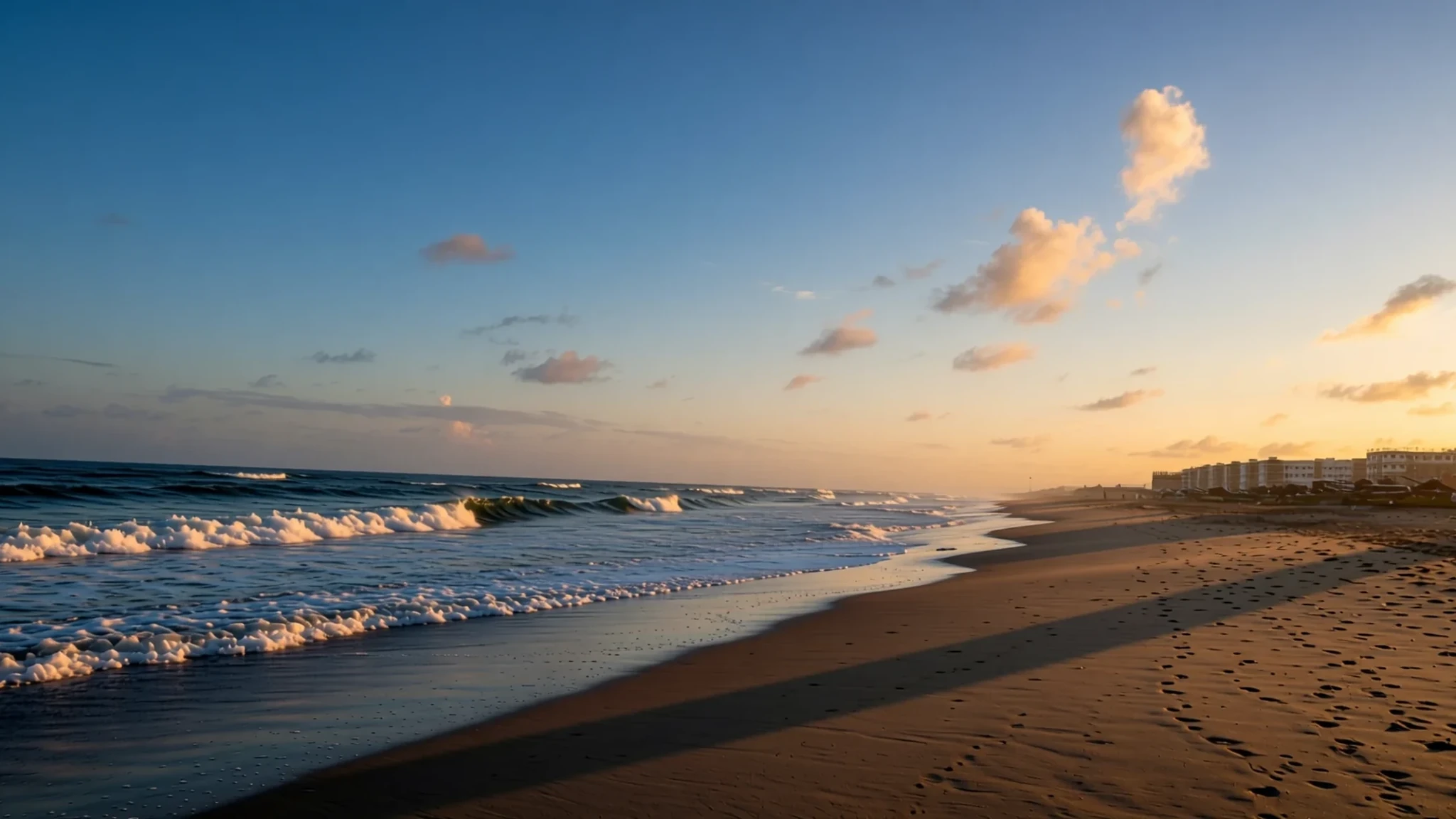
Come for the temples, the colonial core and the seafront at Marina, and plan your days around the heat.
The place
Chennai, known for much of the last four centuries as Madras, is the capital of Tamil Nadu and the largest city in the state. It sits on the Coromandel Coast, where the land faces the Bay of Bengal, and it has a population of roughly 6.6 million. The city is only six metres above sea level, so it is flat, and its streets run in a grid around older districts that were laid out in the colonial period.
The centre feels different from the outskirts. Around the old fort and the government buildings, courts, banks and offices sit beside busy markets and tea stalls. Further south and west, the landscape changes to apartment blocks, software parks and shopping malls. Chennai is not a city of single headline sights. Its attractions are spread across neighbourhoods, so you will spend time in auto-rickshaws and taxis, and traffic is dense for much of the day.
Each area has its own pace. Mylapore is the place for temples and older lanes. T. Nagar is busy with shoppers and silk stores. Marina Beach draws crowds in the evening when the air cools. The city runs on its own schedule, and it rewards visitors who arrive early, eat at local places and walk slowly through the neighbourhoods rather than rushing from one famous name to the next.
Its story
The area around Chennai has a long past. Stone Age tools have turned up near Pallavaram on the city's edge, and the wider site shows evidence of early settled life. By the first century CE, the region was part of the wider Tamil world, and the poet Thiruvalluvar, whose couplets are still widely read, is traditionally linked with the old neighbourhood of Mylapore.
Over the following centuries, power in the region passed between the Cholas, the Pallavas, the Pandyas and later the Vijayanagara Empire. Pallava rulers in particular left a strong mark on the coastal settlements to the south. Trade brought new arrivals. The Portuguese came in 1522 and built a port at São Tomé, named after the apostle St Thomas, who is believed by tradition to have preached in the area. The Dutch set up a presence near Pulicat, north of the city, in 1612.
The British arrival is the turning point that shaped the city people know today. In 1639, the East India Company obtained a grant of a narrow coastal strip containing the fishing village of Madrasapattinam. The British developed the port and built Fort St George, their first fortress in India. Through the eighteenth century the British and the French fought for control of the city, and the fort's walls still stand as the most visible record of that rivalry.
What to see
- Marina Beach — Central Chennai, eastern seafront
Marina Beach runs for miles along the city's eastern edge and is the place most Chennai residents go in the evening. It is a long, open stretch of sand with stalls selling roasted corn, sundal and snacks along the promenade. Go in the cooler hours, around dusk, and expect crowds on weekends. Early mornings are calmer, with joggers, fishing boats and a fresh breeze off the sea.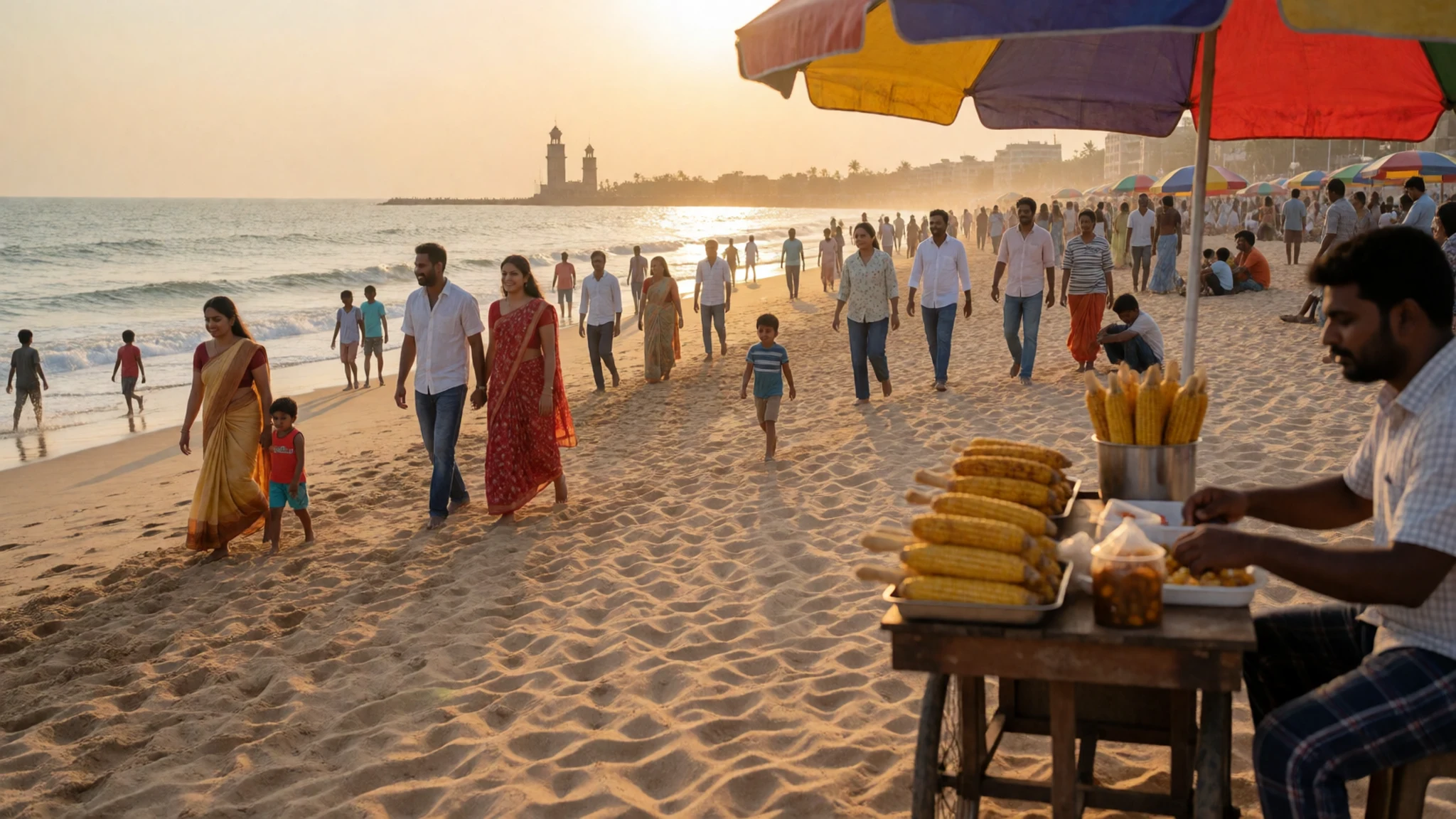
- Kapaleeswarar Temple, Mylapore — Mylapore
Kapaleeswarar Temple is the principal Shiva temple of Mylapore, with a tall gateway tower, or gopuram, that rises above the surrounding lanes. Its colourful sculpted figures are a clear sign of how Tamil temple architecture works. Visit in the morning, when the courtyards are quieter and worshippers are at their busiest. Remove your shoes at the entrance and cover your shoulders and knees.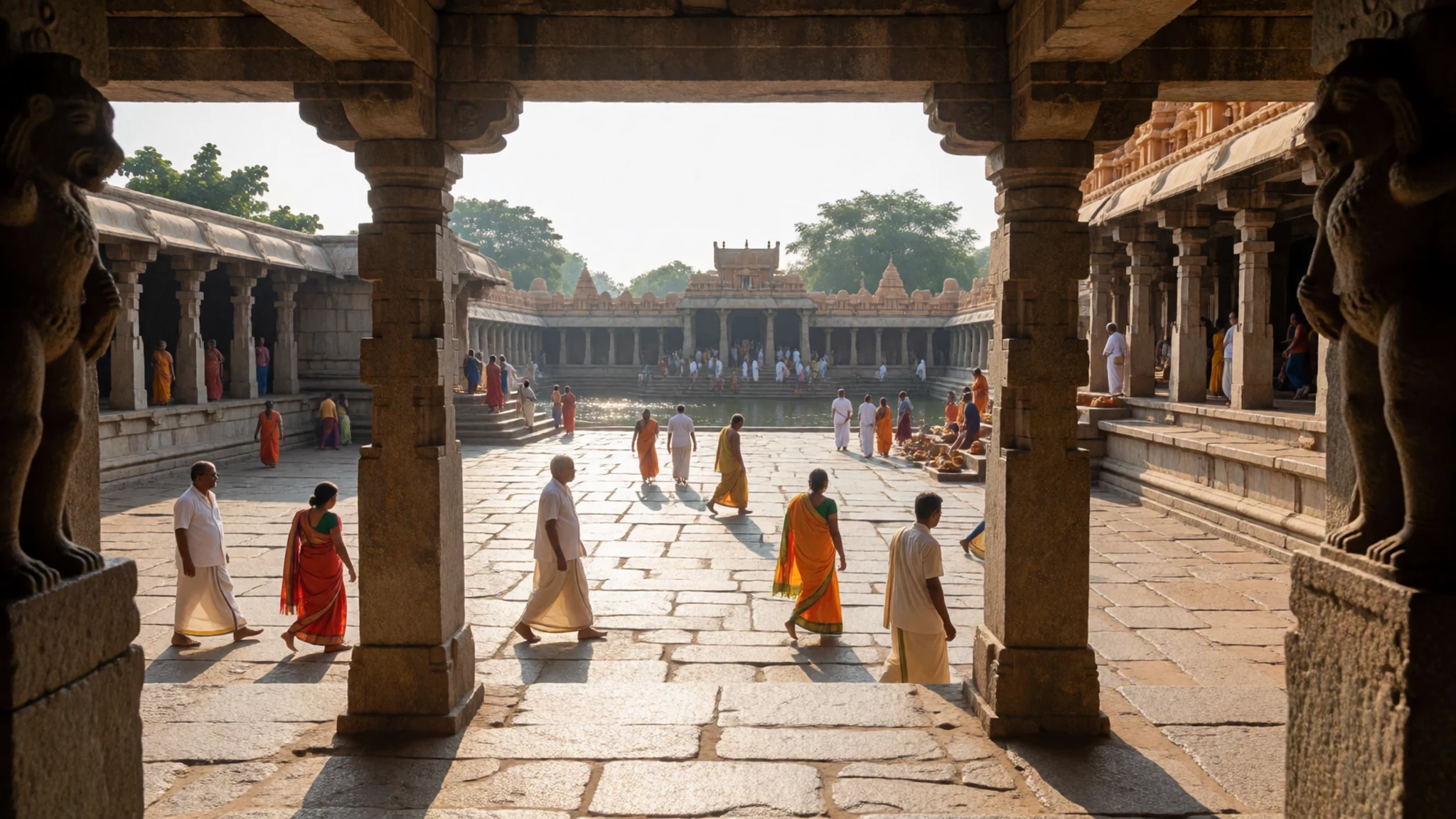
- Fort St George — Fort area, north-east Chennai
Fort St George is the first British fortress in India and the starting point for the city's colonial story. Its walls, gates and old buildings sit beside modern government offices, so the site still feels like a working part of the city. Allow an hour or two. Check the official site for opening times and any current entry rules, as these can change.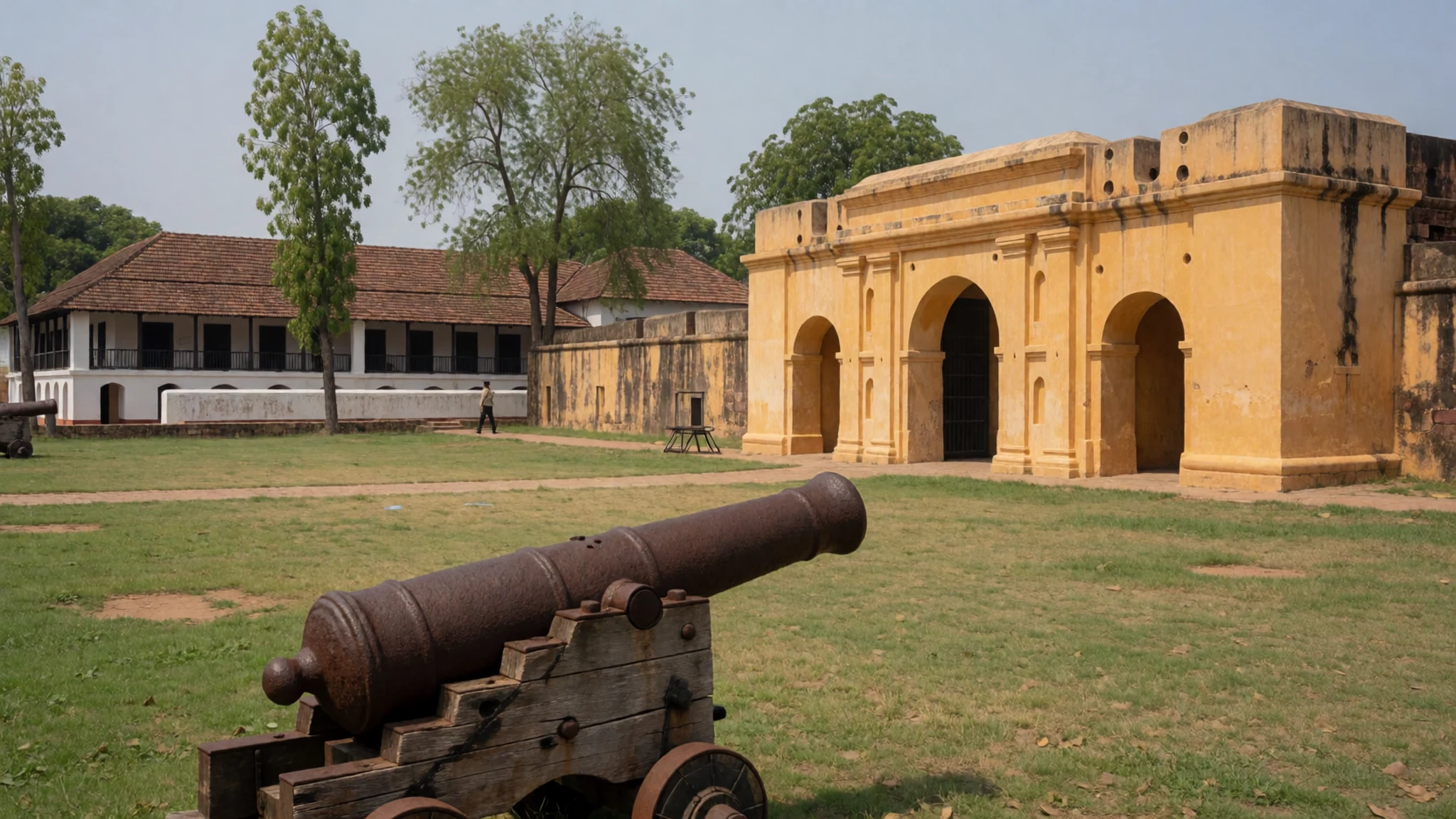
- Valluvar Kottam — Nungambakkam
Valluvar Kottam is a memorial to the Tamil poet Thiruvalluvar, built in the shape of a chariot. Its stone carvings and pillared halls hold displays on the poet and his work, and the central hall is quiet and shaded. It is an easy visit in the late afternoon. Bring water, because the open courtyards hold heat well into the evening.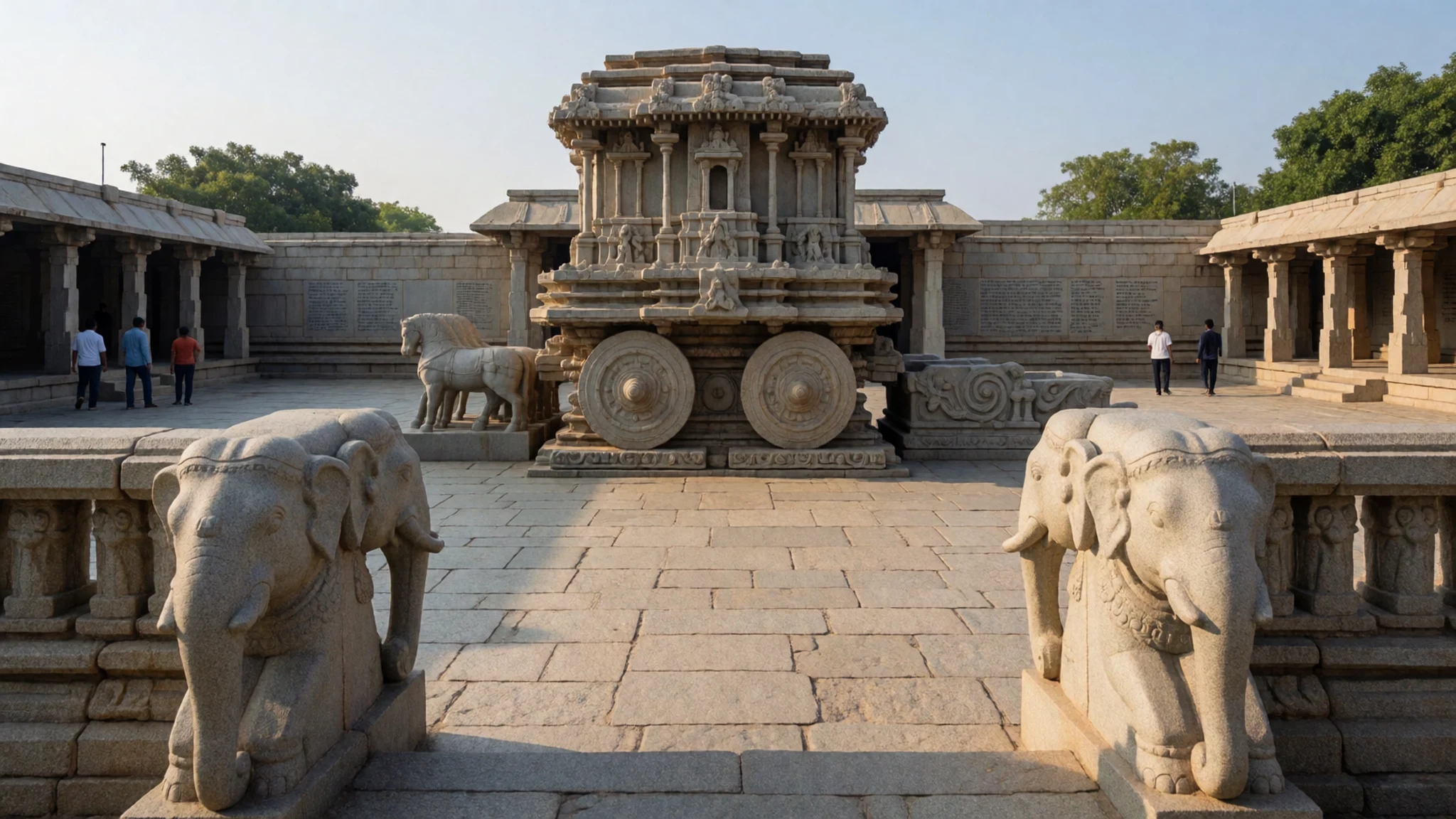
- Ripon Building — Central Chennai, near the Corporation offices
The Ripon Building is a large colonial-era block that houses the offices of the city's municipal administration. Its scale and its arched frontage give a clear sense of how the British shaped the centre of Chennai. You can admire the exterior from the street and the surrounding square. Photographing government buildings can be restricted, so keep your camera down near security posts.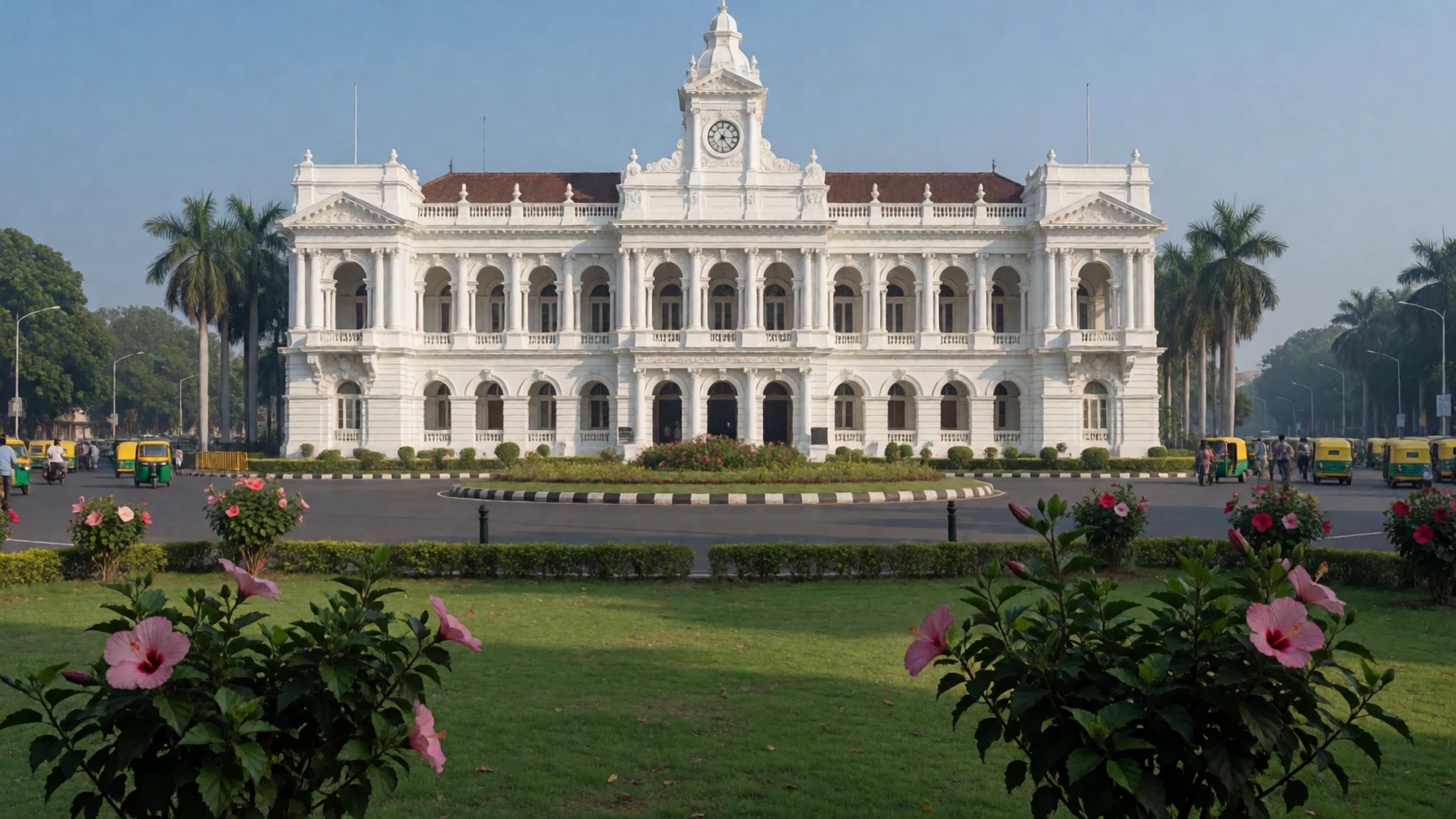
Culture
Tamil is the language most people in Chennai speak at home and in the market, and it is the language of local identity in the city. English is widely spoken in offices, shops and by many of the younger professionals who work in the city's technology and business sectors. You will also hear Telugu, Urdu, Hindi and Malayalam, and a local variety of Tamil called Madras Bashai that mixes in words from English and Telugu. Visitors who learn a few Tamil greetings usually get a warm response.
Chennai's population is mostly Hindu, with sizeable Muslim and Christian communities. Temples, churches and mosques sit close together in many neighbourhoods, and religious life is part of everyday routine. Festivals bring processions, music and crowds to the streets, so check local dates before you travel if you want to see them.
Courtesy goes a long way. People often greet with a nod or a raised hand rather than a handshake, and it is polite to use your right hand for giving and receiving money or food. Public displays of affection are uncommon, and locals appreciate quiet manners in religious spaces. Always ask before photographing people, especially women and worshippers at a temple. Keep your voice low and wait your turn at shrines, and when you enter a temple, leave your shoes at the entrance as everyone else does.
What to wear
Traditional dress in Chennai centres on the sari for women, usually in silk or cotton, and the veshti or dhoti for men, a length of cloth wrapped around the waist. Silk saris are associated with festivals and weddings, and handloom cottons are worn for everyday occasions. Patterns often use a contrast border, and Tamil weaving traditions favour bright, clearly defined colours. Men wear a shirt with a veshti at formal events and religious occasions.
In daily life, most people wear Western-style clothes, especially in offices and colleges. Jeans, shirts and trousers are common, and many women wear salwar kameez, a tunic and trouser set that suits the heat and the city's pace. Saris remain common at weddings, temples and family gatherings, and you will see them on women of every age.
For a visitor, the main considerations are the heat and the temples. Choose loose, light cotton or linen, and carry a scarf or shawl to cover your shoulders and knees when you go inside a temple. Lightweight trousers or a long skirt work well in the sun. Wear shoes you can slip on and off easily, since you will remove them often, and avoid heavy, closed footwear in the afternoon heat.
What to eat
- Idli and dosa — Any traditional tiffin room in Mylapore or T. Nagar
Idli are soft, steamed rice and lentil cakes, usually served with coconut chutney and a lentil stew called sambar. Dosa are thin fermented crepes that come crisp or soft. Order them for breakfast at a traditional vegetarian eatery, where they are served fresh and often accompanied by filter coffee.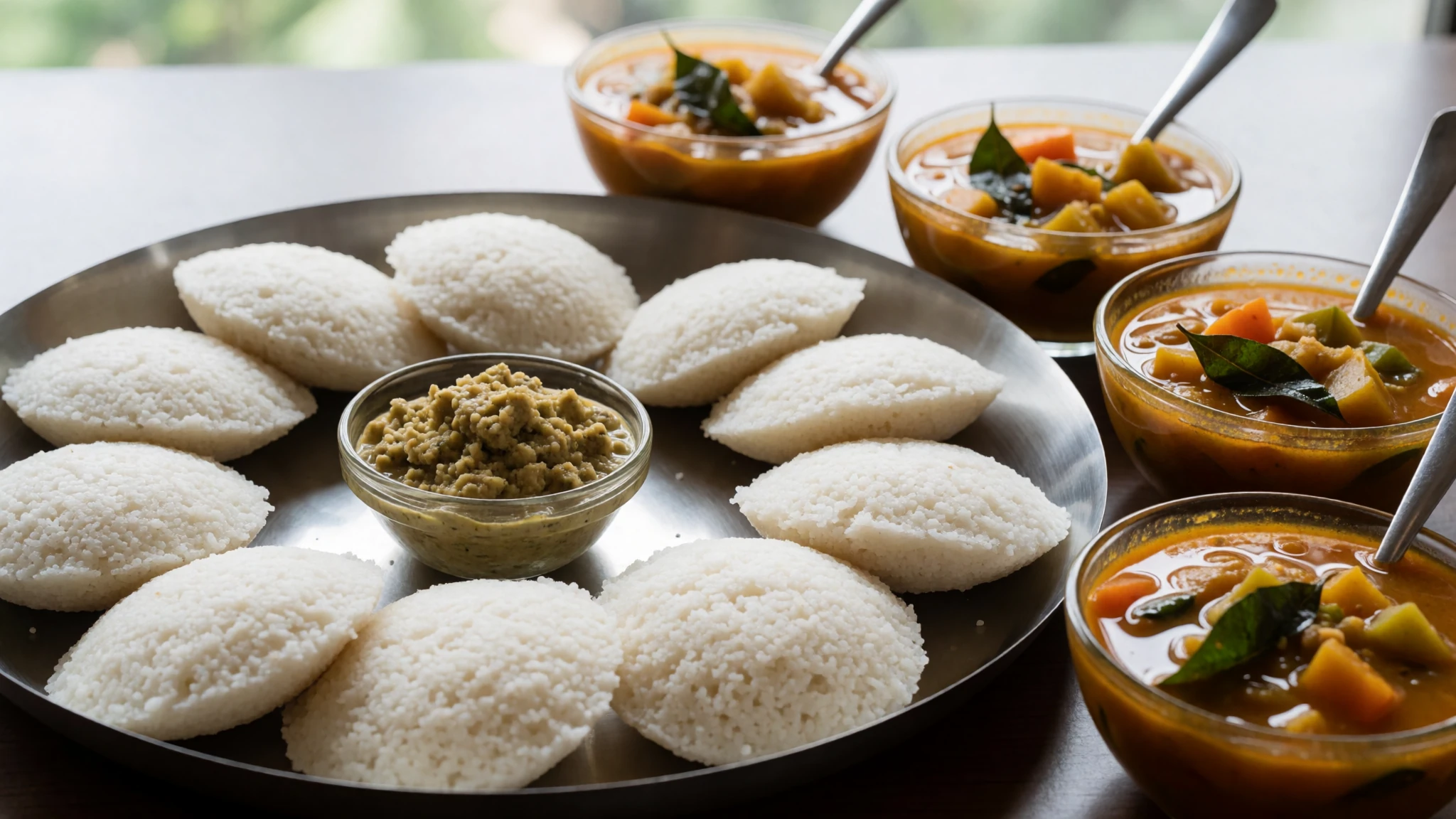
- Filter coffee — A coffee shop or tea kadai on a busy street
Chennai's filter coffee is strong, milky and sweet, brewed in a metal drip filter and served in a small steel tumbler. Drink it hot and at a standing counter, where it is cheap and quick. It is a good mid-morning stop between temple visits.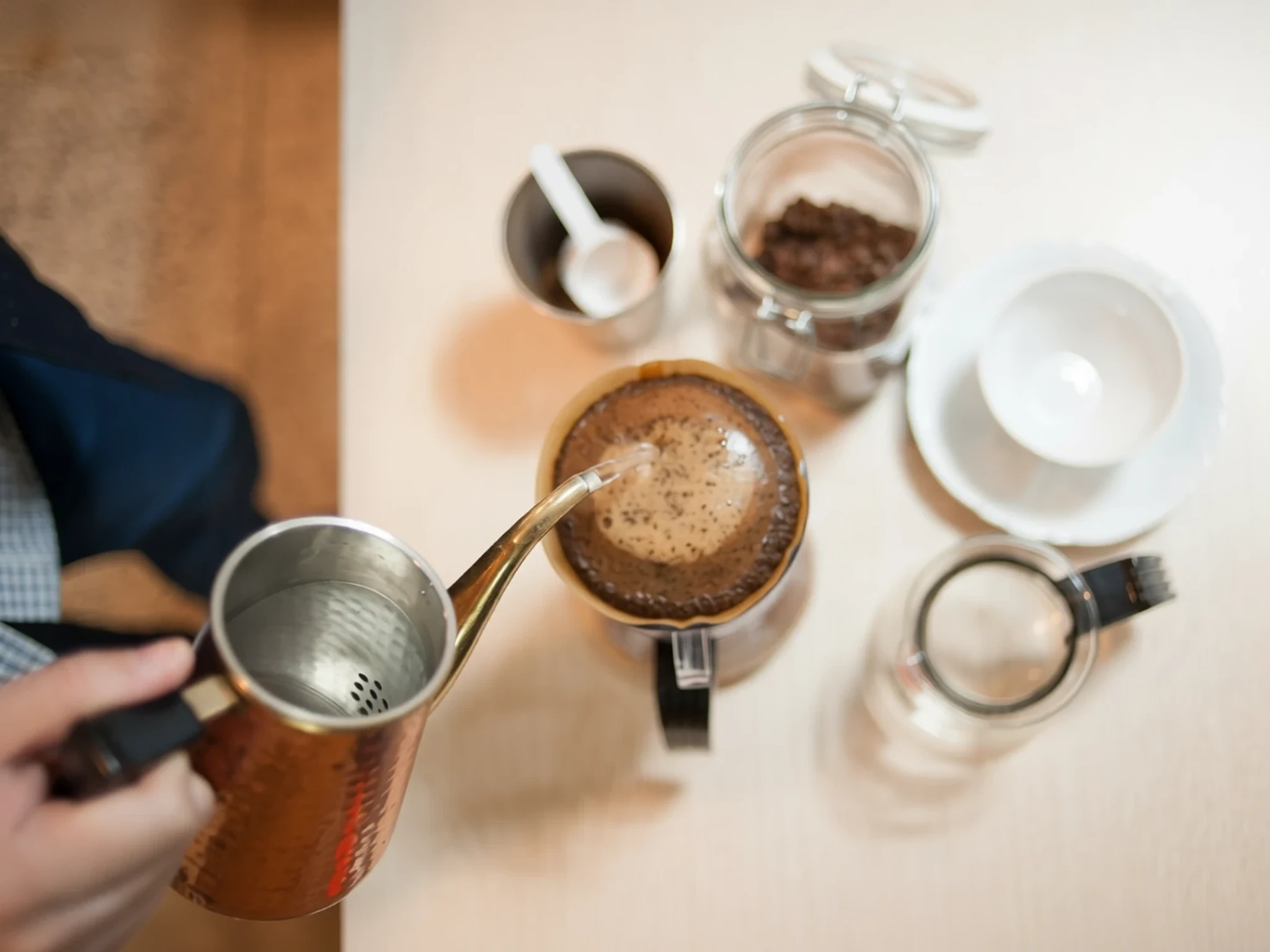
- Meals on a banana leaf — A traditional vegetarian restaurant near the main roads
A full vegetarian meal is laid out on a fresh banana leaf, with rice, several vegetable curries, pickles, yoghurt and sweets. Eat with your right hand and ask for more when your leaf is empty. These meals are served at lunchtime in many restaurants. - Kothu parotta — Late-night street stalls across the city
Kothu parotta is shredded flatbread stir-fried on a hot griddle with egg, spices and sometimes meat, chopped rapidly with two metal blades. It is a late-night favourite. Find it at the roadside stalls that open in the evening and fill up after dark. - Sundal on the beach — Marina Beach promenade, especially at dusk
Sundal is a dry snack of chickpeas, black-eyed peas or lentils, tempered with mustard seed, curry leaves and grated coconut. Vendors sell it in paper cones along the Marina promenade in the evening. It is a light, cheap snack for a walk by the sea.
Plan it
Best time. December and January are the most comfortable months, with the coolest days of the year and little rain in January. Expect the heaviest rain from October to December with the north-east monsoon, and avoid the hot, humid months of late spring and early summer when afternoons are hard going.
How long. 2–3
Getting there. Fly into Chennai International Airport, then take the Blue Line metro from the airport to MGR Chennai Central, or use a prepaid taxi from the counters in the terminals. Chennai Central is also a major rail hub for long-distance trains from across India.
Budget. low
Tips
- Visit Marina Beach in the early morning, around 6 to 8 am, when the breeze is fresh and the crowds are thin
- Plan temple visits for the morning, before the afternoon heat builds
- Use the prepaid taxi counters at the airport and check the official site for current guidance before you travel
- Carry water and a hat, and rest in the afternoon
- Keep some cash for small eateries and stalls, though cards work in larger shops
Etiquette
- Remove your shoes at temple entrances and wherever you see a step up to a shrine
- Cover your shoulders and knees inside temples
- Ask before photographing people, especially at religious sites
Nearby
Sources
- Wikidata Q1352 (CC0)
- Wikipedia: Chennai (CC BY-SA 4.0)
- Wikivoyage: Chennai (CC BY-SA 4.0)
- Ripon Building aerial view, Saiphani02 (CC BY-SA 4.0)
- Kapaleeswarar Temple, Mylapore, Srinivasan G (CC BY-SA 2.0)
- Valluvar Kottam, Kingpin13 (CC BY 3.0)
- Chennai Triumph of Labour statue, Rasnaboy (CC BY 3.0)
- Kathipara flyover, Guru coolguy (Public domain)
- Ripon Building at Chennai (Public domain)
- Bird's-eye view of Chennai, SlowPhoton (CC BY-SA 4.0)
- Fort St. George, Chennai (Public domain)


