Chapada Diamantina
Chapada Diamantina, Brazil
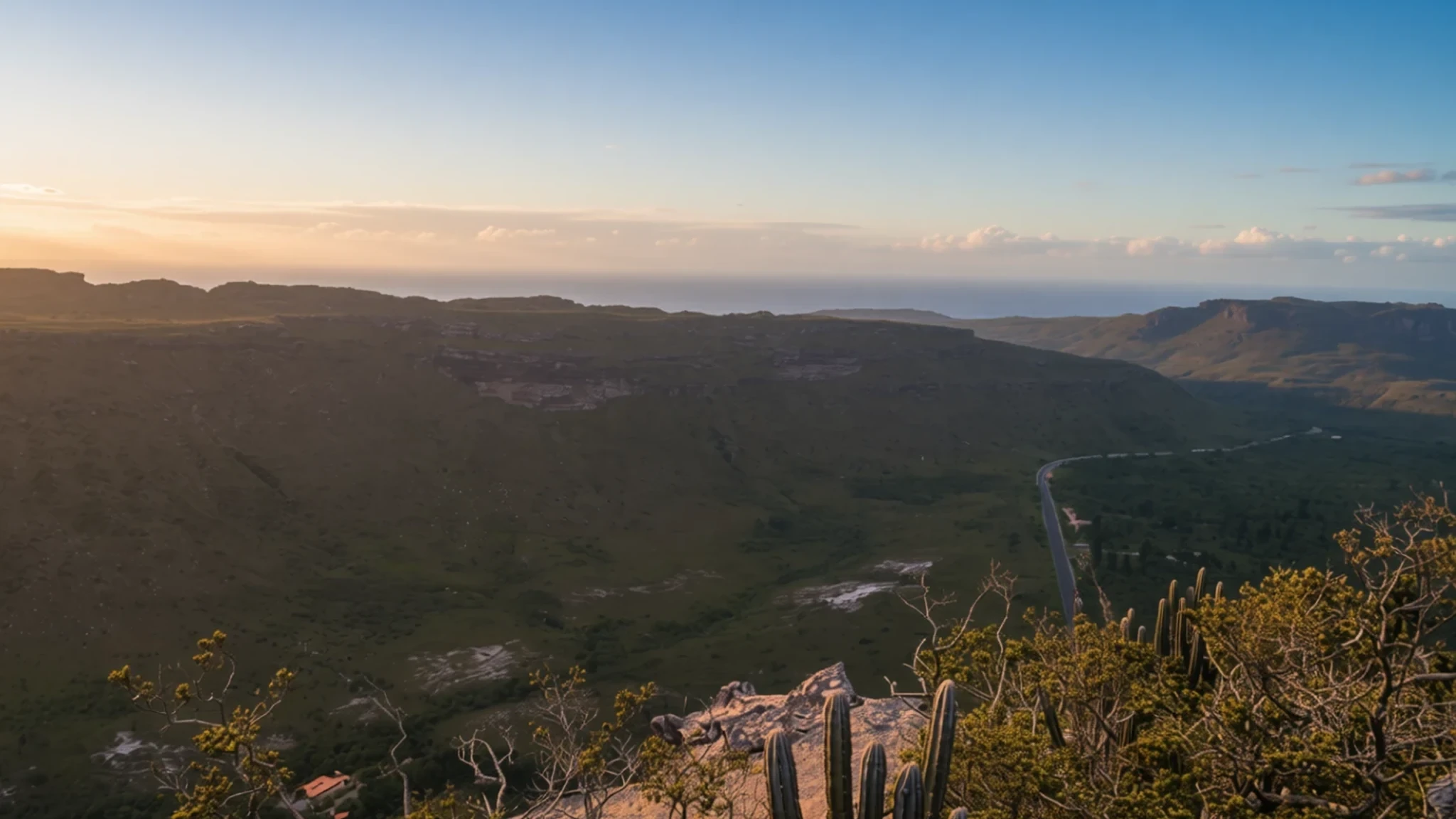
Come to Chapada Diamantina for ancient mountain trails, dramatic sandstone canyons, subterranean crystal-clear pools, and cascading waterfalls hidden across Bahia's rugged interior.
The place
Chapada Diamantina rises abruptly from the interior of Bahia State as a dramatic upland plateau of ancient rock, forming the northern reach of the Espinhaço mountain range. The terrain spans vast highlands, rocky plains, dry scrublands, and pockets of moist forest, creating a varied landscape of striking contrasts. Deep canyons slice through the plateau, carved by rivers whose waters run dark with organic tannins from the surrounding vegetation. High altitude grasslands, known locally as gerais, blanket the upper expanses, offering sweeping views across endless ridges and wide skies. Scattered across this vast region are charming hamlets and historic towns that once served as bustling outposts for prospectors, now operating as welcoming bases for travellers seeking deep immersion in nature. The ecosystem transitions between arid caatinga and resilient cerrado vegetation, creating a rich refuge for unique plant species and wildlife adapted to these rocky heights. Cool mountain breezes temper the tropical heat, making the upland climate exceptionally refreshing compared to the baking lowlands surrounding the park.
Its story
The story of Chapada Diamantina is forever entwined with the fever of the mid-nineteenth century, when glistening gemstones were discovered in its streambeds. Prospectors flooded the remote highlands, establishing impromptu settlements and carving networks of footpaths through impenetrable canyons and over jagged ridges in their relentless search for wealth. For decades, men laboured in the riverbeds and damp caves, turning quiet wilderness into a bustling frontier of fortune seekers. When the precious stones grew scarce, the boom faded as quickly as it had begun, leaving behind quiet stone villages, rusted tools, and a network of forgotten trails that reclaimed the valleys. What was once a landscape exploited for its buried treasures eventually found a new identity as a sanctuary for conservation and exploration. Descendants of those early prospectors, alongside newcomers drawn to the isolation and natural splendour, transformed the historic routes into trekking paths. Today, the enduring legacy of the mining era lives on in the local architecture, regional folklore, and the deep knowledge of the mountain guides who lead visitors through the very gorges their ancestors traversed.
What to see
- Morro do Pai Inácio — Lençóis and Palmeiras border
This iconic flat-topped hill offers one of the most celebrated panoramic vantage points in the entire region. A short, steep footpath leads to the summit, where visitors are rewarded with sweeping 360-degree views over rolling mountain ridges, vast plateaus, and distant valleys stretching toward the horizon.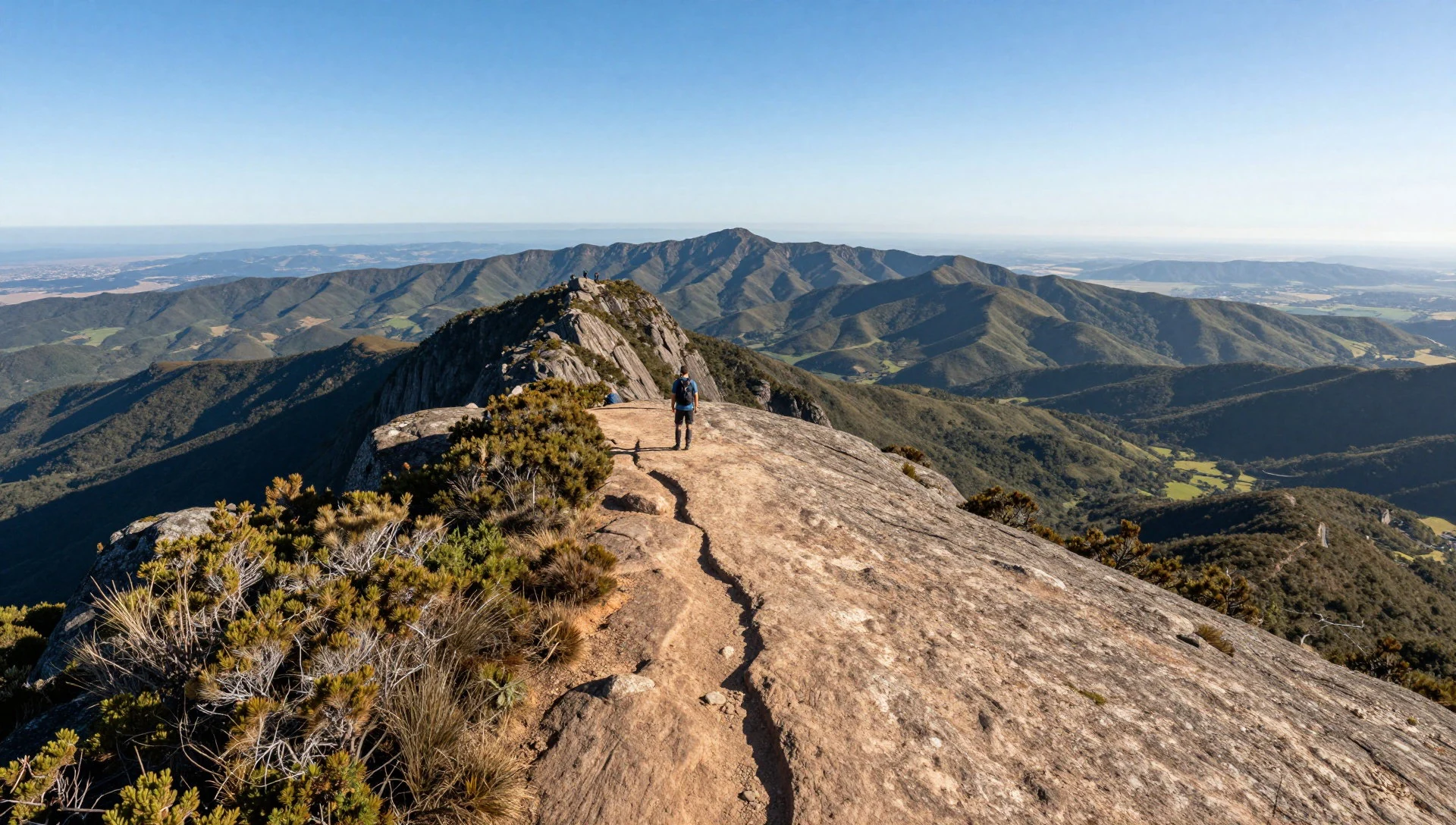
- Cachoeira da Fumaça — Vale do Capão
Plunging from a sheer cliff face into a deep canyon, this is one of the most impressive cascades in the highlands. The water stream is so high that the wind catches the falling spray and disperses it into mist before it ever reaches the rocky basin below.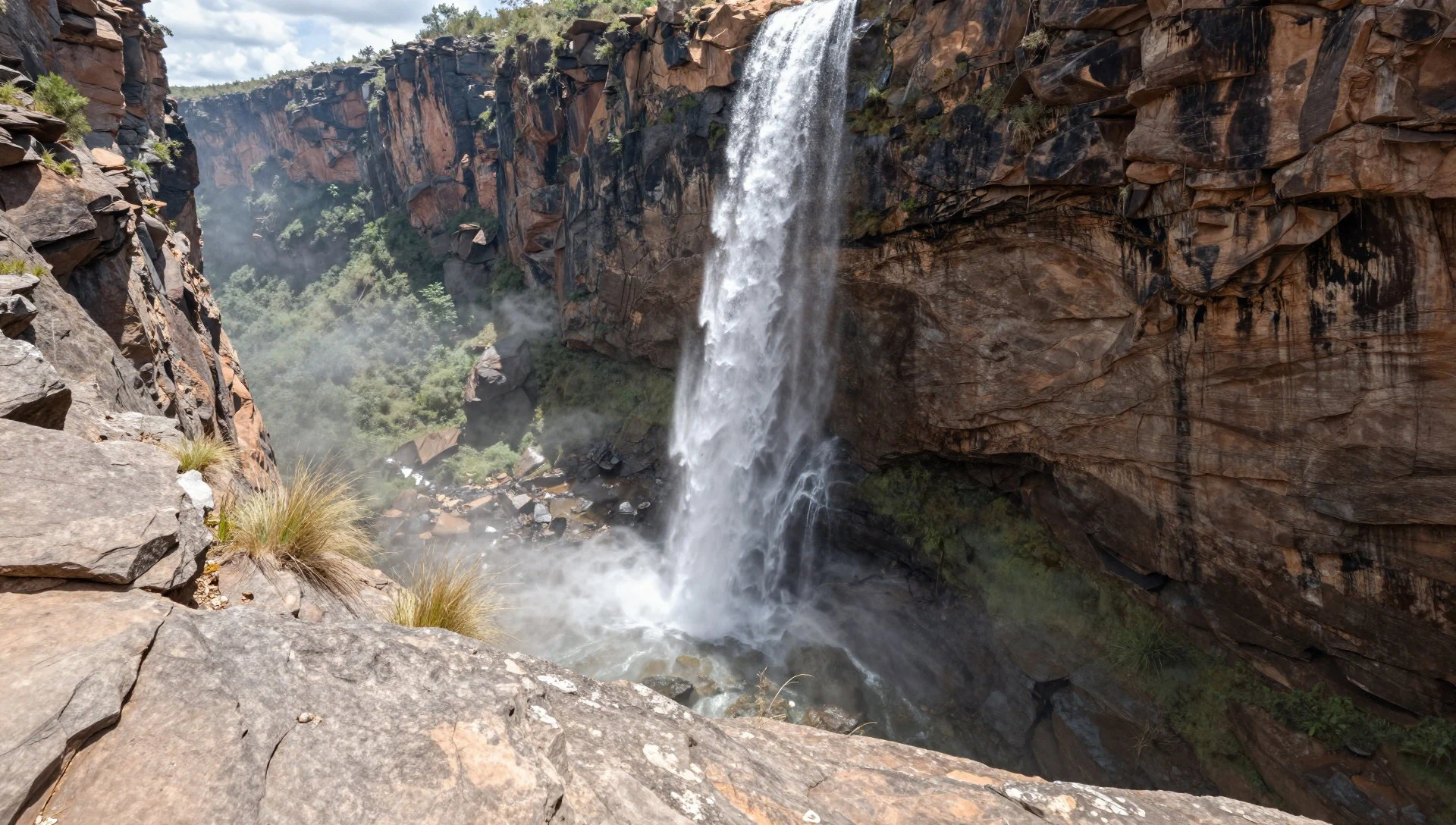
- Vale do Capão — Palmeiras municipality
Nestled in a dramatic mountain valley, this vibrant community serves as a major hub for independent travellers, hikers, and alternative culture enthusiasts. It features relaxed guesthouses, local craft workshops, organic eateries, and direct trail access into the surrounding peaks.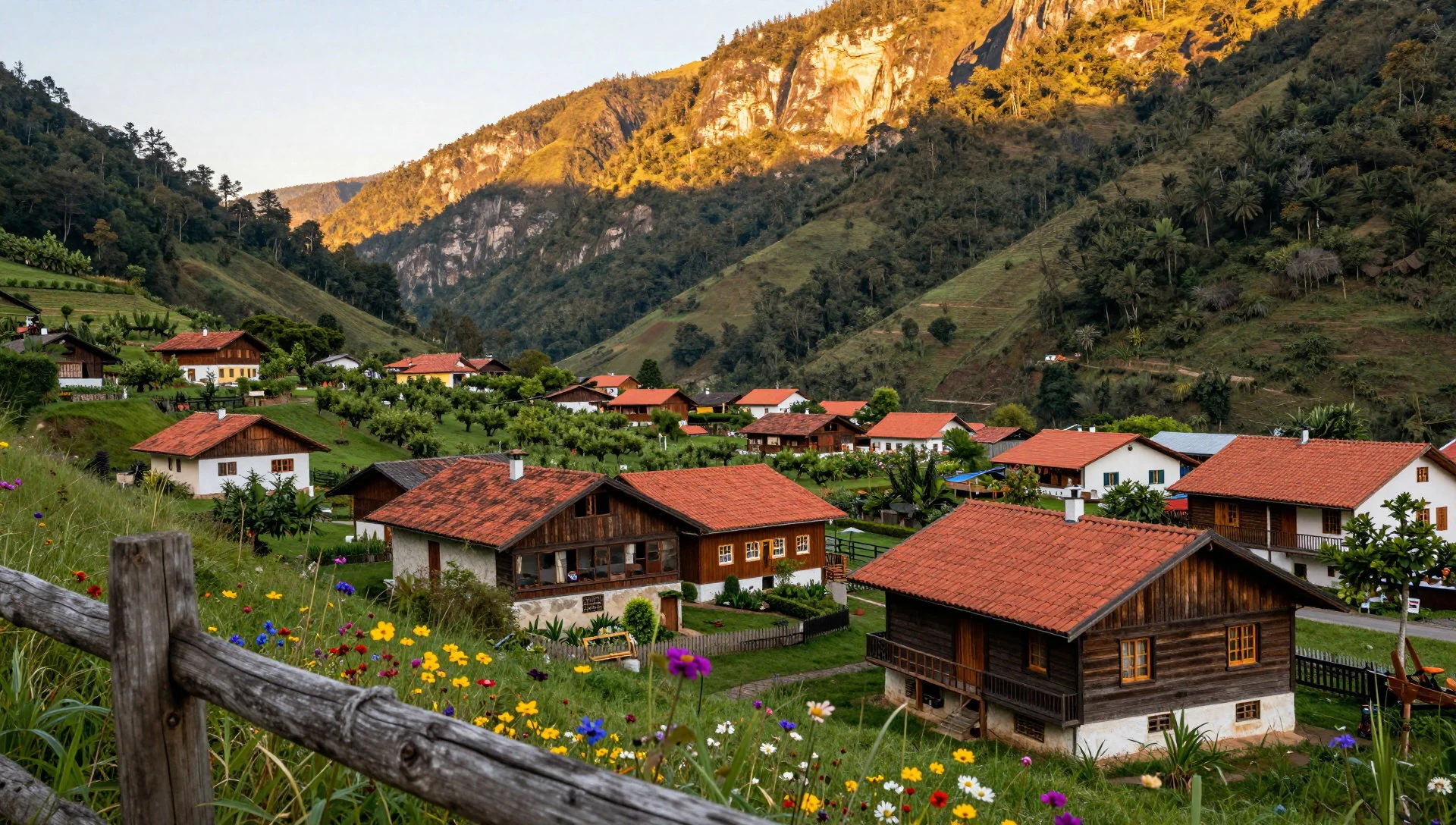
- Poço Encantado and Poço Azul — Iraquara and Itaetê area
These subterranean caves house large underground pools of astonishingly transparent water. When specific angles of sunlight pierce the cavern openings, the entire subterranean pool glows with an intense ethereal blue, illuminating submerged rock formations and ancient tree trunks.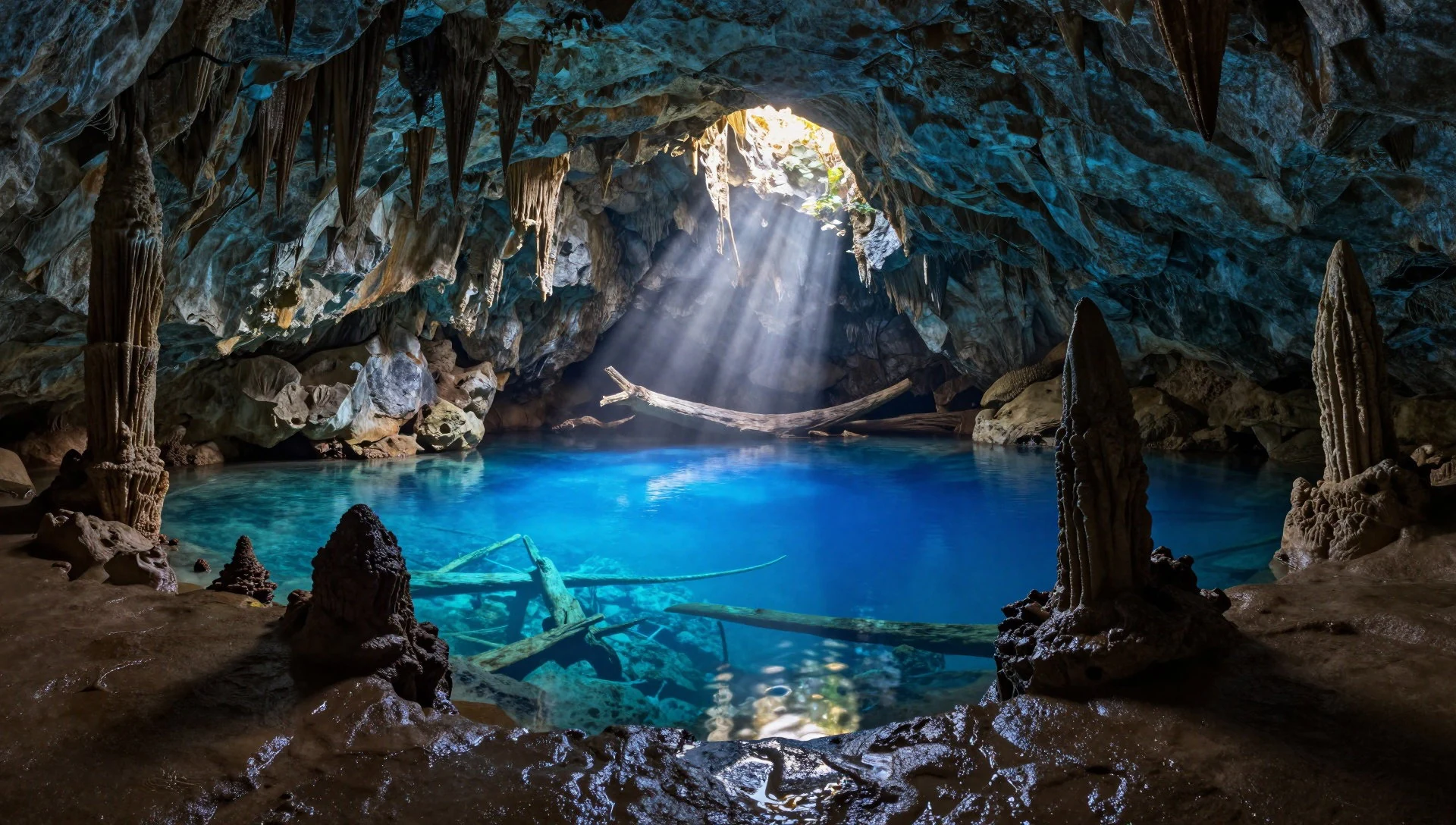
Culture
Life in the upland communities of Chapada Diamantina moves at a relaxed pace, shaped by mountain isolation and a deep connection to the natural environment. The local culture blends the traditions of tropeiro muleteers, rural farmers, and former diamond miners with a modern influx of artists, holistic practitioners, and outdoor guides who have made the valleys their home. Traditional music, community gatherings, and regional festivals punctuate the calendar, celebrating both religious saints and the changing seasons with acoustic guitars, percussion, and traditional dancing. Handcrafted goods, woven textiles, and organic produce reflect the self-sufficient spirit of the mountain folk. Visitors will find residents remarkably warm, open, and eager to share stories of the hills over a shared cup of coffee. Always greet local residents politely with a warm 'bom dia' or 'boa tarde' before asking for directions or services.
What to wear
Traditional wear in the rural interior of Bahia historically favoured durable, practical clothing suited for heavy manual labour in the fields and mines: sturdy cotton shirts, wide-brimmed straw hats to block the intense tropical sun, and robust leather boots designed to withstand sharp rocks and thorny scrub. Today, locals in towns like Lençóis and Vale do Capão dress comfortably and casually in lightweight cottons, denim, and functional everyday attire. Travellers exploring the park should pack technical, moisture-wicking outdoor clothing, sturdy and broken-in hiking boots with good ankle support, lightweight long trousers for protection against brush and ticks, a fleece or windbreaker for cool evening temperatures at altitude, and a reliable rain jacket. Modesty is standard in the villages, so keep swimwear covered when walking through town streets.
What to eat
- Moqueca — Traditional restaurants throughout Bahia
A rich, fragrant fish stew simmered slowly in coconut milk, onions, tomatoes, sweet peppers, and vibrant dendê palm oil, served alongside fluffy rice and pirão. - Acarajé — Street food stalls and evening market squares
Crisp balls of whipped black-eyed pea dough fried in deep red dendê oil and traditionally split open to be filled with spicy shrimp paste and vatapá. - Vatapá — Local eateries and home-style kitchens
A thick, velvety paste crafted from bread, ground peanuts, coconut milk, dried shrimp, and smooth dendê oil, offering a rich and savoury flavour profile. - Xinxim de galinha — Regional roadside dining spots
Tender pieces of chicken stewed in a complex sauce made from ground peanuts, cashews, dried shrimp, ginger, garlic, and golden palm oil.
Plan it
Best time. May to October offers the most stable dry weather for trekking and exploring canyons, while the wetter months between November and April bring greener landscapes and more powerful waterfalls.
How long. 4–6
Getting there. Fly into Salvador International Airport (SSA), then take a long-distance bus or rent a car for the drive inland toward Lençóis; direct regional flights to Lençóis Airport (LEC) operate on limited schedules.
Budget. mid
Tips
- Hire a certified local guide for multi-day treks and remote canyon routes
- Carry sufficient cash as card acceptance can be unreliable in smaller villages
- Pack a refillable water bottle and purification tablets for long trail days
- Wear high-factor sunscreen and a hat, as the highland sun is deceptively strong
- Avoid driving on rural highways after dark due to security risks and poor road conditions
Etiquette
- Always greet locals politely before starting a conversation or asking for help
- Pack out all personal rubbish and waste when trekking through protected wilderness areas
Nearby
Sources
- Wikidata Q1062622 (CC0)
- Wikipedia (CC BY-SA 4.0)
- Wikivoyage (CC BY-SA 4.0)