Cévennes National Park
Cévennes National Park, France
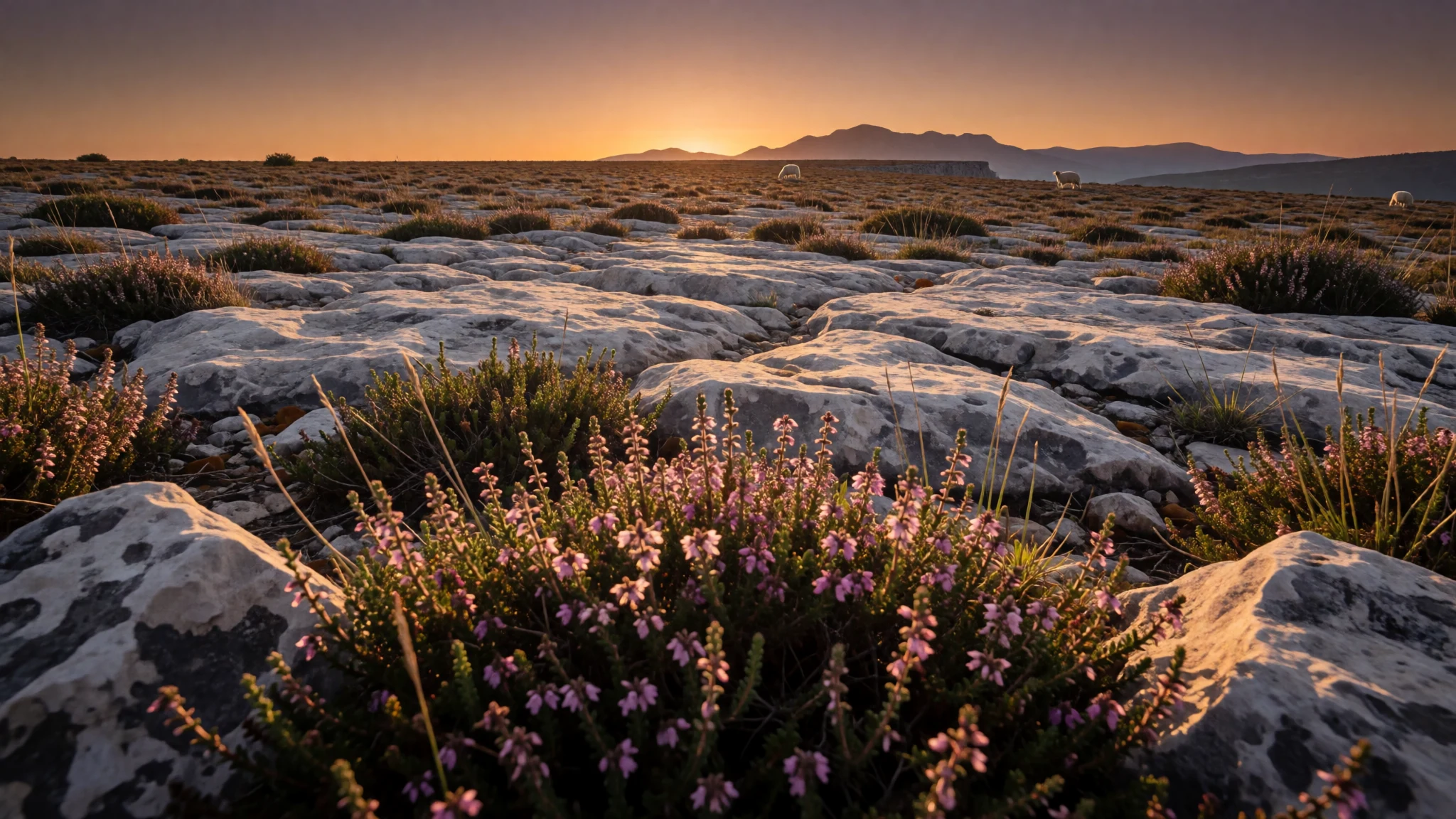
Cévennes National Park is a mountain-and-plateau escape with dramatic gorges, caves, and farming landscapes shaped over centuries.
The place
Cévennes National Park (Parc national des Cévennes) sits in the mountainous region of Southern France, where the land changes character from ridged valleys to wide, stony plateaus. This is not a single “viewpoint park”; it’s a whole patchwork of places—mountains and plateaus that create different hiking days, different weather, and different ways of living.
The park was created in 1970, with its administrative seat in Florac at Florac Castle. It stretches mainly through Lozère and Gard, but it also reaches into parts of Ardèche and Aveyron, so the boundaries feel more like a stitched landscape than one clean circle on a map. That spread matters when planning drives and hikes: routes can take longer than expected because you’re hopping between different departments and valley systems.
On the ground, you’ll come across limestone “causses” and dramatic river cuts. Aven Armand is a highlight for caving lovers, and the park’s gorges give the classic canyon feeling—cooler air where the walls close in, and big, open skies on the plateaus. Beyond geology, there’s plenty of human history: Cévennes communities have a strong cultural identity, shaped by religious conflict and local memory, with places marking that past.
Seasonally, the park rewards shoulder-season travel: spring (April–May) and autumn (September–October) are generally the most comfortable, with warm days before the summer heat and cooler conditions after it. June to September is the hottest period, and it’s also when you’re most likely to feel the effects of sudden mountain-weather changes. Camps and trails work best with decent planning and flexible timing, because conditions can shift quickly in this kind of terrain.
Its story
Cévennes National Park is often described in terms of rocks and routes, but the story sits in the villages as much as in the landscape. This part of France has a strong cultural identity rooted in the Camisard revolt, a conflict that followed the revocation of the Edict of Nantes. Protestants were persecuted afterward, and the Cévennes became a landscape of resistance, hiding places, and local testimonies passed down through towns and countryside.
You can feel that history in the park’s cultural footprints—little reminders that people have lived with hardship and conviction here. The area remembers the Camisards not as distant “textbook history”, but as a lived sequence of events that shaped community life. That’s why an exhibition has been created to preserve that memory, held at the old temple of Le Rouve, in Saint-André-de-Lancize. It’s the kind of stop that doesn’t take long, yet it changes how you look at the region’s remote corners.
If the past gives the park its emotional map, the terrain gives it its logic. Mountains and plateaus naturally create sheltered pockets and long routes between settlements. That makes hikes more than “exercise”: the slow change in elevation, the way valleys open out, and the moments where a track disappears behind stone all feel like they belong to the same country where people once needed both endurance and discretion.
Today the Camisard story isn’t about drama for its own sake—it’s about understanding why certain places are remembered, and how a landscape can hold on to identity even when the calendar moves on.
What to see
- Gorges de la Jonte — around Rozier and the Jonte valley
Gorges de la Jonte is a real canyon carved by the Jonte river. The scenery swings between tight, shaded cuts and wider pockets where the road and viewpoints let you sense how deep the river has worked over time.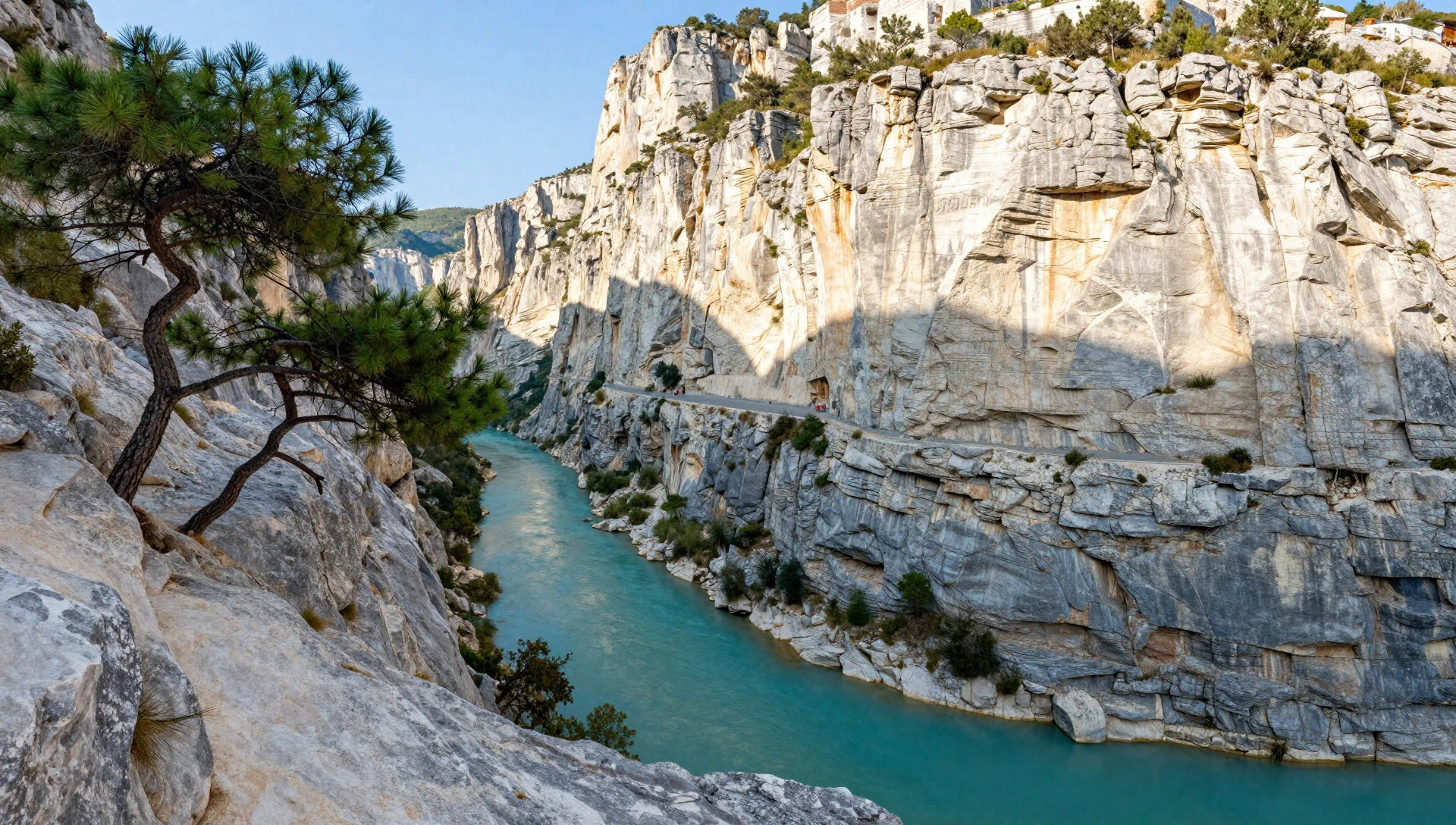
- Aven Armand — within the Cévennes park area
Aven Armand is a cave experience known for a striking stalagmite. It’s the sort of stop that turns a geology lesson into something you can stand under and look up at—ideal when you want a break from open-air walking.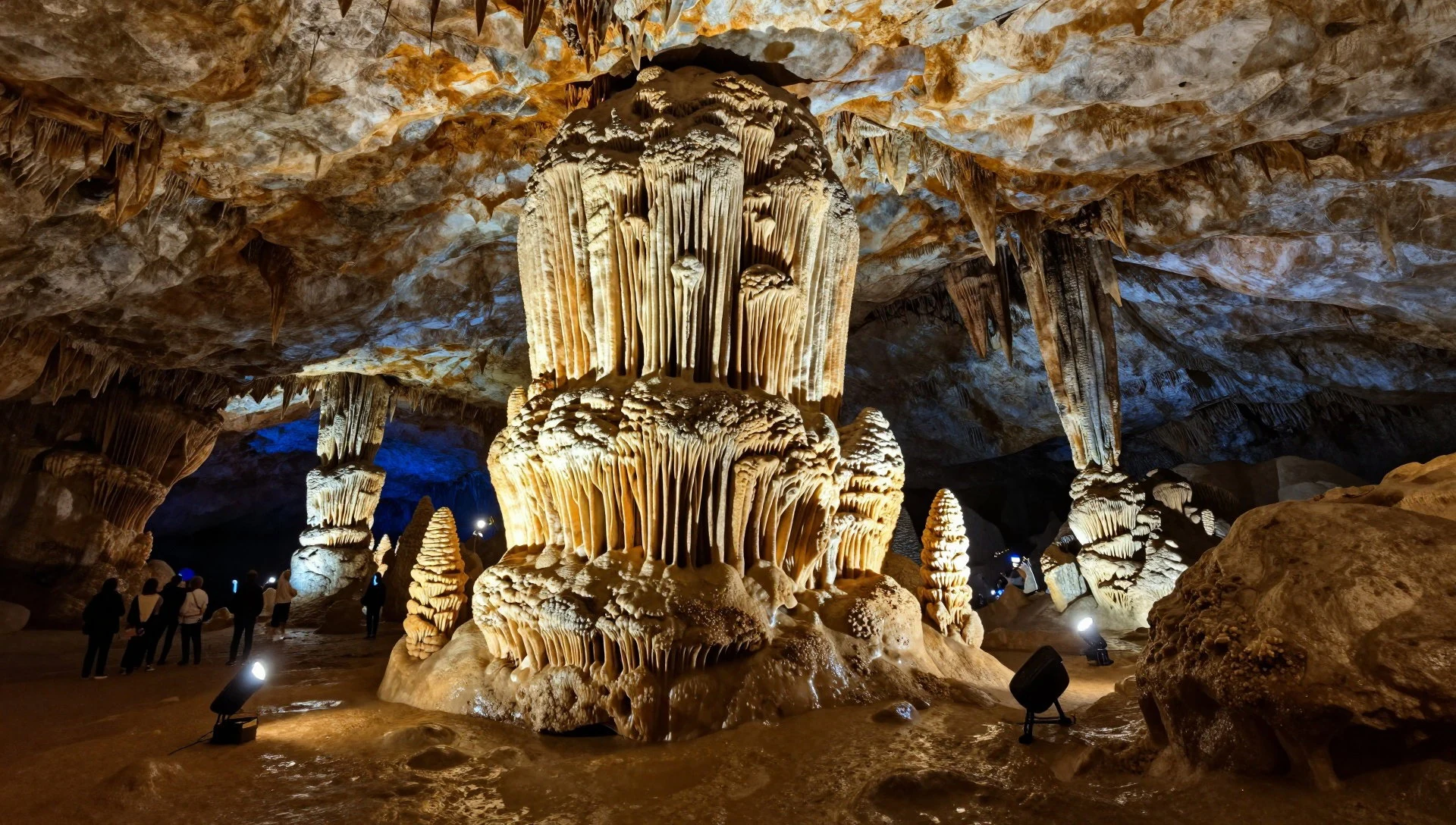
- Causse Méjean viewpoint edges — Causse Méjean near Florac
Causse Méjean gives that “plateau horizon” feeling: stone fields, low scrub, and long sightlines over valleys. It’s a great place to pause—especially in clearer weather—so you can see how Florac sits within a wider mountain system.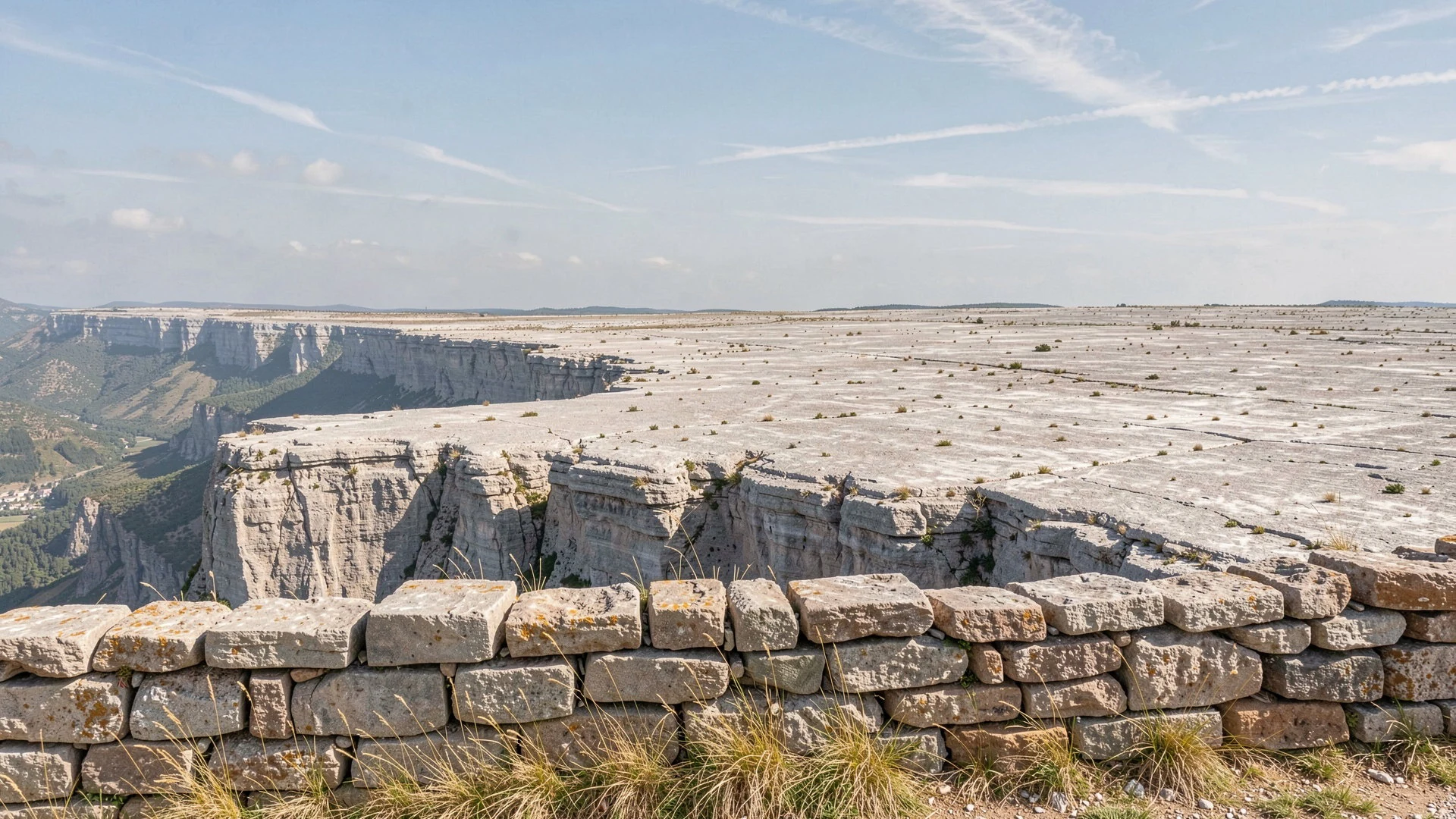
- Cirque de Navacelles — around the Navacelles area
Cirque de Navacelles is a dramatic cirque where the road drops close to a tiny village. The landscape makes you feel the scale instantly: cliffs, a hidden settlement, and river lines far below.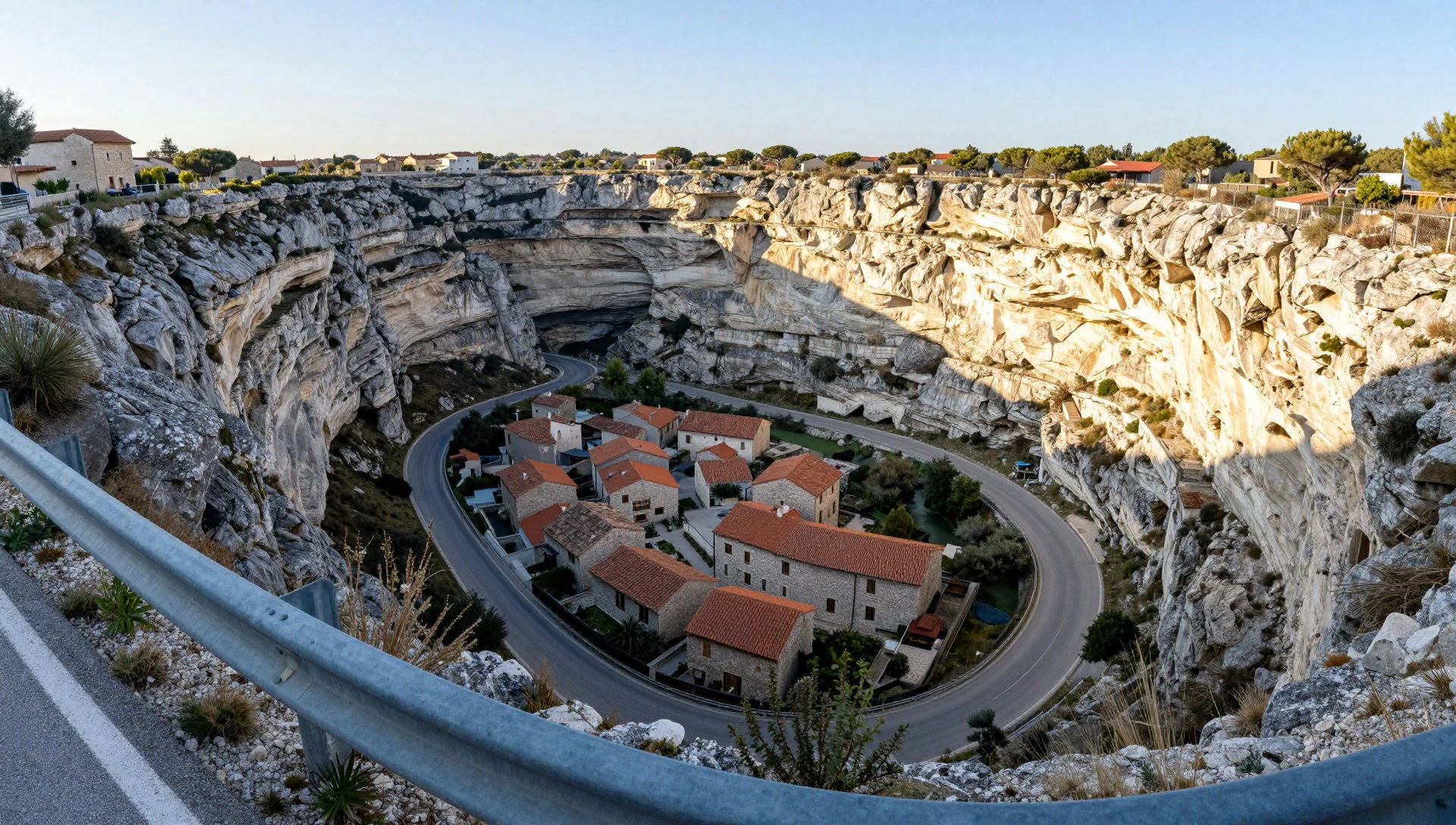
- Arboretum de Cazebonne — Cazebonne (arboretum area)
Arboretum de Cazebonne is a quieter, greener contrast to the gorges: a small arboretum created in 1903 as an experimental station. It suits slower strolls, and it’s a nice option on lighter-schedule days.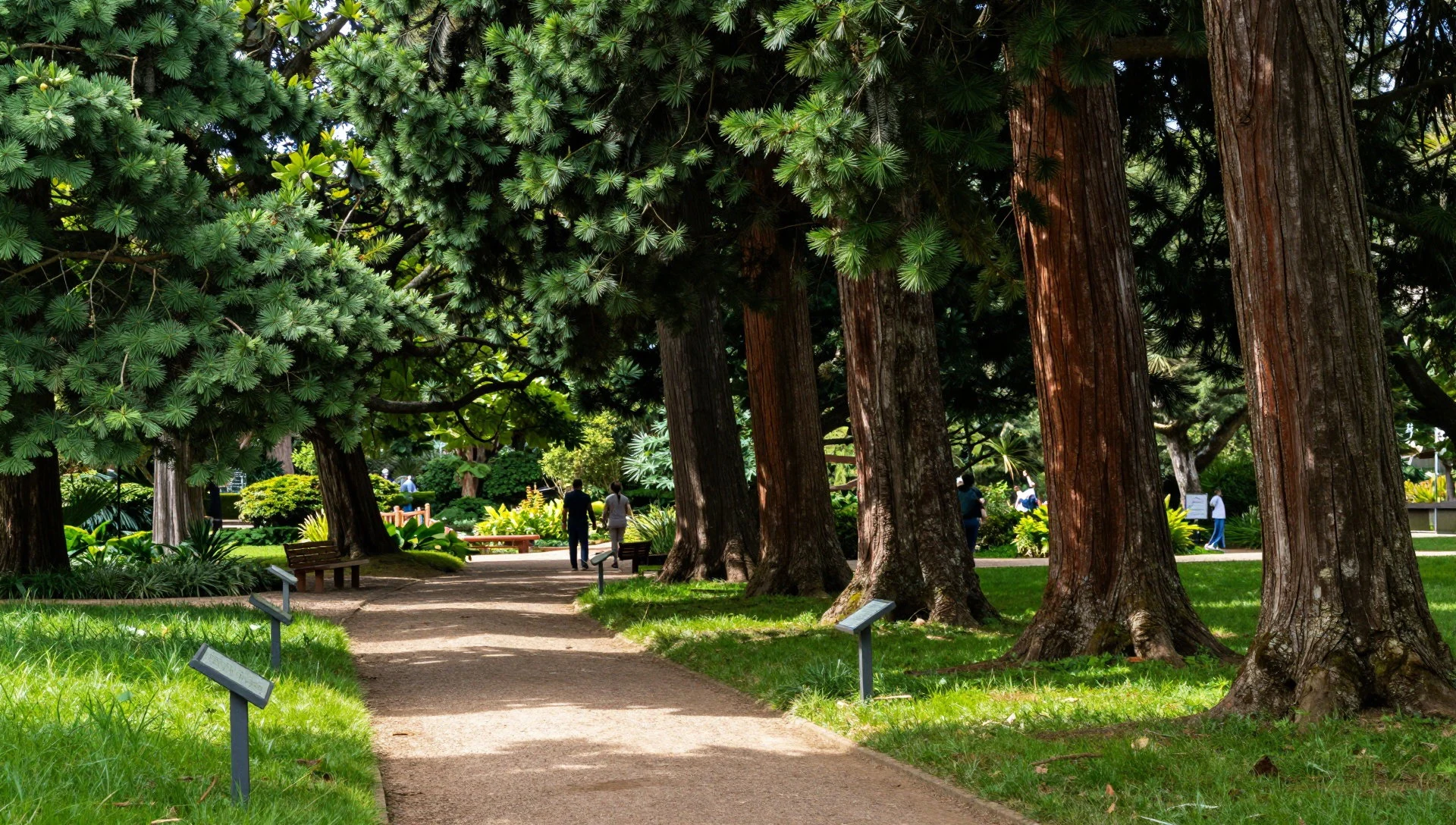
Culture
Cévennes National Park’s culture runs alongside the trails. The region’s identity has long links to the Camisard revolt after the revocation of the Edict of Nantes, and you’ll see that remembered in local places and small museums rather than only in big monuments. An exhibition devoted to the memory of the Camisards is housed at the old temple of Le Rouve in Saint-André-de-Lancize, which makes for a meaningful “why this landscape matters” stop.
Beyond that history, Cévennes life is tied to the way the land is used: the park includes mountains and plateaus where farming traditions sit with open grazing areas and seasonal tracks. That’s why markets and village conversations tend to feel practical and grounded—people talk about routes, weather, and what the season is doing to the countryside.
When visitors approach culture here, the best attitude is respectful curiosity. In religious settings, keep noise down, dress modestly, and ask before photographing anything that includes people. If you’re attending a small exhibition, stay mindful that it’s not a show; it’s local memory.
Visitor etiquette: In and around the old temple and other quiet heritage spaces, keep voices low and ask permission before taking photos of people.
What to wear
In Cévennes National Park, traditional clothing is less something you’ll “see daily” in the streets and more something tied to local culture and seasonal events. That said, Cévennes region clothing traditions commonly lean towards sturdy fabrics suited to outdoor life—practical layers for cooler mountain evenings and materials that handle wind and sudden weather changes.
What people wear now is mainly about the terrain. In towns around the park (and on approach roads), you’ll see everyday coats, trainers, and lightweight waterproofs. On hikes, even in pleasant spring or autumn, many walkers dress in layers: a base layer, warm mid-layer, and a shell because mountain weather can turn quickly. Sun protection matters on the plateaus where the sky feels wide.
For visitors, the reliable choice is comfortable walking clothes and proper footwear with grip. Choose long trousers or leggings that can handle rough paths, and bring a waterproof top (pack a hat too if the forecast looks sunny). If visiting heritage sites like the old temple, dress a touch more modestly—nothing extreme—because quiet cultural spaces tend to prefer simple, respectful attire.
What to eat
- Local restaurant meals (regional French cooking) — towns around Florac and other village centres
Cévennes meals tend to be straightforward French comfort food rather than touristy “park food”. Look for local restaurants in and around Florac and the department towns, and expect hearty portions that suit cooler mountain days.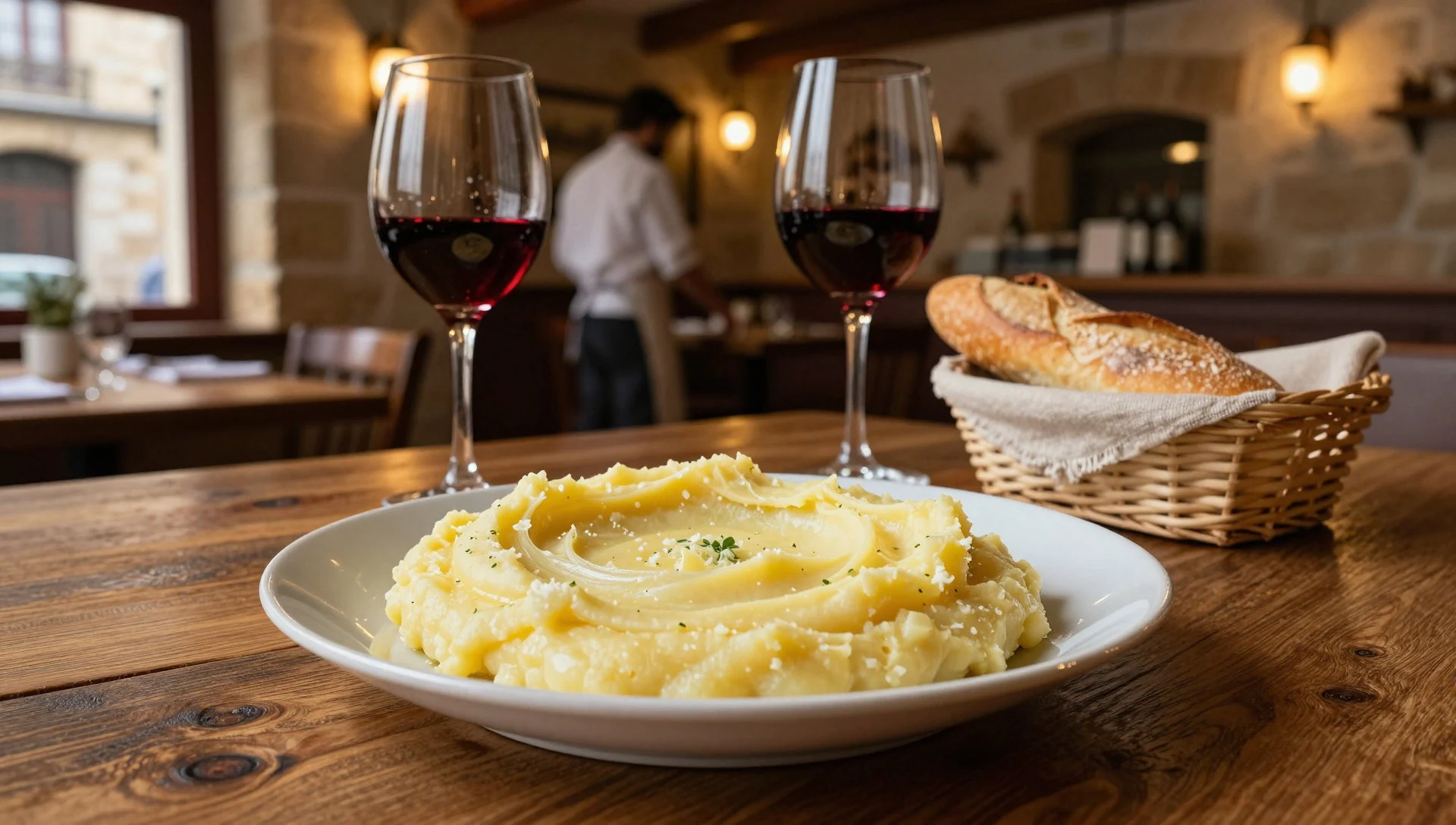
- Le Phenix — 44.28081, 3.78943
Le Phenix is a dining option linked with the park area. If it’s convenient for your base, it can be a handy place to eat after hikes—just plan around typical local dining schedules and transport time.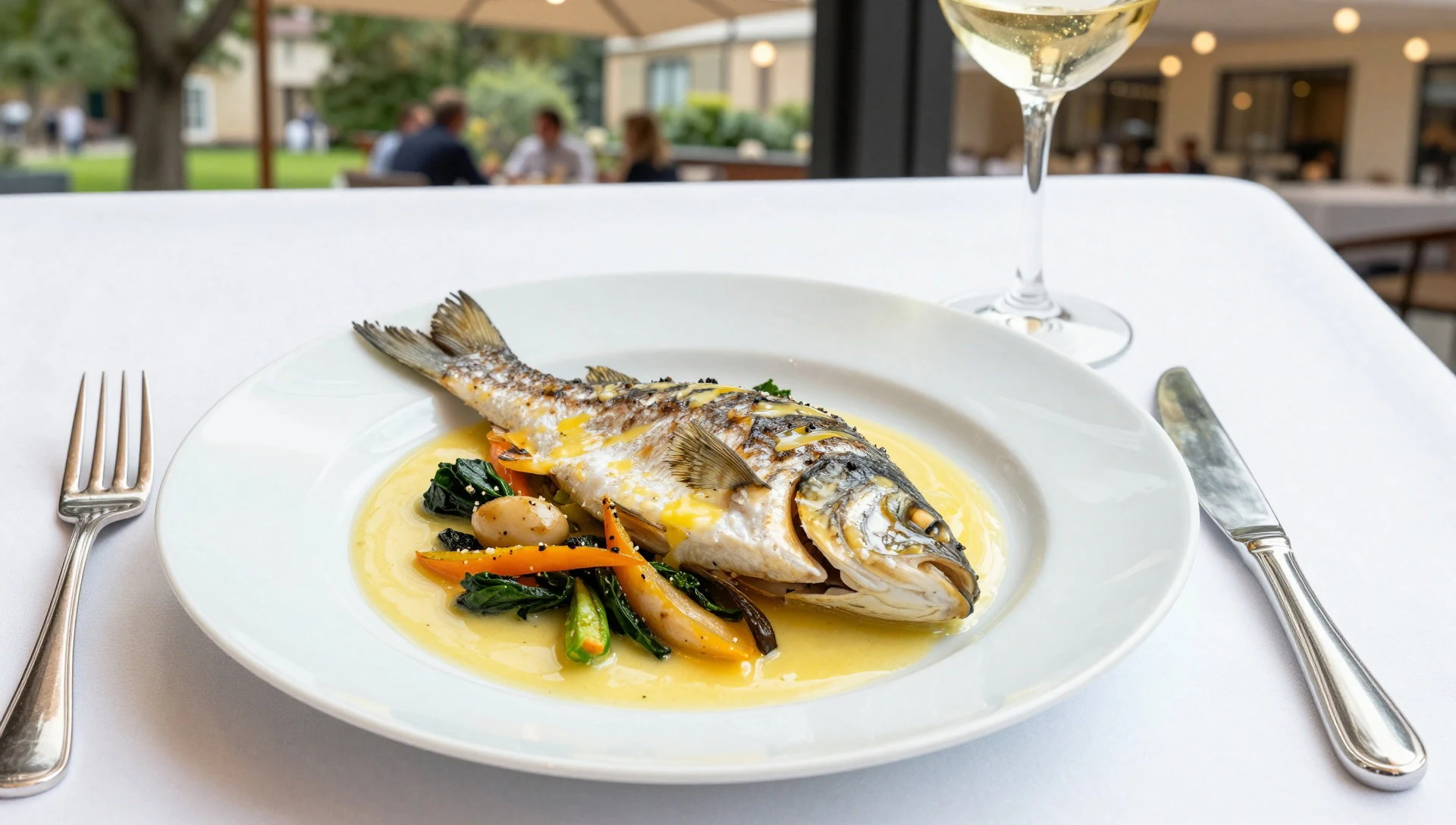
- Village boulangeries and bakery snacks — local boulangeries in the park’s towns and villages
For day hikes, bakery stops are the easiest win: grab bread, pastries, and simple snacks for the trail. It’s usually the best way to keep costs down and avoid getting stuck without something to eat between viewpoints. - Markets-style produce and picnic supplies — morning markets in nearby towns
If there’s a market day near where you’re staying, it’s worth building a picnic from seasonal produce. In rural parts of the Cévennes, these supplies can feel fresher and cheaper than tourist-heavy grab bags. - Simple café breakfasts — cafés in park-side towns
Starting the day with a café breakfast makes sense when you’re chasing comfortable walking temperatures. Keep it basic—bread, coffee/tea, and something small—so you’re ready for a long morning outdoors.
Plan it
Best time. April–May are among the driest spring months, while October is the wettest time of year; August is hot, with very warm daytime temperatures.
How long. 3–4
Getting there. From Alès, the way in is the N 106, heading north-west into Cévennes National Park.
Budget. mid
Tips
- Pick one “big landscape day” and one “cave or calm-pace day” so the itinerary stays enjoyable
- Start hikes earlier in the day during warm months to avoid the hottest stretches in valleys
- Carry water and a light waterproof—conditions can shift quickly on mountain slopes
- If driving, allow extra time for rural roads connecting departments and viewpoints
Etiquette
- Keep to marked paths and respect private edges on farmland trails
- In heritage and religious spaces, dress modestly and keep voices low
Nearby
Sources
- Wikidata Q1368807 (CC0)
- Wikipedia (rev 1380741736) (CC BY-SA 4.0)
- Wikivoyage (rev 5403881) (CC BY-SA 4.0)
- Photo photos/01-cevennes-florac-mimente-depuis-causse-mejean.jpg (CC BY 3.0)
- Photo photos/02-la-ferme-caussenarde-hyelzas-photo-aspheries-00342.jpg (CC BY-SA 4.0)
- Photo photos/03-causse-mejean-cevennes-national-park-france.jpg (CC BY 3.0)
- Photo photos/04-a-world-between-blue-and-gold.jpg (CC BY-SA 4.0)
- Photo photos/05-brocante-c-venole-6.jpg (CC BY-SA 4.0)
- Photo photos/06-brocante-c-venole.jpg (CC BY-SA 4.0)
- Photo photos/07-causse-de-sauveterre.jpg (CC BY-SA 4.0)
- Photo photos/08-cevennes-national-park-france.jpg (CC BY 3.0)


