Cerrado
Cerrado, Brazil
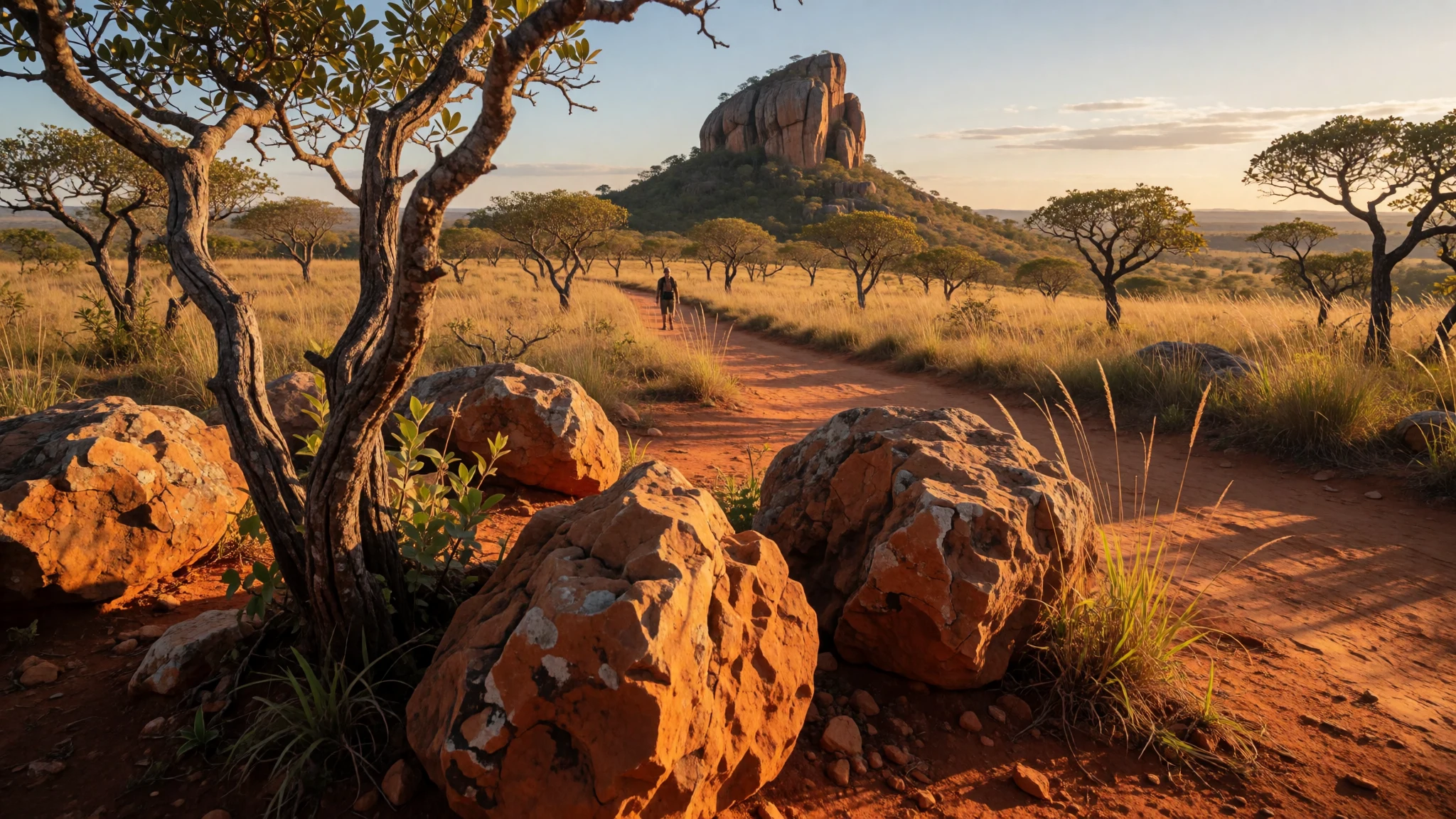
Cerrado is Brazil’s “closed” savanna of wide plateaus, forests and wetlands, with wildlife you’ll actually notice on walks.
The place
Cerrado is a vast tropical savanna ecoregion in central Brazil, spread across states like Goiás, Mato Grosso do Sul, Mato Grosso, Tocantins, Bahia and more. The landscape feels sunlit and open—grassy fields and scattered trees—but it’s not one single “type” of nature. You can run into wooded savanna, forest-savanna mosaics, park-like patches, grassier areas, wetlands and sheltered gallery forests along waterways.
This is the Brazilian Highlands (Planalto) setting for a big chunk of the country’s ecology, and it’s why the region has such a distinctive mix of plants and animals. Even though it’s often described as savanna, the “shape” of the land matters: plateaus and ridges create viewpoints and long horizons, while valleys and river corridors can look greener and cooler.
When you’re travelling there, the practical reality is that distances are real and the weather drives everything. There are two dominant seasons—wet and dry—so trails can be dusty and firm in the dry months, then slick with runoff when rains set in. In the southern winter the dry season can be strong (roughly April to September), and the heat can catch up fast at midday.
The best parts of Cerrado tourism are often simple: early starts, long walks, quiet drives between lookouts, and staying alert for movement—birds threading through low branches, or bigger animals crossing open ground. It’s not a place for constant urban sightseeing; it’s a place to slow down, watch the light, and build day plans around the conditions.
Its story
Cerrado’s story isn’t just about land—it's about how people learned to live with it. Early European writing about the “cerrados” was done by Danish botanist Eugenius Warming in 1892, when he studied the vegetation in Minas Gerais. His account helped turn local plant life into something the wider world could describe and classify.
Long before that, Indigenous communities already had deep practical knowledge of the savanna’s rhythms. One key idea was the use of fire. When the herb layer responds after burning, it changes what grows and how fast, and some communities used fire as a tool—linked to pasture and to feeding domesticated animals. In other words, fire wasn’t only a hazard; it was also a management method.
Different groups moved through the Cerrado in different ways. Some hunted and collected across wide areas, while others practised itinerant slash-and-burn agriculture. Over time, the human mosaic included Indigenous groups, quilombola communities and people living in drier upland zones and along river margins (including those on floodplains). That variety helped shape a cultural landscape that was as adaptive as the ecology.
For a long time, large-scale agriculture stayed limited. Up to the mid-1960s, farming was relatively constrained partly because natural Cerrado soils aren’t straightforward for crop production. After that period, development in Brazil’s Southeast pushed agricultural expansion into Central-West regions, changing how the biome is used and managed today.
What to see
- Parque Estadual dos Pireneus — Morro Cabeludo — Goiás (Parque Estadual dos Pireneus area)
Parque Estadual dos Pireneus around Morro Cabeludo gives you classic plateau viewpoints: rocky paths, scrubby woodland and big, open-sky angles. Go early for clearer light and fewer people, and expect the “trail to the view” to be the main event, not a single landmark.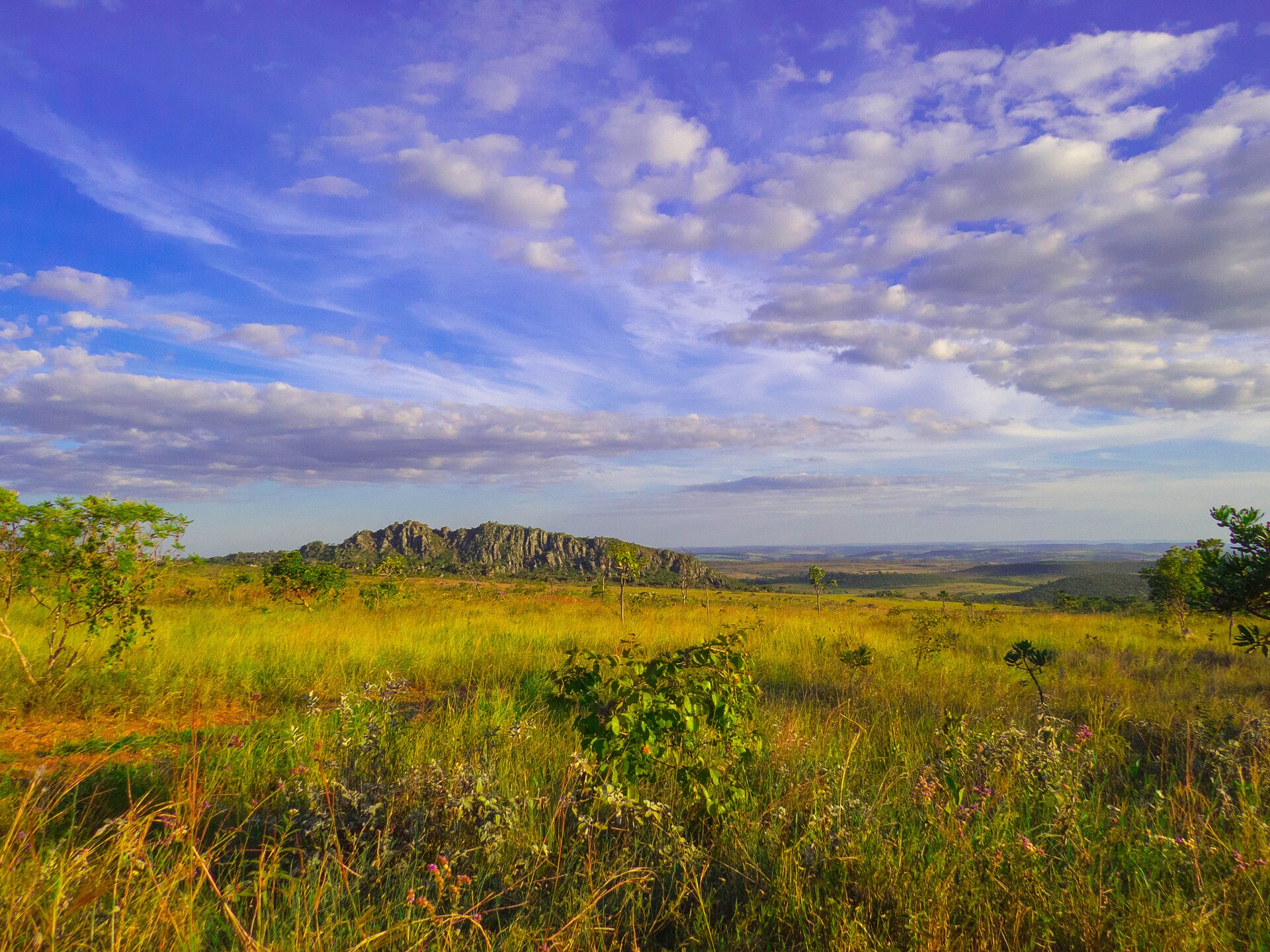
- Chapada dos Veadeiros — Mirante da Janela — Chapada dos Veadeiros region, Goiás
Mirante da Janela is a viewpoint circuit feel: short-to-medium walking loops with repeated stops where the terrain opens up. The scenery leans towards sheer edges, stone textures and greenery in pockets, so you’ll enjoy it most when clouds stay thin enough for steady visibility.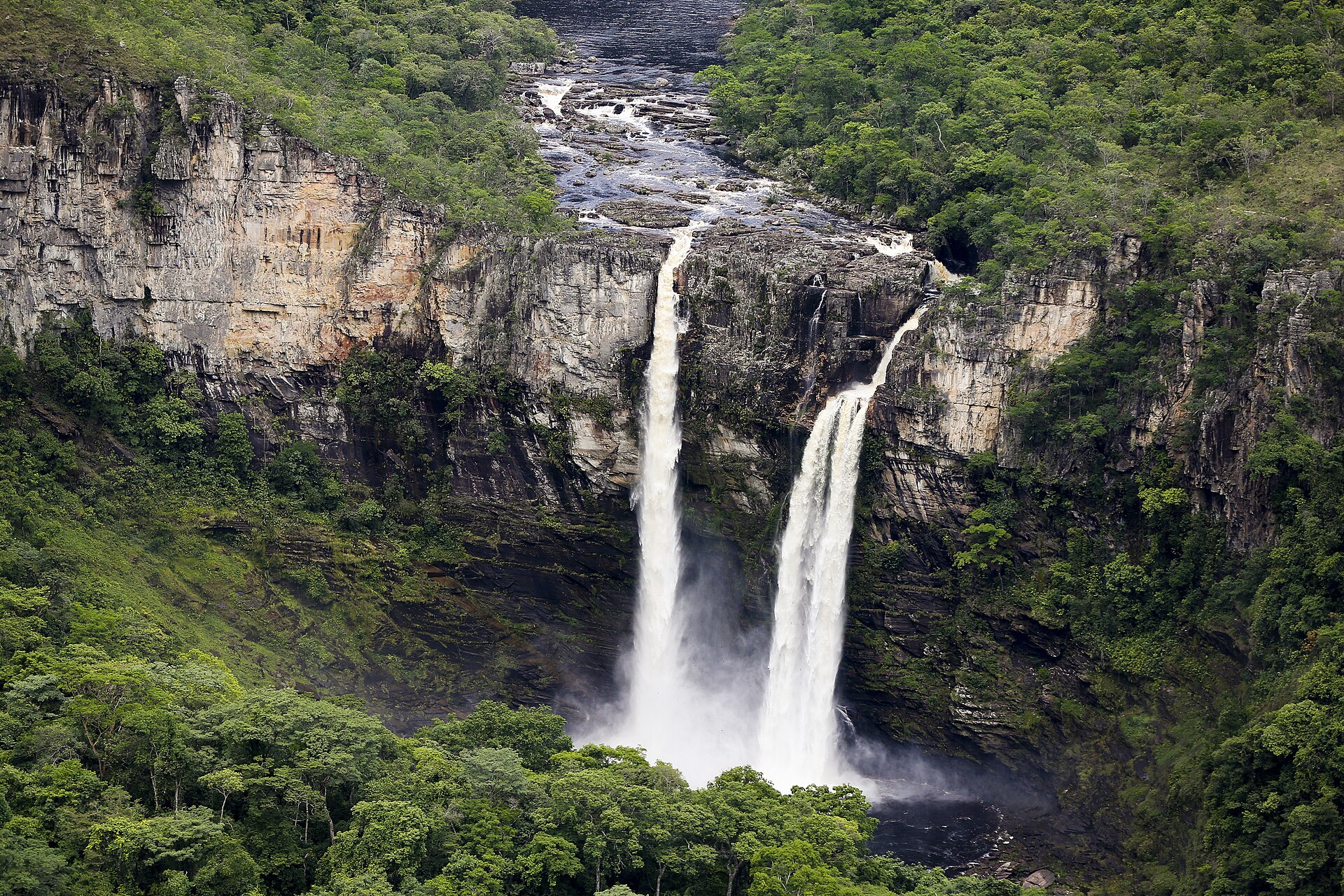
- Parque Nacional da Chapada dos Veadeiros — Cerrado landscapes — Parque Nacional da Chapada dos Veadeiros, Goiás
Inside Parque Nacional da Chapada dos Veadeiros, the Cerrado shows up as a patchwork: grassy areas, wooded pockets and water-fed corridors that feel cooler. Trails vary in difficulty, but the consistent reward is the mix of open savanna views and denser, shaded spots between ridges.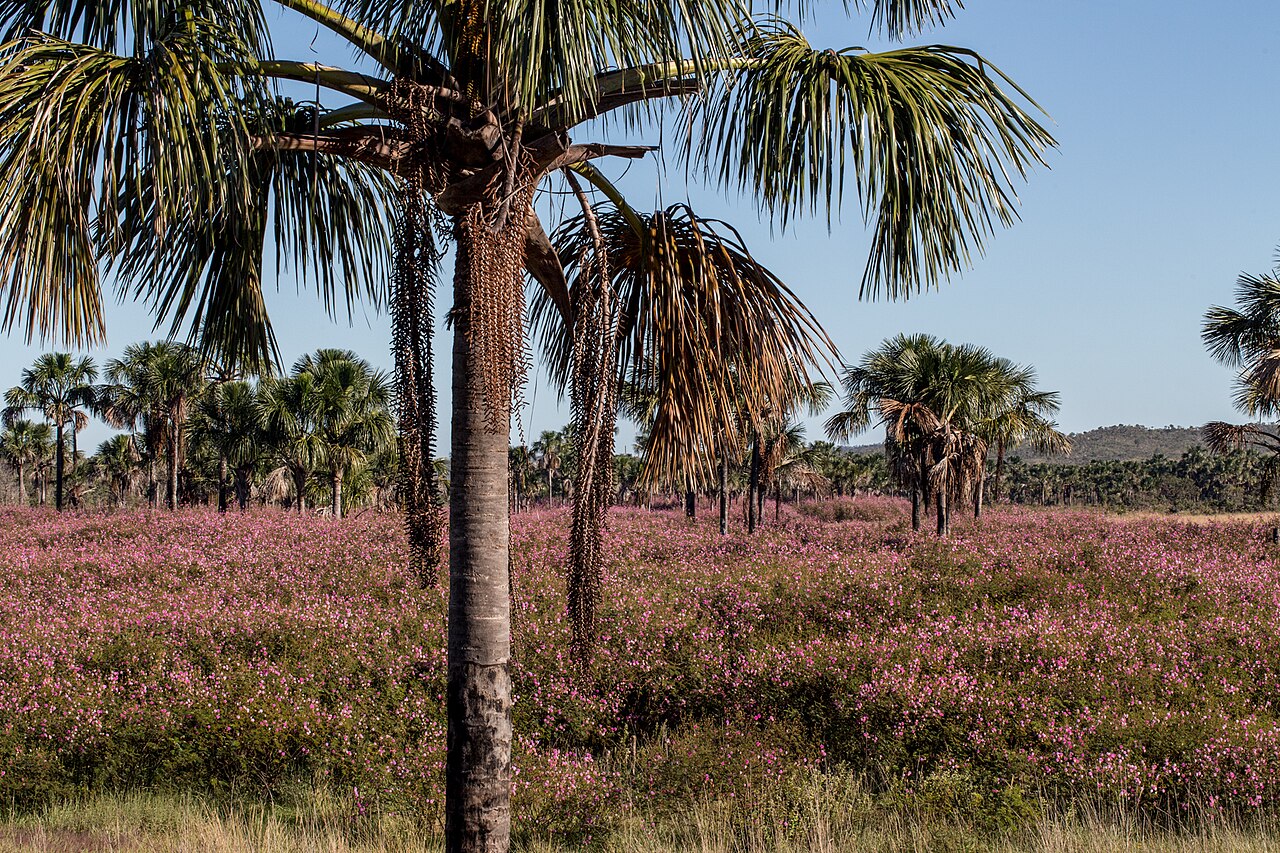
- Cerrado wildlife — giant anteater odds — Cerrado national park & reserve habitat areas
Seeing a giant anteater is always a patience game in Cerrado habitats. When it happens, you’ll notice how the landscape’s openness matters: animals move where they can, and your best chances come from calm scanning along trails and at times when activity seems higher.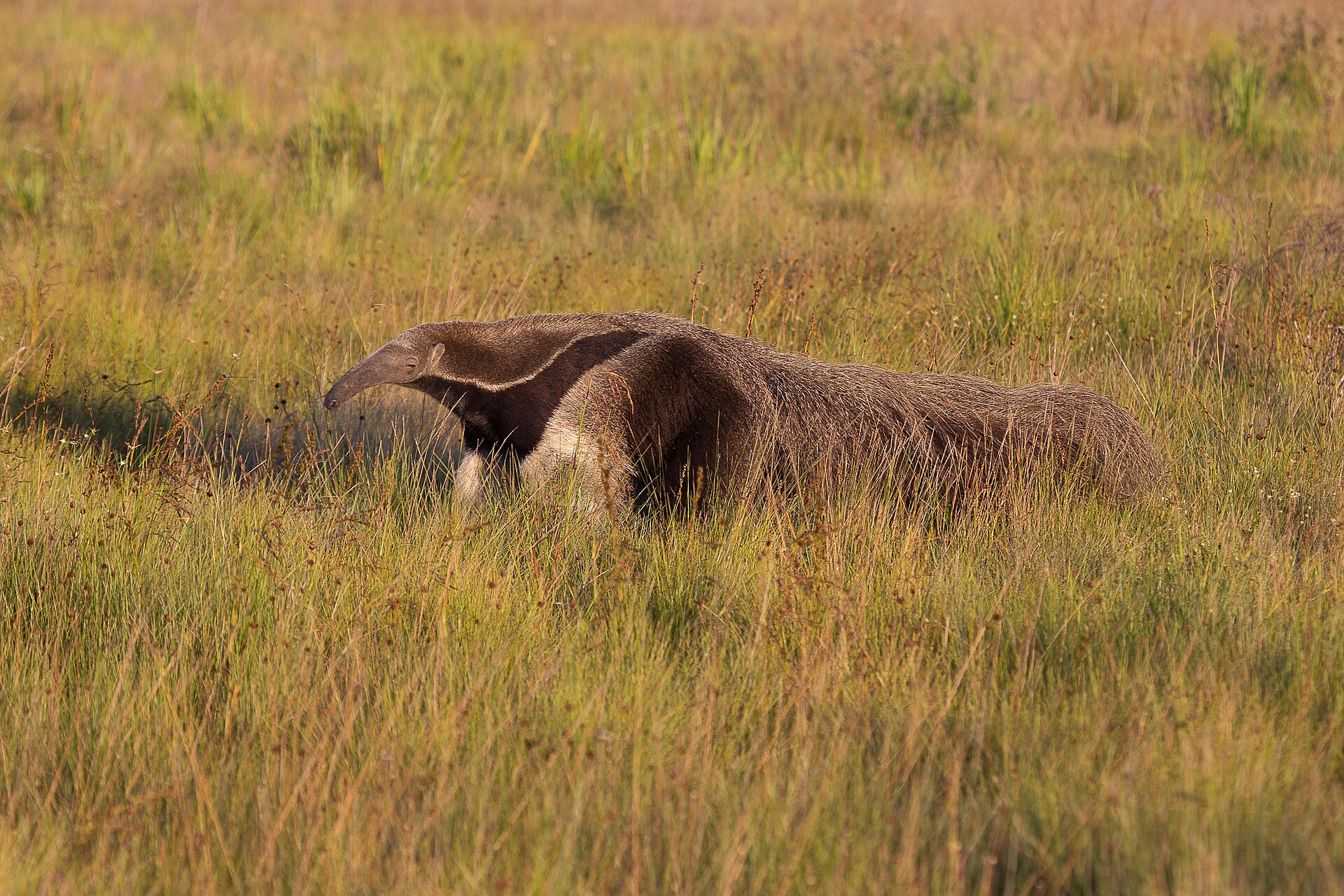
- Birdlife and open-country tracks — seriema — Open savanna edges and agricultural patches near Cerrado areas
The seriema (seriemade-pé-vermelho) is a great “watching on the move” animal: it works the edges of cultivated plots and open country for food. Slow down on tracks, keep your distance, and you’ll be more likely to catch its posture and quick scanning.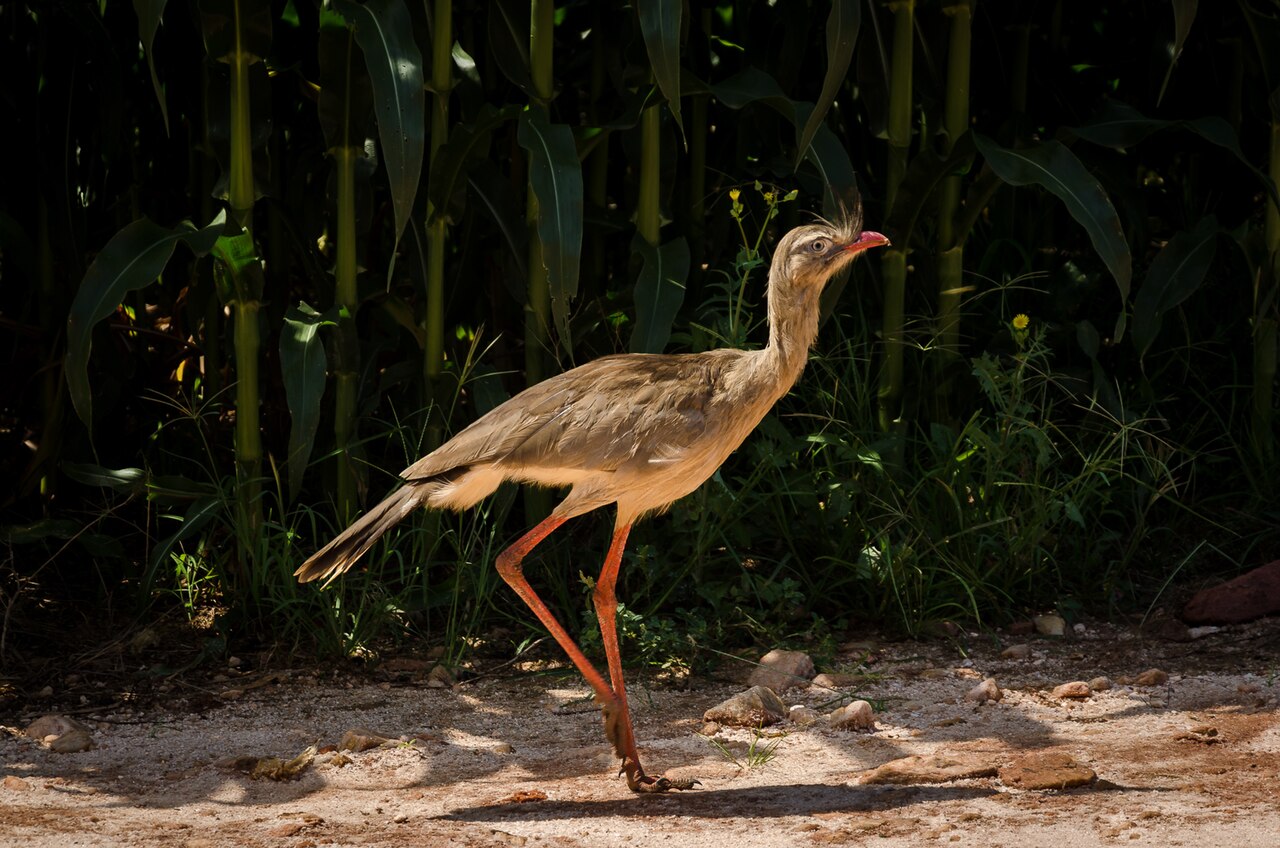
Culture
Cerrado travel is shaped as much by how people live there as by what the landscape looks like. Historically, the biome has supported hunting-and-collecting lifestyles alongside agriculture that adapted to seasons and burn cycles, so you’ll often notice land-use patches—fields, ranch edges, and managed vegetation—meeting natural savanna rather than replacing it in a single sweep.
Today, the cultural side of the Cerrado is practical: dress and behaviour that fit heat, bright sun and long days outdoors. In rural areas, “look like you belong” matters because your presence can affect routines around homes, work and small businesses. Many travellers also find that the most rewarding experiences come from going out with local guidance—because knowing when a trail is safe to attempt or where wildlife tends to show up can be the difference between a quiet walk and a frustrating one.
Safety-wise, big Brazilian cities can have chronic issues that might affect visitors, but that doesn’t mean rural outings are automatically dangerous. Still, avoid flashing expensive jewellery, prefer going out with a companion when you can, and if something does go wrong, don’t resist.
Visitor etiquette: dress simply, keep valuables out of sight, and ask locally before taking photos of people or homes.
What to wear
Cerrado isn’t a “one outfit” destination because the big variables are sun, heat, and trail conditions across wet and dry seasons. Traditional dress in Brazil varies by region, but in much of Minas Gerais-style fare you’ll see influences from Portuguese-era food culture too—so textiles often lean practical, with breathable fabrics suited to warm weather. What matters for visitors is less a single named outfit and more dressing for exposure: light layers for daytime and a warmer layer for early mornings can help when you’re moving between open savanna and shaded gallery pockets.
What people wear now is usually straightforward: T-shirts, breathable shirts, shorts or comfortable trousers, and sandals or trail shoes depending on how muddy routes get. In protected areas, footwear really matters because Cerrado paths can be dusty, rocky or slick when the rains arrive.
Visitor wear recommendations: bring a hat and sunglasses, wear sturdy closed-toe shoes for uneven ground, and pack long, lightweight sleeves if you’re sensitive to sun or insects—especially during the wet season when humidity can feel heavier.
What to eat
- Angu (with collard greens and sausage, sometimes other meats) — Comida mineira restaurants across the region
Angu is a hearty side-dish similar to polenta, commonly served with sausage and collard greens, and sometimes with other meats or vegetables. Look for it in Minas-style eateries and homey regional restaurants in central Brazil. - Bolinho de mandioca — Local snack stands and food stalls in Minas-style towns
Bolinho de mandioca are fritters made from mandioca (cassava), potato and egg. They’re the kind of snack that shows up easily around snack counters and informal food stalls, especially in places where cassava-based dishes are normal. - Feijão tropeiro — Regional menus in Minas Gerais-influenced areas
Feijão tropeiro is a classic: brown beans cooked with pork rinds, egg, garlic, onion, mandioca flour and other ingredients. It’s filling and great after a long hike, often found in Minas-inspired kitchens and regional menus. - Frango com quiabo — Comida mineira restaurants and home-style kitchens
Frango com quiabo is chicken cooked with okra, seasoned with garlic, onion and tomato, and often served over rice. It’s a comforting warm dish, common in Minas-style restaurants where home-style cooking dominates. - Queijo mineiro — Across Minas-influenced eateries and markets
Queijo mineiro is a white table cheese that’s popular across Brazil. In the Cerrado regions influenced by Minas Gerais, it’s often served as part of simple plates or as a component of meals—easy to spot on cheese-and-snack menus. - Quibebe (mashed squash) — Regional eateries offering traditional sides
Quibebe is mashed squash with onions and seasoning. It tends to sit alongside beans and meat dishes as a softer, vegetable-heavy side—something to look for when you want a plate that balances the heavier food.
Plan it
Best time. March–April for drier, clearer conditions and easier hiking; late October–November for comfortable walking weather. June–September can be particularly dry, which helps trails feel firm; August is hot and humid in many parts of Brazil.
How long. 3–4
Getting there. Fly into Belo Horizonte (major airport in Minas Gerais), then connect by road to Cerrado areas; alternatively use other major airports mentioned for the region such as Juiz de Fora or Uberlândia, followed by the last-leg road transfer into specific parks and trail zones.
Budget. mid
Tips
- Start outdoor days early to beat heat and reduce the busiest mid-morning crowds
- Plan around the wet vs dry seasons—mud and runoff change trail comfort fast
- Carry cash for smaller local purchases, especially in rural spots and along the way to parks
- Have water with you and take shade breaks during the hottest part of the day
Etiquette
- Dress simply and avoid flaunting expensive jewellery or flashy valuables
- Go out with a mate where possible, particularly in areas that feel less comfortable
- If you’re being robbed, do not resist—your safety matters most
Nearby
Sources
- Wikidata Q278512 (CC0)
- Wikipedia (rev 1382044950) — Cerrado (CC BY-SA 4.0)
- Wikivoyage (rev 5218730) — Minas Gerais (CC BY-SA 4.0)
- Photo 01 (Morro Cabeludo) — CC BY 3.0 (CC BY 3.0)
- Photo 02 (Chapada dos Veadeiros) — CC BY 3.0 (CC BY 3.0)
- Photo 03 (Cerrado landscape) — CC BY-SA 4.0 (CC BY-SA 4.0)
- Photo 06 (Giant anteater) — CC BY-SA 4.0 (CC BY-SA 4.0)
- Photo 08 (Seriema) — CC BY-SA 4.0 (CC BY-SA 4.0)


