Castles and Town Walls of King Edward in Gwynedd
Castles and Town Walls of King Edward in Gwynedd, United Kingdom
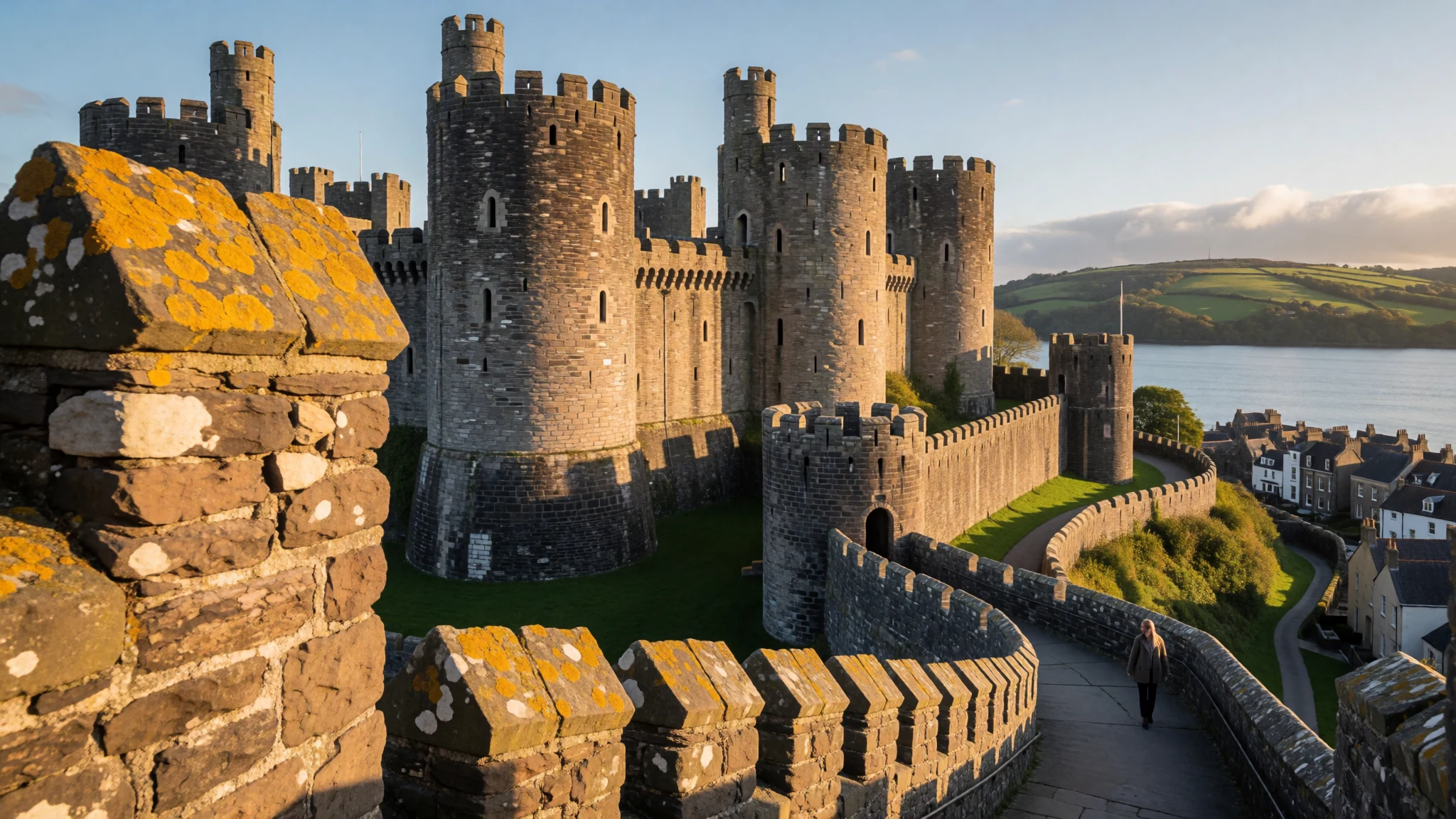
Visit Castles and Town Walls of King Edward in Gwynedd for a rare, readable lesson in how medieval power shaped towns, walls and coastlines.
The place
Castles and Town Walls of King Edward in Gwynedd is a UNESCO World Heritage Site made up of several connected fortifications in North West Wales: Beaumaris, Harlech, plus Caernarfon and Conwy with their castles and town walls. The atmosphere is very “front line”, because these places were designed to control territory, not just to look impressive. You’ll notice how the landscape and the built form work together—walls that hold their line above streets, castles set to dominate approaches, and urban edges that read like a planned system.
The key story behind the site is Edward I’s campaign and follow-on settlement. After the late-13th-century wars for control of Wales, Edward’s programme created new fortified towns protected by castles, giving administrators and settlers a stronger foothold. The result is a cluster of places where architecture and town planning feel inseparable.
Practical note: even on good weather days, Gwynedd can be breezy and changeable. Walks along the walls and between viewpoints tend to be exposed, and the wind off the coast can make it feel colder than expected. In peak periods, the big castles can be busy at entrances and along the most photogenic sections, so it helps to stagger starts—arrive early for calmer views, and plan for slow, weather-led breaks inside museums or sheltered exhibits.
Its story
Castles and Town Walls of King Edward in Gwynedd trace the push-and-pull of power in the late 13th and early 14th centuries. Long before the stones you see today, English and Norman interests were slowly expanding in Wales, while Welsh princes held influence and pushed back. By the 1260s, the Welsh leader Llywelyn ap Gruffudd rose to prominence, partly because of instability in England.
Edward I became king of England in 1272 and, with his background in sieges and fortification, approached Wales with a strategist’s toolkit. After major campaigning in the region, he set out to colonise and administer more securely. The fortifications weren’t isolated projects; they were part of a wider “Ring of Iron” concept, with fortified towns alongside castles. The towns mattered: they were built to house and organise settlement, making governance easier and resistance harder.
Things didn’t go smoothly for long. In 1294, fresh Welsh revolts followed under Madog ap Llywelyn. Some places were supplied by sea and managed to hold out under pressure, while at least one castle faced a hard end when it was still only partly complete. After setbacks, Edward reinvigorated building work—Beaumaris received renewed attention—but royal funding was also being pulled toward conflicts beyond Wales. That ebb and flow is part of what makes the architecture feel “alive”: not all sites are at the same stage of completion, and the campaign timeline shows up in the textures of the stone and the shape of the towns.
What to see
- Caernarfon Castle and town walls
Caernarfon is where town and fortress blur together: heavy walls stitch into the urban layout, and the castle dominates the horizon. Expect lots of open wall-walking and viewpoints, plus a strong sense of planning rather than random medieval growth. It’s popular, so go early for calmer photos.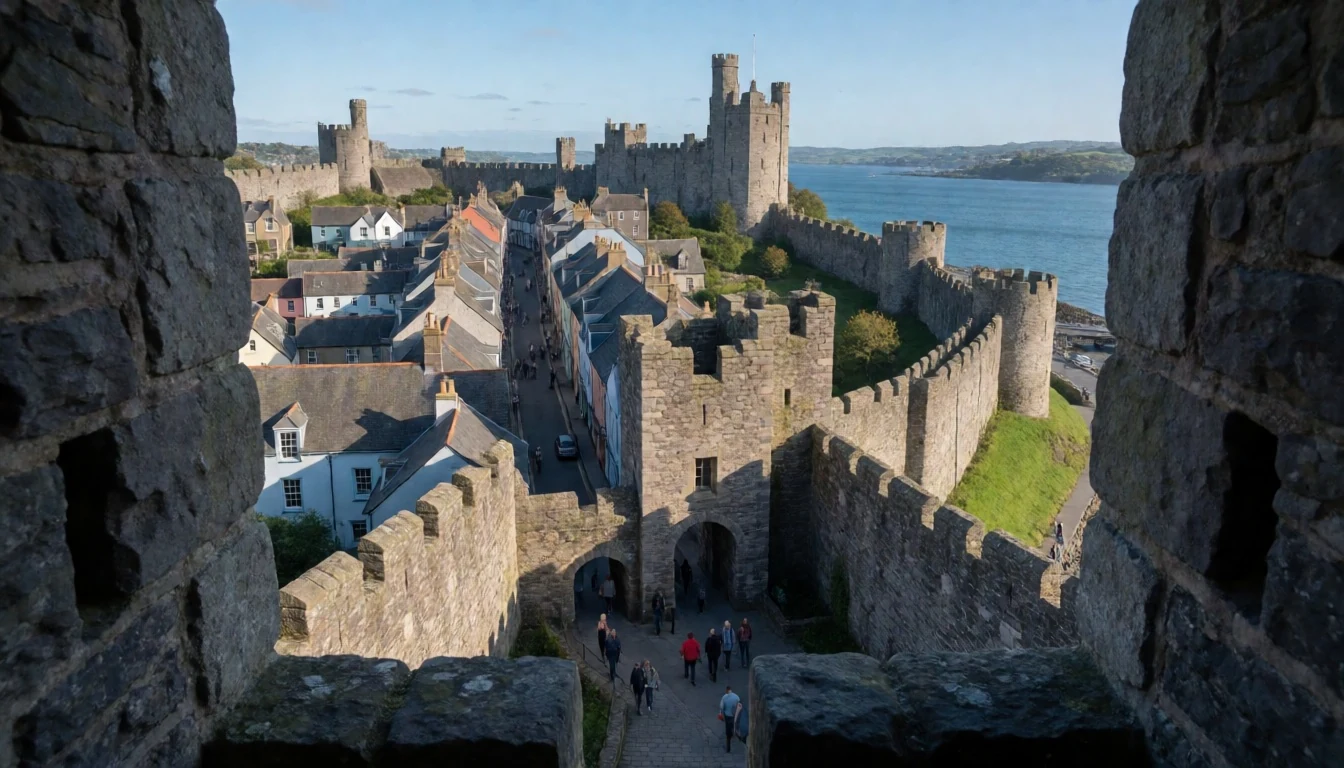
- Conwy Castle and the surviving town walls
Conwy’s castle reads like a hard stop at the edge of the town, with fortifications that make the street-scape feel enclosed. The town walls help you “see” how movement was controlled, and the sea-adjacent setting gives the place a strategic feel. It’s another stop where timing matters for crowd levels.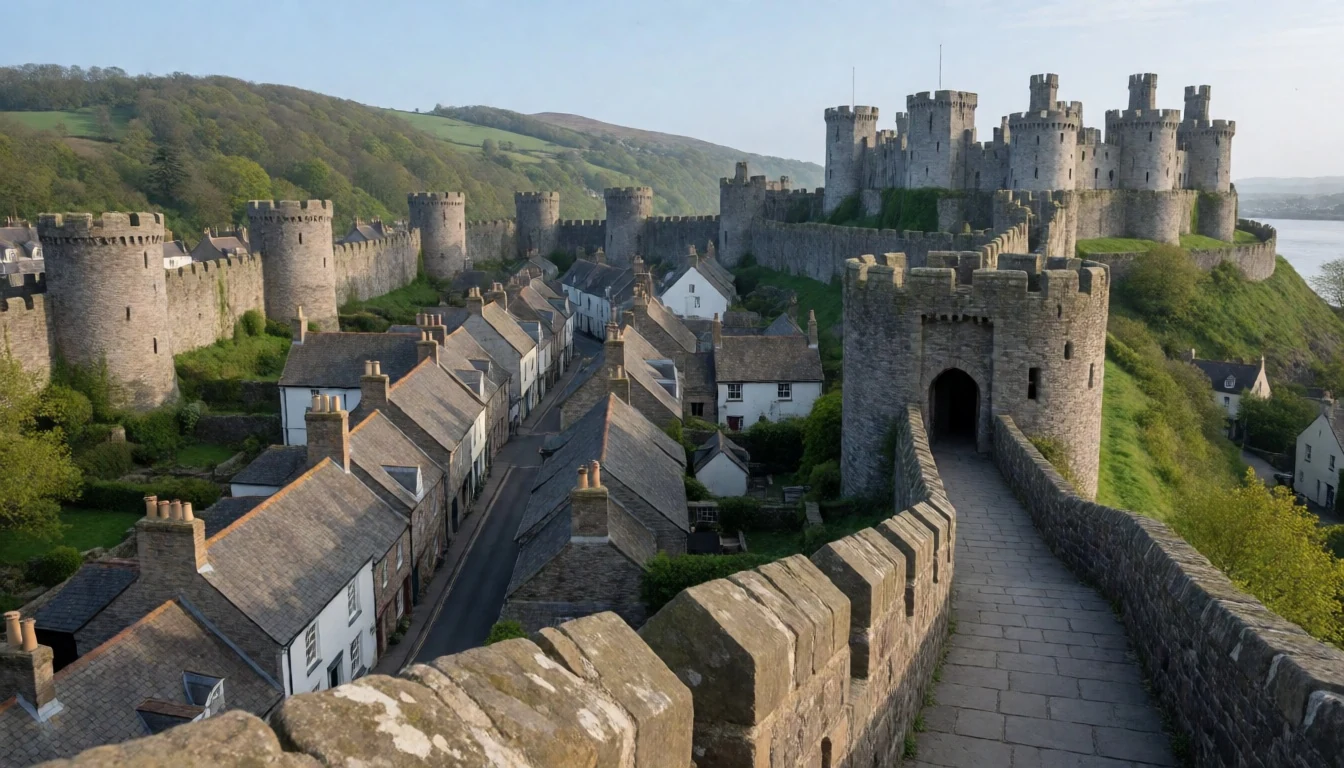
- Harlech Castle
Harlech has a coastal, wind-on-you vibe that suits its purpose. The castle’s position makes the walls and approaches feel designed for watching the horizon and resisting attack. If the weather is wild, this is still rewarding—just dress for exposure and take time to settle into the views.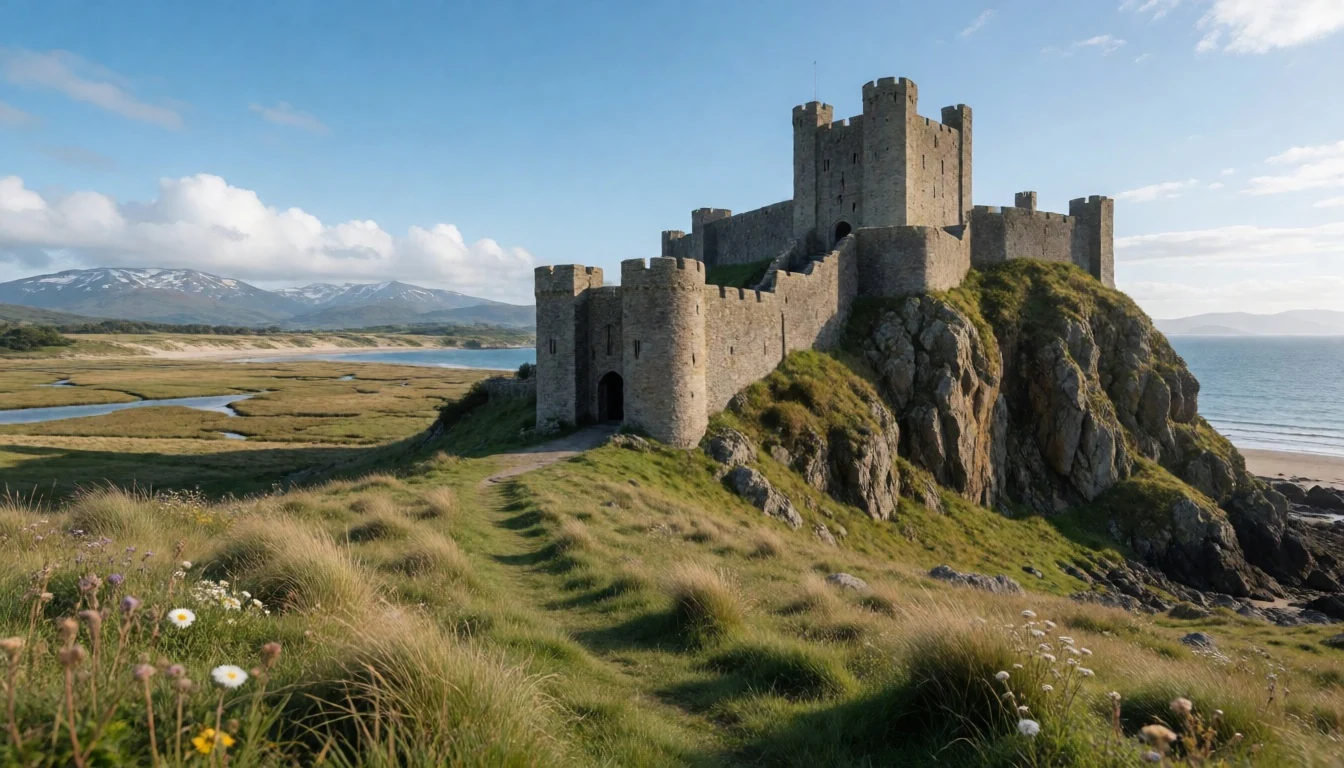
- Beaumaris Castle
Beaumaris is part of the same Edwardian ambition, but it feels slightly different in tone—more about fortified structure and the idea of an ideal stronghold. It’s a great counterpoint to Caernarfon and Conwy if you like comparing how the same political project becomes different stones, layouts and levels of completion.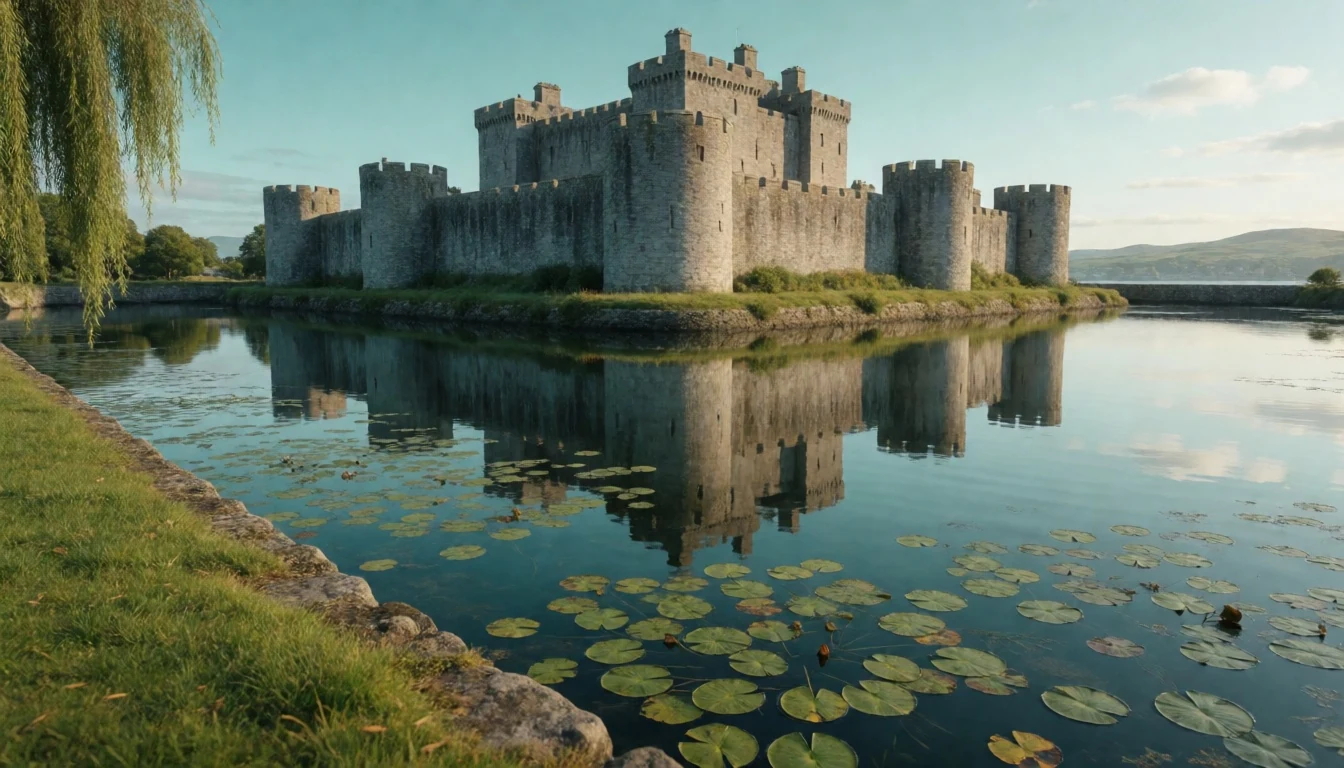
Culture
Wales, in general, is warm and fairly informal, and locals tend to be relaxed as long as visitors are respectful and normal about personal space. At this UNESCO site, the “culture” is less about ceremonies and more about everyday manners in heritage places: keep to paths, don’t climb on the masonry, and be mindful that you’re walking through a working town as well as a historic monument.
One bit of language sensitivity helps. It’s best to refer to people from Wales as Welsh, not English—people can take the “English vs Welsh” distinction personally, because the relationship between the nations is complicated. If you make an effort with Welsh words (even small attempts), it’s usually met well.
Crowds are another real-world factor. In busier seasons, expect lines for entrances and pinch points on stairways and viewpoints around the castles and wall-walk sections. Being patient and keeping group flow moving makes the experience better for everyone.
Visitor etiquette: keep voice low on wall-walks, stay off restricted stonework, and follow any signage about photography in museum areas.
What to wear
For Castles and Town Walls of King Edward in Gwynedd, the practical uniform is weather-proof layers. This is a coastal and exposed landscape, so bring a waterproof jacket (or at least a reliable rain layer) and shoes with grip—there are stretches on uneven ground and along wall-walks where wind can be strong.
Traditional dress in Wales varies by context and region, but you’ll mostly see it on special occasions rather than day-to-day street life. Look out for Welsh traditional elements such as hand-knitted textiles and historical-style garments used during festivals and cultural events, including wool-rich pieces that suit cooler temperatures.
What visitors wear now is mostly straightforward: jeans or sturdy trousers, fleeces or knit layers, and trainers or walking shoes. For religious or ceremonial buildings within any town stops, modest dressing is a safe default (covered shoulders and a top layer that doesn’t scream “beach outfit”).
If travelling in the cooler months, a hat and light gloves help more than expected. In breezy conditions, sunglasses and sunscreen still matter, even when the sky looks dramatic.
What to eat
- Cawl (lamb broth) — traditional Welsh pubs and local eateries
Cawl is the Welsh comfort classic: a lamb broth with hearty depth. It’s easy to find at traditional pubs and local eateries, and it often shows up on menu boards in autumn and winter, when a warm bowl feels like the right move.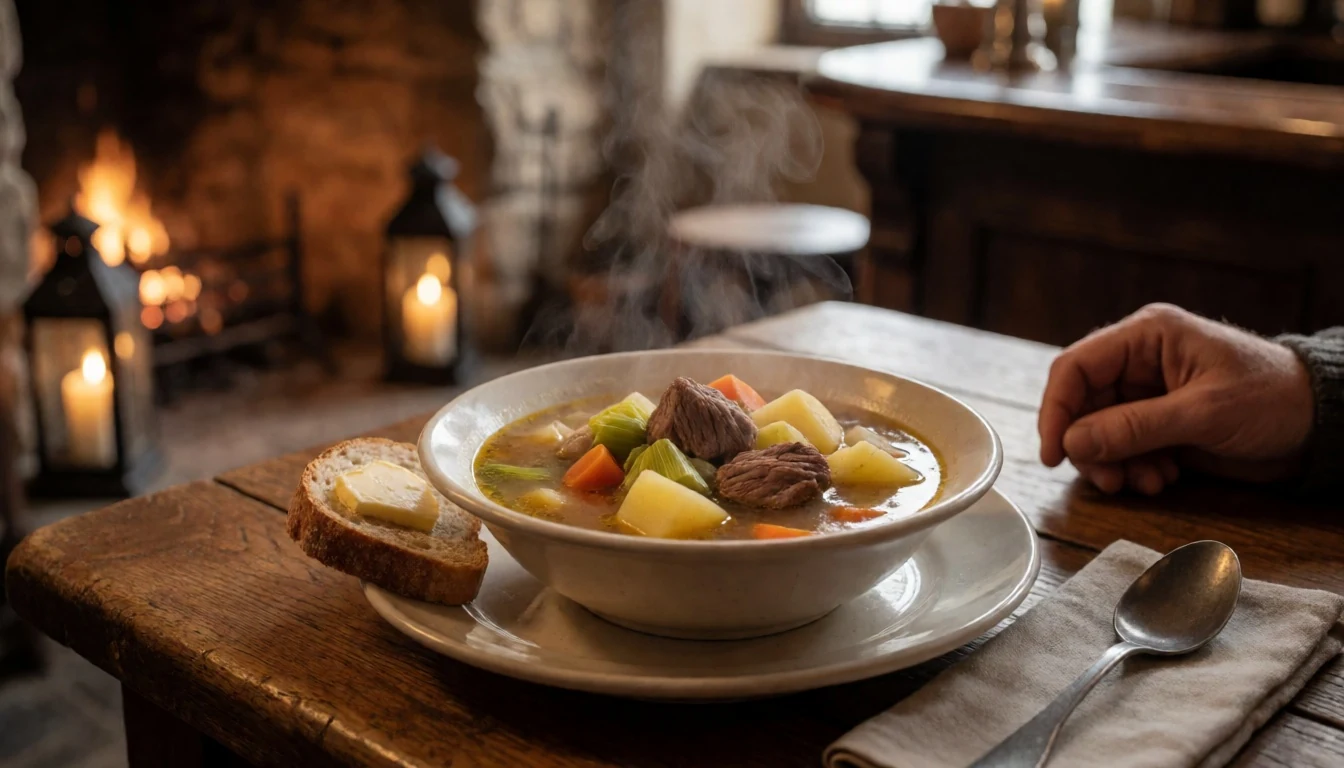
- Roast lamb with mint sauce — pub restaurants and Sunday-roast menus
Wales is noted for quality lamb, often served roast-style with mint sauce and vegetables. You’ll typically see it as a Sunday roast or seasonal special in restaurants and pub kitchens around the towns in North West Wales.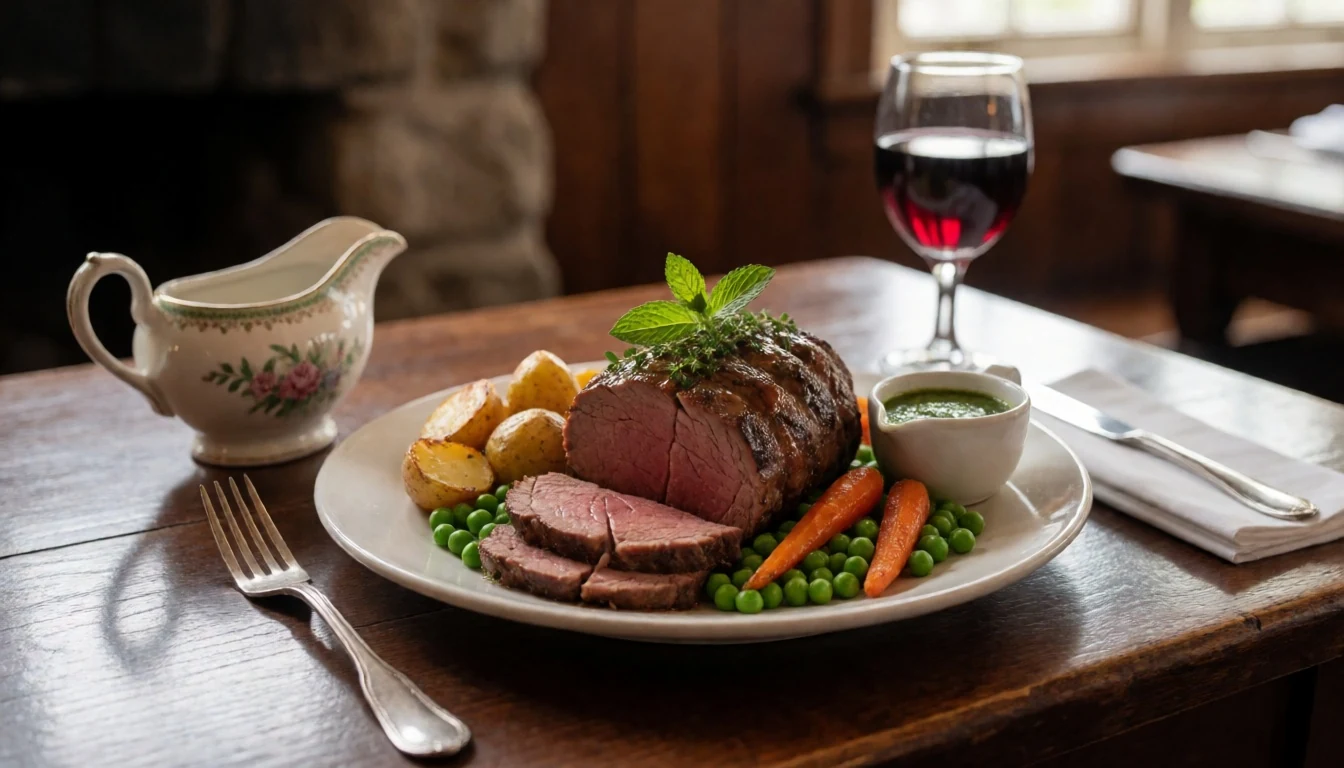
- Welsh rarebit — pubs and café-style lunch spots
Welsh rarebit is melted cheese with mustard flavours, usually spiced with onions and herbs and served on toasted bread. It’s a great snack or light meal while doing castle-hopping, and you’ll find it in pub menus across Wales. - Bara brith — local bakeries and tea rooms
Bara brith is a rich, sweet fruit-speckled bread loaf, closer to fruitcake than plain cake. It’s commonly sold by local bakeries and tea rooms, ideal with a cuppa between longer walks and ticket queues. - Laverbread — coastal cafés and traditional breakfast menus
Laverbread is a purée made from seaweed, not bread in the usual sense. It’s often served with breakfast-style items, especially in coastal areas—worth trying if you want something distinctly Welsh and seafood-linked. - Welsh cakes — markets, cafés and sweet stalls
Welsh cakes are griddle scones, typically containing dried fruit or sometimes jam, finished with sugar. They’re usually easy to grab from cafés and market stalls, and they work well as a quick, sweet stop during sightseeing days.
Plan it
Best time. March–April and October–November for milder conditions and longer daylight; June can bring rainy weather and August is hot and humid.
How long. 3–4
Getting there. Use the nearest major access to North West Wales, then connect by road or train to the castle towns (Caernarfon, Conwy, Harlech, Beaumaris). In the wider Wales context, Cardiff Airport is the only international airport in Wales, and major UK routes connect England and Wales without internal border control.
Budget. mid
Tips
- Start early for the castles and wall sections to reduce crowding and get better light
- Build in weather breaks—coastal wind and showers can make exposed walking tiring
- If moving between towns, use a simple route plan to avoid backtracking
- Bring a waterproof layer and grippy shoes for uneven paths near walls and viewpoints
- Carry a little cash for smaller stalls and local food stops
Etiquette
- Stay off restricted masonry and follow any signs on wall-walks and museum areas
- Be mindful around other visitors at stairways and narrow viewpoints—pause and let people pass
- Keep language and noise respectful in enclosed heritage spaces
Nearby
Sources
- Wikidata Q837627 (CC0)
- Wikipedia (rev 1369856349) (CC BY-SA 4.0)
- Wikivoyage (rev 5379055) (CC BY-SA 4.0)
- Photo photos/01-caernarfon-castle-1994.jpg (CC BY 4.0)
- Photo photos/02-castell-beaumaris-castle-ynys-mon-anglesey-wales-01.jpg (CC BY-SA 4.0)
- Photo photos/03-castell-a-morfa-harlech-gwynedd-mai-2024-parc-cenedlaethol-e.jpg (CC BY-SA 4.0)
- Photo photos/04-caernarfon-panoramio-11.jpg (CC BY 3.0)
- Photo photos/05-castell-conwy-conwy-castle-built-by-the-invading-english-som.png (CC BY-SA 4.0)
- Photo photos/06-edward-i-westminster-abbey-sedilia.jpg (Public domain)
- Photo photos/07-conwy-castle-early-1300s.jpg (CC BY 3.0)
- Photo photos/08-caernarfon-castle-and-town-reconstruction.jpg (CC BY-SA 2.0)


