Carcassonne
Carcassonne, France
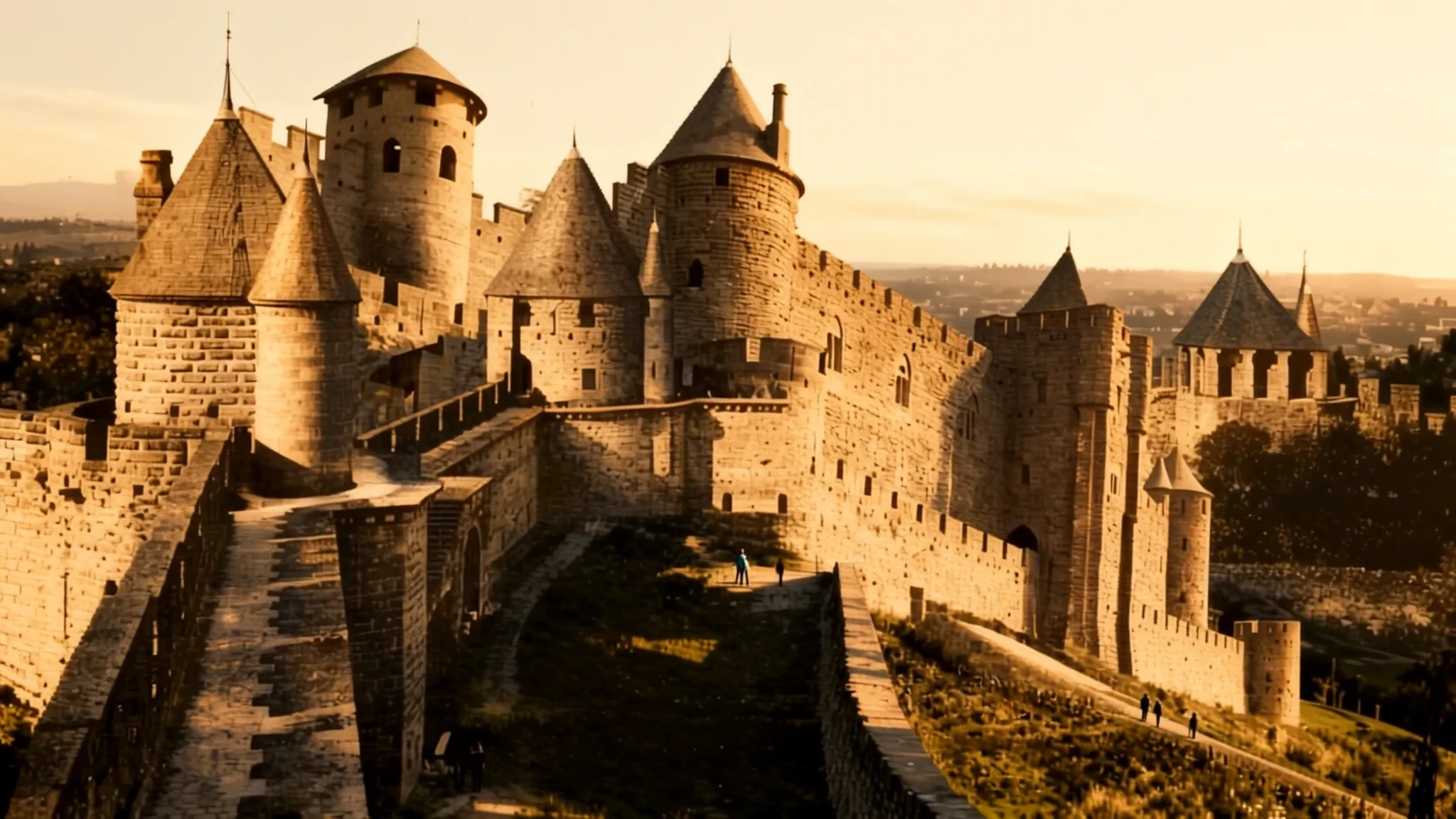
A walled medieval citadel above the Aude plain, best seen from the ramparts and the Pont Neuf at dusk.
The place
Carcassonne is a commune in the Aude department of southern France, and it serves as the department's prefecture. It has around 46,000 residents and sits on the plain of the Aude, about 80 kilometres east of Toulouse. The town has long stood between trade routes that link the Atlantic with the Mediterranean and the Massif Central with the Pyrenees, which is one reason it has been fought over for so long. Most visitors come for the Cité, a walled citadel on a hill above the modern town, whose towers and ramparts are largely the product of a nineteenth-century restoration. That gives the place a tidy, storybook look that some visitors find too polished and others find irresistible. The lower town, the ville basse, is a grid of later streets with shops, bars and restaurants, and it is where most people sleep. Summer is hot, and the Cité fills with day-trippers by late morning, so the walls are easiest to walk early or in the evening. Tourism is the main draw, but manufacturing and winemaking are also important, and the countryside of vineyards and small villages gives the area a working side beyond the postcards.
Its story
Carcassonne's hill was settled long before its walls were built. Traces of people in the area go back to the Neolithic, and by the sixth century BC a site with a Celtic name, Carsac, had become a trading place. The Volcae Tectosages turned it into a fortified hill settlement. The Romans later saw the value of the same height and fortified the summit in the centuries before the Common Era. The hilltop eventually became a Roman colony, and its name shifted over time through Carcaso to Carcasum. Parts of the northern ramparts still contain Gallo-Roman masonry.
When the Western Empire faded, the Visigoths took the region in the fifth century and made Carcassonne part of their kingdom. Their king Theodoric II is thought to have started an early church on the site of what later became the basilica dedicated to Saint Nazarius. In the early sixth century, the Visigoths also held off an attack by the Frankish king Clovis I.
Then there is the legend. A lady of the castle, usually named Carcas, is said to have ended a siege through a clever ruse, and the townsfolk marked the victory by ringing bells. A neo-Gothic statue of her stands near the Narbonne Gate, but the tale itself is a later retelling of a sixteenth-century account, so treat it as local colour rather than record.
The fortress seen today owes much to the nineteenth century. Eugène Viollet-le-Duc led a long restoration, and his work drew on a fifteenth-century painting that showed the walls as they were imagined at the time. The result is more complete and more romantic than what survived, and historians still argue about how far it departs from the original. UNESCO listed the Cité in 1997 for the quality of its preservation and restoration.
What to see
- Château Comtal and the ramparts — Inside the Cité, the hilltop citadel
The Château Comtal is the castle inside the Cité, and it is largely empty of furnishings, so the reason to come is the walk along the ramparts. Allow one and a half to two hours to take in the walls, the gates and the views over the rooftops of the lower town. Early and late in the day are kinder to the crowds and to the light. Wear shoes with good grip, because the stone paths are uneven and in places steep.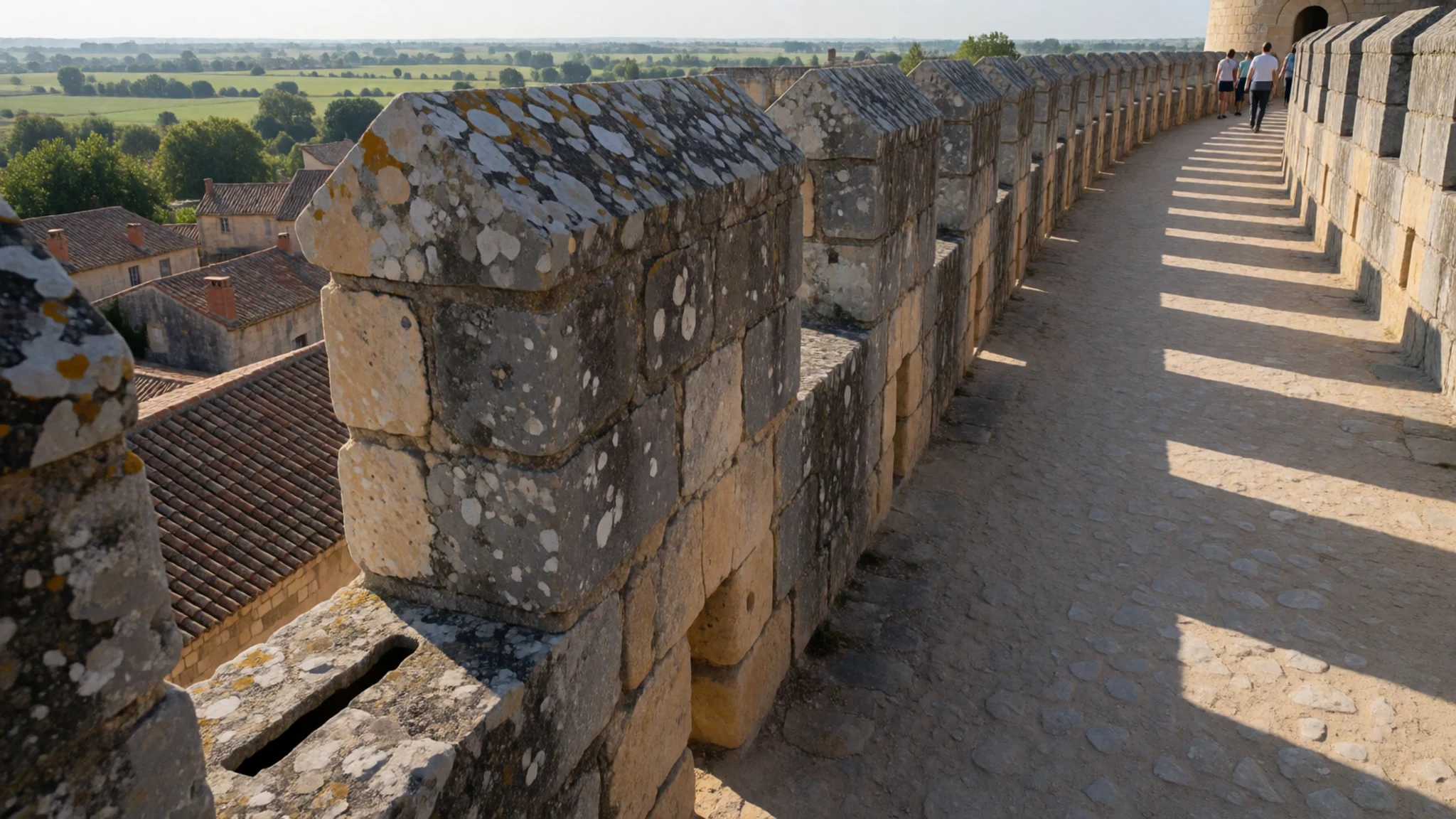
- Basilica of Saints Nazarius and Celsus — Inside the Cité
The basilica stands in the Cité, and its earliest church is thought to date from the sixth century. The oldest surviving parts of the present building are from the twelfth century, built in sandstone in a Romanesque style on the outside. Inside, later work added over the centuries shows through. It is a working church, so dress modestly, keep voices low and step aside during services. Allow a short visit rather than a long afternoon.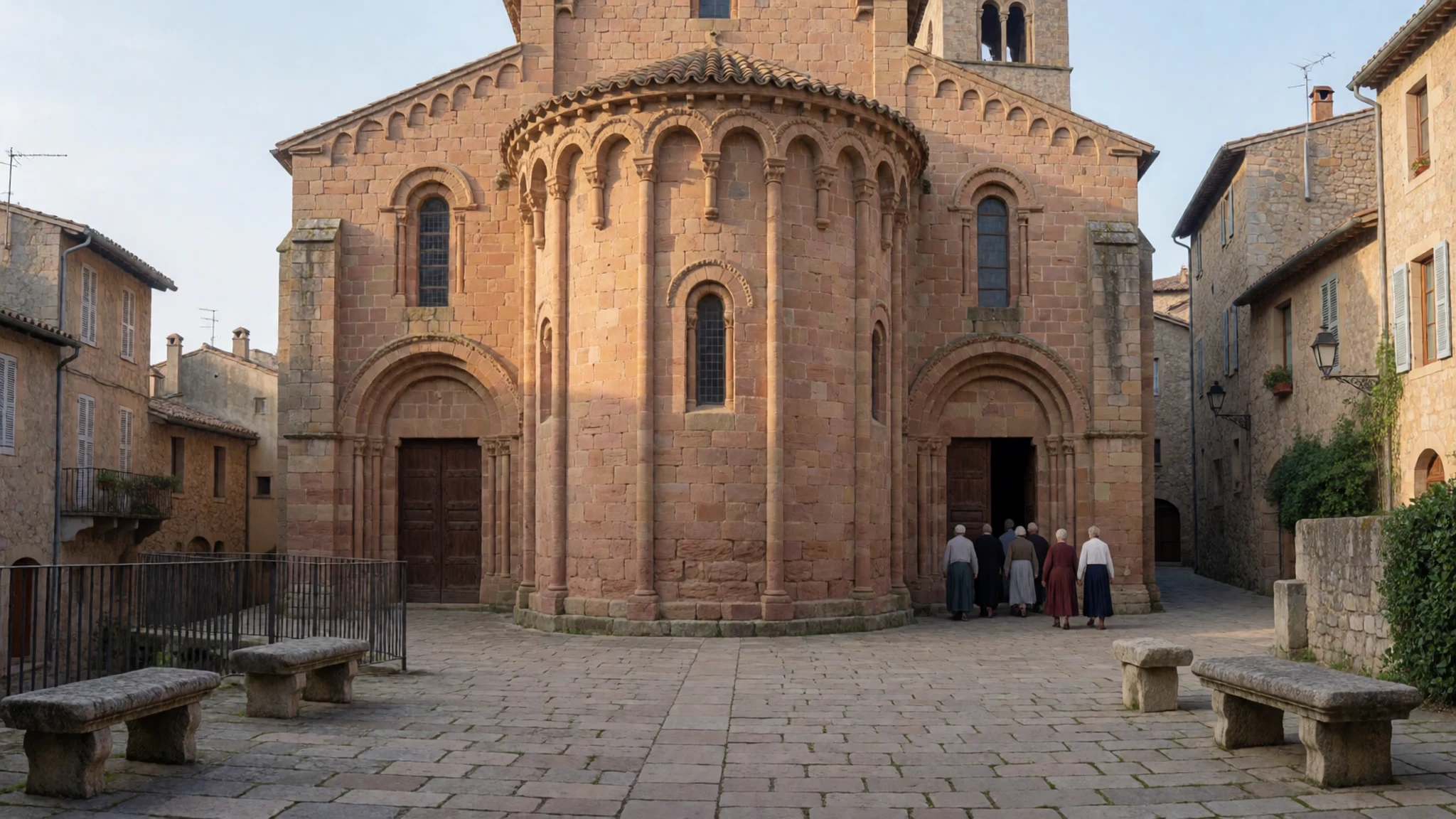
- Carcassonne Cathedral — Lower town, the ville basse
The cathedral sits in the ville basse, the lower town that grew up in the Late Middle Ages, rather than inside the Cité. Visitors often pair it with a stroll through the squares and streets around it. The interior can feel cool even in summer, so a light layer helps. Opening hours change with services and events, so check the official site before you go.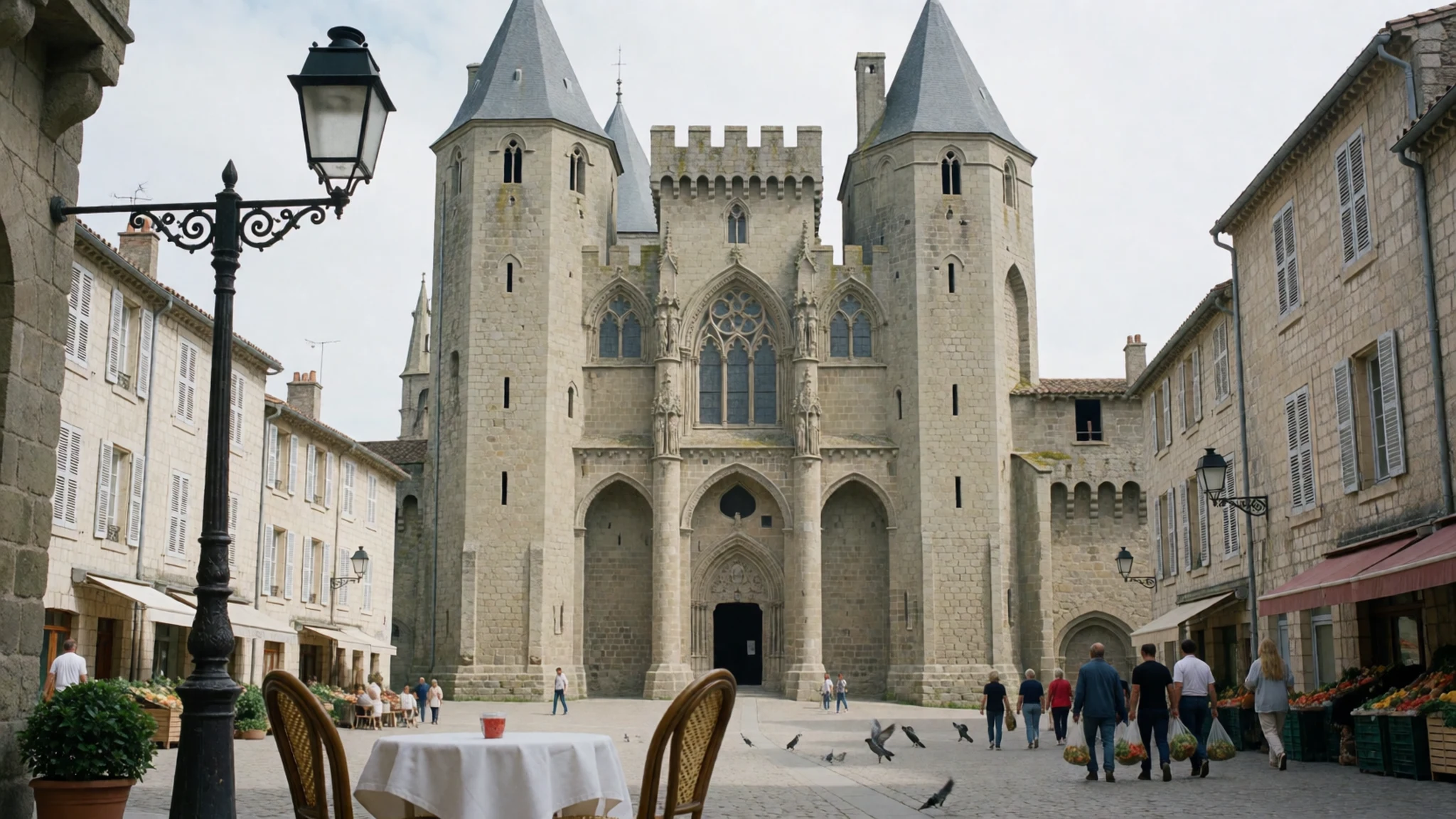
- The view from the Pont Neuf — Bridge over the Aude, looking up to the Cité
For the best view of the citadel, most photographers choose the Pont Neuf rather than the Pont Vieux, which sits closer to the walls but gives a poorer angle. Stand on the bridge in the late afternoon, when the stone takes on a warm colour and the towers are lit from the side. The viewpoint is public and free, and it is much less crowded than the gates inside the Cité.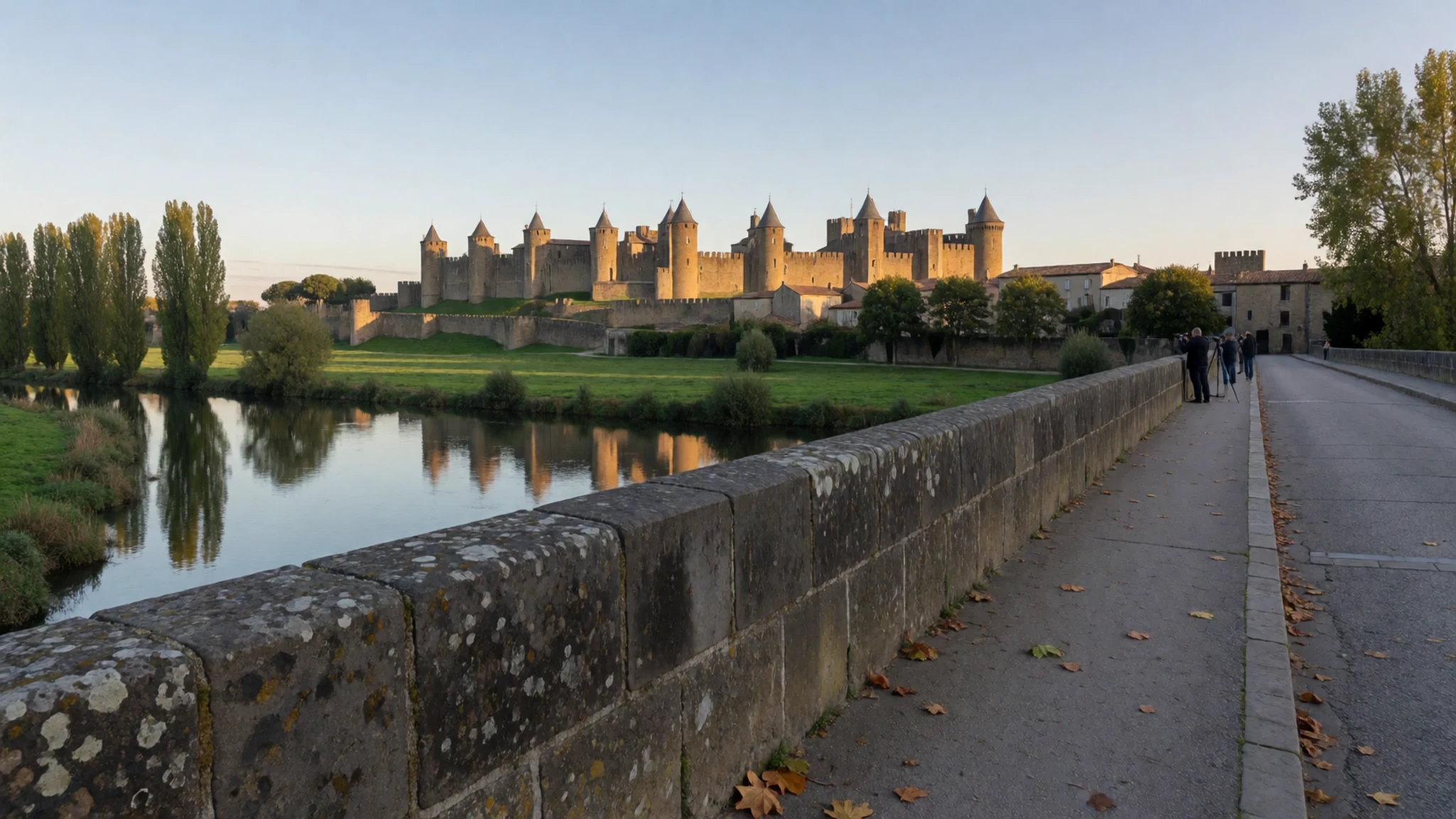
- Châteaux de Lastours — Hills north of Carcassonne
The Châteaux de Lastours sit in the hills to the north of the town. Four towers stand on the rocky site, and the fortress is part of the World Heritage listing for the Royal Capetian Fortresses of Languedoc. It makes a good half-day outing for anyone who wants to see the countryside around the city. Going in the morning gives cooler walking and fewer visitors.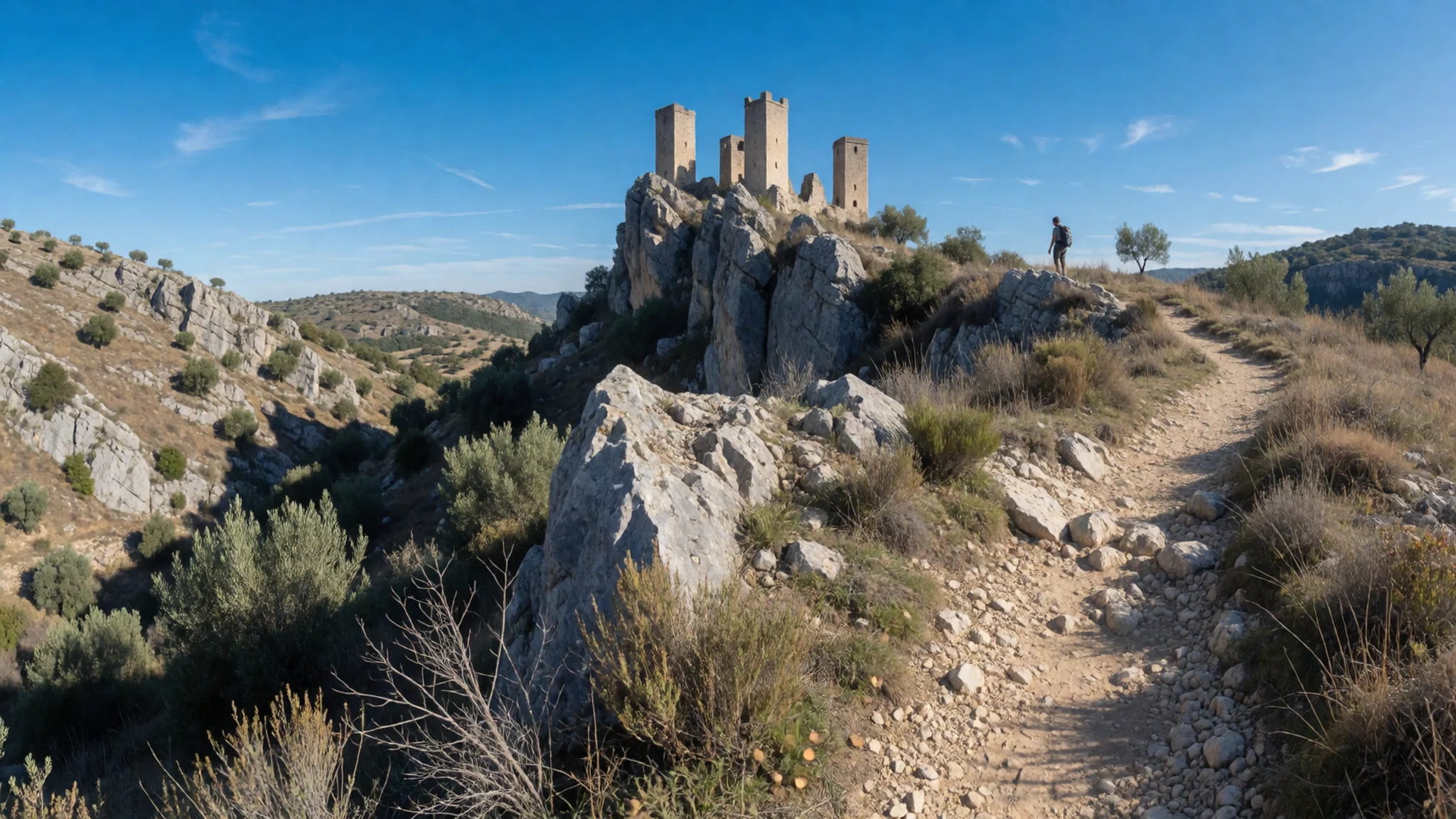
Culture
Carcassonne is a working town as well as a heritage site, and the Cité's stones are still lived around by people going about ordinary business. Local life runs on French habits: shops and some restaurants close for a long lunch, and evenings in the lower town are sociable and unhurried. The town's wine and food traditions are part of everyday conversation, so ordering a regional wine or asking about a dish is a good way into local life. Religious buildings are used for worship, and the basilica and cathedral keep services at set times that visitors should respect. Festivals and cultural events in the town draw audiences who are used to a quieter, more personal style of gathering than the big-city crowds. When you enter the basilica or cathedral, cover your shoulders and knees, and turn off mobile phone sounds before you step inside.
What to wear
{"paragraph": "Carcassonne has no costume of its own. Folk dress does appear in the south of France, but mostly at regional festivals, where it comes out for processions and displays. Those are seasonal and occasional, so you will not see it in daily life. Check local event listings if you hope to catch one. Day to day, people dress in a relaxed, everyday French style: jeans, linen shirts, simple dresses and comfortable sneakers, with a little more polish for dinner. Visitors need flat shoes with good grip for the cobbles and the uneven stone paths of the Cité. Summer sun on the open walls makes a hat, light cotton and a water bottle sensible. Cover shoulders and knees for the basilica and cathedral, and carry a light layer for cool evenings and for air-conditioned churches."}
What to eat
- Cassoulet — Restaurants along rue Trivalle, the road between the town centre and the Cité
Cassoulet is the dish to order in Carcassonne: beans slow-cooked with sausage and duck, a deep, filling stew that suits cooler days. Good versions have a crust on top, and the beans should be creamy rather than watery. Le Trivalou, a restaurant with friendly service, serves a home-made version. It is rich, so share a plate or keep the rest of the meal light.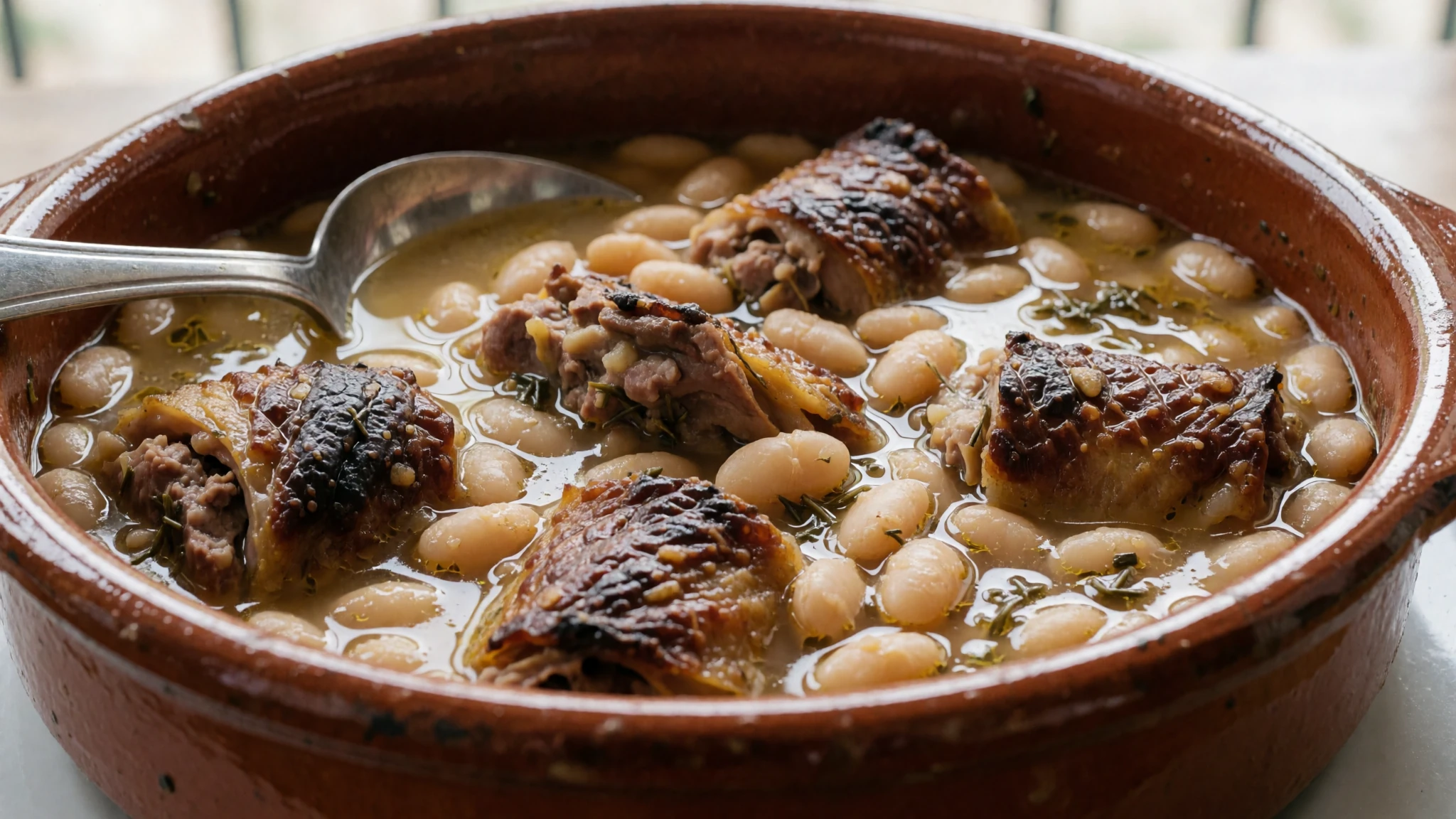
- Foie gras — Bistro menus across the lower town and the Cité
Foie gras is a regional speciality and appears on many menus, often as a starter with bread. It is rich and costly, so treat it as a shared first course rather than something to eat every day. Menus may describe the bird or the preparation in different ways, so read the description before ordering. If you eat meat, one tasting is worth it to see what the fuss is about.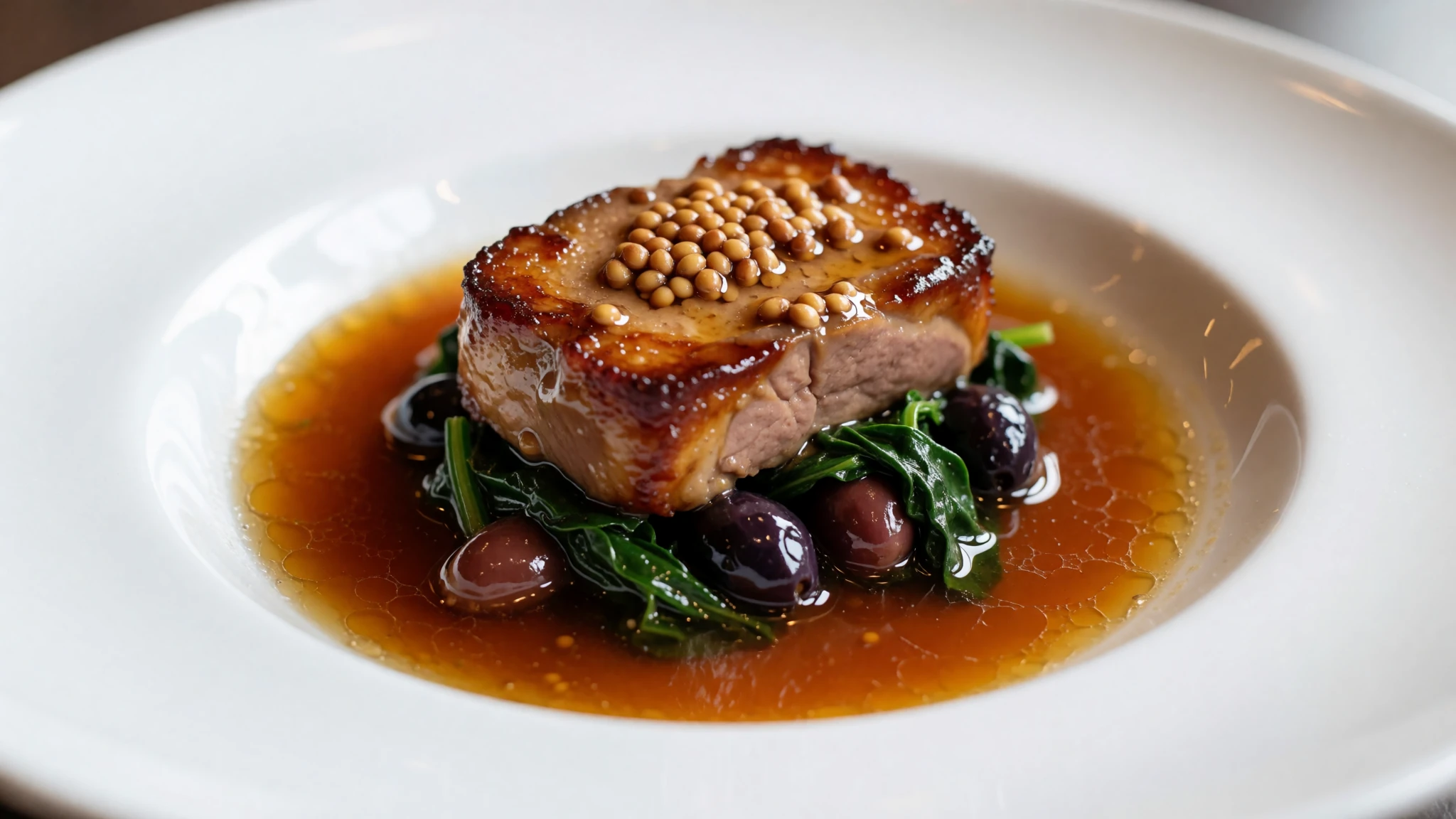
- Vietnamese dishes at Le Lotus d'Or — A Vietnamese restaurant in the lower town
Le Lotus d'Or serves Vietnamese food, which offers a welcome change from the regional menus. Noodle soups and rice dishes are the usual choices in this kind of kitchen, and lighter plates balance a few days of rich cassoulet. Check the menu on arrival, as dishes change. Vegetarians often find more options in this style of cooking than in traditional bistros. - Cheap eats near the station — Bars around the railway station
The bars around the railway station serve simple, inexpensive food, and they are the easiest option for lunch on arrival or before a train. Expect sandwiches, plates of fries and grilled meat, served at an easy pace. It is a practical choice that also gives a break from the tourist trail around the Cité.
Plan it
Best time. April, and the later part of September and October, bring warm rather than scorching days, walkable walls and fewer visitors than July and August. Summer is hot and busy, and winter days are short and quiet, though the Cité stays open.
How long. 2–3
Getting there. Toulouse Airport is the larger alternative, and the train journey from Toulouse city takes about an hour to an hour and a quarter to reach Carcassonne. High-speed TGV trains also call from Lyon, Barcelona and Toulouse. From the railway station it is about twenty minutes' walk to the Cité, and some shuttle buses from the airport stop at the Cité; check the airport website for timetables.
Budget. mid
Tips
- Book accommodation early for July and August, when the town is busiest
- Go to the ramparts early or in the evening, when the walls are quieter
- Carry some cash for small bars and markets, and check whether a restaurant takes cards before you order
- Bring water and a hat for the open walls in summer
- Consider staying in the lower town, which is cheaper and gives easy access to the Cité on foot
Etiquette
- Keep to the marked paths and stay off the walls where signs say so
- Dress modestly and keep quiet in the basilica and cathedral during services
- Ask before photographing people, especially at markets and festival events
Nearby
Sources
- Wikidata Q6582 (CC0)
- Wikipedia: Carcassonne (rev 1381812483) (CC BY-SA 4.0)
- Wikivoyage: Carcassonne (rev 5397824) (CC BY-SA 4.0)
- Photo: aerial panorama of Cité de Carcassonne, Chensiyuan (CC BY-SA 4.0)
- Photo: Cathars expelled, Workshop of Master of Boucicaut (Public domain)
- Photo: L'Hôtel de Rolland, APB11 (CC BY-SA 4.0)
- Photo: From Outside the Castle, bmsgator (CC BY 3.0)
- Photo: painting of Carcassonne from 1462 (Public domain)
- Photo: Carcassonne Cité at dusk, Benh LIEU SONG (CC BY 3.0)
- Photo: Felice Varini, Concentric, eccentric, James Kevin McMahon (CC BY-SA 4.0)
- Photo: 'Catalonian cream', Carlos Gracia (CC BY 2.5)


