Calgary
Calgary, Canada
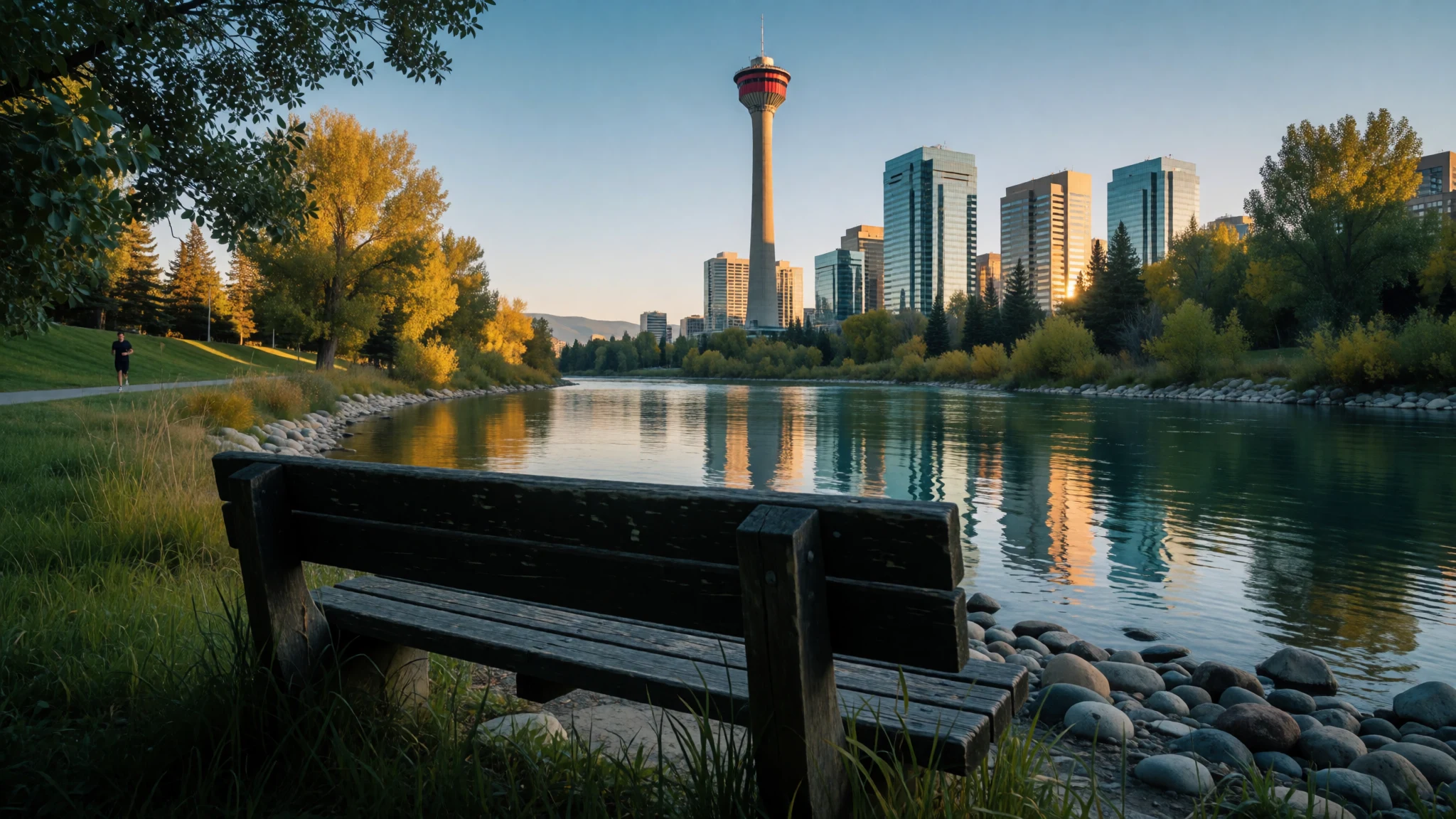
Calgary is a prairie city with a western streak, river paths and easy access to the Rockies, best around Stampede in summer.
The place
Calgary sits in southern Alberta, where the Bow and Elbow rivers meet and the Prairies start to lift towards the Rockies. The city has about 1.3 million people and stands 1,045 metres above sea level, which explains the clear, thin air and the sudden swings in weather. On a good day the mountains show as a pale, jagged line to the west, a short drive away, while the streets themselves run across open, gently rolling grassland.
Downtown is a tight cluster of glass office towers, joined by raised indoor walkways that people rely on through the long winter. Around it the neighbourhoods have distinct personalities: Kensington with its independent shops, Inglewood with older brick buildings and live-music rooms, Bridgeland and Marda Loop with cafés and young families. Beyond them the suburbs spread wide. Most residents drive, though trains and buses serve the core, and a network of riverside paths makes walking and cycling pleasant in good weather.
Money shaped the place. Energy built the city, and many companies keep their head offices in the towers, but film and television, logistics, technology and tourism all add to the mix. That prosperity shows in tidy parks, well-kept public spaces and a city that feels organised rather than romantic.
Calgary is not a city of ancient monuments, and it is honest to say so. Its appeal is big skies, river valleys, a cowboy culture that is worn lightly and a good base for mountain country. Summers are bright and sometimes hot for a few days; winters are cold and dry, occasionally broken by warm chinook winds that melt snow within hours. Most travellers use it as a gateway to the Rockies, and a day or two in town is well spent.
Its story
Calgary stands on ground with a very long human history. Archaeology points to people living around the Bow and Elbow rivers for many thousands of years, and the area remains tied to several nations: the Niitsitapi (the Blackfoot Confederacy, made up of the Siksika, Kainai and Piikani), the îyârhe Nakoda and the Tsuutʼina. Métis communities also have districts here under the Otipemisiwak Métis Government.
European contact came through the fur trade. David Thompson, a young surveyor and mapmaker working for the Hudson's Bay Company, spent a winter with a Piikani band camped on the Bow and is the first European on record in the district. Settlers followed slowly. John Glenn is the earliest documented one, and soon afterwards three priests put up a small log cabin beside the Elbow.
The decisive step was a police post. The North-West Mounted Police, forerunners of today's RCMP, sent a detachment north from Fort Macleod to hold a site on the Elbow. Their job was partly to keep American whisky traders out of the western plains and partly to protect the fur trade. The fort drew traders, ranchers and families, and a village grew around it. The city's founding is usually dated to 1884.
From those beginnings Calgary became a ranching and railway town, and later a centre for oil, gas and finance. That layered past explains a good deal of what a visitor sees now: office towers beside cowboy hats, Indigenous history that is increasingly told in public, and a civic pride in being a place that was built quickly by people who arrived with plans.
What to see
- Calgary Stampede — Stampede Park, near the Saddledome
Each July the whole city turns western, with a rodeo, chuckwagon races, a midway and free pancake breakfasts across town. The grounds are crowded and hot by afternoon. Book rodeo seats early, go to the grounds in the morning, and check the official Stampede site for dates and tickets.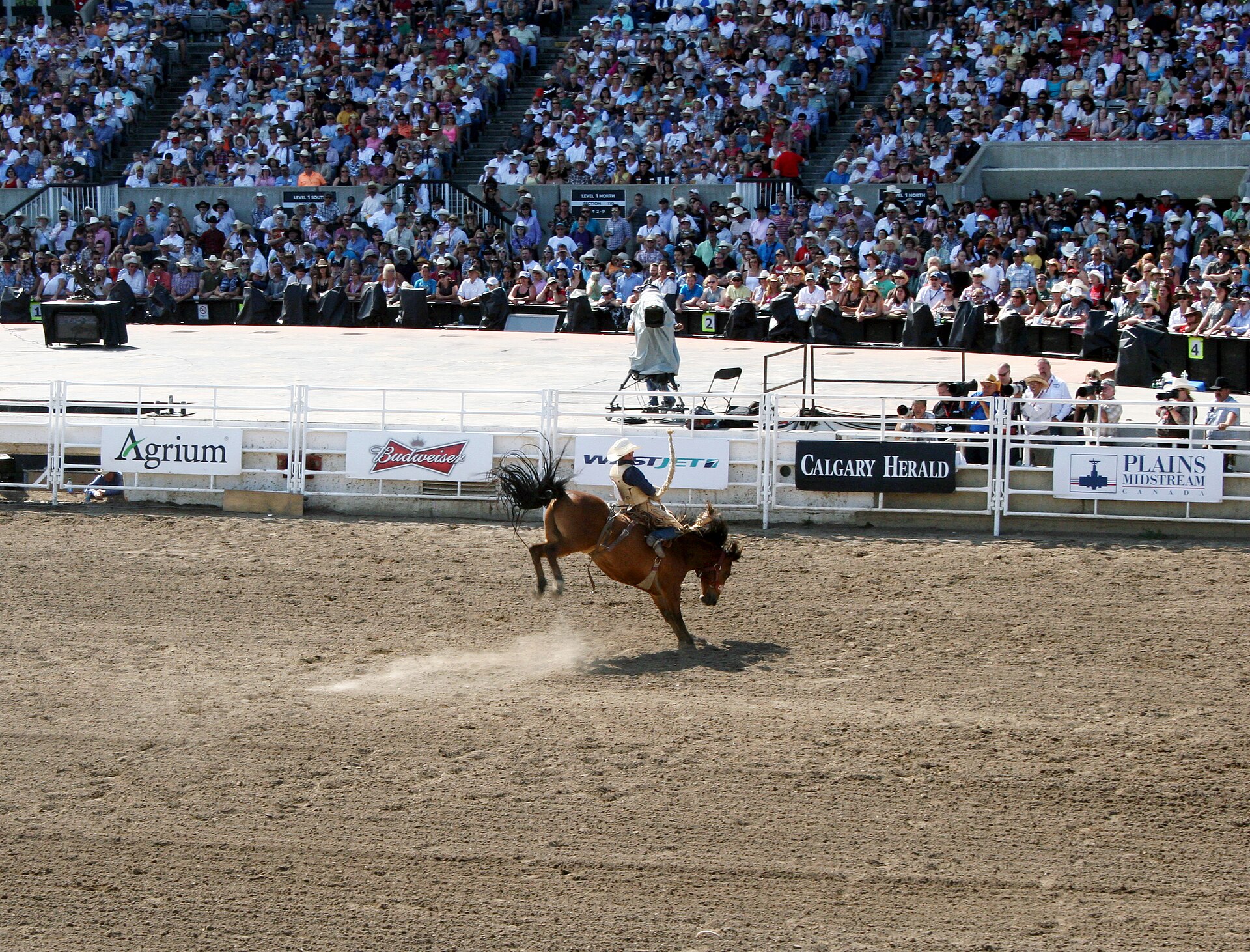
- Stephen Avenue — Downtown core
Stephen Avenue is the pedestrian spine of downtown, lined with older stone buildings, patios, shops and lunchtime crowds from the nearby towers. It is easy to walk end to end. Evenings are livelier in summer, and in winter the indoor walkways nearby offer a warmer alternative route.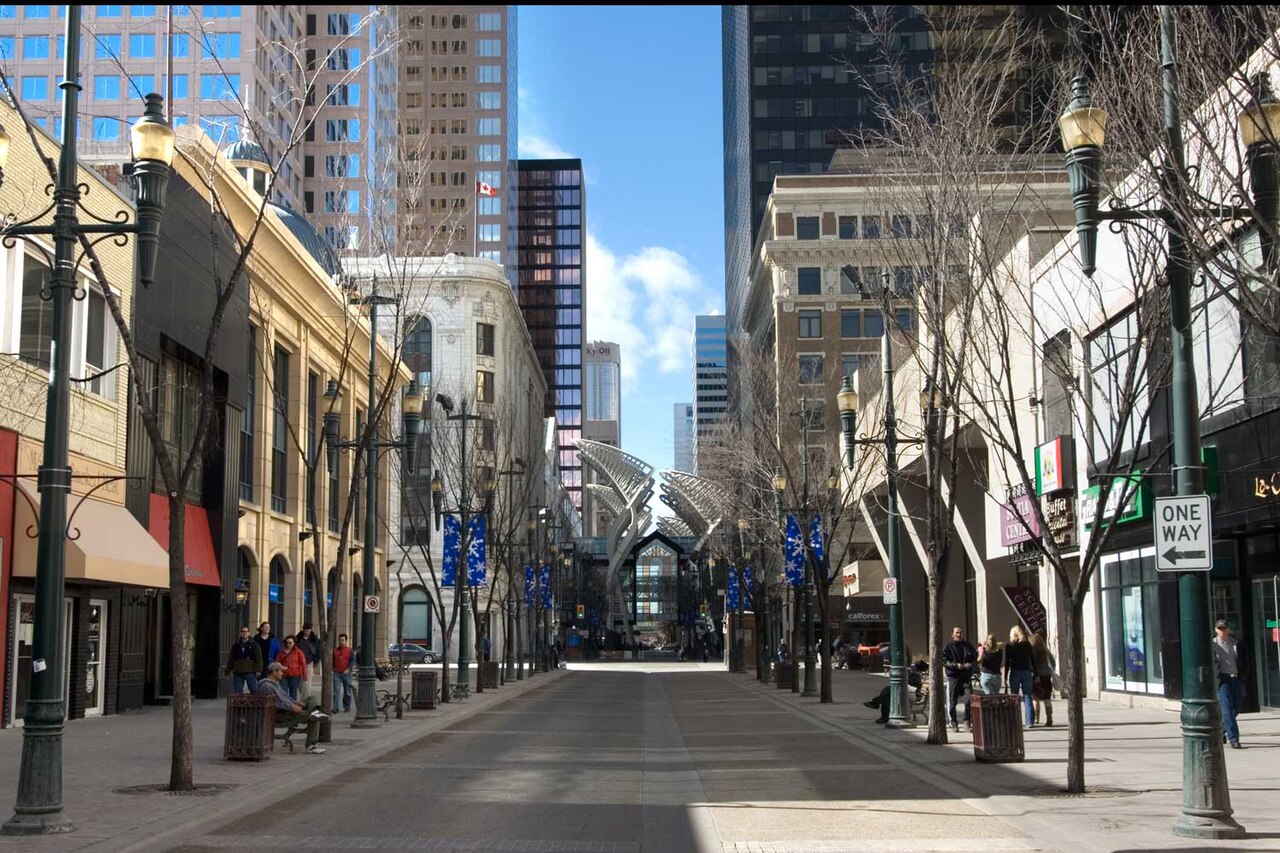
- Olympic Plaza — Downtown, east end
Olympic Plaza is a public square that carries the memory of the city's Winter Olympic years. It serves as a gathering place for festivals and concerts, and a pool becomes a skating surface in winter. It is a convenient starting point for exploring the east side of downtown on foot.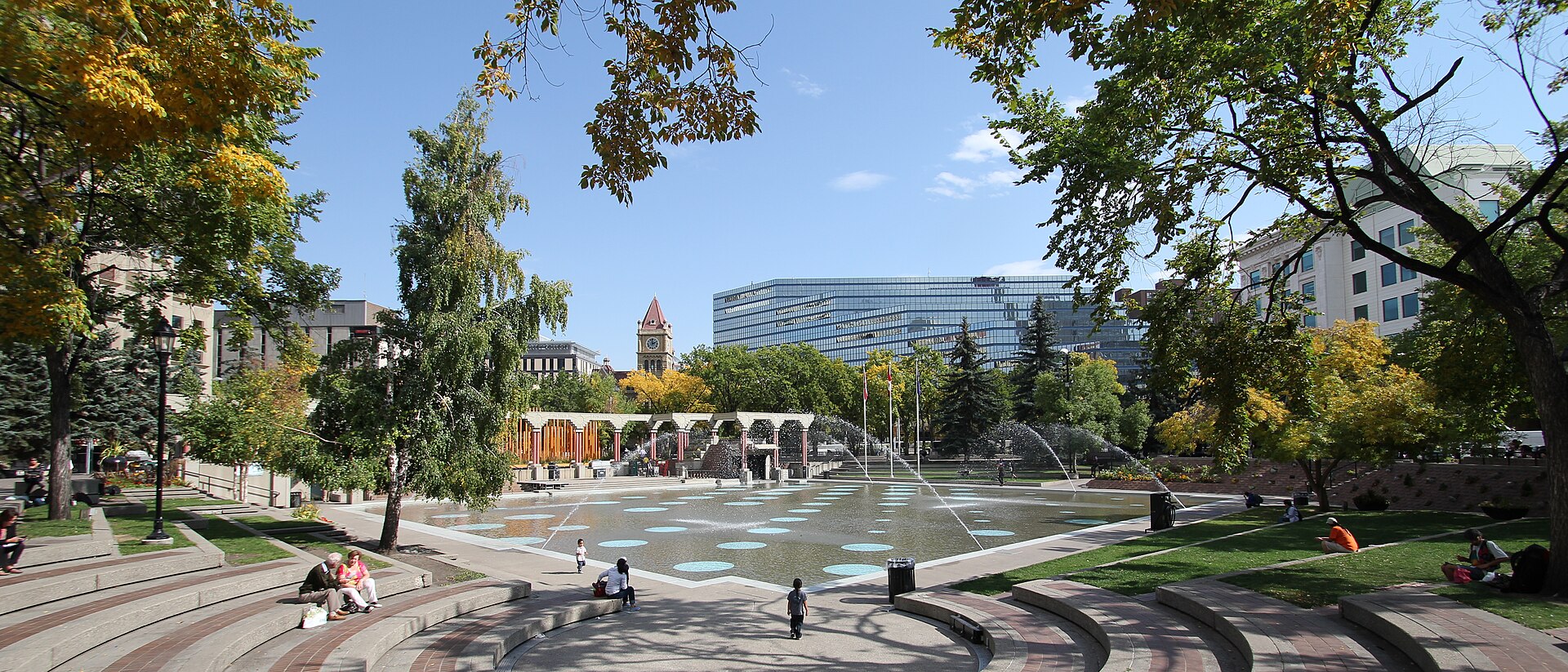
- Lougheed House — Beltline
Lougheed House is a historic residence set in formal gardens, a calm pause among the Beltline's apartments and offices. The gardens are pleasant on a sunny day, and the house hosts exhibitions and events. Opening times change, so check the official site before heading over.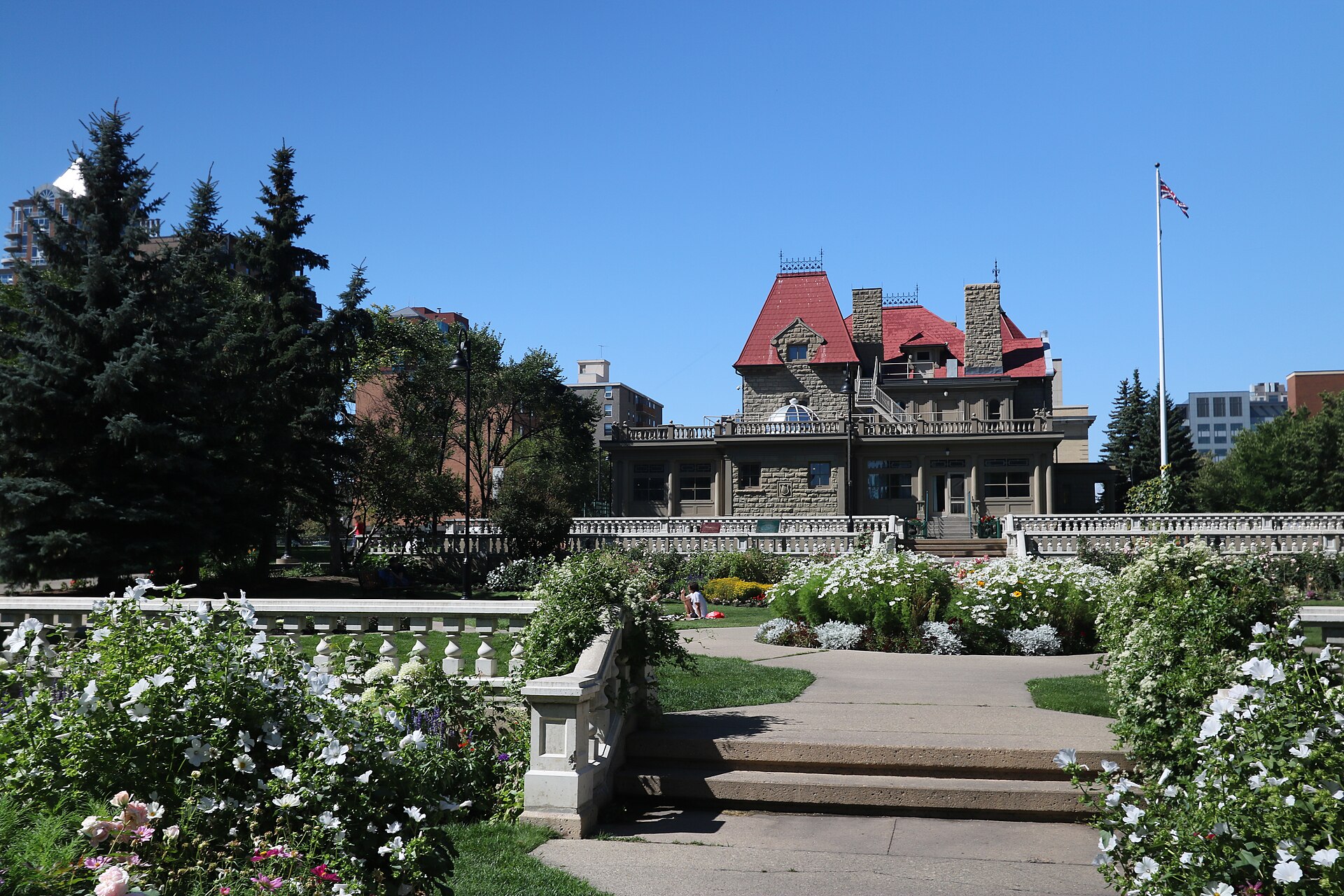
- SAIT Heritage Hall — SAIT campus, north-west of downtown
Heritage Hall is the old sandstone centrepiece of the SAIT Polytechnic campus, on high ground overlooking the city. It is worth a short detour for architecture lovers, and the walk around the grounds gives a different view of downtown. Treat it as a quiet campus rather than a formal attraction.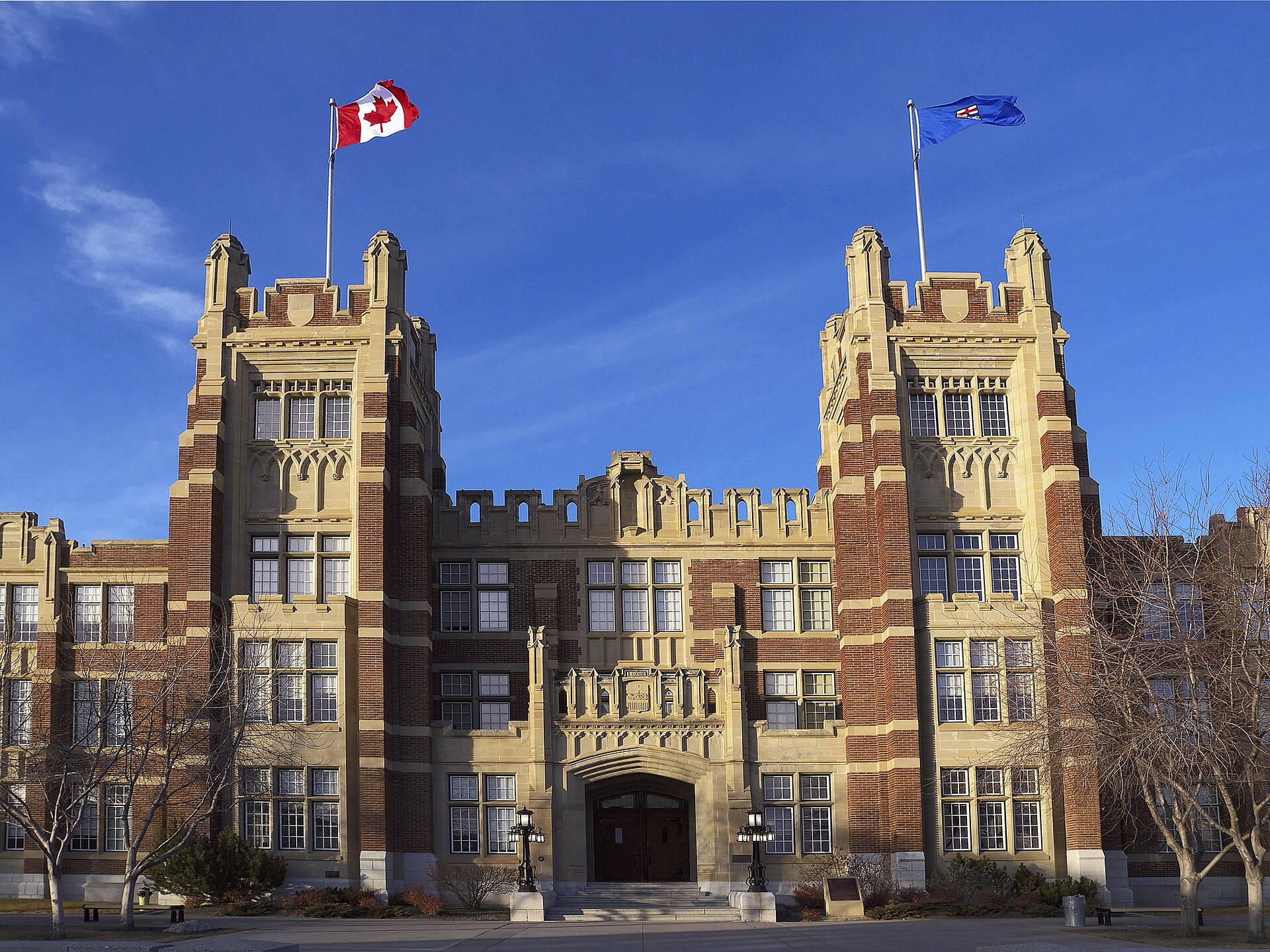
Culture
Calgary's cultural life blends cowboy tradition, oil-era ambition and a growing arts scene. The federal government named it one of Canada's cultural capitals in 2012, and the evidence is easy to find. The Southern Alberta Jubilee Auditorium, known locally as the Jube, is home to the Alberta Ballet and Calgary Opera, and festivals fill the calendar, from theatre and dance in winter to spoken word in spring and Latin dance in March.
The western identity is real but not constant. During Stampede week offices decorate themselves, people swap suits for denim and hats, and strangers chat over free pancakes. For the rest of the year Calgary is a modern, multicultural city with large Chinese, South Asian, Filipino and Indigenous communities, and its restaurants and shops reflect that. Many Calgarians live in suburbs, though central areas such as Kensington, Inglewood, Bridgeland and the Beltline have become more popular and denser in recent years.
Indigenous heritage is part of the city's story, and the territory of the Niitsitapi, îyârhe Nakoda and Tsuutʼina nations is increasingly acknowledged at public events. Calgarians are generally friendly and informal, quick to start a conversation, and proud of their outdoor lifestyle and the mountains next door.
When out and about, queue patiently, keep to the right on shared river paths and, if you are invited to an Indigenous ceremony or event, ask permission before taking photographs or recordings.
What to wear
Calgary's traditional dress belongs first to the Indigenous nations of the region. Ceremonial regalia often uses hide, beadwork, quillwork and feathers, and is worn at powwows and cultural events, with designs that carry family and community meaning. The Métis are known for the woven wool sash, historically worn at the waist, which is still seen at gatherings and celebrations. The city's ranching past added its own working wardrobe of wide-brimmed hats, denim, leather boots and checked shirts.
What people wear now is practical and fairly casual. Office workers dress smartly but quietly, and outdoor gear is normal in town: puffer jackets, fleeces, trail shoes and caps. In July, western wear returns in force, with hats, boots, bolo ties and decorated shirts, and some people buy a new outfit specially for Stampede.
A visitor should dress for the weather, which can change fast at this elevation. Summer needs sunscreen, sunglasses, a hat and a light waterproof for sudden storms, with layers for cool evenings. Winter demands a proper insulated coat, gloves, a warm hat and boots with grip, as pavements can be icy. Comfortable walking shoes suit the river paths and downtown. There are no strict modesty rules in public, but a cover-up is sensible at places of worship or Indigenous ceremonies, and a hat helps at outdoor events.
What to eat
- Ginger beef — Chinese-Canadian restaurants across the city
Crispy fried strips of beef in a sticky, sweet and tangy sauce, invented in Calgary in the 1970s. It is easy to find in Chinese-Canadian restaurants, and it shows how the city's immigrant kitchens adapted to local tastes and ingredients. - Alberta beef steak — Steakhouses in downtown and the Beltline
Locals are proud of Alberta beef, and steakhouses here are taken seriously. Expect thick cuts cooked to order, with potatoes and seasonal vegetables on the side. It is a smart dinner choice, and booking ahead is wise for weekends. - Stampede pancake breakfast — Community events and street stalls during Stampede week
During Stampede, pancake breakfasts appear in car parks, offices and community halls, often free or very cheap. Stacks of pancakes come with syrup and sausages. Go early, queue with everyone else, and use it as a quick way into the festival mood. - Calgary Caesar — Bars and brunch cafés throughout the city
A savoury cocktail of vodka, spiced tomato and clam juice, usually garnished with celery or something more elaborate. It is a local brunch staple and a good conversation starter. Those who avoid alcohol or shellfish can ask for a milder version. - Local craft beer — Taprooms and breweries around Inglewood and the inner city
Calgary has a lively craft-beer scene, with breweries such as Wild Rose pouring IPAs and wheat ales. Taprooms are relaxed, often serve food, and welcome walk-ins. Ask for a tasting flight if the menu is large.
Plan it
Best time. June to September for warm, long days, with July best for Stampede but busiest and priciest. Winters are cold and dry, though chinook winds can bring brief thaws. Spring and autumn are changeable.
How long. 2–3
Getting there. Calgary International Airport has flights from across Canada, and Air Canada links it with London Heathrow. From the airport, a taxi, ride-hail or bus reaches the centre; check the official airport site for current options. The Rocky Mountain gateway towns are a short drive west.
Budget. mid
Tips
- Book Stampede rodeo seats and accommodation months ahead; the city fills in July
- Carry layers and sunscreen, since the weather swings fast at this elevation
- Use the river paths for walking and cycling, and the indoor walkways downtown in winter
- Rent a car if you plan to head to the Rockies, as public transport there is limited
- Cards are widely accepted, but carry a little cash for stalls and markets
Etiquette
- Queue patiently and keep to the right on shared paths
- Ask before photographing people, especially at Indigenous events
- Tipping is customary at restaurants and bars
Nearby
Sources
- Wikidata Q36312 (CC0)
- Wikipedia: Calgary (rev 1384615288) (CC BY-SA 4.0)
- Wikivoyage: Calgary (rev 5396502) (CC BY-SA 4.0)
- Photo: Calgary skyline and Pengrowth Saddledome (Gorgo) (Public domain)
- Photo: Downtown Calgary (AceYYC) (CC BY-SA 4.0)
- Photo: Stephen Avenue West (CC BY 3.0)
- Photo: Lougheed House (CC BY 2.5)
- Photo: Olympic Plaza (Udo Röbenack) (CC BY 3.0)
- Photo: SAIT Heritage Hall (Imre Z. Balint) (CC BY 2.5)
- Photo: Calgary Stampede rodeo (Gnosis) (CC BY-SA 4.0)
- Photo: Big fire on 9th Avenue SE (Ross, Alexander J.) (Public domain)


