Butrint
Butrint, Albania
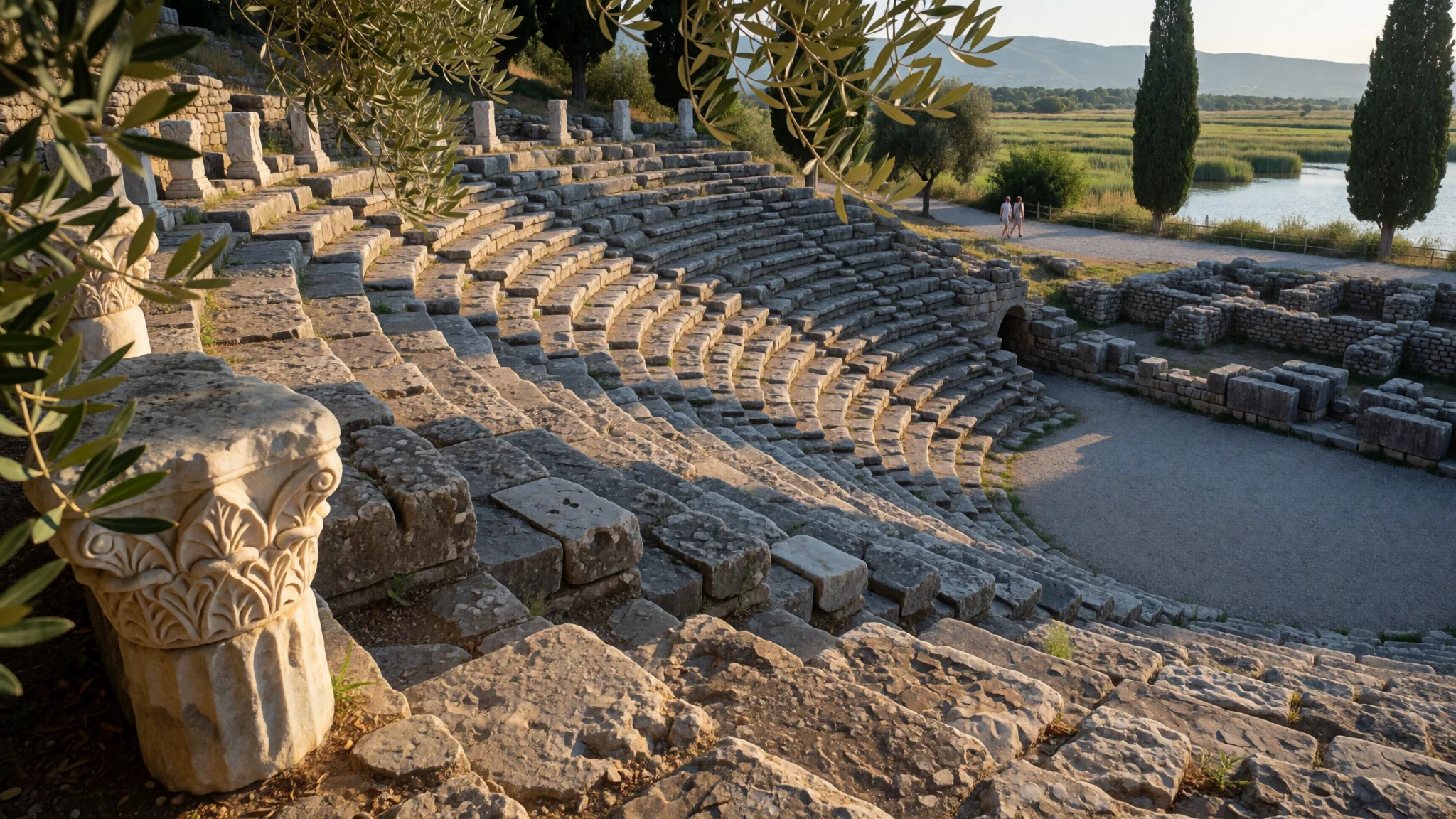
Butrint feels like an archaeological crossroads—Greek, Roman and early Christian layers set in a National Park setting.
The place
Butrint is an ancient hill town in Albania, now visited as an archaeological site inside Butrint National Park. Perched above the Vivari Channel, it’s the kind of place where the landscape matters as much as the stones: you look out over water and marshy green, then step into the remains of a city that kept changing hands and identities.
The site is widely associated with the ancient Greek polis of Butrint (Bouthrōtón), later becoming a Roman city and eventually an early Christian bishopric. Over time, the city declined and was later abandoned, but what survived gives a clear sense of how an important Mediterranean harbour settlement worked—ports, civic life and sacred spaces all tucked into the same walking circuit.
Today, visitors come for the mix: architectural fragments that read differently depending on where the sun sits; mosaics and church structures that speak to late antique worship; and the sense of quiet that comes from being tucked away in protected nature. In the warmer months, you’ll often see plenty of visitors on the main circuit, but the grounds stay spacious enough to feel calm between stops.
Butrint is also close to Sarandë and not far from the Greek border, so the feel is regional rather than purely Albanian—Greek islands in the distance, Balkan textures in the air, and a travel rhythm that blends sightseeing with beach-town time. For practical comfort, aim for the milder months, carry water, and be ready for uneven paths in the open.
Its story
Butrint’s story is a long arc of strategic position and shifting power. It began as a settlement of the Chaonians in Epirus, a people whose location gave the city an edge: it sat where maritime routes mattered, with access to the Straits of Corfu and the crossroads between mainland Greece and the wider “Mediterranean frontier”. That geography helped it grow into a major port and regional centre.
From there, layers accumulated. Excavations have turned up pottery traditions that point to changing contacts over time, and the city’s profile grew as it became part of the broader political worlds around it. Later, the centre of gravity moved with Roman administration, and the site’s civic identity evolved into a Roman colonia and a Byzantine bishopric.
The end wasn’t sudden, more like a slow retreat from importance. Butrint entered decline in Late Antiquity, and eventually it was abandoned in the Middle Ages after a major earthquake and flooding reshaped much of the city’s built environment.
Centuries later, the human story doesn’t stop—archaeology and conservation changed the modern experience. The place is now a UNESCO World Heritage site, managed as a national park, and linked to an active narrative of discovery: archaeologists, local guides and visitors walking the same routes that once connected harbour life to forums and sacred buildings.
It’s easy to come for the highlights, but the real pull is how the site keeps showing a different “Butrint” at every turn—each era leaving enough behind to make the city feel continuous rather than broken.
What to see
- The theatre zone — On the main archaeological circuit
The theatre area shows how civic entertainment once sat in the open air, with stonework arranged to catch views and movement across the slope. In late afternoon light, you can easily see the layout as you walk the surrounding paths.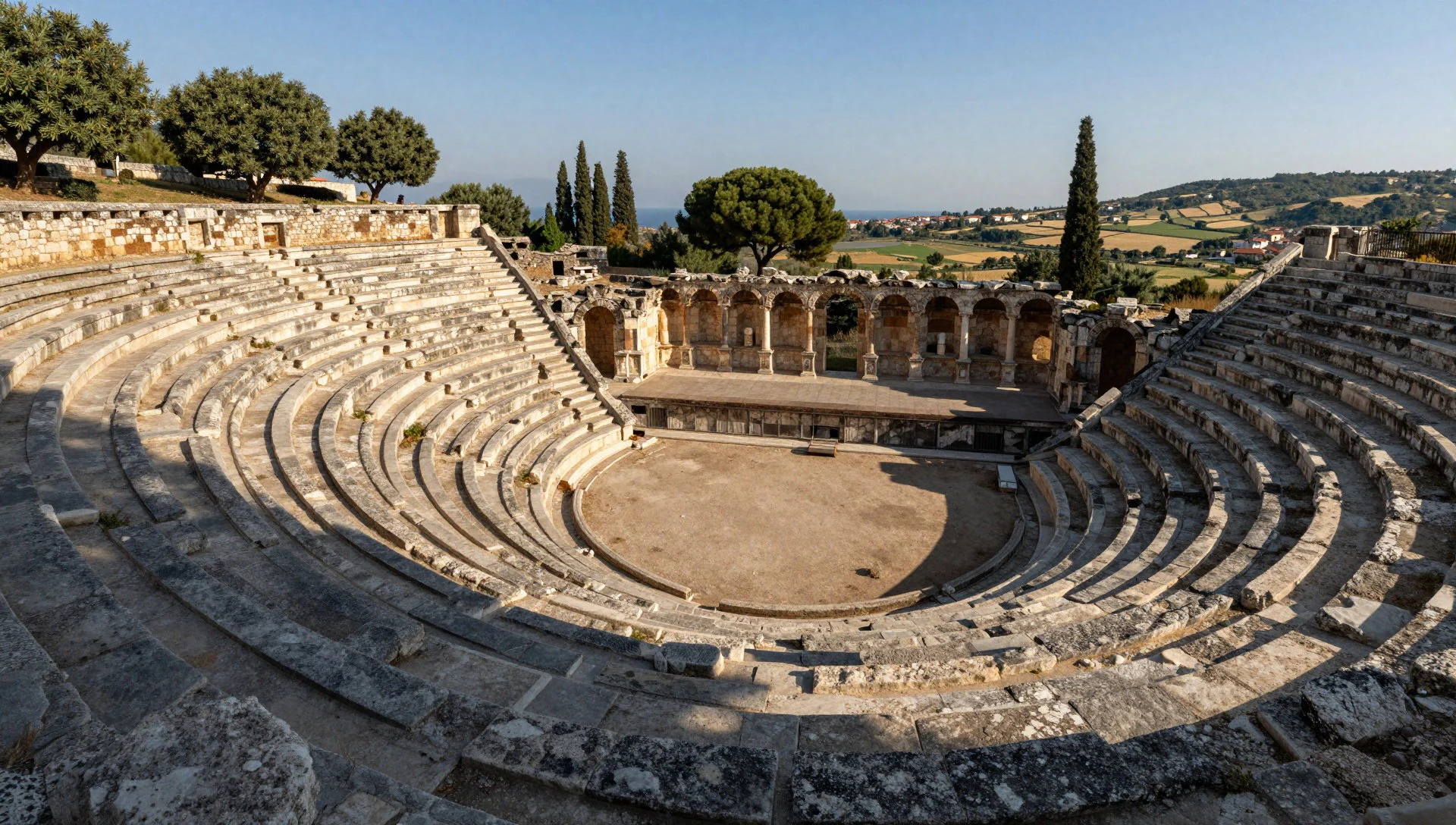
- Baptistery — Central religious complex within the site
Butrint’s baptistery stands out as a late antique religious space, tied to the area’s period as an early Christian bishopric. The forms feel intimate compared with the larger civic remains, and they’re best appreciated slowly, at walking pace.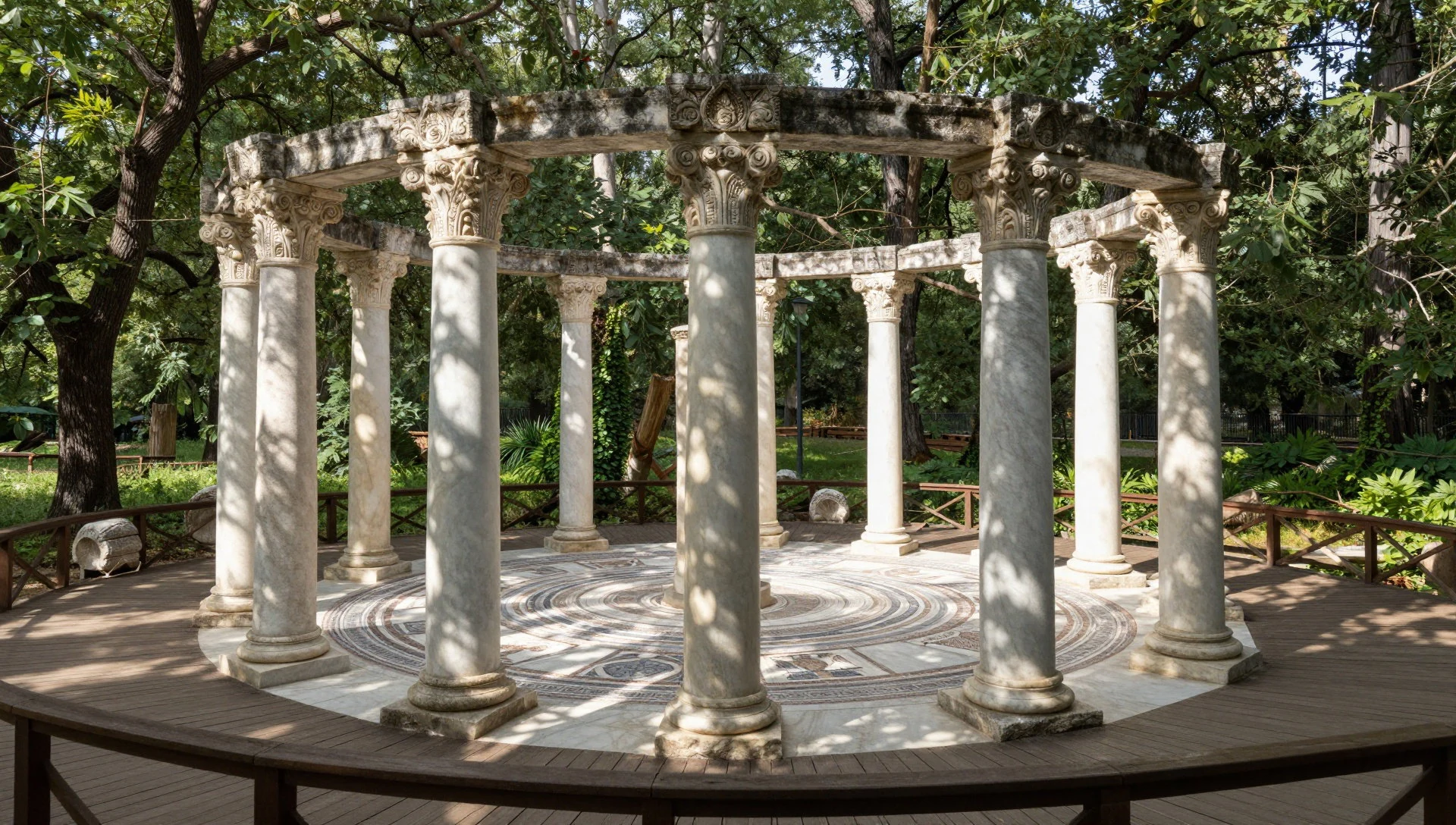
- Basilica area — Religious quarter on the upper part of the site
The basilica remains reflect how worship spaces became central to Butrint’s later identity. The stone plan helps you imagine liturgical movement, and nearby ground levels let you read how buildings relate to one another in the same footprint.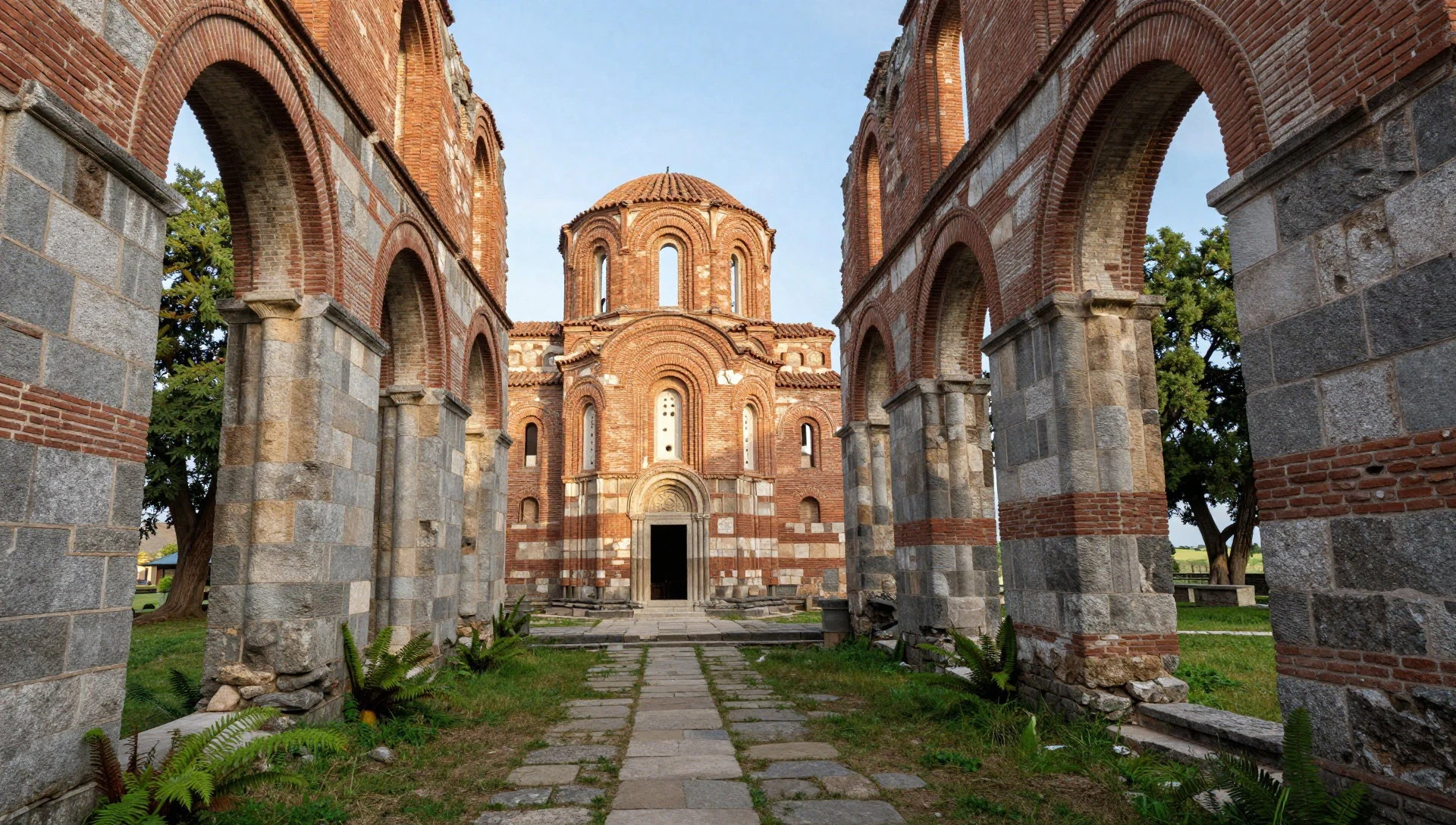
- Agora / civic space — Civic core near the main walking route
The agora area is where the city’s everyday life would have gathered. Even when the details are fragmentary, the open-space logic is clear: it’s a place to pause and picture markets, conversations and decision-making against the backdrop of the channel.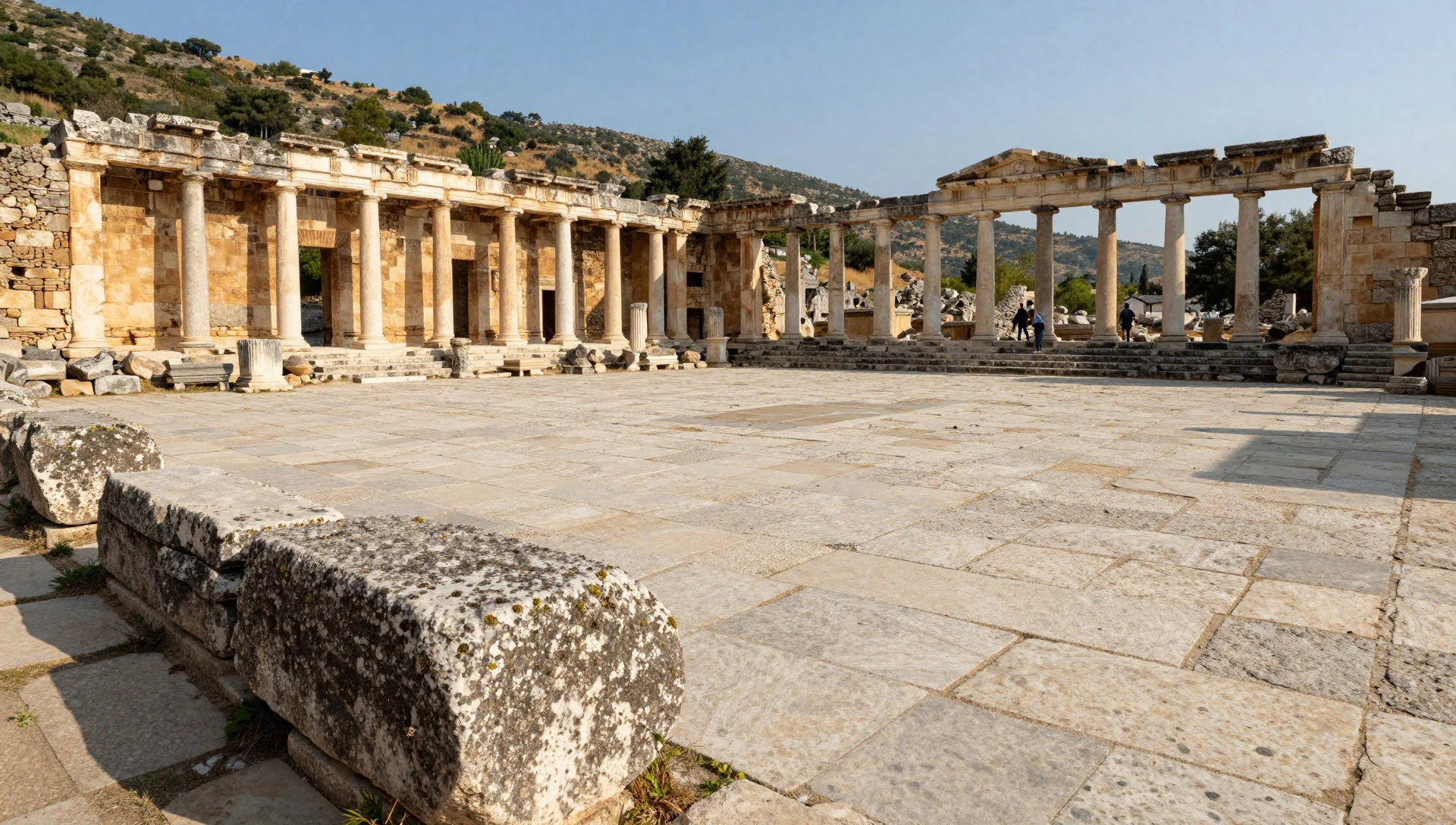
- Panoramas over the channel — Belvedere-style edges and the park approaches
Butrint’s viewpoints are part of the attraction: the slope overlooks the Vivari Channel, and the light changes how the ruins appear—drier tones in the sun, cooler greens when clouds roll in. Bring a slower rhythm for these breaks.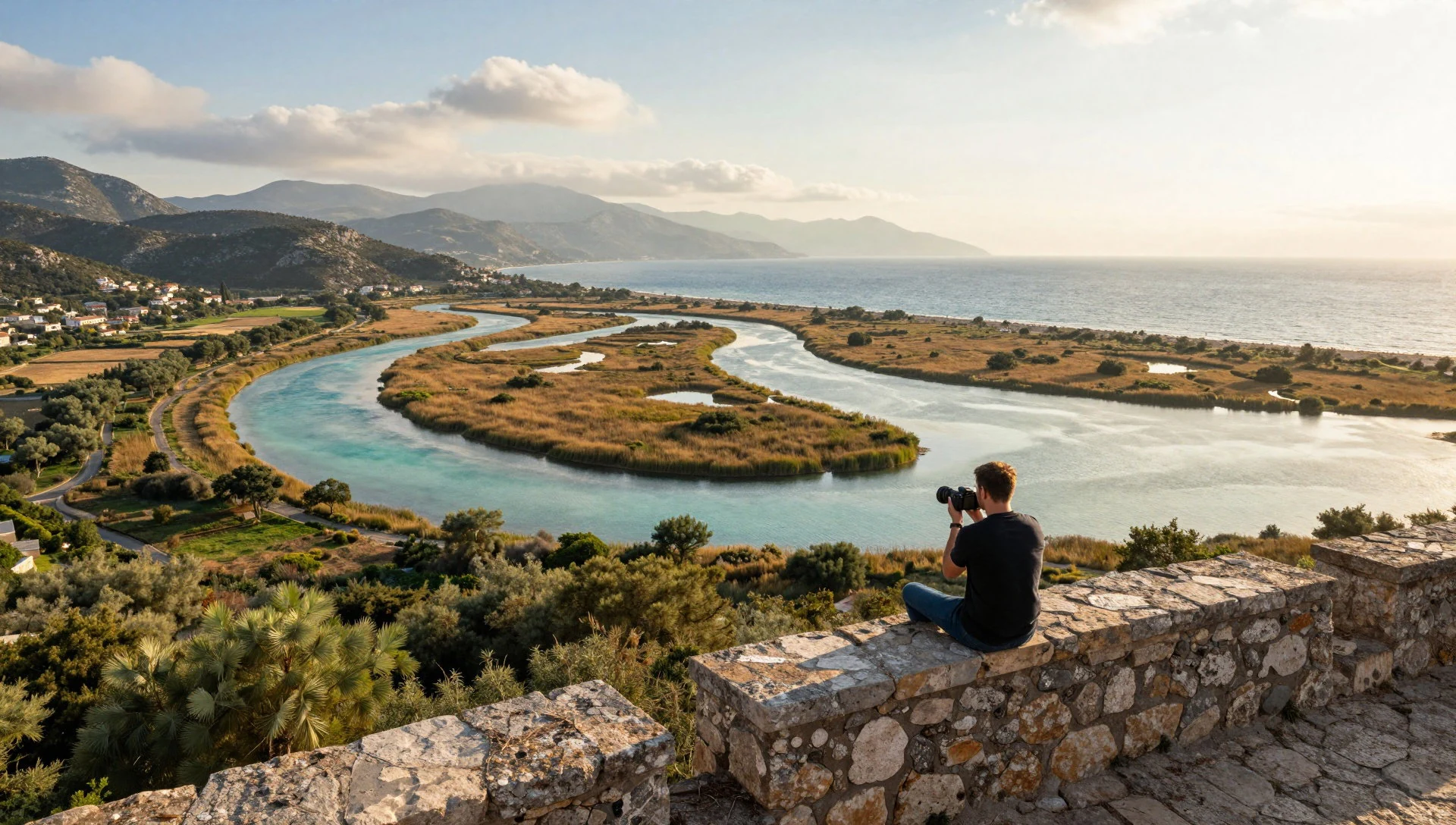
Culture
Albanian culture around Butrint is shaped by hospitality and a strong sense of social respect. Visitors often notice a strong sense of social respect, with conversation focused more on the people in front of you than on making a point. When chatting, it’s best to keep things friendly and respectful—especially if you’re discussing sensitive topics.
As you move through and around the site, keep expectations grounded: this is a working archaeological landscape in a protected natural park, not a theme-park. You’ll share space with guides and tour groups, and quiet moments matter near religious remains. If someone else is taking time to look closely, let them finish before you step into the same frame.
Also be mindful that social attitudes vary across places and people, so it’s best not to push sensitive subjects—especially when you’re in someone’s home as a guest.
Visitor etiquette: keep your voice down near the church remains, avoid sitting on fragile stone, and ask before photographing people up close.
What to wear
At Butrint, dressing is mostly about comfort and respect for the religious-era spaces you’ll pass. Traditional textiles in Albania vary by region, but in many communities you’ll see embroidered motifs on vests and headscarves during cultural events, along with long skirts or traditional shirts in festive wear. Visitors to the site usually won’t need to wear traditional dress, but modesty is useful: long trousers or a long skirt help you feel covered in warm weather and align with expectations around sacred areas.
What people actually wear day-to-day is much more practical: T-shirts, lightweight shirts, sandals or trainers, and sun protection in the warmer months. During busy seasons, you’ll notice lots of people in basic walking footwear, because uneven ground and gravel are part of the experience.
For a visitor, aim for breathable layers, a hat, and shoes with grip—sandals are fine only if they’re secure and not slippery. In cooler months, bring a light layer for wind off the channel and for shade under trees. If you want to blend in and stay comfortable, carry a scarf or light layer for covering shoulders when you pause near religious structures.
What to eat
- Tasqebap — Local restaurants in Sarandë and the wider Butrint area
Tasqebap is a hearty Albanian stew made from lamb fricassee with tomatoes and onions. It’s the kind of dish that works well after a long walk around the ruins, and you can look for it at local Albanian eateries in and around Sarandë.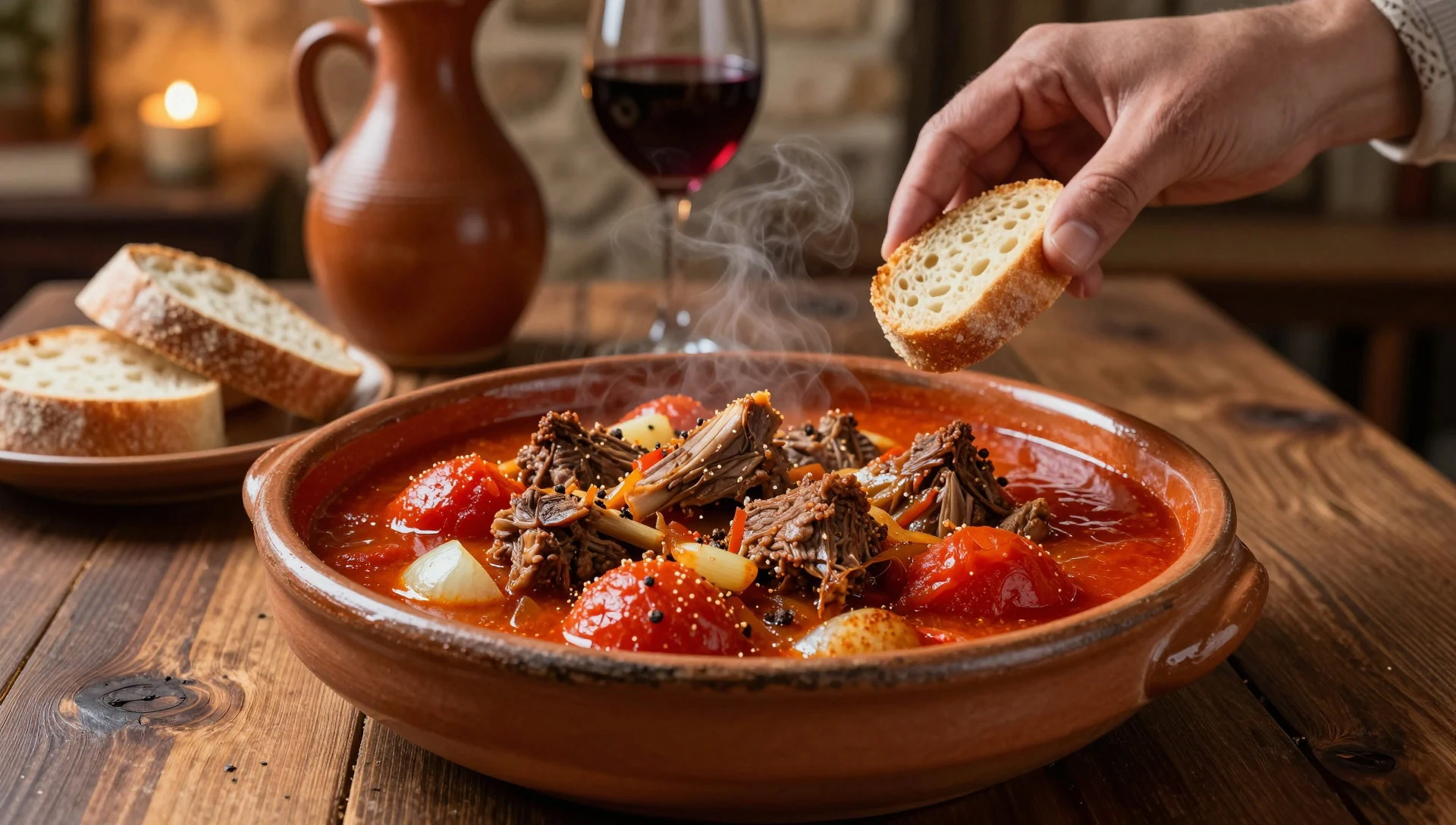
- Pacara Boza — Local drink stalls and kiosks in southern Albania
Boza is a sweet, warming drink common across the region, reflecting long-standing influences in southern Albanian food culture. You’ll often find it at small local drink counters, especially on busier streets and in town centers.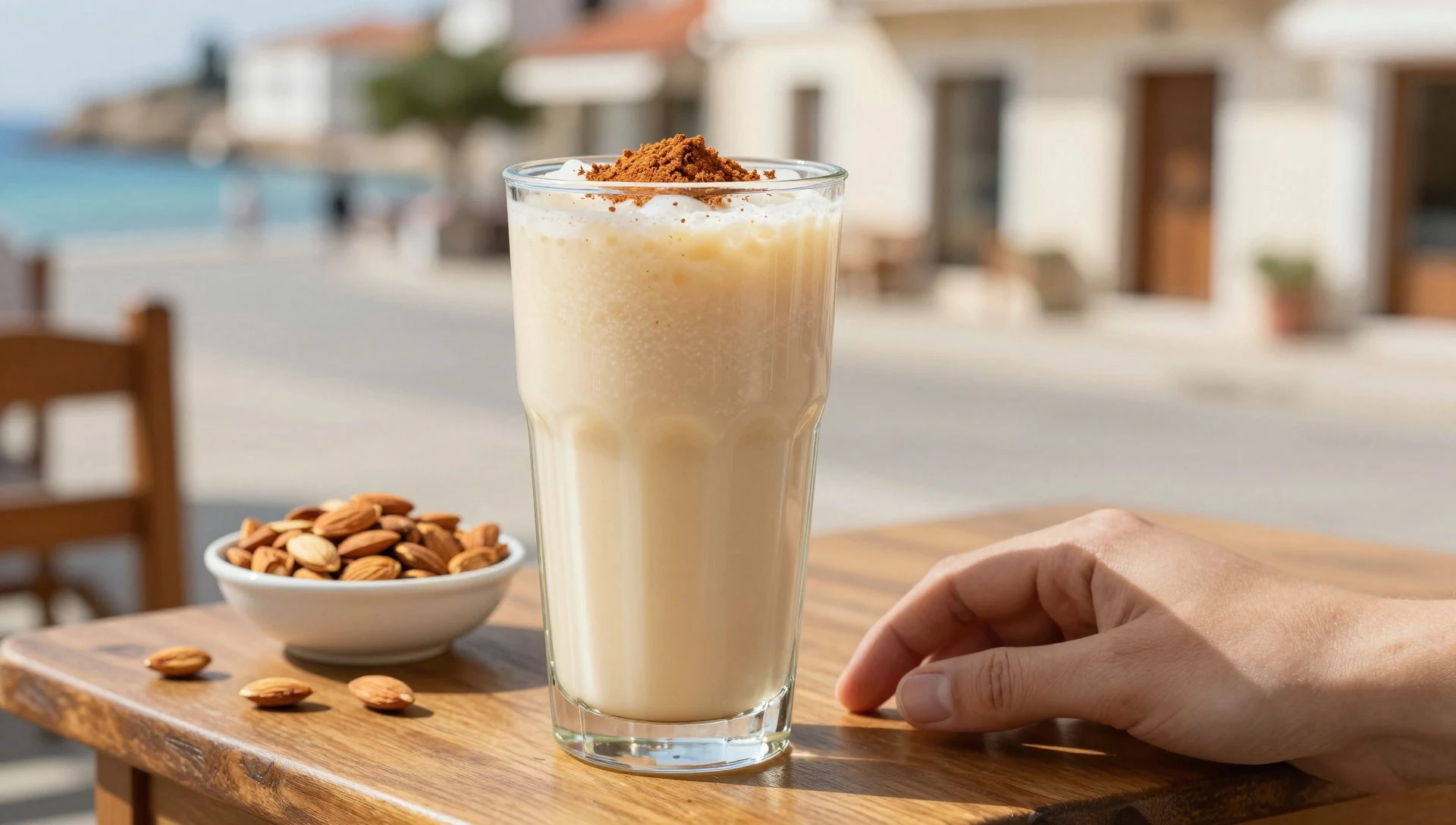
- Italian-influenced antipasti-style plates — Seafront and town-centre eateries in Sarandë
Southern Albania often leans Italian for starters—think simple plates with bread, cheeses and cured items—especially in tourist-friendly areas. This is an easy “before the main meal” option when you want something light before heading back to the beach or the site again. - Grilled meat plates — Family-run restaurants around Sarandë
Grilled meat is a common Balkans comfort food, often served as mixed plates when groups want variety. After a day in the heat, it’s satisfying without needing anything fancy—watch for places that serve it as a standard dinner option rather than a special occasion menu. - Baked goods with sweet fillings — Bakeries and dessert counters in nearby towns
Sweet pastries are a reliable post-walk treat—often filled with flavours that reflect the broader Ottoman and Balkan pastry traditions. You’ll typically find them in bakeries and small dessert counters in nearby towns rather than inside the archaeological grounds.
Plan it
Best time. May–July for the most comfortable highs and lighter rain; August is warm and sometimes wetter, and September–November bring more rain—so plan around showers. January–February are cold, with deep winter lows, so they’re least comfortable.
How long. 2–3
Getting there. Fly into Corfu (Greece) or a regional Albanian airport, then continue by road to Sarandë and on to Butrint; the last leg is a straightforward car transfer or local taxi from Sarandë.
Budget. mid
Tips
- Start early in the day to get calmer light and fewer tour groups before the site fills in.
- Carry water and take breaks—open views and uneven paths make heat feel stronger than expected.
- Plan for slow walking: the best moments are often the long pauses rather than the ticket-photo rush.
- Use a map and comfortable shoes; some routes cross rough ground inside the park.
- Check conditions in advance if weather shifts quickly, because visibility affects how the channel panoramas land.
Etiquette
- Keep voices low and avoid stepping on fragile stone near religious remains.
- Ask before photographing people up close—tour groups move, and it’s easy to block someone’s moment.
- Cover up if entering any enclosed religious areas and keep a respectful pace.
Nearby
Sources
- Wikidata Q188694 (CC0)
- Wikipedia (rev 1380948969) (CC BY-SA 4.0)
- Wikivoyage (rev 5422439) (CC BY-SA 4.0)
- Photo photos/01-amphitheatre-of-butrint-2009.jpg (CC BY 2.5)
- Photo photos/02-butrint-karte-de.png (CC BY 3.0)
- Photo photos/03-butrint-albania-10-baptistery.jpg (CC BY 2.5)
- Photo photos/04-2011-butrint-02-agora.jpg (CC BY-SA 4.0)
- Photo photos/05-butrint-buthrotum-butrinto-venetian-enclave-facing-corfu.jpg (Public domain)
- Photo photos/06-butrint-basilica-20071001.jpg (CC BY-SA 1.0)
- Photo photos/07-arte-romana-statua-di-soldato-i-secolo-ac-i-dc-da-butrinto.jpg (CC BY-SA 4.0)
- Photo photos/08-butrint-panorama.jpg (CC BY-SA 2.0)


