Borjomi-Kharagauli National Park
Borjomi-Kharagauli National Park, Georgia
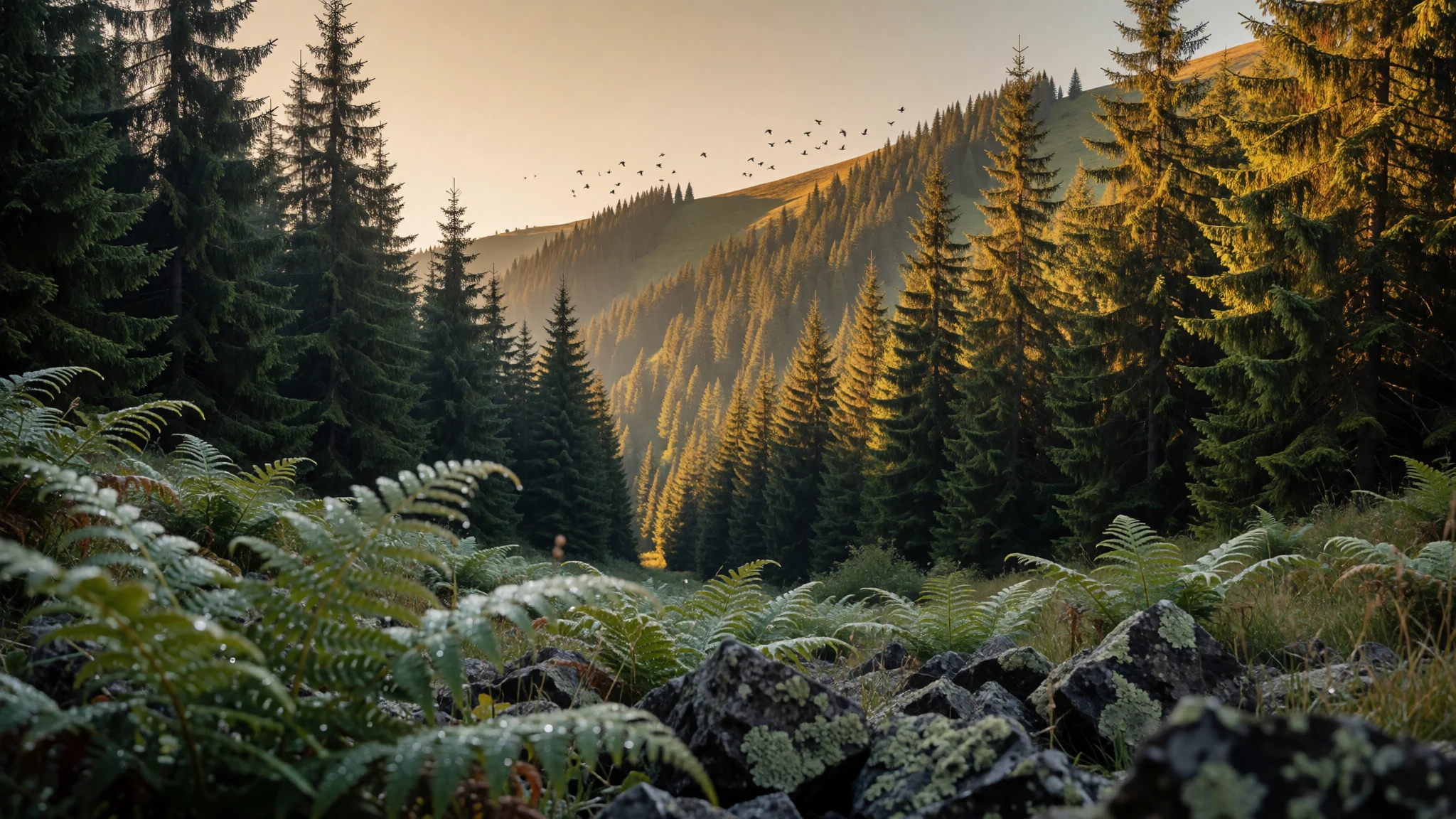
Borjomi-Kharagauli is a forested mountain park in central Georgia where medieval sites meet serious hiking routes and fresh air.
The place
Borjomi-Kharagauli National Park sits in central Georgia, stretching across parts of six municipalities from the resort town of Borjomi towards Kharagauli. On the map it’s a big, green block in the Lesser Caucasus, and in practice it feels like a patchwork: forested slopes, valleys and changing landscapes that can shift the mood fast—quiet woodland walking one moment, wider views and rugged ground the next.
Geographically it lands within the Caucasus mixed forests ecoregion, so the vegetation tends to look lush even when the surrounding weather turns. South of Borjomi the wider region can feel drier and more mountainous, while Borjomi itself remains greener and wetter. That contrast matters when planning time: the park can deliver a cool, shaded walk in one area and a more exposed, brisk stretch elsewhere.
Tourism infrastructure in the park is developing rather than finished, which is part of the charm. Expect to mix established attractions with routes that rely on local knowledge, transport availability and your own pacing. The broader area also includes nearby historic stops—cave monasteries and castles—so a “park day” often turns into a day of history as well as trails.
Seasonally, spring and autumn are the easiest bets. The months with the most comfortable weather are May and September, when days are warm, nights stay just above freezing and the light is good for photography without the harsh midday glare. In summer, heat and crowding around easier access points can make the park feel more work than reward.
Its story
Borjomi-Kharagauli National Park grew out of a much older relationship between local power and the landscape. Long before it became a modern protected area, the region was used in medieval times for hunting by local aristocracy. That sense of controlled access shows up later: when the Russian Empire era brought new administrators to the Caucasus, the area’s appeal was still tied to its scenery and game.
During the period of imperial rule, Grand Duke Michael Nicolaievich was given the post of Governor General of Transcaucasia. He responded to the local beauty of the Borjomi park by building a personal summer residence there. His decisions mattered for the park’s later shape. A key change came when lumbering and hunting were restricted unless permission was granted—an administrative move that reduced the pressure on the forest and helped set the conditions for what would eventually become a protected landscape.
The modern park’s timeline is more recent. In 1995, Borjomi-Kharagauli National Park gained formal approval and was established with support from the World Wildlife Fund and the German government, and the official opening took place in 2001. Since then, tourism has been growing, including more visitor-facing infrastructure, but the core character remains: a large, forested mountain area with multiple zones and plenty of room for walking.
That mix of history and nature is why Borjomi-Kharagauli doesn’t feel like a single destination. It feels like a route system linking ecological variety with historic monuments, with the park’s forested backdrop doing most of the work.
What to see
- Vardzia
Vardzia is the headline historical stop around the park: a cave monastery and city cut into a cliff overlooking a river gorge. The whole area works well as a combined visit—give time for viewpoints, then connect onward to nearby cave or fortress sites in the same valley.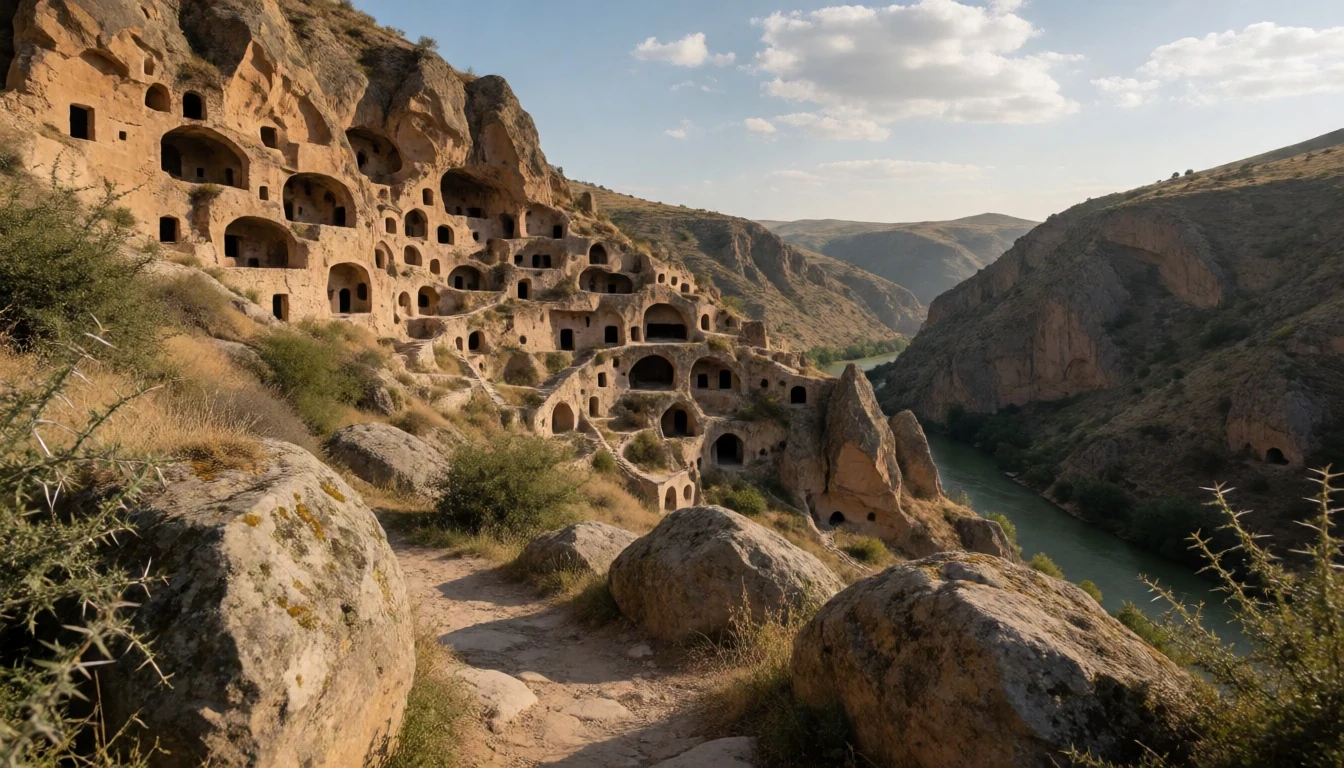
- Khertvisi Castle — On the Vardzia approach
Khertvisi Castle is typically slotted into the Vardzia route. It’s a historic fortification that sits in the broader landscape between towns and monasteries, so it’s as much about the setting and approach as it is about the ruins themselves. Pair it with a slow stop for photos and orientation.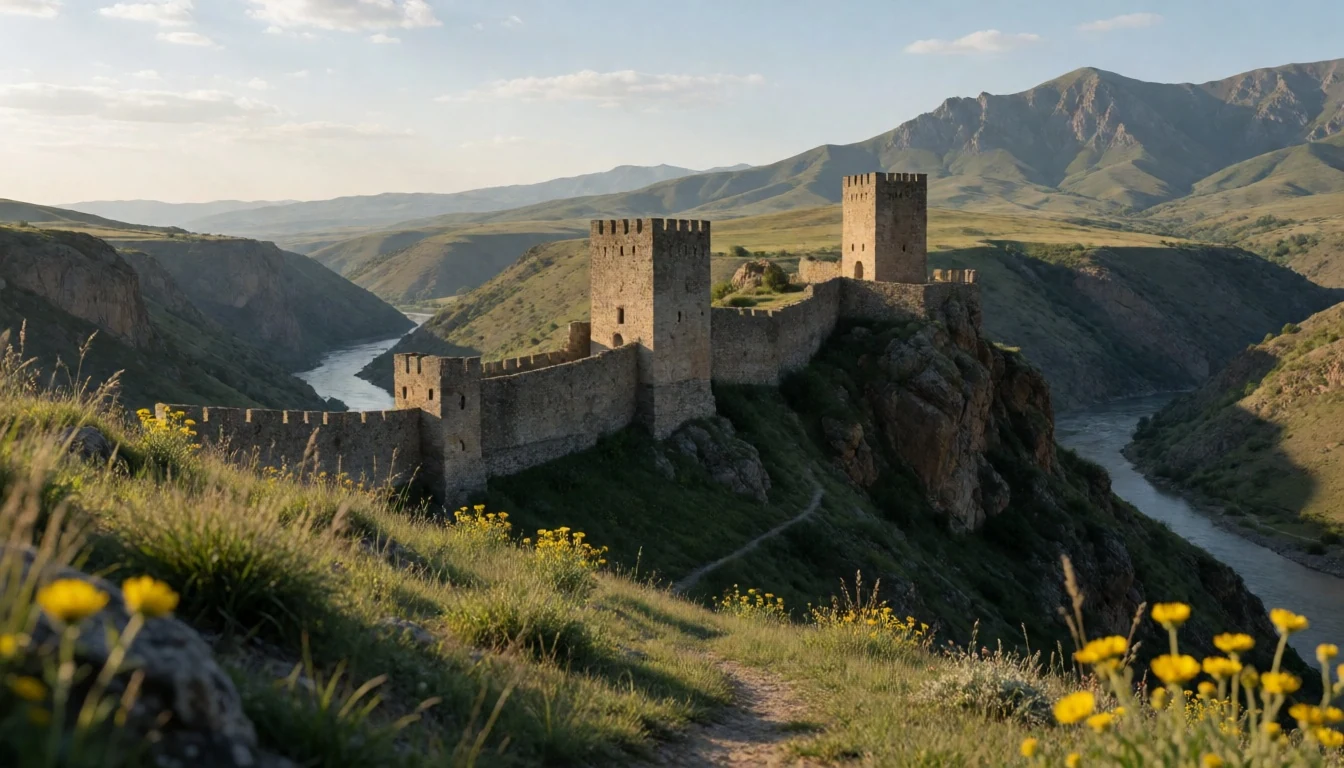
- Upper Vardzia — In the Vardzia valley
Upper Vardzia is a quieter add-on compared with the main cave complex. People tend to use it as a way to extend the day in the valley—less of a “single snapshot” and more of an easy way to keep walking, seeing rock-cut spaces and continuing along the monument area.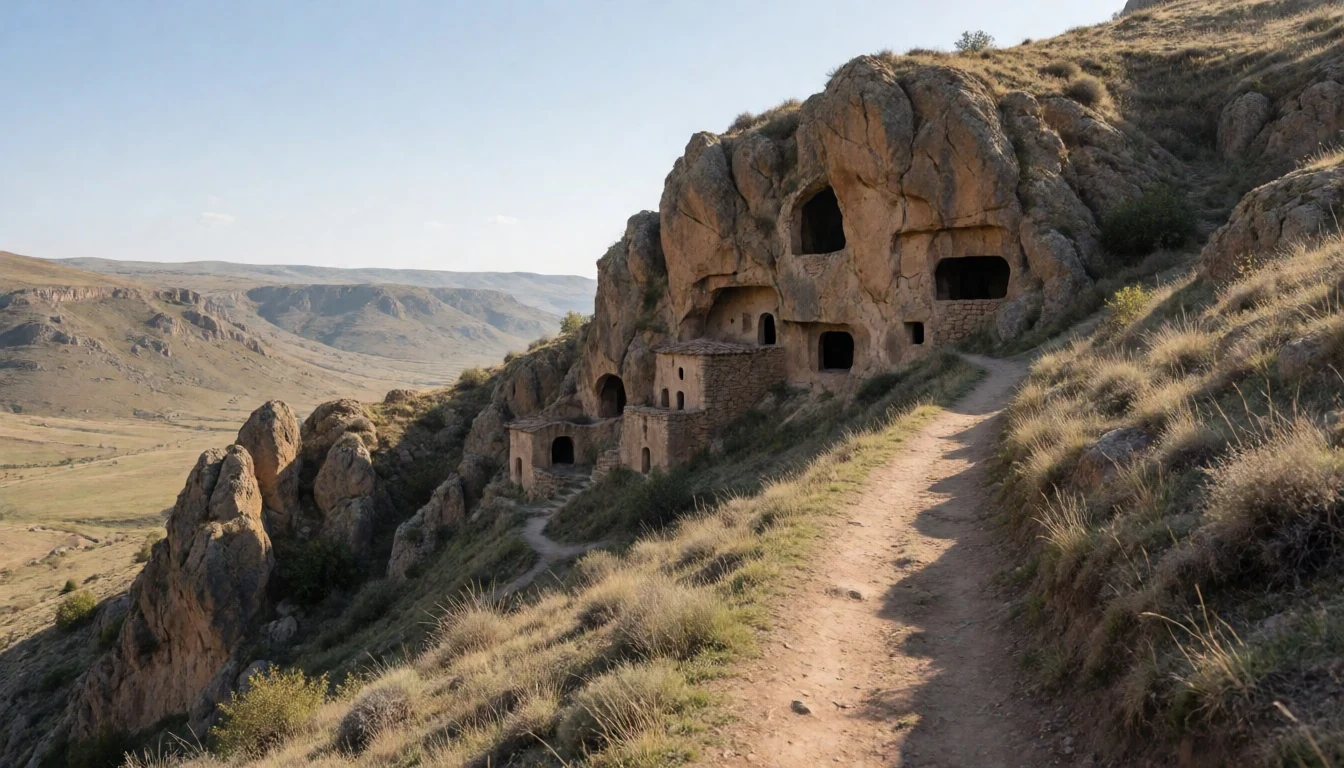
- Vanis Kvabebi cave monastery — Near Vardzia and Akhaltsikhe
Vanis Kvabebi is another cave monastery close by, useful when time and energy allow a second spiritual site beyond Vardzia. It’s a good choice for travellers who like that “carved into the landscape” feeling—more atmosphere, fewer formalities, and a strong sense of place.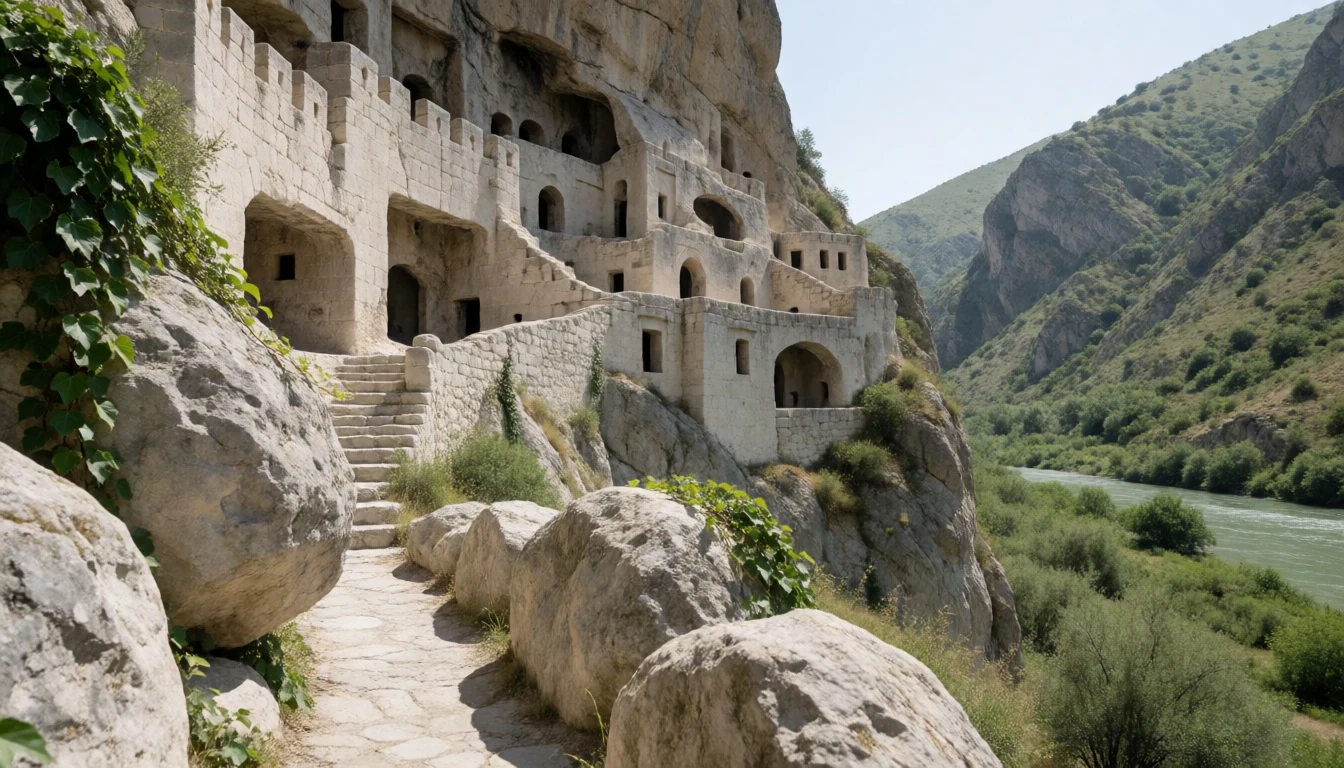
- Sanatorium Aspindza (thermal bath area) — Aspindza area near Akhaltsikhe
The Aspindza area is often visited specifically for its thermal bath. If the walking around cave monasteries runs long, this becomes the practical payoff—rest, soak and reset. Plan the timing so the bath doesn’t eat your last evening light.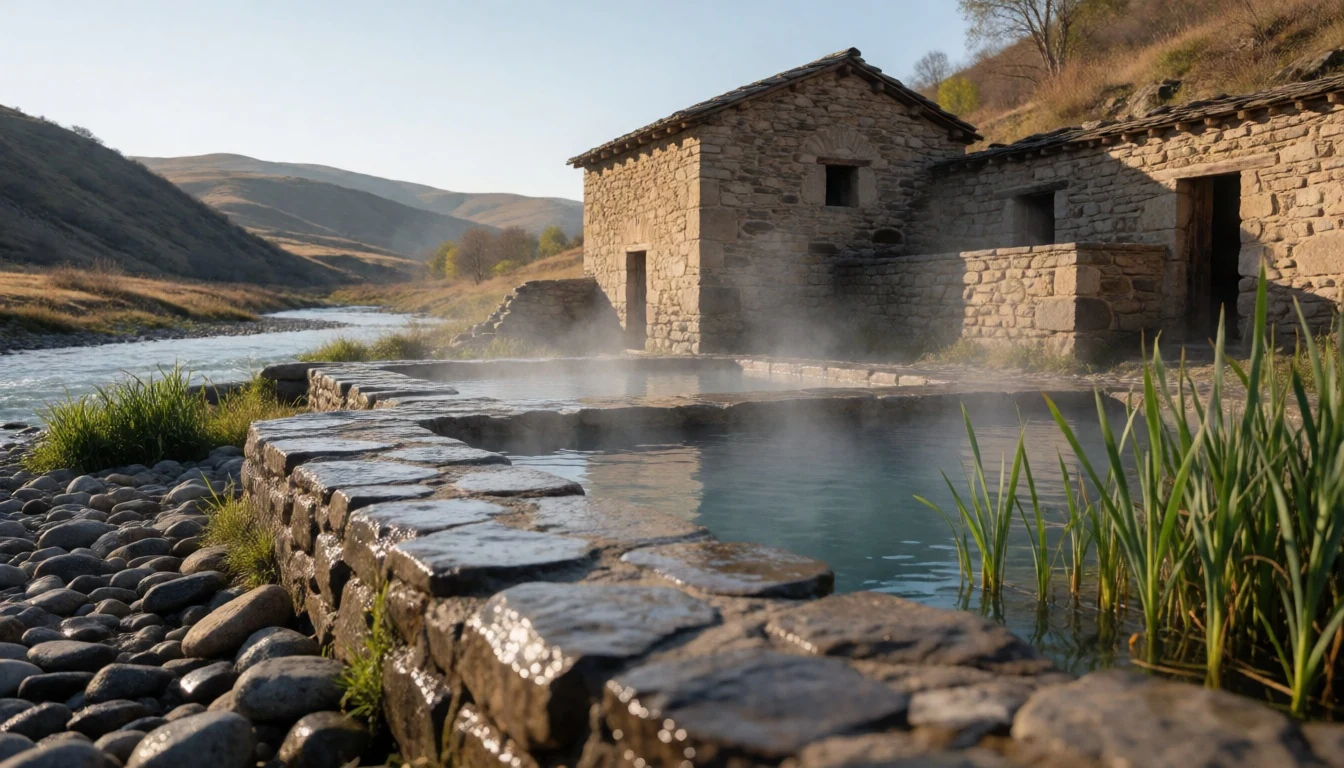
- Geno healing water pools — Around the Akhaltsikhe side routes
Geno healing water pools are another stop that’s about water and atmosphere rather than ruins. It’s a good pairing for people following the western side of the monument cluster, and it breaks up a day that might otherwise be only hiking and stone sights.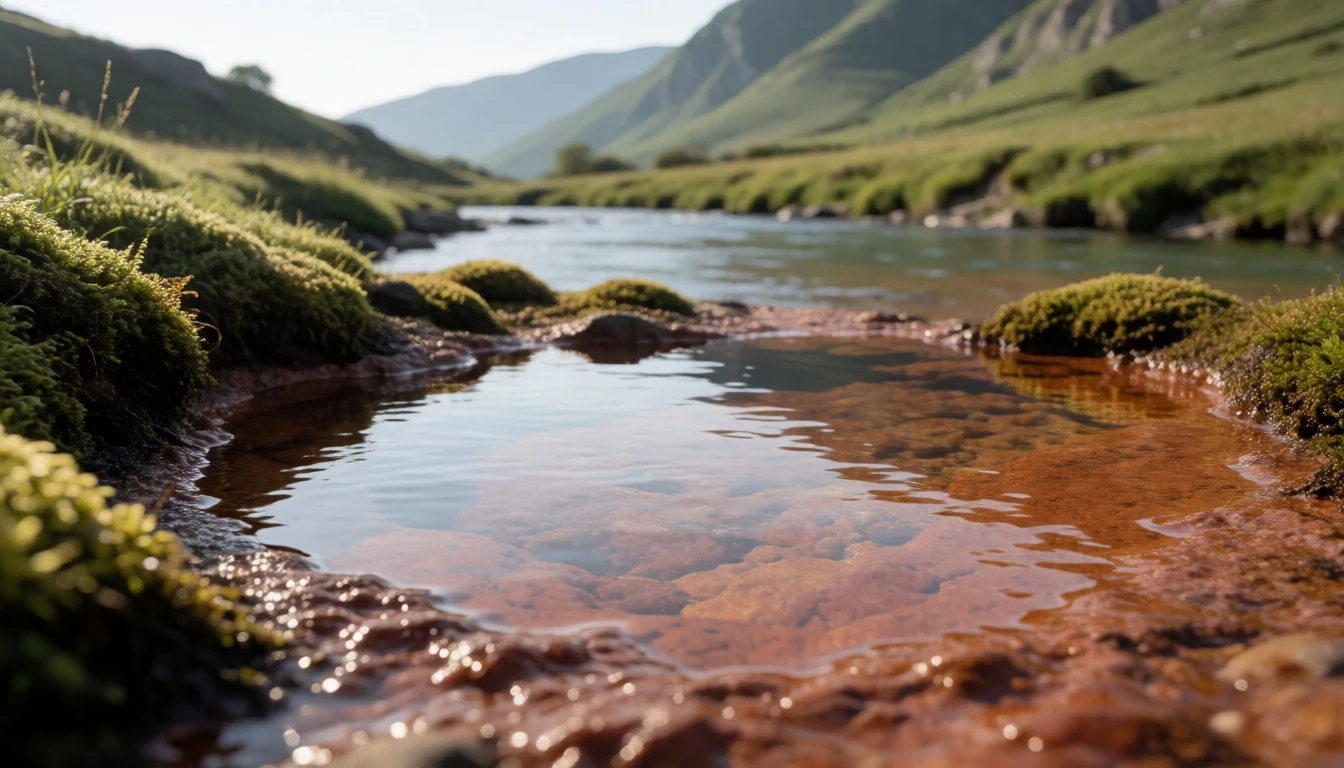
Culture
Borjomi-Kharagauli National Park sits beside historic monuments, so visitor behaviour matters most around uneven stone, cliff edges and cave-complex steps. The park region is described as quite safe overall, but the real risk is practical: many monuments have no guard rails, which means slips and falls are the danger to plan for. Good footwear and careful pacing beat heroics.
Cave monasteries and castle remnants also tend to attract people who want photos and up-close angles. That can mean narrow passageways where walking slowly helps everyone: pause to frame shots without blocking entrances, step aside before taking pictures that require standing still, and keep an eye on children.
Language and etiquette are usually straightforward in Georgia—generally a matter of basic respect and listening to any onsite guidance about where movement is permitted. Since some sites are religious, keep voices low in interior areas and dress sensibly enough to move comfortably on stone.
If the day includes both trail walking and monument visits, it helps to carry water and expect changing weather. Even when skies are kind, mountain shade can cool quickly, and spring or autumn days can still surprise with wind on open ground.
Visitor etiquette: watch your footing on steps and cliff edges, and keep voices low and pathways clear in cave and monastery areas.
What to wear
Borjomi-Kharagauli National Park is a mountain-and-forest destination, so practical clothing matters more than looking “outdoorsy”. Traditional Georgian dress appears in the region, but most visitors will see it worn mainly for celebrations and cultural events rather than for daily park walking.
Traditional Georgian outfits vary by area, but the big idea is layered, tailored garments often made with woven textiles and used as a statement of local identity—especially for folk dancing and festivals. When people wear traditional clothing around Georgia, it’s usually in cultural gatherings, with footwear chosen to match the event rather than rough trails.
For everyday wear now, locals and visitors typically dress for weather and terrain: breathable tops, long trousers, and shoes with grip for uneven ground. In the mountains, conditions can shift quickly and damp patches can linger in forest shade.
What a visitor should wear for the park and nearby monuments: comfortable walking trousers or leggings, a weatherproof layer, and sturdy shoes (not flip-flops or smooth-soled trainers). If visiting cave monasteries or religious areas, a modest layer for shoulders and knees is sensible, and carrying a light scarf can be handy for airier days. Bring a small day bag for water and a warm layer for evenings.
What to eat
- Armenian-style café plates in Akhalkalaki — Akhaltsikhe / Akhalkalaki area
Akhaltsikhe-area travellers who want Armenian flavours often find them around Akhalkalaki, where cheap Armenian cafes serve filling, hearty dishes. It’s the easiest “food stop” if your route moves through Javakheti and toward Akhalkalaki.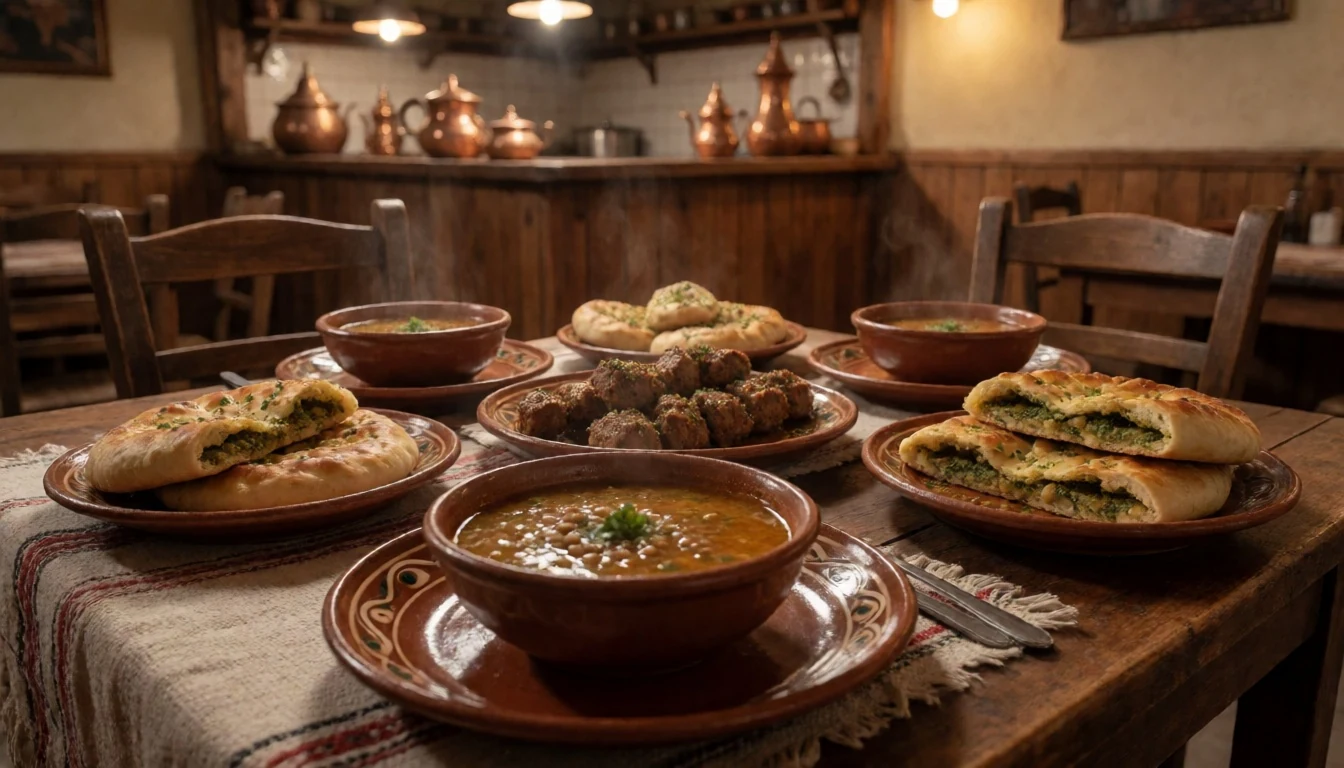
- Traditional Georgian bread and dips — Town eateries in the park’s surrounding municipalities
In the broader Samtskhe-Javakheti circuit, quick meals often centre on bread plus simple starters like spreads and pickles. It’s ideal for travel days when time is split between hikes and monument visits.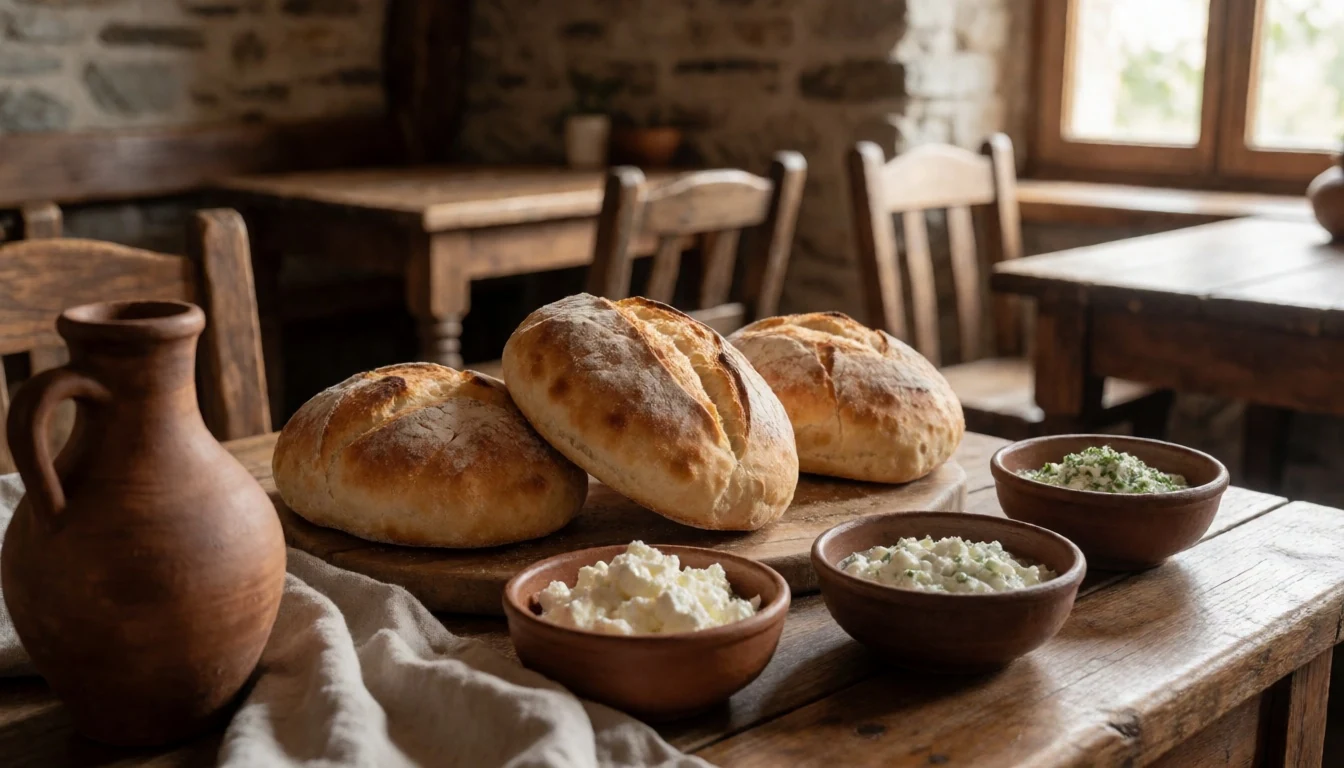
- Warm soups for cooler mountain evenings — Local restaurants in Borjomi, Kharagauli and nearby towns
Mountain weather can cool quickly, and soups are a reliable comfort food for evenings after longer walks. Look for simple, warming options at small local restaurants rather than trying to plan a “signature” dish. - Grilled meat and vegetables — Family-run restaurants around Borjomi and Kharagauli
Grilled main courses are common across Georgian dining, and they work well when hiking creates a bigger appetite. Order something with vegetables for balance—then keep the rest of the day flexible. - Fresh seasonal salads — Markets and casual eateries near the route between Borjomi and Kharagauli
When spring and autumn bring milder days, salads and fresh vegetables are a good lighter option between heavier meals. They also help during travel days when plans can change quickly.
Plan it
Best time. May and September for comfortable walking temperatures, avoiding the freezing nights of late winter and spring and the peak heat of July and August.
How long. 3–4
Getting there. Arrive via Tbilisi, then make the onward drive or local connections to the park region; from the surrounding towns, use hired transport or marshrutka/taxi options for the last legs to trailheads and monument areas.
Budget. mid
Tips
- Use a full morning for the monument cluster around Vardzia, then keep afternoons flexible for additional cave sites
- Build in buffer time for road segments and changing weather; park infrastructure is still developing
- Bring footwear with grip: many monument approaches involve steps and uneven stone without proper guard rails
- If planning a thermal stop near Aspindza, time it so you’re not rushing immediately after a long hike
- Pack water for daytime walks and keep layers for shade and wind
Etiquette
- Move slowly in cave monasteries and don’t block narrow passages while photographing
- Keep voices low in religious areas and respect any onsite guidance about where access is allowed
- Be extra careful near cliff edges and viewpoints where there are no guard rails
Nearby
Sources
- Wikidata Q1545224 (CC0)
- Wikipedia (rev 1362703175) (CC BY-SA 4.0)
- Wikivoyage (rev 4446202) (CC BY-SA 4.0)
- Photo photos/01-borjomi-mountains.jpg (Public domain)
- Photo photos/02-borjomi-kharaguli-national-park-georgia-5.jpg (CC BY-SA 2.0)
- Photo photos/03-borjomi-2013-12.jpg (CC BY 3.0)
- Photo photos/04-268a6604.jpg (CC BY-SA 4.0)
- Photo photos/05-268a6613.jpg (CC BY-SA 4.0)
- Photo photos/06-268a6616.jpg (CC BY-SA 4.0)
- Photo photos/07-268a6691.jpg (CC BY-SA 4.0)
- Photo photos/08-268a6717.jpg (CC BY-SA 4.0)


