Bhubaneswar
Bhubaneswar, India
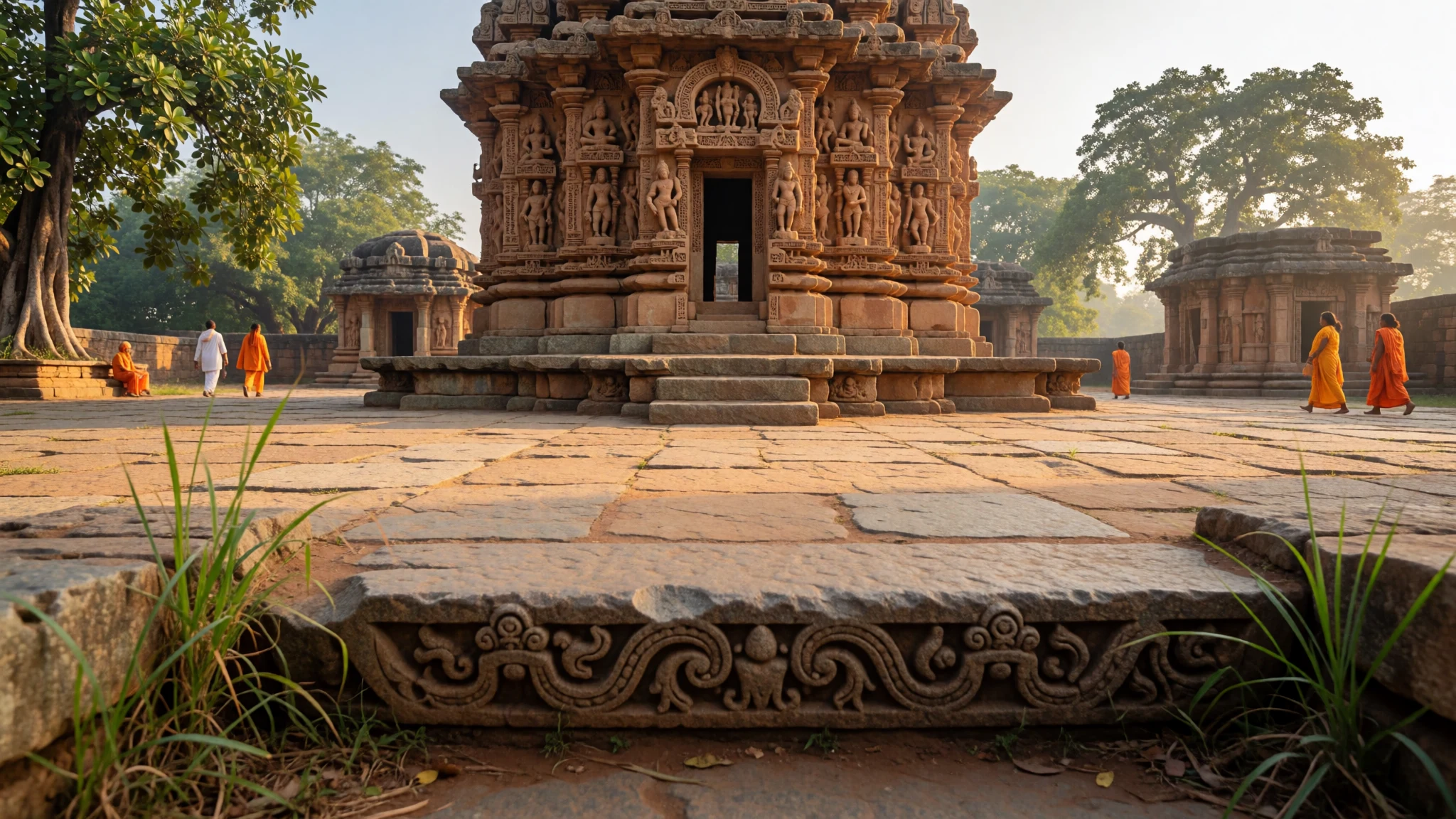
Bhubaneswar blends remarkable medieval Kalingan temple architecture with the green, ordered streetscapes of one of independent India's earliest planned urban settlements.
The place
Bhubaneswar serves as the capital and largest city of the Indian state of Odisha, located within the Khordha district. Historically referenced in regional traditions as Ekamra Khetra, an area once adorned with sacred mango trees, the urban center is widely celebrated as the Temple City because of its extraordinary concentration of historic shrines. Although the contemporary administrative capital was formally laid out in the mid-twentieth century, the heritage of the wider metropolitan area reaches back centuries. Together with Puri and Konark, Bhubaneswar forms the renowned Golden Triangle, constituting one of the most frequently visited travel corridors in eastern India. The physical layout of the modern municipal area was originally drafted by the German architect Otto Königsberger in nineteen forty-six, making it one of the country's pioneering planned urban projects alongside counterparts like Jamshedpur and Chandigarh. The city functions today as a dynamic regional hub for commerce, sports infrastructure, and information technology, while maintaining deep historical roots that intertwine Hindu, Buddhist, and Jain traditions. Visitors walking through the shaded avenues will notice a distinct contrast between the quiet, orderly residential sectors designed by early planners and the chaotic, vibrant energy of the old town districts that cluster around medieval temple tanks. The settlement operates as a bustling Tier-2 urban center, maintaining a comfortable pace of life compared to the denser metropolitan sprawls found elsewhere in the subcontinent, allowing travellers to explore centuries of architectural evolution on foot or via local transport networks without feeling overwhelmed by constant traffic congestion.
Its story
The historical narrative of Bhubaneswar and its surrounding terrain unfolds across millennia of shifting empires, religious transformations, and architectural triumphs. The ancient settlement stands in proximity to the archaeological remains of Sisupalgarh, pointing to early urban organization in the region. Just a short distance to the southwest lies Dhauli, a critically important site associated with the devastating Kalinga War waged by the Mauryan emperor Ashoka, whose rock-cut edicts still preserve imperial proclamations carved directly into the stone face. Following the decline of the Mauryan administration, the territory passed under the control of the Mahameghavahana dynasty, whose prominent ruler Kharavela left behind the famous Hathigumpha inscription preserved within the nearby Udayagiri and Khandagiri cave complex. Subsequent centuries saw the region governed by a succession of regional powers, including the Satavahanas, Guptas, Matharas, and Shailodbhavas, each leaving subtle imprints on the local cultural landscape. During the seventh century, the Somavamshi or Keshari dynasty assumed power and initiated a major wave of temple construction that laid the foundations for the distinct Kalingan architectural idiom. Following the Keshari rulers, the Eastern Gangas dominated the broader Kalinga realm until the fourteenth century, administering their territories from nearby administrative centers while continuing to patronize religious architecture. Most of the prominent stone shrines surviving in the old town were erected between the eighth and twelfth centuries under strong Shaiva influence, with only occasional exceptions dedicated to other deities. The territory later experienced periods of Afghan rule under the Karrani dynasty before transitioning through subsequent regional administrations, preserving its sacred character through centuries of political turbulence.
What to see
- Lingaraja Temple — Old Town
This monumental eleventh-century shrine represents the pinnacle of Kalingan architecture, soaring high above the old town lanes with its intricately carved sandstone tower. Non-Hindus cannot enter the inner sanctum, but an elevated viewing platform nearby offers an excellent perspective over the sprawling courtyard and active ritual life below.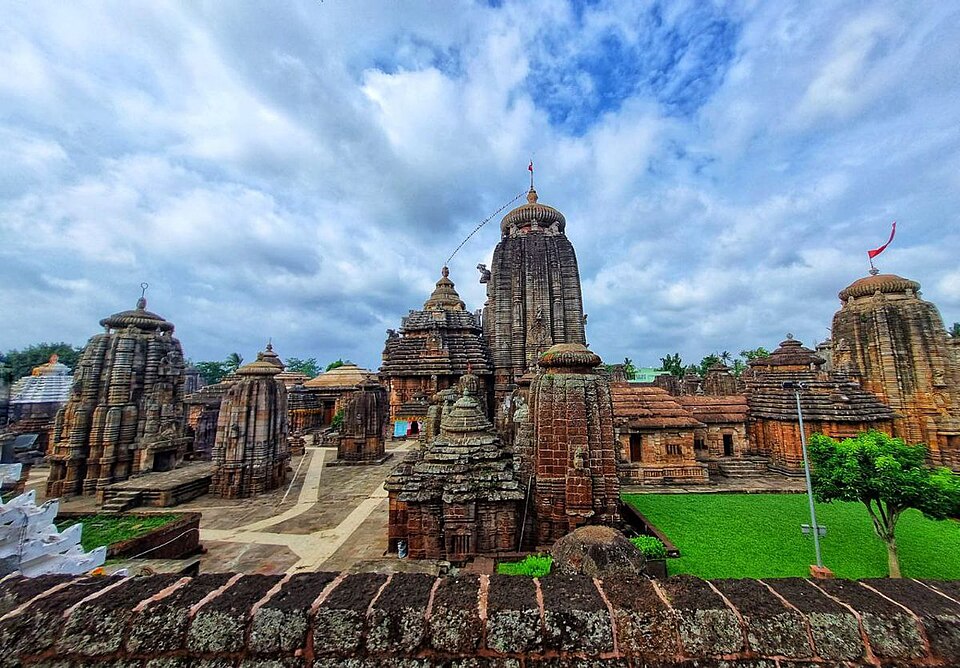
- Muktesvara Temple — Old Town
Often celebrated as the architectural gem of the city, this late tenth-century sanctuary marks a crucial transitional phase in regional stone-cutting artistry. The exquisite torana arched gateway and the finely detailed exterior relief carvings demonstrate a level of refinement that later influenced temple construction across the entire eastern seaboard.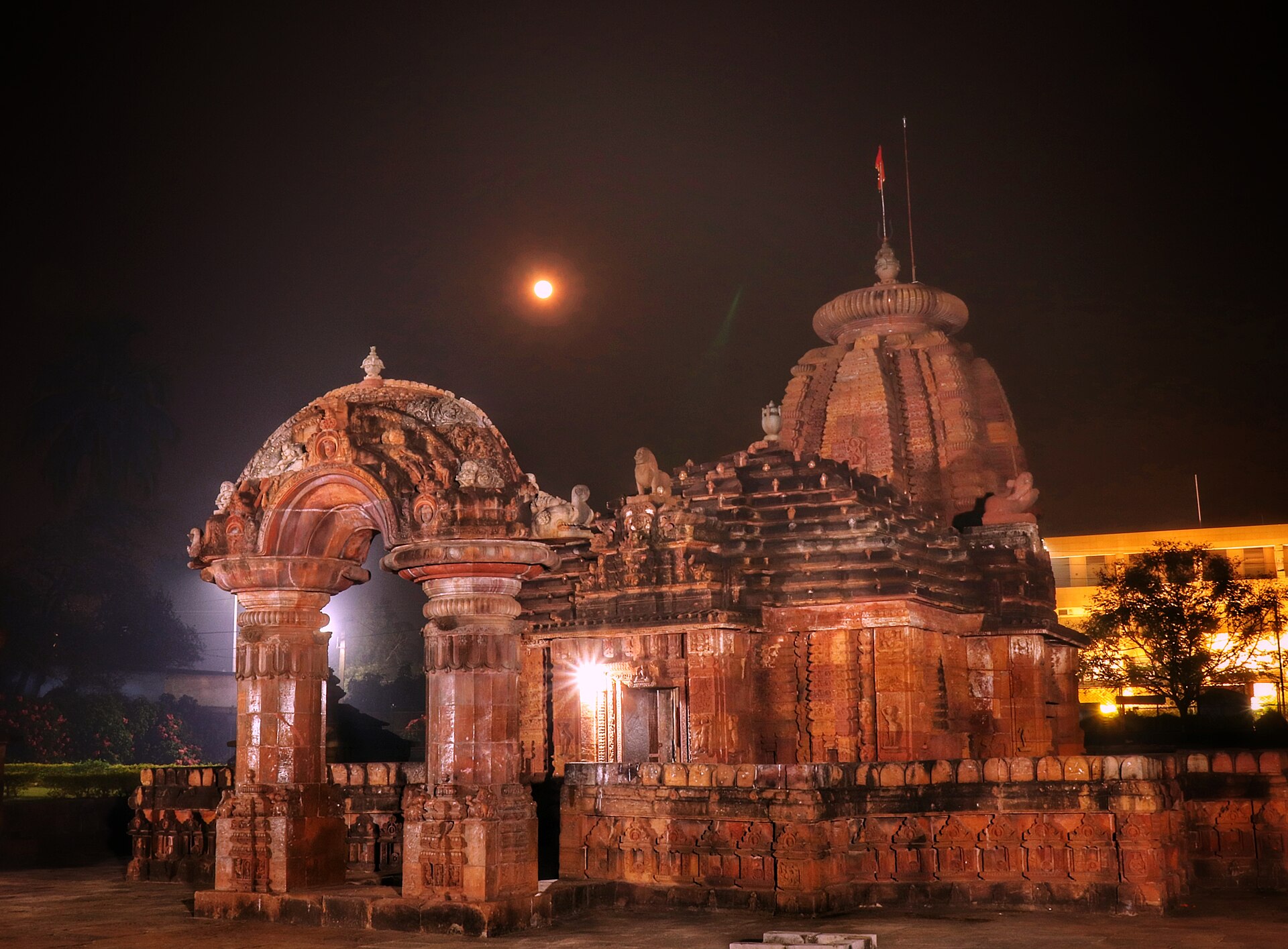
- Parasuramesvara Temple — Old Town
Dating back to the seventh century, this compact structure stands as the oldest surviving stone temple in the municipal area and serves as the structural seed from which later monumental shrines evolved. Its heavy proportions, unique roof design, and panels depicting musicians provide a fascinating window into early medieval craftsmanship.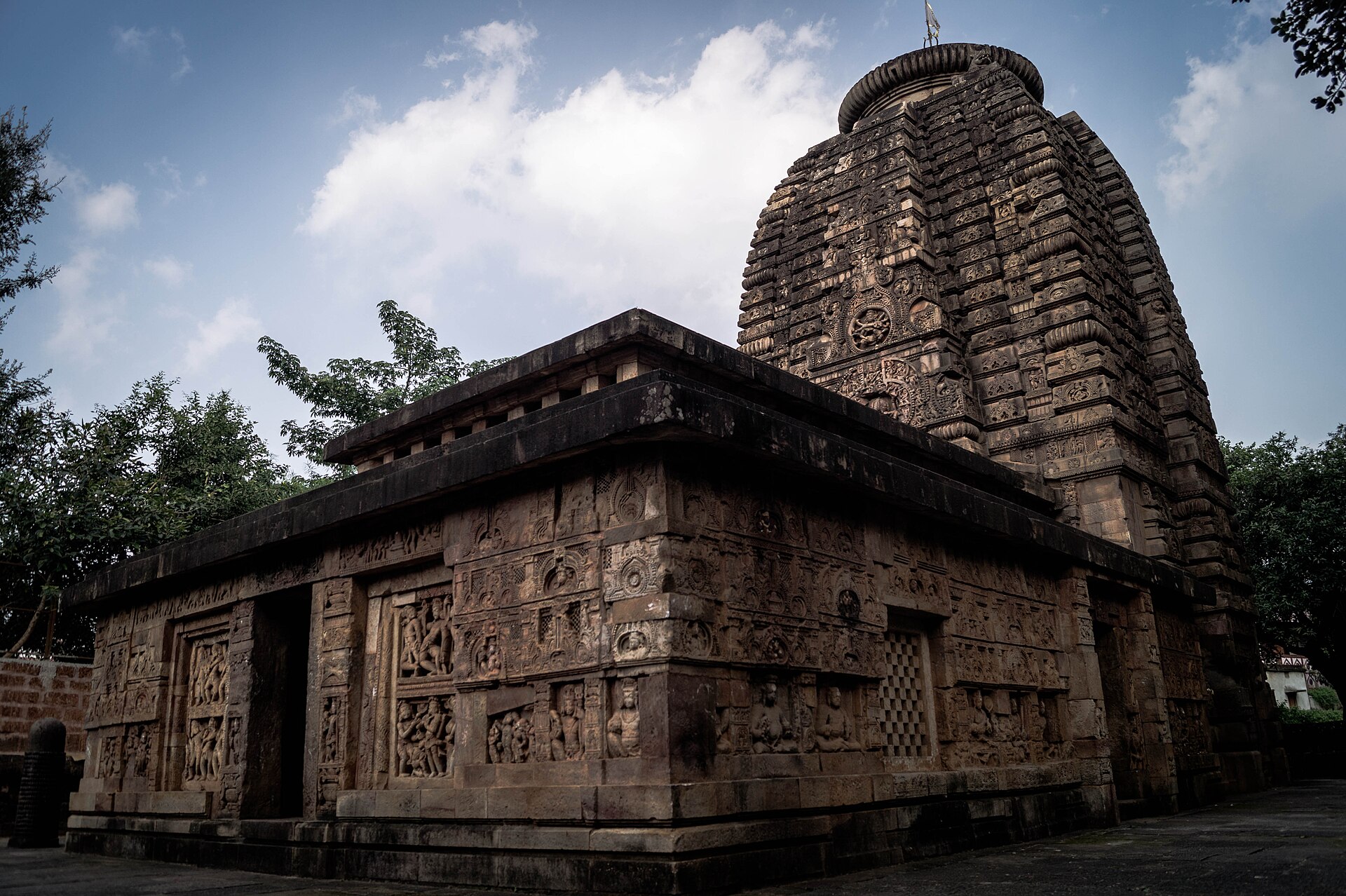
- Rajarani Temple — Rajarani Colony
Referred to locally by the name of the distinct red-gold sandstone used in its construction, this unique shrine stands out due to its complete lack of a presiding deity. The exterior walls are adorned with graceful sculptural figures and floral motifs that display an exceptional degree of artistic freedom and symmetry.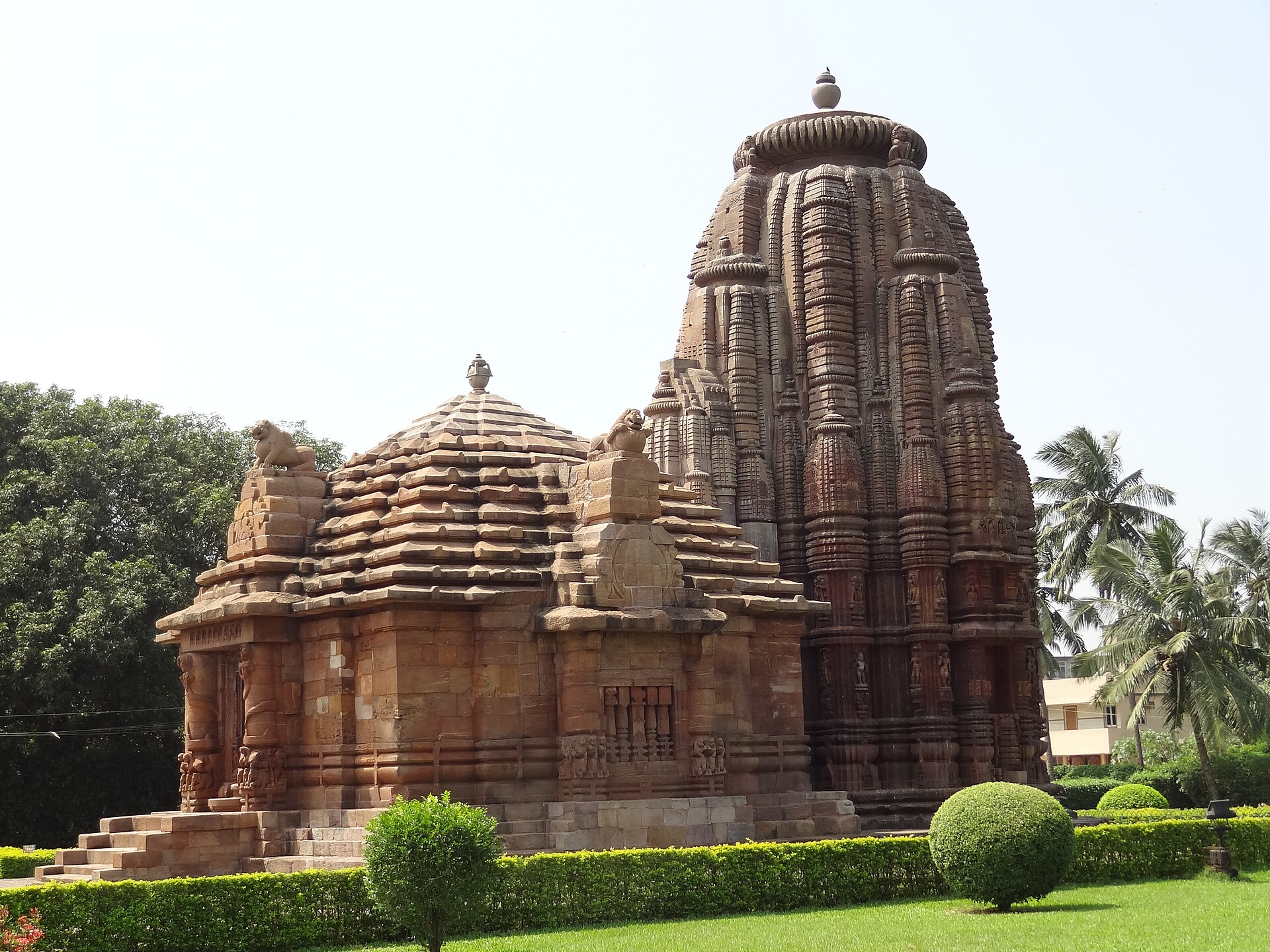
- Udayagiri and Khandagiri Caves — Khandagiri
Carved into twin rocky hills, these ancient chambers served as monastic retreats for Jain ascetics centuries ago. Visitors can climb between the weathered rock-cut cells, examine ancient inscriptions, and enjoy sweeping views across the expanding urban neighborhoods from the elevated vantage points along the ridges.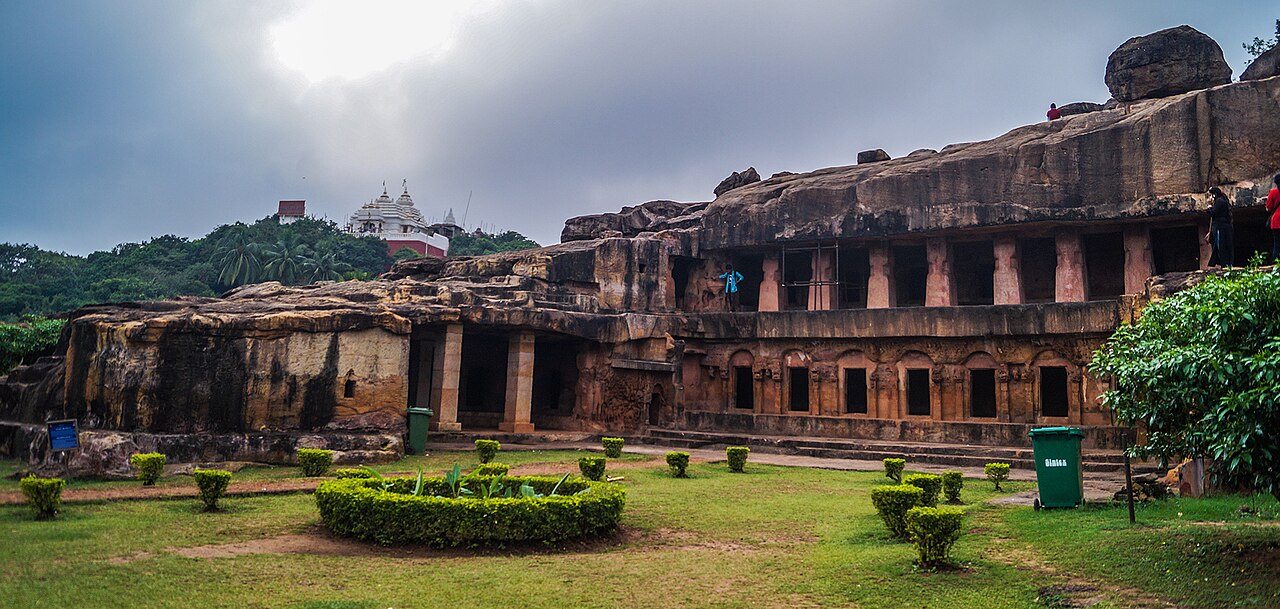
Culture
The cultural identity of the city is deeply intertwined with its architectural heritage, spiritual traditions, and artistic craftsmanship. Local society maintains traditional performing arts, classical Odissi dance forms, and intricate textile weaving traditions that have been passed down through generations. The rhythmic beating of drums and devotional chanting often echo through the narrow lanes surrounding the historic temple tanks, where daily rituals follow ancient scripts. Religious festivals draw immense crowds of devotees who gather to pull massive wooden temple chariots or witness sacred ceremonies illuminated by oil lamps. Modern influences are visible in the expanding university campuses and sports complexes, yet traditional family structures and community values remain robust across the older municipal wards. Visitors should note that local residents are generally welcoming and polite, though traditional norms regarding public modesty and religious sanctity are strictly observed throughout the older neighborhoods. Always remove footwear before stepping onto the premises of any active shrine or temple complex.
What to wear
Traditional attire across Odisha reflects the regional climate and local textile artistry, featuring handloom cottons and fine silks produced by generational weaver communities. Women traditionally wear handwoven Sambalpuri or Bomkai sarees characterized by intricate ikat patterns and traditional temple-border motifs, while men often opt for lightweight cotton dhotis or kurtas during formal and religious occasions. In contemporary urban settings, younger generations and working professionals in IT hubs and commercial districts lean toward standard modern casual wear, including trousers, shirts, and western-style office attire. For travellers exploring the city, lightweight, breathable cotton clothing is essential to stay comfortable during warm weather, particularly when walking under direct sunlight. When visiting religious sites, shrines, and traditional quarters, both men and women should dress modestly by ensuring shoulders and knees are fully covered. Carrying a light scarf or stole is useful for entering sacred spaces or shielding yourself from the intense afternoon heat.
What to eat
- Dalma — Traditional eateries throughout the old town
An iconic Odiya comfort dish combining roasted lentils with a generous variety of garden vegetables such as raw papaya, pumpkin, and aubergine, seasoned gently with aromatic local spices and roasted cumin powder. - Chhena Poda — Sweet shops across the central market areas
A beloved regional dessert made from fresh cottage cheese kneaded with sugar, cashews, and raisins, then slow-baked until caramelized on the outside with a rich, smoky sweetness. - Macha Besara — Local dining halls and family restaurants
Local river or sea fish gently simmered in a pungent, earthy paste made from ground mustard seeds, garlic, turmeric, and tomatoes, creating a savory curry that pairs perfectly with steamed rice. - Santula — Vegetarian canteens and roadside eateries
A light, nourishing vegetable stew prepared with minimal oil, allowing the natural flavours of green papaya, potatoes, raw plantain, and beans to shine through in a mild milk or water broth.
Plan it
Best time. October to February offers the most pleasant weather for exploring outdoor sights, while summer months can experience high heat and humidity.
How long. 2–3
Getting there. Arrive via Biju Patnaik International Airport or the central railway station on the main Kolkata-Chennai line, then continue into the city via pre-paid taxi or radio cab.
Budget. mid
Tips
- Start temple visits early in the morning to avoid afternoon heat and midday crowds.
- Hire official pre-paid transport options from airport counters rather than accepting random offers outside.
- Carry cash for small purchases at local markets and offerings at historic shrines.
- Wear comfortable slip-on footwear since you will frequently remove your shoes at temple entrances.
Etiquette
- Always remove your shoes before stepping onto temple grounds or sacred courtyards.
- Politely decline persistent touts or temple guides with a firm, respectful no.
- Dress modestly with covered shoulders and knees when exploring older religious districts.
Nearby
Sources
- Wikidata Q171771 (CC0)
- Wikipedia (CC BY-SA 4.0)
- Wikivoyage (CC BY-SA 4.0)