Banc d'Arguin National Park
Banc d'Arguin National Park, Mauritania
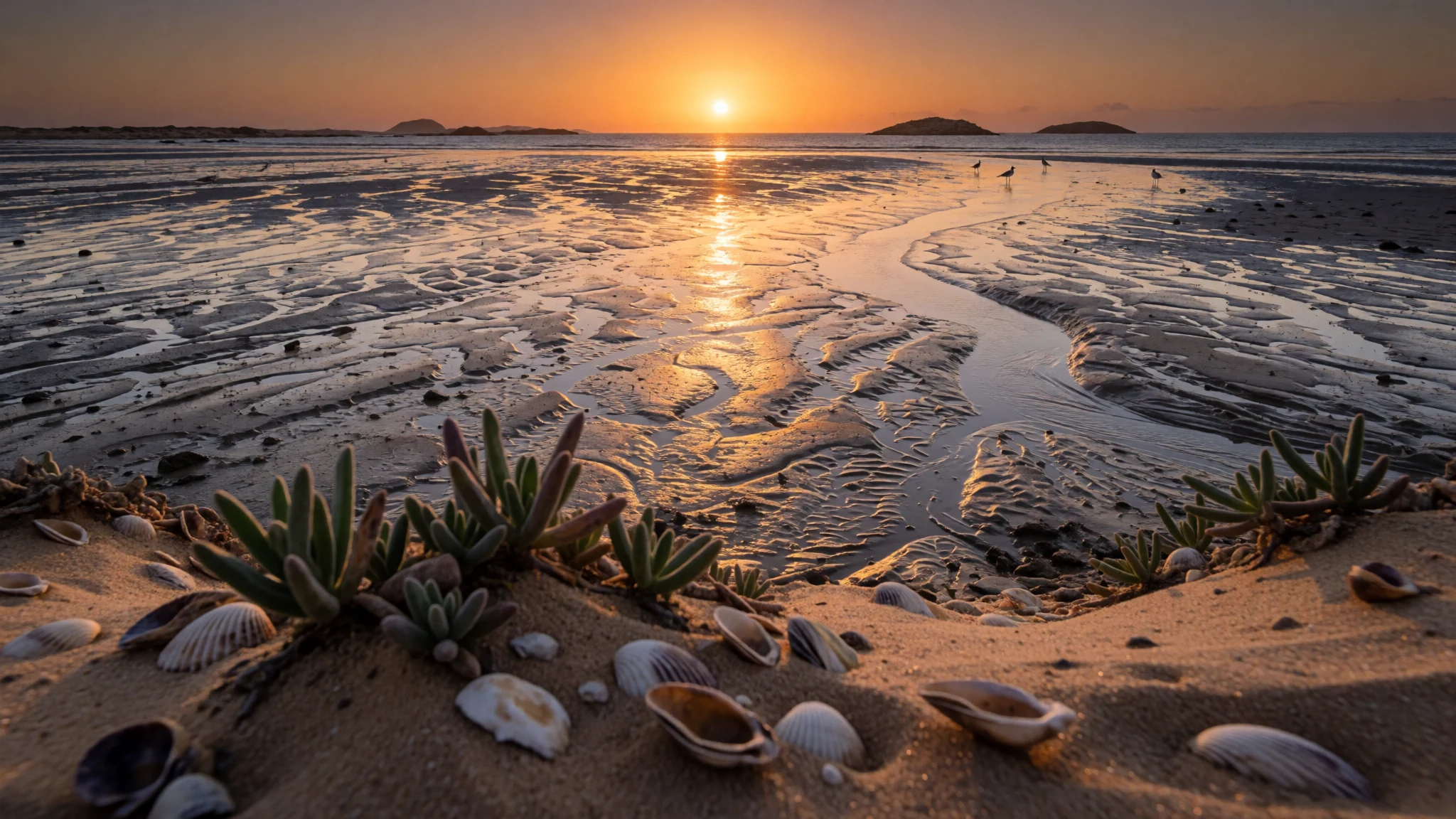
Banc d'Arguin feels like a wildlife checkpoint on the Atlantic—mudflats, islands, and bird life shaped by the tides.
The place
Banc d'Arguin National Park sits along Mauritania’s west coast, between Nouakchott and Nouadhibou, facing the Atlantic. It’s not the kind of park where you “see everything” in one go; it’s about slow, tidal landscapes—vast intertidal mudflats, sand banks and low islands—where the coast becomes a feeding ground.
The park is also a living story of how marine food webs work: the surrounding waters are among the richest fishing grounds in western Africa, and those same waters support nesting and breeding birds. Much of the action happens around islands such as Tidra, Niroumi, Nair, Kijji and Arguim, where birds use sand banks for reproduction. The park is famed for migratory waders and waterbirds, including flamingos, pelicans and terns, and for the sheer scale of wintering and breeding activity.
Human presence inside the park is limited, which is a big part of its charm—calm coastlines, long views, and a sense that nature is doing its own timetable. The flip side is that access and on-water time matter: timing relative to tides and local routes can shape what you actually experience.
If you’re coming for wildlife, this is the kind of place where you don’t need manicured trails; you need patience, a bit of salt in the air, and a willingness to watch the coast change as the tide moves.
Its story
Banc d'Arguin National Park has long drawn outsiders—mostly because the coastline offered both food and position. The waters helped power fishing and trade, while the strategic location on the Atlantic coast made the region valuable to European powers over several centuries.
Portuguese, French, English and other maritime players competed here as part of wider colonial ambitions. Arguin became a point of contact and logistics, including attempts at commerce tied to routes and resources moving north. Over time, those commercial interests also became entangled with darker systems; the historical record includes slave exports linked to the port and its networks.
The coast also has a dramatic maritime chapter. The French frigate La Méduse ran aground off Banc d'Arguin on 2 July 1816, and survivors’ accounts inspired artwork. The tragedy echoes in culture far beyond Mauritania, with a well-known painting created in 1819 and later displayed in the Louvre.
Today, that same stretch of ocean and shoreline is still about movement—though the focus has shifted from ships and empires to migration, breeding colonies, and the rhythms of the intertidal flats. The park’s establishment in 1976 aimed to protect the natural resources and fisheries, balancing conservation and the economic value of the sea.
What to see
- Arguin Island — Off the coast near Arguin
Arguin Island is an arid, popular stop where remnants of fortifications from the French colonial period stand out against the coastal dryness. If you’re visiting by boat, it’s often paired with reef time nearby, so you can look at both history and marine life.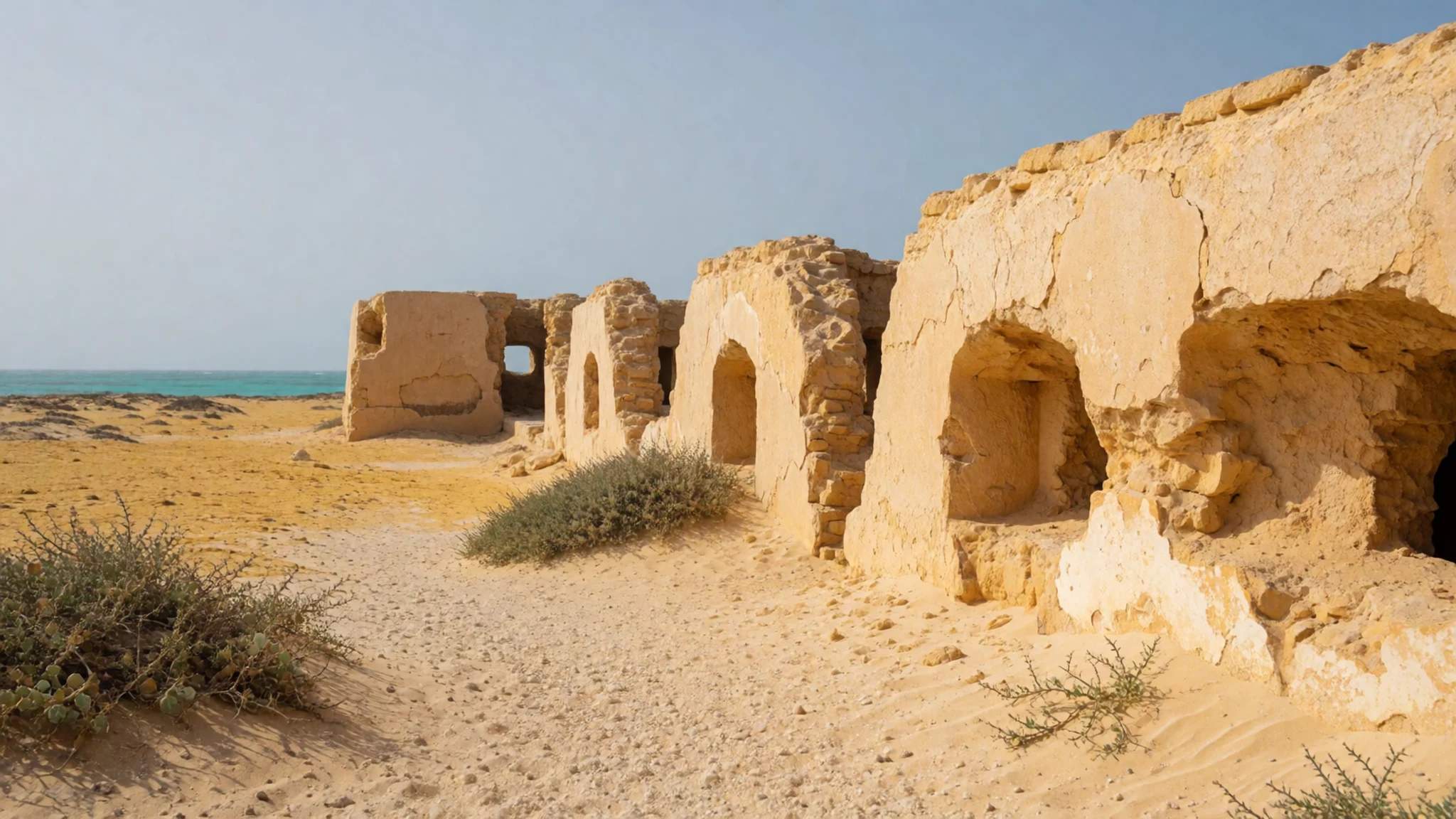
- Intertidal mudflats & sandbanks — Along the Atlantic shoreline
The mudflats and sandbanks are what make the park work. At different tide stages, the coastline rearranges itself into feeding areas and resting zones, so wildlife sightings are tied to timing rather than fixed “viewpoints”. Expect long, quiet stretches more than crowds.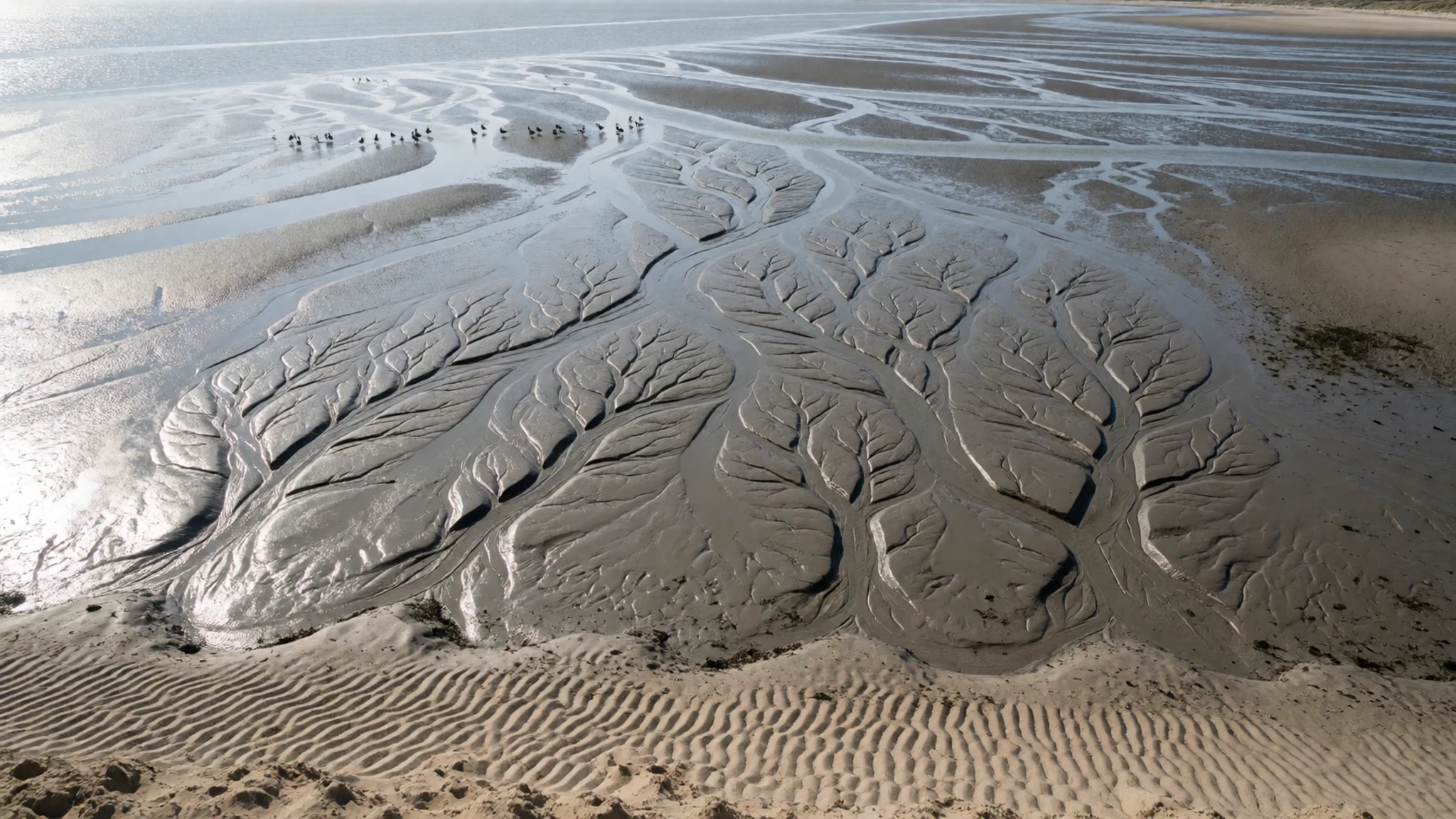
- Bird nesting islands — Around the park’s islands
Sand banks and low islands such as Tidra, Niroumi, Nair, Kijji and Arguim are used for breeding. This is where you go to watch birds concentrate—sometimes in huge numbers—linked to the seasons and the way the tide exposes nesting habitat.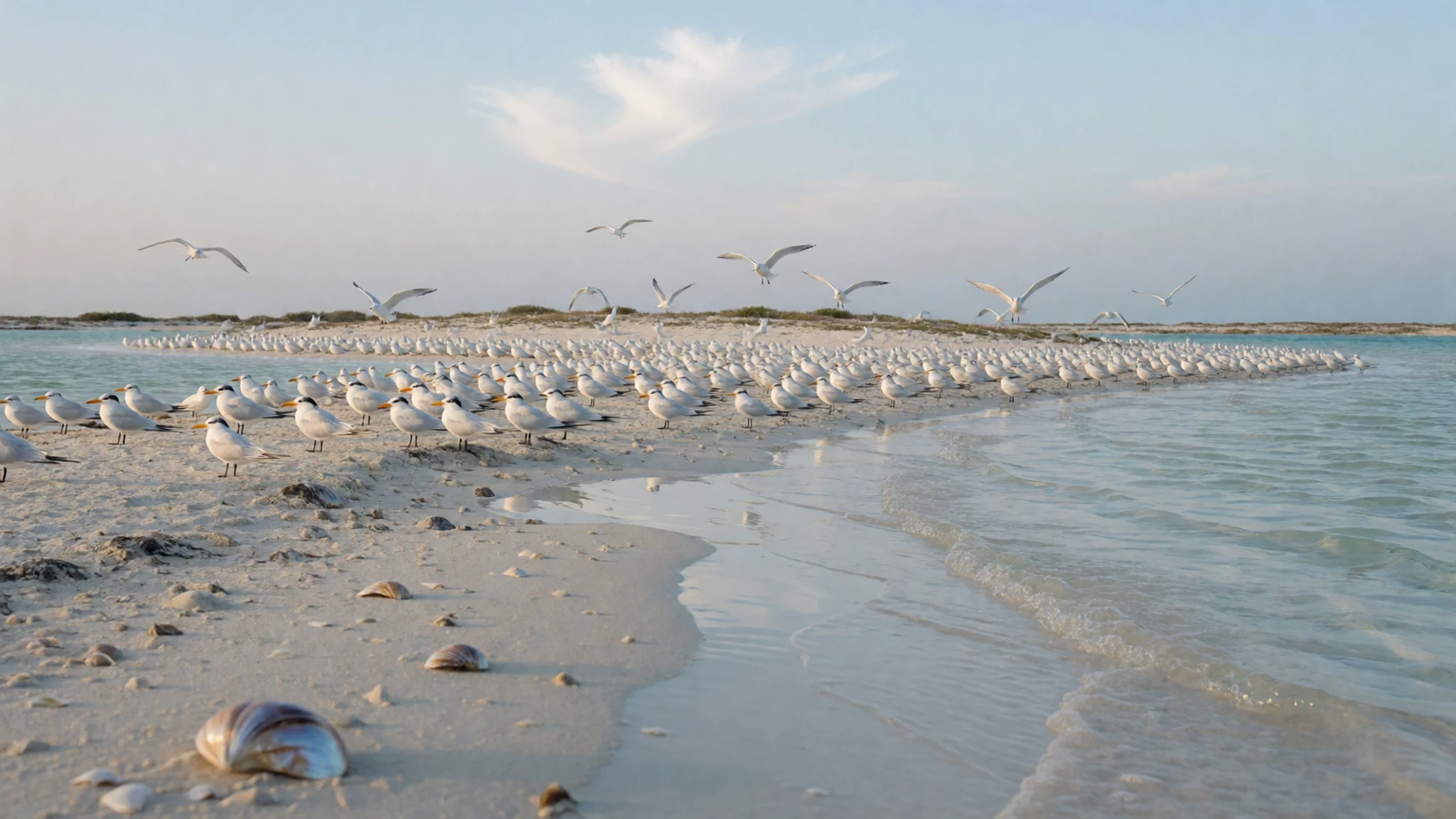
- La Méduse wreck area — Off Banc d'Arguin’s coast
The wreck of the French frigate La Méduse sits offshore and is a focus for diving excursions. Even if you’re not diving, the history adds depth to the coastline: it’s a place where the Atlantic has repeatedly shaped travel and local stories.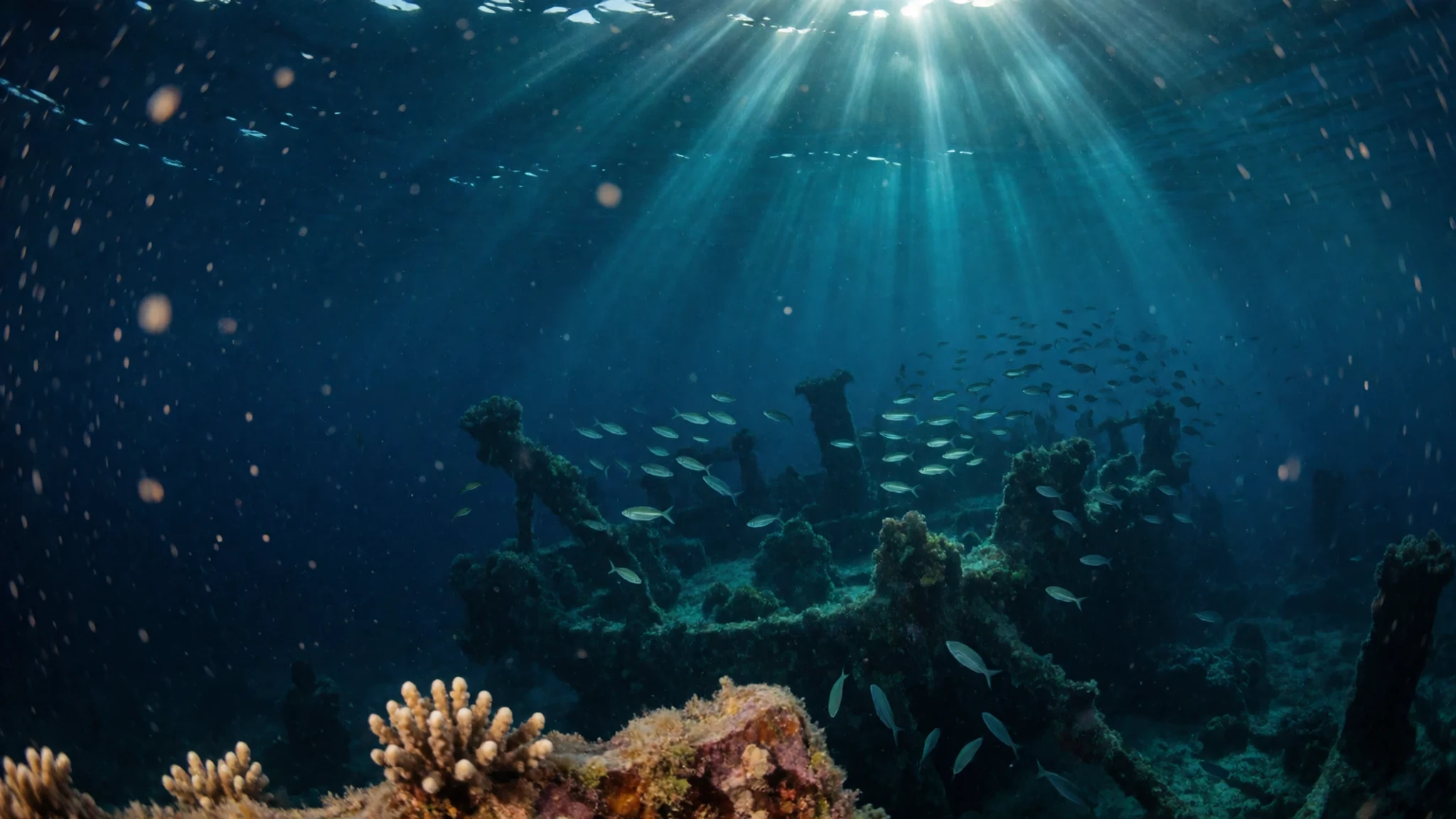
- Shell-heap coastlines (Conchero) — Coastal stretches in the park area
Along sections of the coast, shell heaps—sometimes called concheros—offer a visible layer of human and marine history. They look stark against sand and sea, and they’re a reminder that the region’s resources have been used for generations.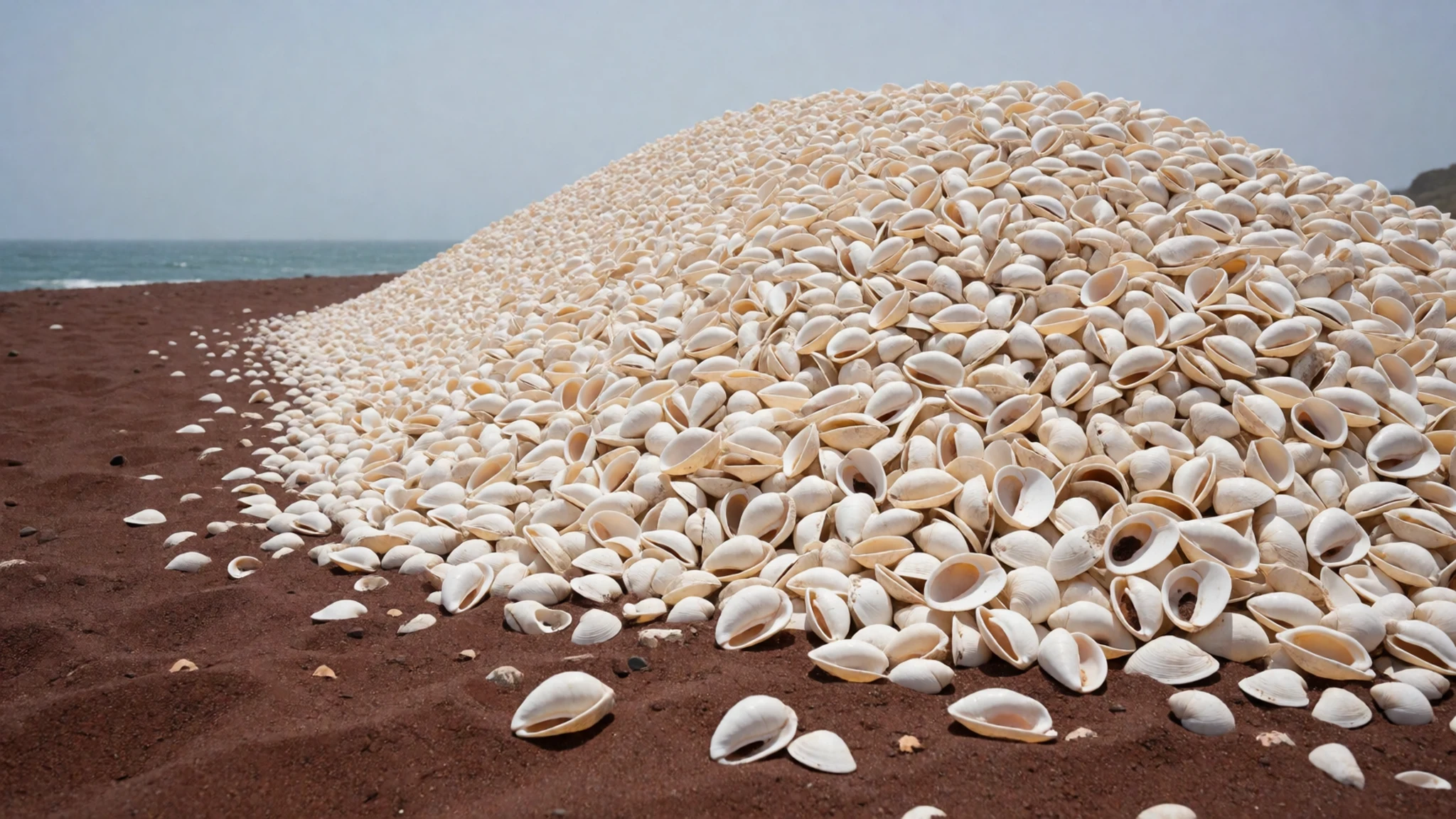
Culture
Banc d'Arguin National Park doesn’t revolve around museums or set-piece monuments; its “culture” is mostly about doing the right thing in a conservation space. The park is managed to protect natural resources and fisheries, and much of the wildlife value comes from low disturbance and intact feeding and nesting habitat.
One practical implication: marine wildlife is sensitive. Birds and breeding zones depend on quiet observation and avoiding sudden disruption. If you’re on a boat, keeping a calm pace and following local guidance matters because the ecosystem is responding to tide and exposed sand at any given moment.
There’s also a strong fishing story around the park. The waters are important to livelihoods, so you’ll often hear about how the sea supports the region’s economy. That context makes it extra important not to treat the coastline like a theme park.
Visitor etiquette tip: keep noise low, stay back from birds and nesting areas, and follow local rules about access and fishing—this is a working conservation landscape.
What to wear
At Banc d'Arguin, clothing is less about fashion and more about comfort in a coastal, open-sun environment. Traditional dress in Mauritania varies by community and region, but when people wear traditional garments they often choose flowing, modest clothing that covers the body—typically lighter fabrics for daytime heat and warmer layers when the evening cools.
On the ground today, you’ll still see a mix: locals may wear long robes and head coverings, while visitors usually dress for outdoor weather—light layers for daytime, plus something windproof for boat trips. Because the park’s key activity is on and around the water, bring practical footwear: sandals can work on firm ground, but closed shoes help on uneven coastal surfaces and during boat transfers.
For a visitor packing list: breathable long sleeves and trousers (for sun and wind), a hat, and a lightweight rain layer for the wetter part of the year. If you plan to hop on a small boat or walk near shell heaps and sand, choose footwear that won’t slip easily when the ground is damp or uneven. Keep colours modest and avoid anything too bulky that can snag in boats.
What to eat
- Grilled fish and seafood plates — Coastal restaurants in Nouadhibou
Given the park’s surrounding waters and local fishing culture, grilled fish is a common, satisfying option. Look for it at coastal eateries and simple sea-facing restaurants in towns such as Nouadhibou.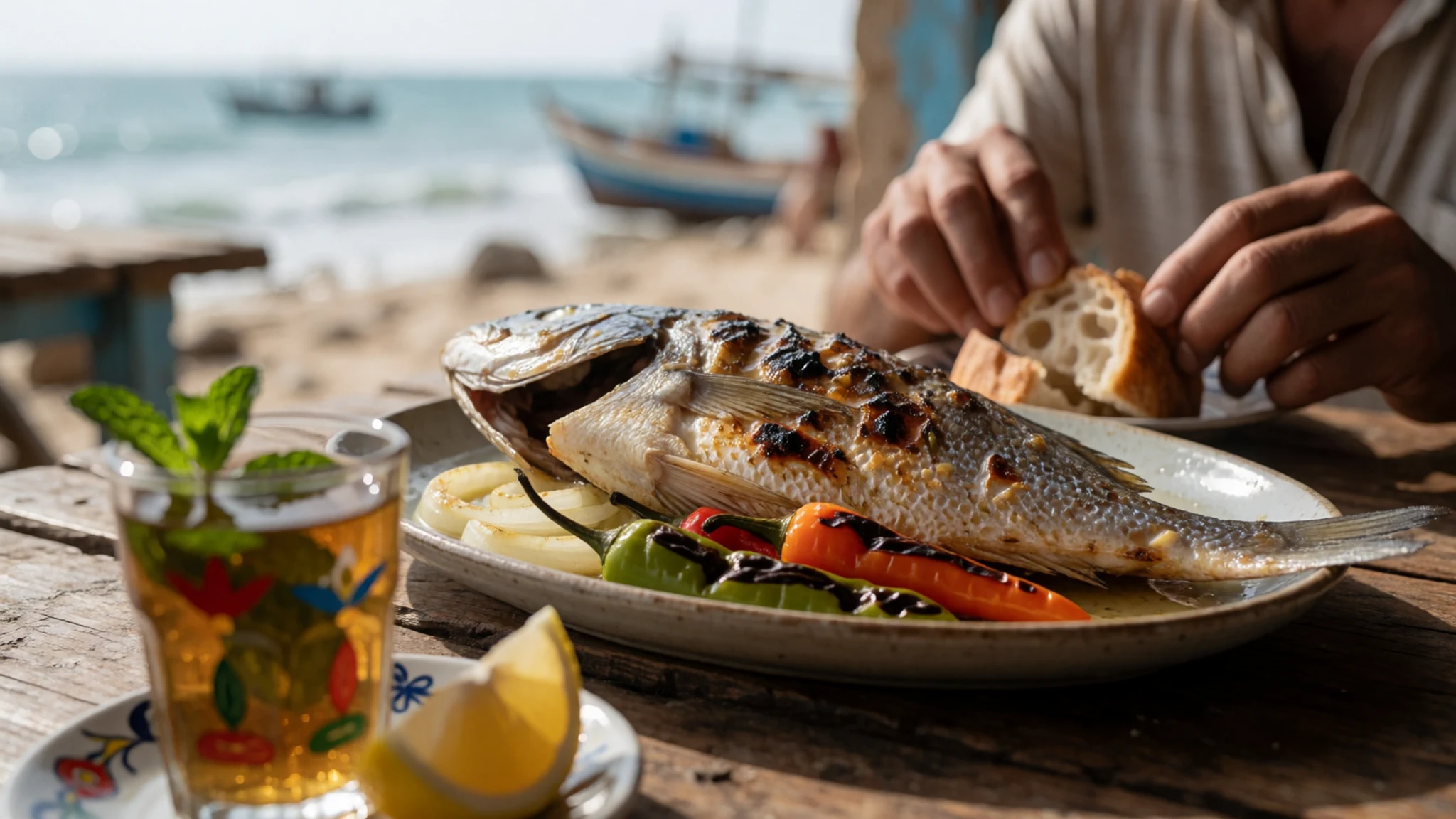
- Traditional millet or rice dishes — Local restaurants and eatery counters in nearby towns
Millet-based or rice-based meals are often the backbone of everyday food in Mauritania. Find them in local restaurants and casual eateries where portions are hearty and flavours are built around sauces.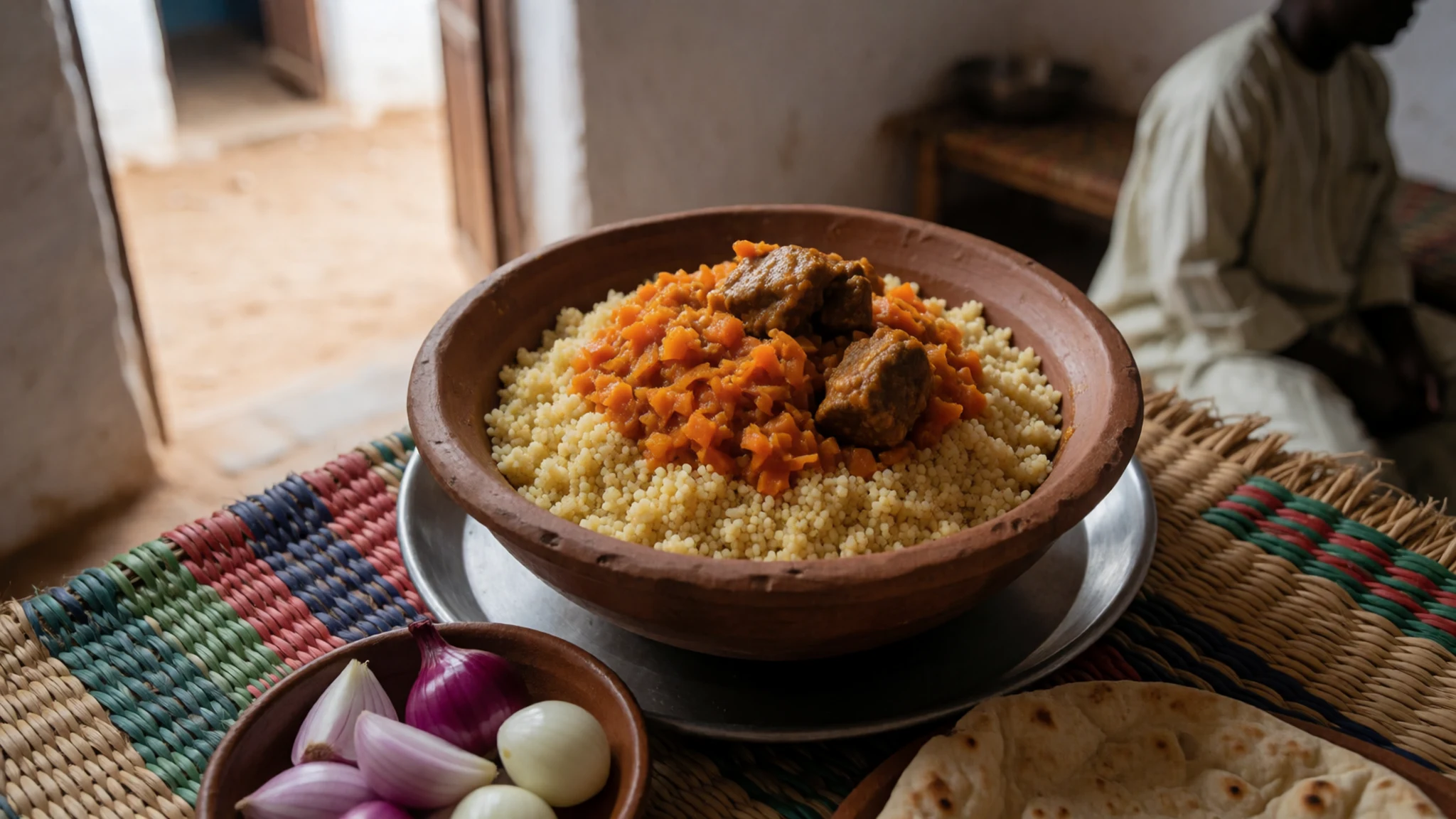
- Spiced meat stews — Any neighbourhood restaurant in gateway towns
Meat stews—often slow-cooked and flavoured with local spices—make sense after a boat day when the air feels cooler. Ask for what’s being cooked that day at neighbourhood restaurants. - Fresh salads with chilli and herbs — Common sides at local eateries
To balance the richness of seafood and stews, salads with chilli, herbs, and bright vegetables are frequently served alongside meals. It’s a good way to get something lighter after being in the sun. - Mint tea — Tea rooms and informal cafés in nearby towns
Mint tea is a daily ritual, offered in many places and often served alongside biscuits. It’s a simple comfort between sights, especially when the day has been windy and salty.
Plan it
Best time. March–April and October–November suit this coastline best for calmer conditions and moderate temperatures. Rainfall here is minimal overall, but the wet period is between July and September.
How long. 3–4
Getting there. Fly into Nouakchott or Nouadhibou, then arrange a local transfer by road to the coast-side access points and the onward boat leg to the park area.
Budget. mid
Tips
- Plan your days around tide timing, since mudflats and sandbanks change what’s visible.
- Ask your local operator what wildlife moments are most likely during your departure window.
- Bring sun protection and wind protection; coastal weather can change quickly on open water.
- Expect limited on-site facilities—carry water, basic snacks, and any essentials you need for the day.
Etiquette
- Keep noise and engine disturbance to a minimum around bird areas.
- Stay back from nesting sites and follow your guide’s instructions on where you can stand or look.
- Do not interfere with marine life or pick up items from sandbanks and reefs.
Nearby
Sources
- Wikidata Q539518 (CC0)
- Wikipedia (Banc d'Arguin National Park) (CC BY-SA 4.0)
- Wikivoyage (Banc d'Arguin National Park) (CC BY-SA 4.0)
- Photo photos/01-pnba-43.jpg (CC BY 3.0)
- Photo photos/02-arguin-map.jpg (Public domain)
- Photo photos/03-conchero-arguin.jpg (CC BY 3.0)
- Photo photos/04-jean-louis-th-odore-g-ricault-la-balsa-de-la-medusa-museo-de.jpg (Public domain)
- Photo photos/05-banc-d-arguin-national-park-banner.jpg (CC BY-SA 1.0)
- Photo photos/06-cap-tagarit.jpg (CC BY-SA 4.0)
- Photo photos/07-iss-57-mauritania-desert-coast.jpg (Public domain)
- Photo photos/08-iss021-e-23447-view-of-mauritania.jpg (Public domain)


