Ambohimanga
Ambohimanga, Madagascar
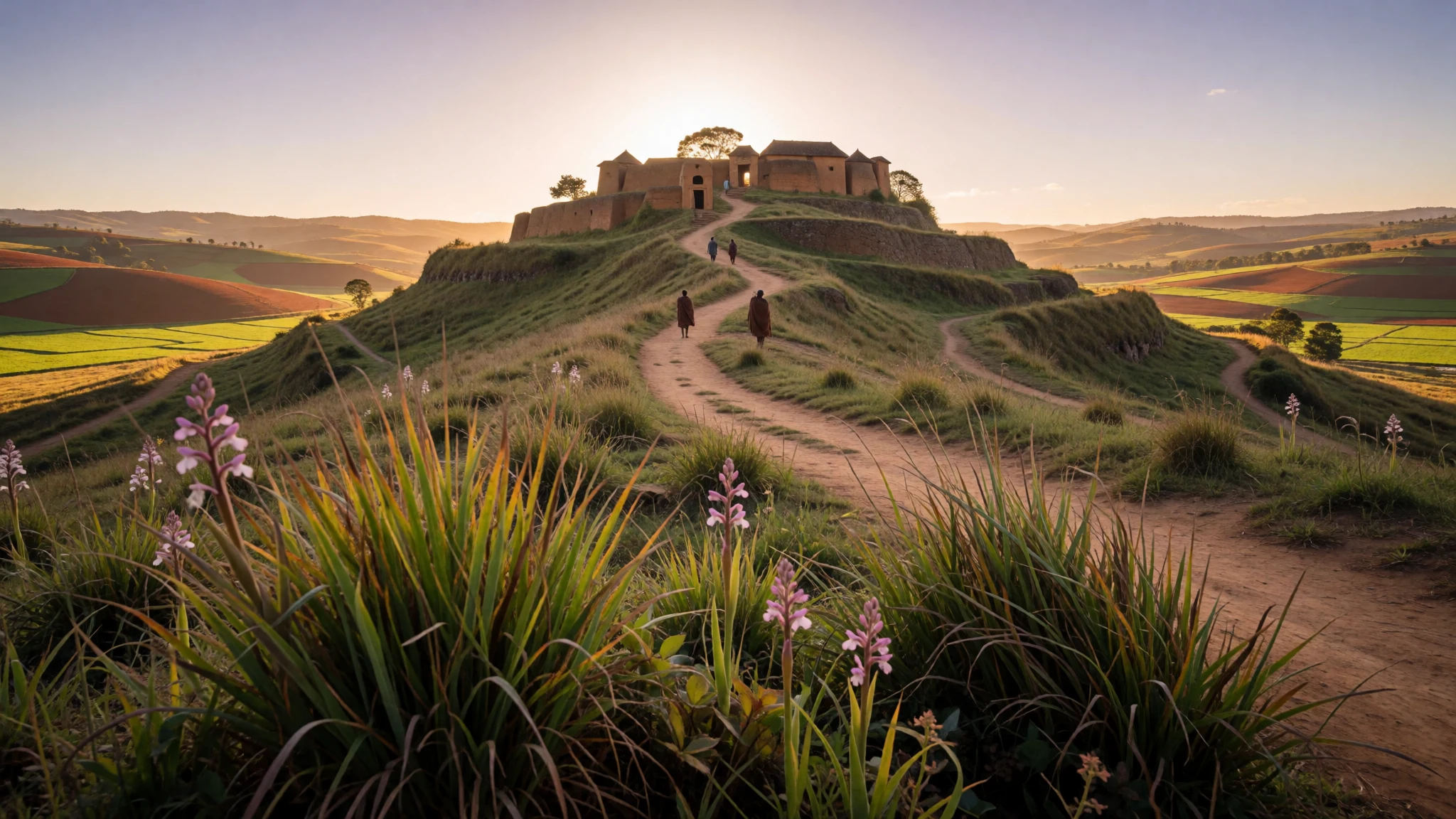
Ambohimanga pairs hilltop views with a lived-in royal past—today it still feels like a place of worship rather than a museum.
The place
Ambohimanga (often written in travellers’ notes as “Ambohimanga Rova”) is a hilltop fortified royal settlement on Madagascar’s central highlands, standing about 24 km (15 mi) northeast of Antananarivo. The site is built around the idea of a rova: a walled historic village with residences and burial places tied to Merina monarchs, set on a sacred hill that belongs to the spiritual map of Imerina.
What makes Ambohimanga different from many heritage stops is its continuing role in belief. The hill and its rova are considered a major symbol of Merina cultural identity, and the complex still carries a strong sacred atmosphere through ritual life and pilgrimages. In practice, that means the place can feel respectfully busy rather than purely sightseeing—people come with family stories, faith, and intentions.
Structurally, you’re looking at layered defences—walls, gates, and trenches—plus courtyards and palace areas arranged on the slope. The view down towards the capital is part of the experience, but the climb is never just scenic: it’s a steady, earth-and-stone reminder of how power was organised on the hill. At ground level in the rural commune, the village economy also supports visitors and pilgrims, so you’ll notice everyday faces around the edges of the heritage precinct.
It’s also a World Heritage-listed site, with historic buildings that you’ll want to photograph respectfully. Plan for a warm day on the hill, uneven paths, and a visit that mixes history, spirituality, and real human presence.
Its story
Ambohimanga’s story starts with movement and settlement in Madagascar’s highlands. Long before the royal rova took its final recognisable shape, early communities lived around these uplands, and later arrivals shaped how people built villages, farmed, and claimed sacred ground. When the Merina established themselves more firmly in the central highlands, they brought a hilltop settlement rhythm—communities placed high for protection and for status—over earlier landscapes.
Under the Merina Kingdom of Imerina, Ambohimanga became politically important and increasingly fortified. In the early eighteenth century, the Kingdom was divided into quadrants, and the northeastern region was governed from a capital at Ambohimanga. That choice mattered: it turned the hill into a staging ground for power, administration, and military activity.
A long period of civil conflict followed, and successive rulers connected to the northeastern quadrant adjusted Ambohimanga’s defences and structures, including modifications aimed at improving protection. Eventually the kingdom was reunified, and the court shifted back to Antananarivo; at that point Ambohimanga was declared to have a spiritual standing alongside the political centre—an equal importance in feeling, even as the royal seat moved.
The rova didn’t become just an old monument. It remained a place to practise rituals and welcome pilgrims, keeping the hill’s sacred identity alive in both local memory and visitors’ first impressions. Even today, the complex reads as a lived timeline: walls and gates speak of past security, while burial places and sacred markers anchor the present.
What to see
- Royal Hill rova look-outs and walls — The hilltop royal precinct
Ambohimanga’s Royal Hill is approached along earth-and-stone paths leading into a compact, walled royal settlement. From the slope, the layout feels defensive first—walls and tight passages shape where you can walk and pause for views over the surrounding highlands.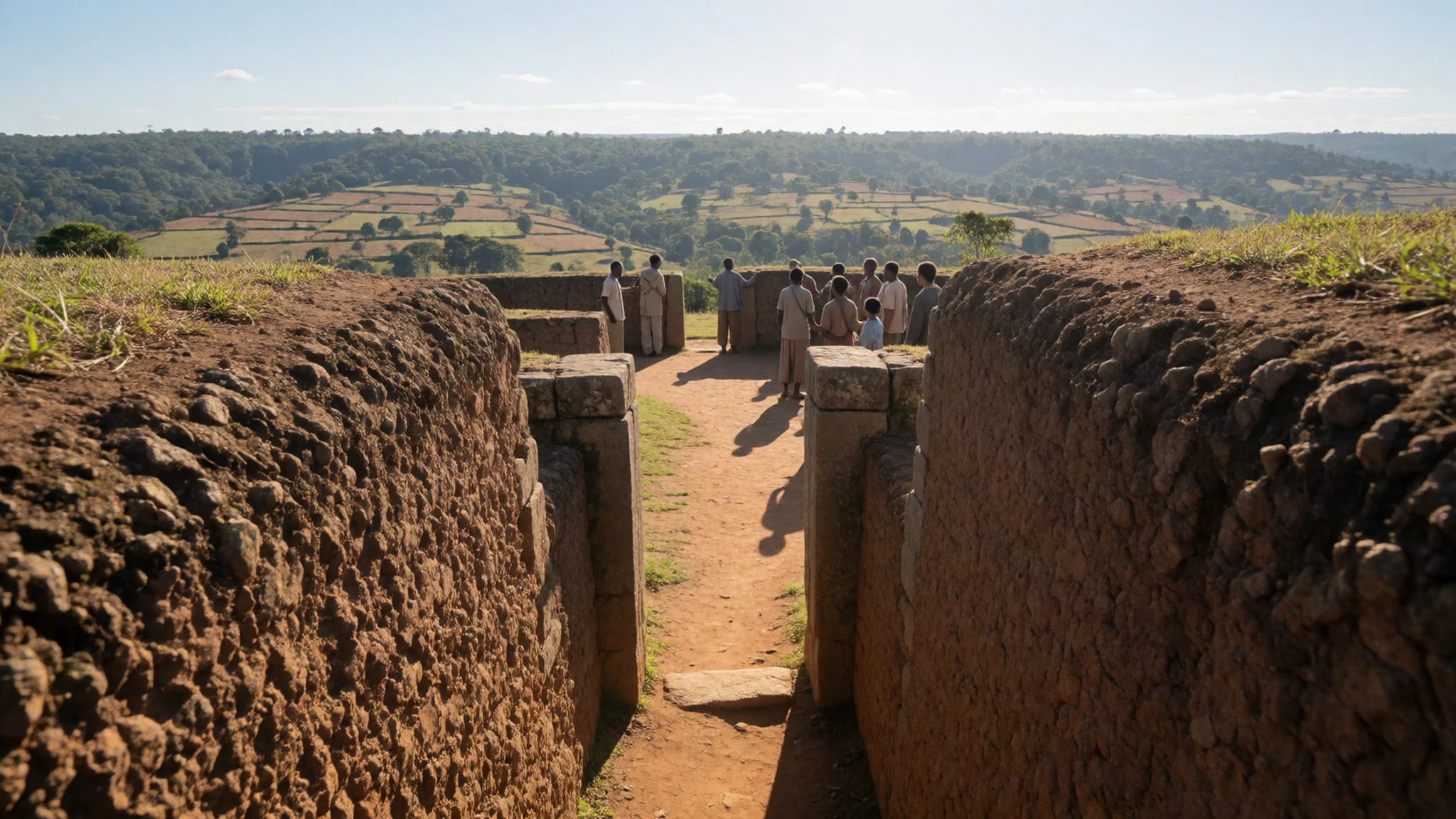
- Palace areas and historic residences — Courtyards within the rova
Inside the rova, palace areas and historic residences sit within an organised courtyard world. The buildings read as royal planning rather than standalone houses, with space for movement, gathering, and ceremony—take care with photography around the historic structures.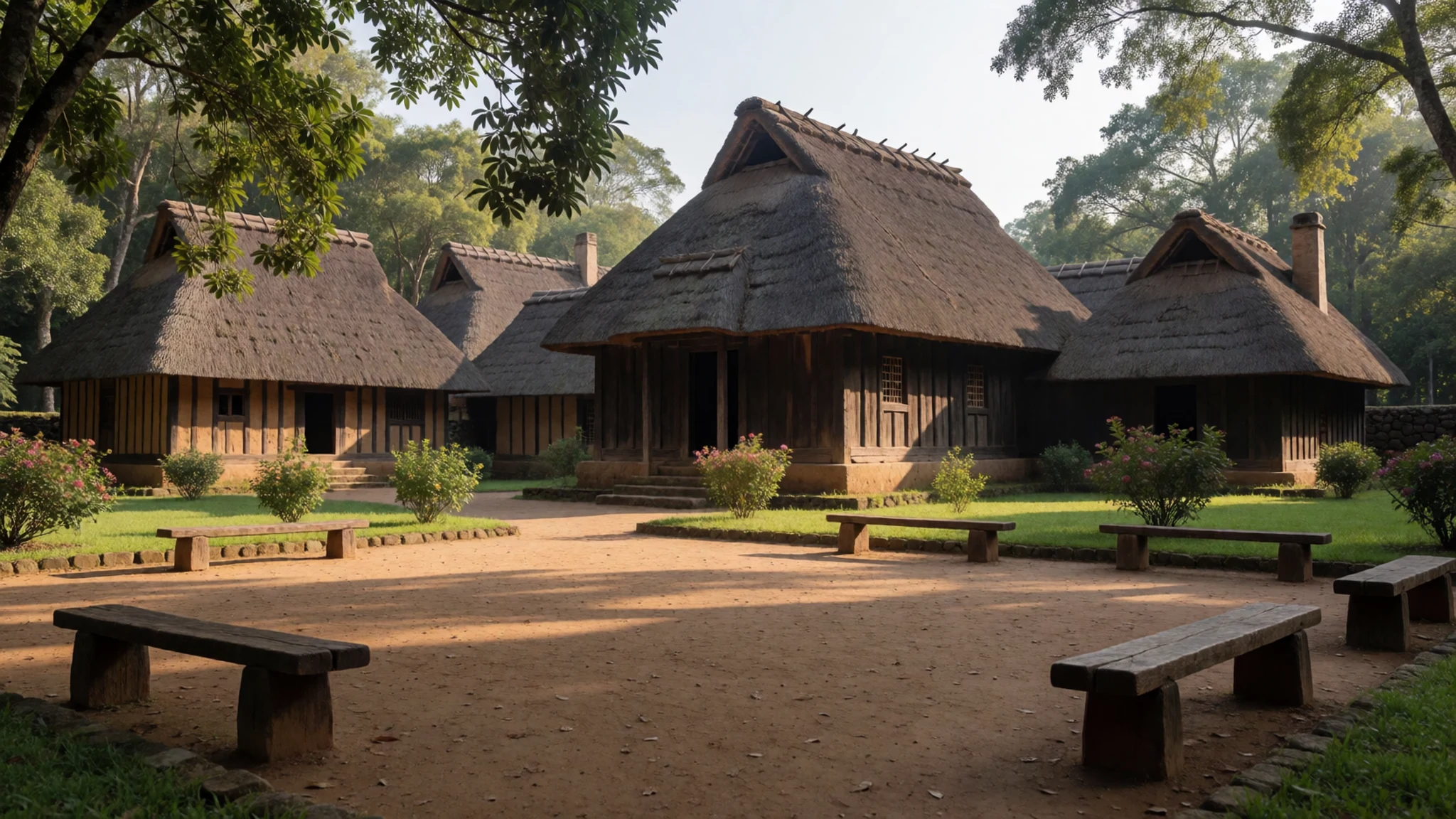
- Burial sites of Merina monarchs — Burial areas on and around the hill
Ambohimanga includes burial places connected to key monarchs of the Merina Kingdom. These spaces give the visit its emotional weight: you’re not only tracing walls, you’re approaching places linked to remembrance and ongoing pilgrimage.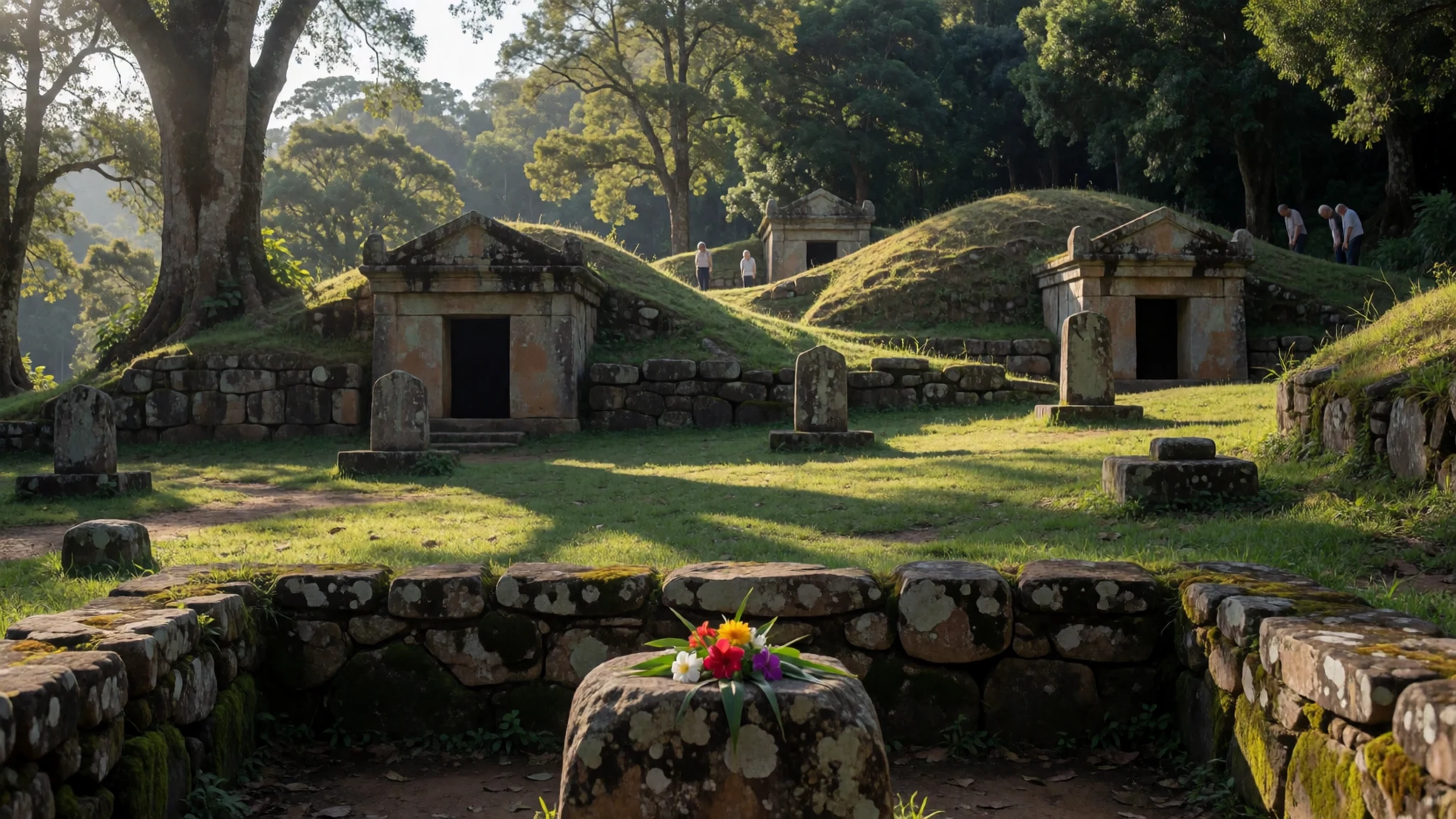
- Sacred trees (living markers) — Within the rova grounds
The hill’s sacred identity is marked by living trees used as important spiritual reference points. These living markers help explain why the site remains active in ritual practice.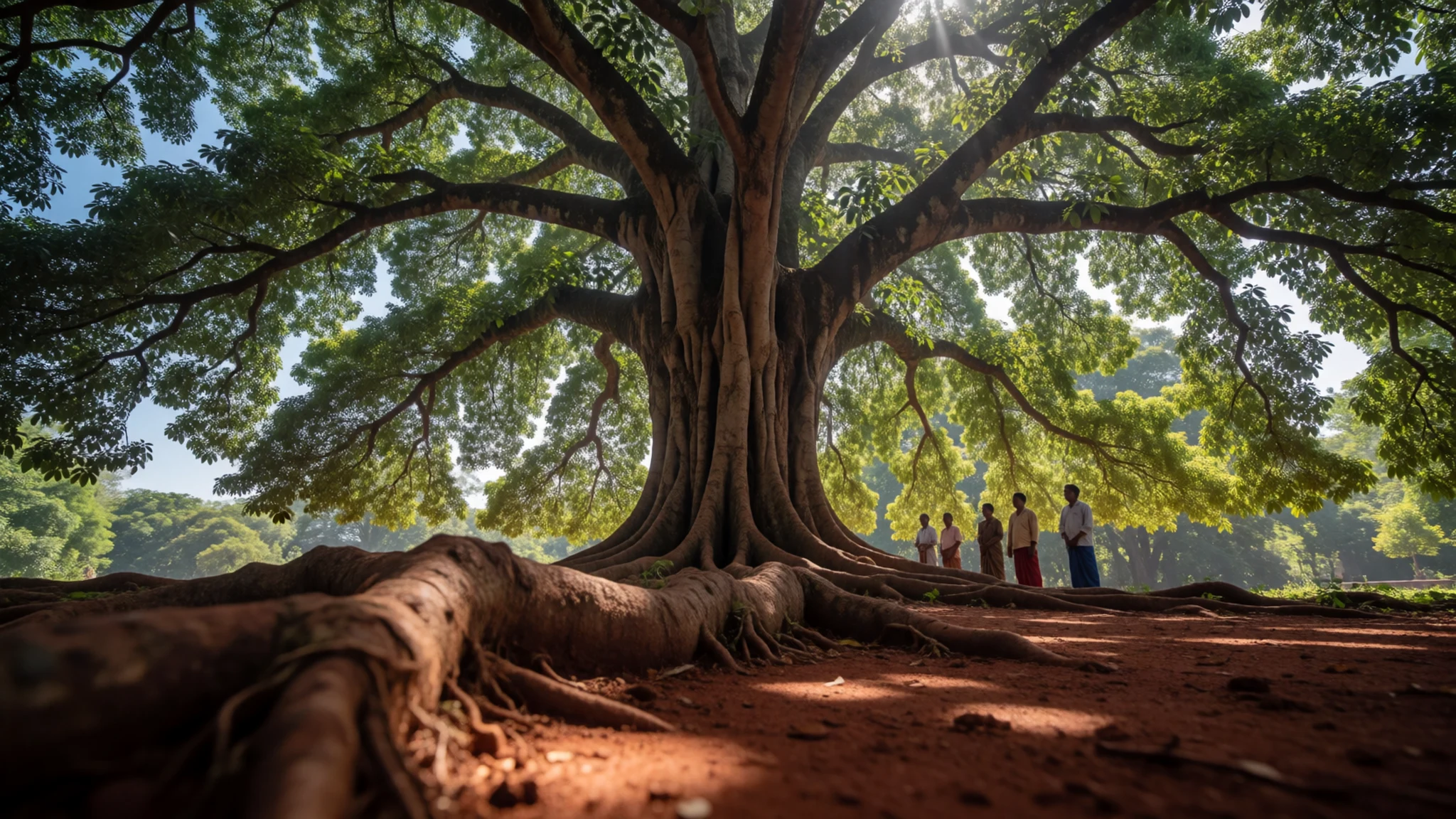
- Defences, gateways, and how the fort works — Gateways and trench-lined edges
Ambohimanga’s defences were shaped over time: earthen walls, stone gateways, and deep defensive trenches supported a fortress logic. Walking from entry points into the interior helps you understand how access and visibility were controlled for security.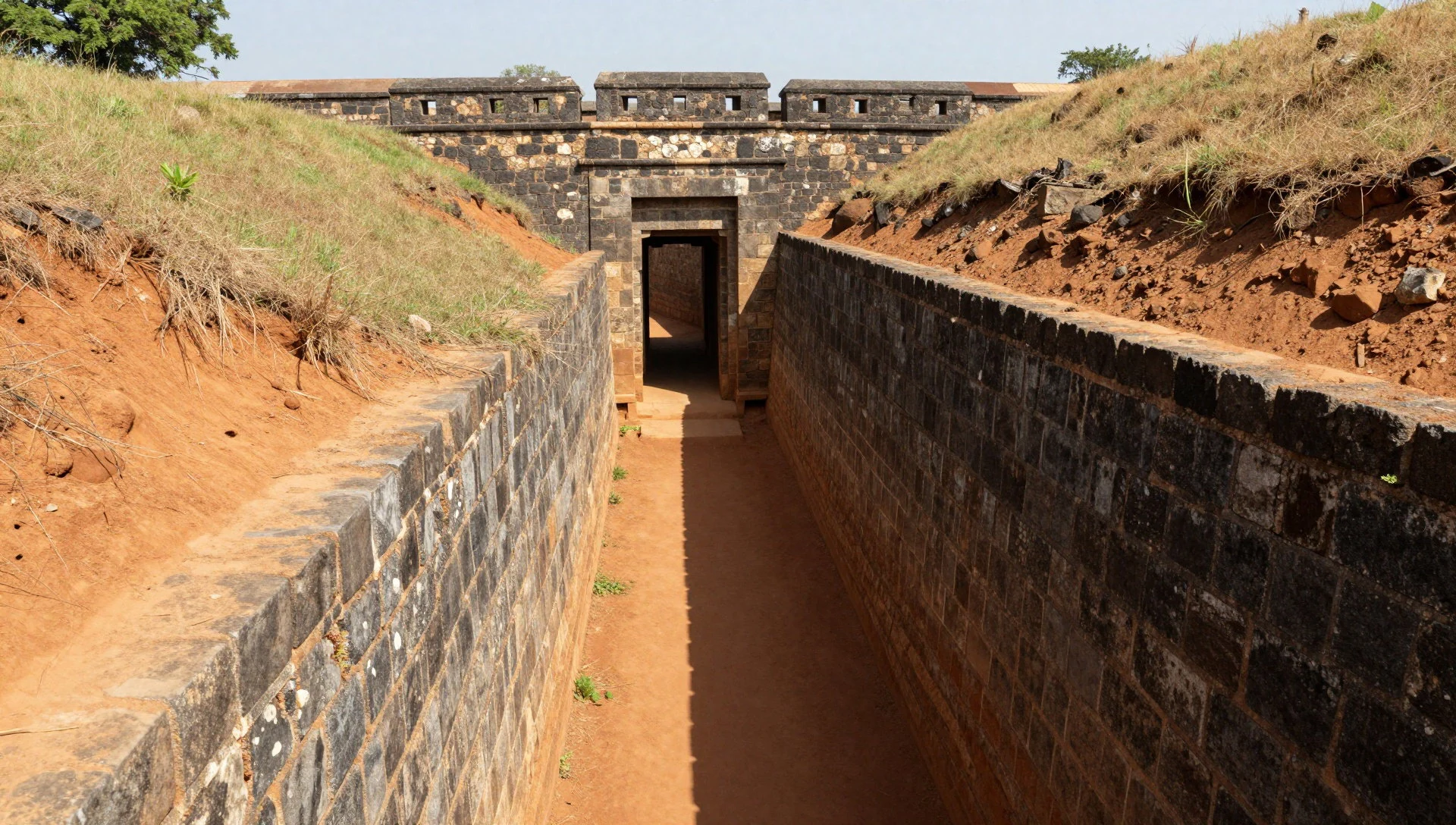
Culture
Ambohimanga is one of Madagascar’s strongest examples of a heritage site that hasn’t switched off its spiritual purpose. The hill and the rova are tightly tied to Merina identity, and the complex is still used as a place of worship where pilgrims come for ritual reasons. Because of that, the atmosphere can be more serious than typical “tourist history”.
There’s also a practical side to the culture. The commune around the site lives on agriculture and provides services to tourists and pilgrims, so you’ll see everyday life happening right alongside the heritage buildings. That mix is part of why the rova can feel grounded: it’s not isolated behind a fence.
Photography is a big boundary to respect. Even when you’re photographing the hill and courtyards, pause when people are in the middle of a prayer moment.
Dress-wise, aim for modest, practical clothing that works on a hillside: shoulders covered, long trousers or a long skirt, and shoes that won’t slip on uneven ground. Visitor numbers can vary, and the heat on the hill adds to the intensity of the visit.
Visitor etiquette: dress modestly and be mindful with photography in sensitive areas.
What to wear
At Ambohimanga, clothing should help you stay comfortable on a hillside while also respecting the site’s worship role. Traditional Merina textiles and attire are part of the wider cultural landscape of Imerina, often seen in ceremonial contexts and community events, but your day visit will usually be more practical than costume-heavy.
What many visitors wear now is simple: breathable tops, long trousers or a long skirt, and a light layer for evenings in the highlands. The terrain is uneven and can feel dusty, so closed shoes with grip matter. If you’re visiting around prayer times, modest coverage is especially important—shoulders and knees covered tends to read as respectful.
If you want to lean into the local style without going full formal, look for simple patterns or fabric textures inspired by Merina weaving—warm, earthy tones fit the highland setting. Even then, keep it functional: no heavy trailing fabric that catches on steps, and nothing that makes it hard to move between courtyards.
For the day’s planning, pack sun protection (hat, sunglasses, sunscreen) because the walk up to the rova can be exposed, and carry water. Religion and comfort aren’t separate here: good covering and sturdy footwear make the visit smoother for everyone.
What to eat
- Highland staples — Local eateries in and around Ambohimanga commune
Meals in the highlands often centre on filling staples served with vegetables that change with what’s available. Look for village-style home-cooked plates through local eateries.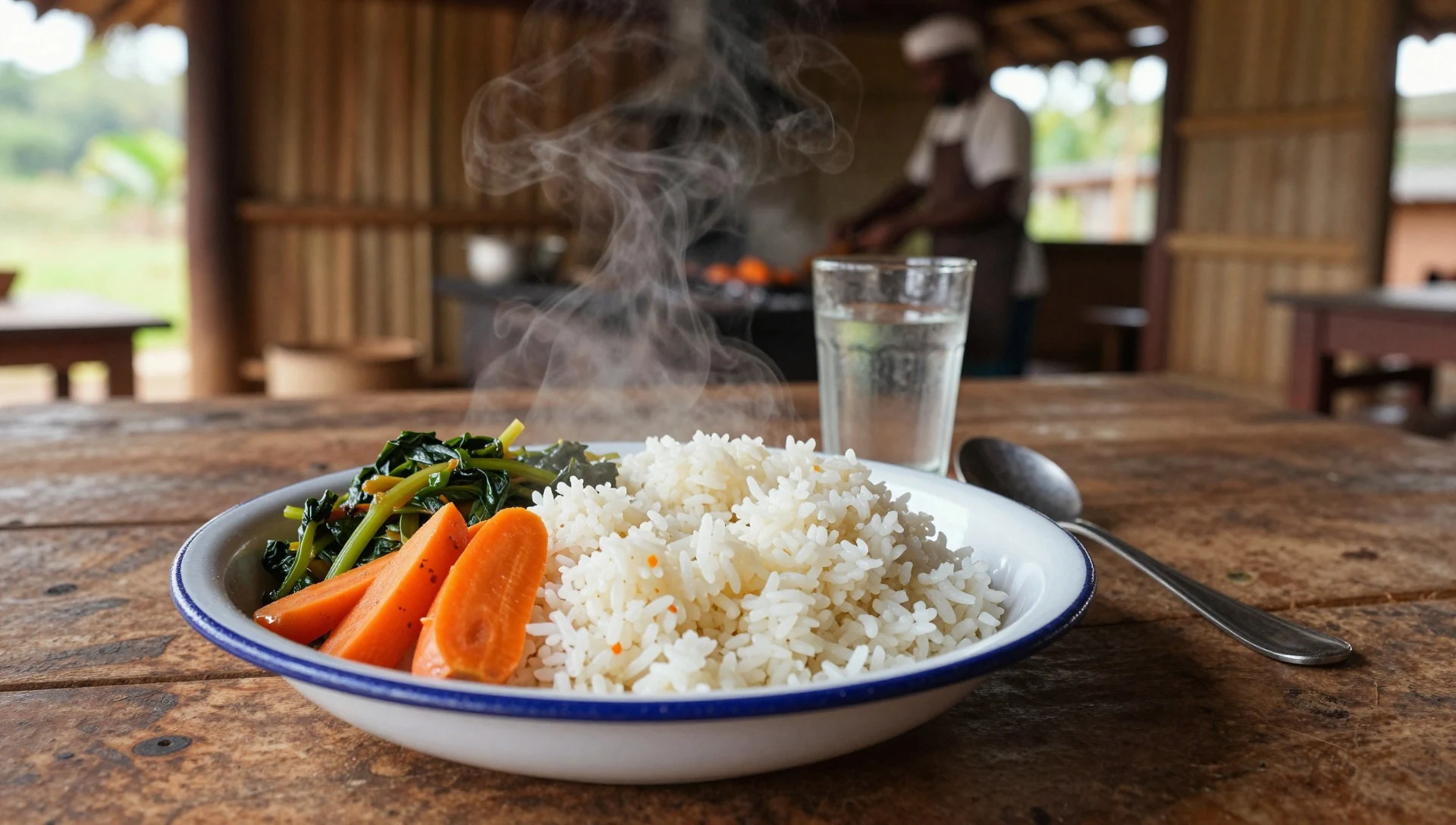
- Street snacks from small food stalls — Markets and roadside food areas near Antananarivo
On travel days, you’ll often see small stalls selling quick bites—snackable hot items and fried or roasted choices that are easy to eat while you move between viewpoints. Follow what’s busy rather than what’s shiny.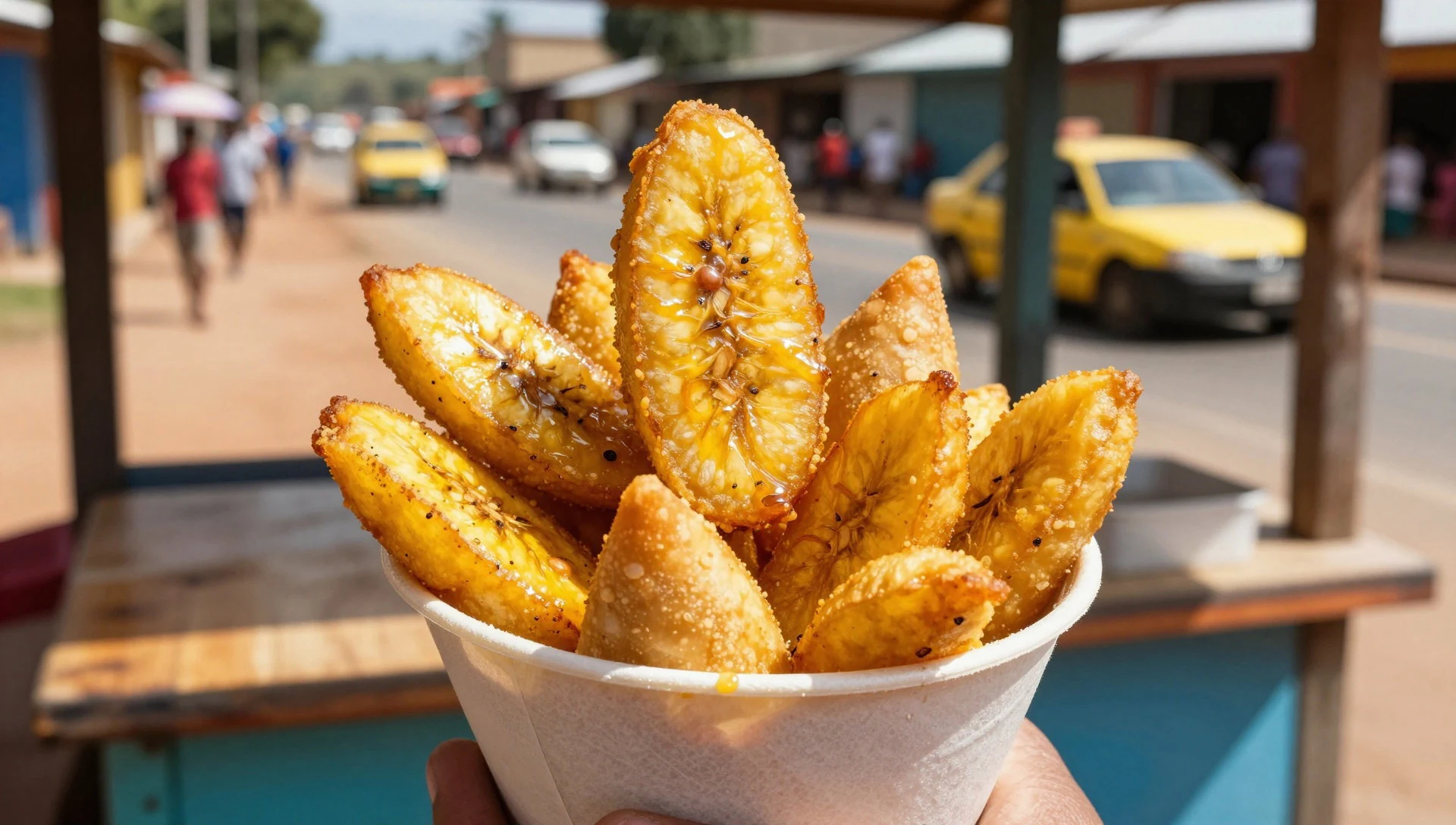
- Spiced grilled meats — Town-side grilling spots around Antananarivo
Grilled meat is a common highland comfort food, usually seasoned with local spices and served with rice or bread. It’s the kind of meal that works well after a hilltop walk when you want something simple and filling. - Fresh fruit and simple refreshments — Market fringes and small refreshment stalls
Expect fresh fruit drinks and seasonal fruit for breaks during hot parts of the day. These are usually the easiest, safest rehydration option when you’re between sightseeing stops. - Market-side broth or noodle bowls — Busy market lanes around Antananarivo
Warm bowls—broths and noodles—show up in market areas and help you balance travel fatigue. Choose a stall with steady turnover and eat there rather than carrying food far.
Plan it
Best time. The warmest months are January–February, while the wettest months are January and December. For the driest, easiest hill walking, aim for May–June or August–September, when rainfall is lowest.
How long. 2–3
Getting there. Fly into Antananarivo (the main hub for Madagascar), then take the last road leg to Ambohimanga; a local transfer will get you up to the commune and the hill approach.
Budget. mid
Tips
- Start the visit early to avoid the strongest sun on the hill.
- Use a local, multilingual guide at the site for clearer context on what you’re seeing in the rova.
- Plan your shots with care around the historic structures.
- Bring cash for small purchases around the commune and carry water for the climb.
Etiquette
- Respect that Ambohimanga is still used for worship—pause when people are practising.
- Photography guidance can vary around the historic buildings—follow what’s indicated on site.
- Wear closed, grippy footwear for uneven steps and paths.
Nearby
Sources
- Wikidata Q458167 (CC0)
- Wikipedia (rev 1365730023) (CC BY-SA 4.0)
- Wikivoyage (rev 4669318) (CC BY-SA 4.0)
- Photo photos/01-ambohimanga-14.jpg (CC BY-SA 2.0)
- Photo photos/02-view-of-ambohimanga-sacred-hill-madagascar.jpg (CC BY 3.0)
- Photo photos/03-ambohimanga-hill-madagascar-cropped-retouched.jpg (Public domain)
- Photo photos/04-andrianampoinimerina-hq.jpg (Public domain)
- Photo photos/05-ambohimanga-madagascar-complete-defenses-1981.jpg (CC BY 3.0)
- Photo photos/06-ambohimanga-0610.jpg (CC BY-SA 1.0)
- Photo photos/07-ambohimanga-18.jpg (CC BY-SA 2.0)
- Photo photos/08-madagascar-rova-ambohimanga-courtyard-sacred-tree.jpg (CC BY 3.0)


