Te Waikoropupū Springs
Te Waikoropupū Springs, New Zealand
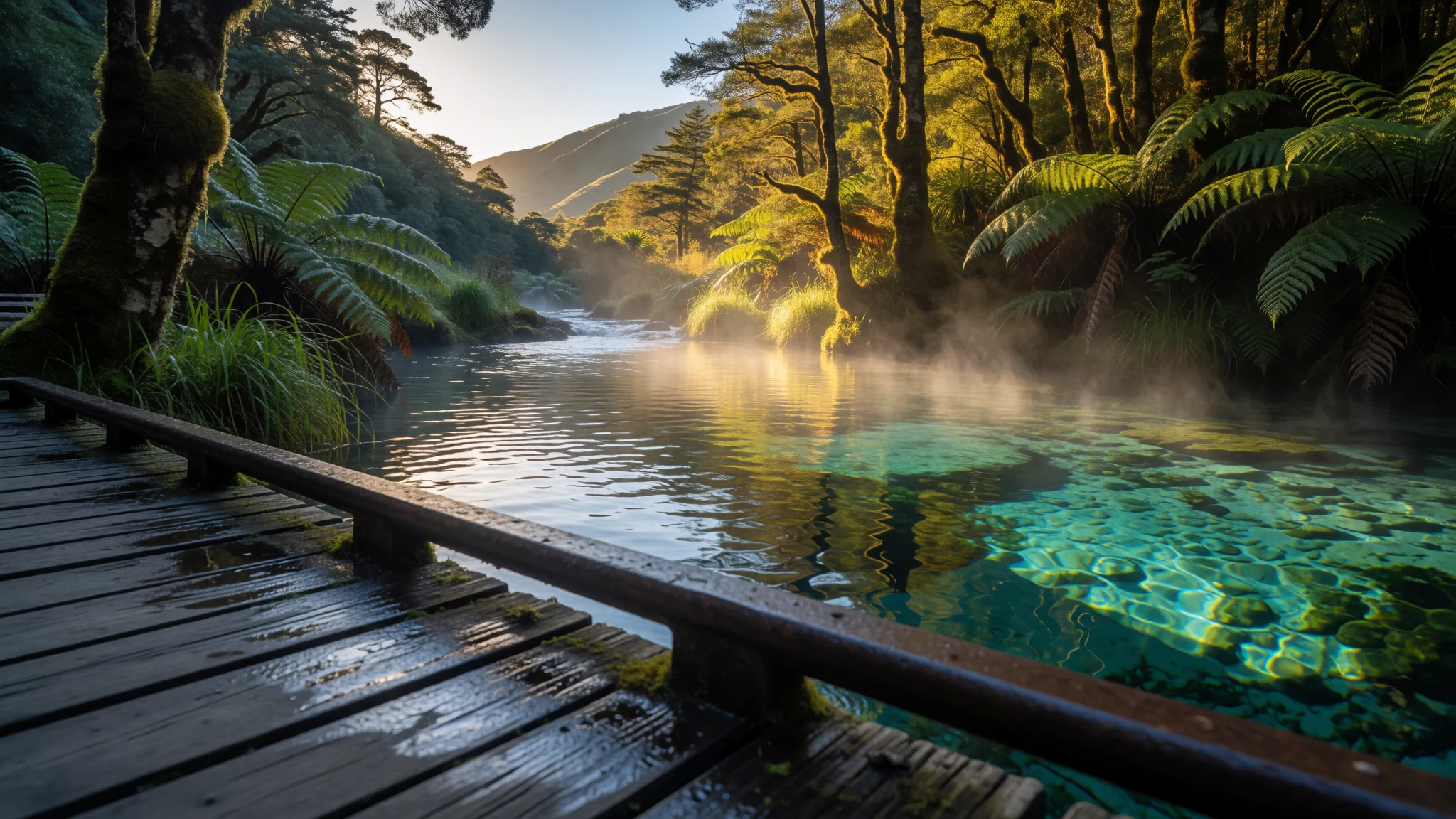
Visit Te Waikoropupū Springs to witness the largest cold-water springs in the Southern Hemisphere, famed for their astonishing underwater visibility.
The place
Nestled near the township of Tākaka in Golden Bay, Te Waikoropupū Springs are a profound natural wonder in the Tasman District of New Zealand's South Island. Also known locally as Pupu Springs or Waikaremumu Springs, this site is defined by the extraordinary purity and sheer volume of the water it discharges. The subterranean journey that feeds the springs filters the water through ancient rock strata, resulting in an optical clarity that allows visitors to gaze deep into submerged aquatic plant life as if looking through clear air. These freshwater springs feed the short Te Waikoropupū River, which soon joins the broader Tākaka River flowing toward the sea. The surrounding landscape carries the lush, temperate character typical of the northern South Island, where forest meets rugged valley floors. Legal protection of the site has been strengthened significantly through a dedicated water conservation order covering both the springs and the underlying Wharepapa Arthur Marble Aquifer, placing them under the highest tier of environmental safeguards available to water bodies in the country. Travellers arriving at the reserve follow established tracks that wind through native bushland, designed carefully to keep foot traffic from disturbing the fragile margins of the pool. The atmosphere beneath the canopy is quiet and still, broken mostly by the sound of rushing water and native bird calls echoing through the ferns and beech trees.
Its story
Long before European cartographers mapped Golden Bay, Te Waikoropupū Springs held a profound place in the traditions and spiritual life of local Māori. In indigenous knowledge, the springs are considered wāhi tapu, a sacred place imbued with deep spiritual power and protected by ancestral guardians known as kaitiaki. Māori tradition recounts the presence of water spirits, or taniwha, residing within the depths of the crystal pool, demanding utmost respect from those who approached the water's edge. Historically, the waters were used for sacred rituals, healing practices, and ceremonial blessings, cementing an unbroken bond between the indigenous custodians and the spring. The name itself reflects the bubbling movement of the water rising from subterranean chambers. When European settlers arrived in the nineteenth century, they quickly recognised the unusual nature of the hydrological system, initially valuing the site for its potential industrial uses before conservation values eventually took precedence. Modern management of the springs involves close consultation with local iwi, ensuring that cultural narratives and customary protocols guide how visitors experience the landscape. This cooperative stewardship recognises that the springs are not merely a scenic attraction for travellers, but a living ancestral treasure whose health is inextricably linked to the well-being of the land and its people. Understanding this heritage transforms a simple nature walk into an encounter with a landscape shaped equally by geological forces and centuries of human reverence.
What to see
- The Main Viewing Platform
A timber boardwalk loops gently above the water's edge, offering uninterrupted views down into the crystal-clear depths where aquatic plants sway in the current. Visitors must stay strictly on the elevated walkway to protect the delicate ecosystem.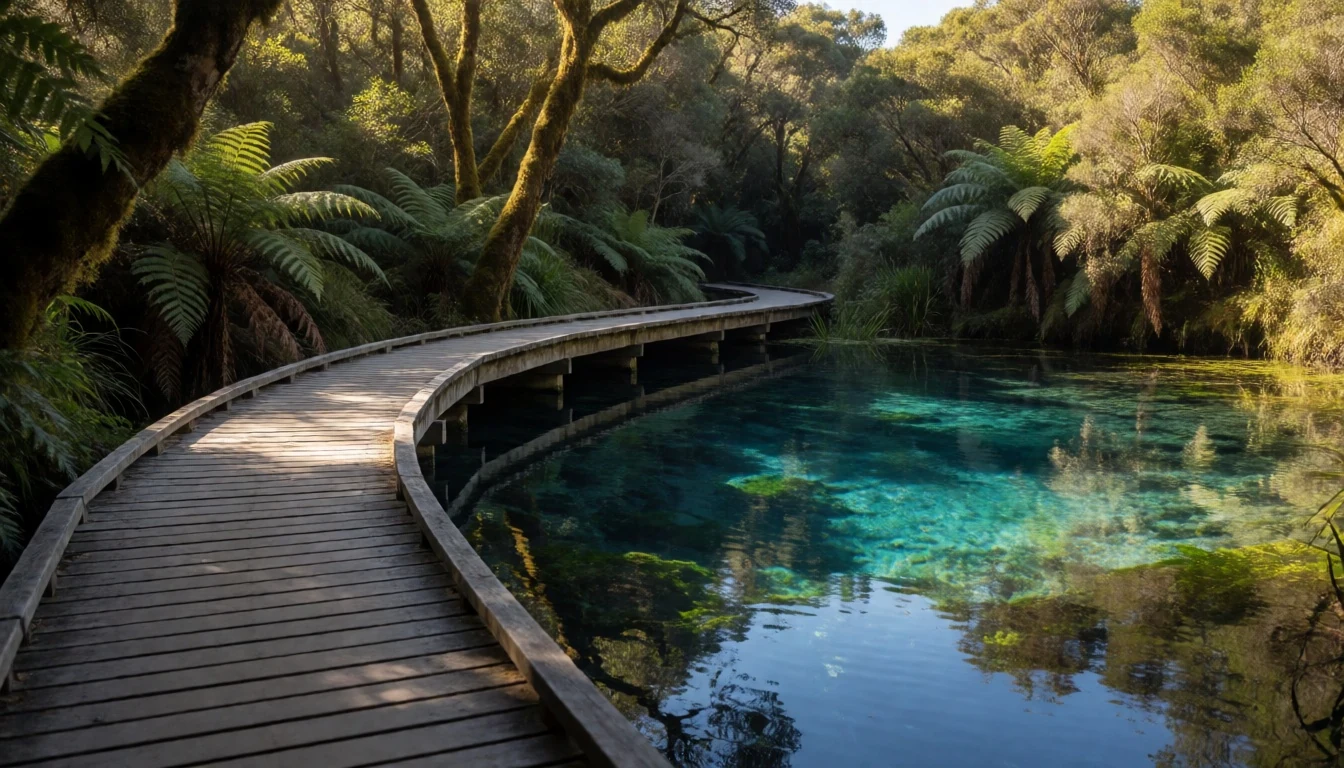
- The Tākaka Valley Approach
The scenic road leading down into Golden Bay winds past dramatic limestone outcrops and pastoral farms, framing the gateway to the northern reaches of the South Island. It offers striking vistas before you reach the coastal lowlands.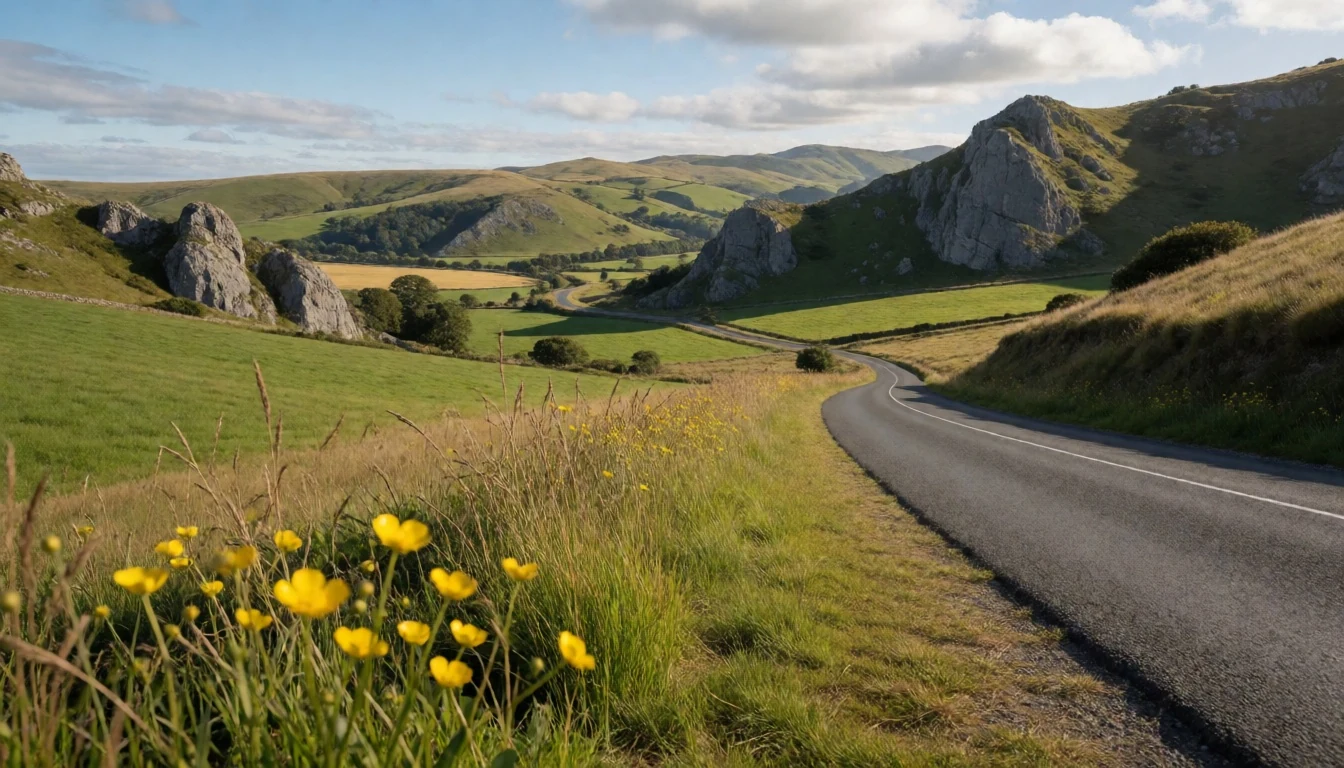
- Te Waikoropupū River Track
A short, shaded walking trail follows the outflow of the springs as the pristine water rushes away toward the Tākaka River. Ferns, mosses, and native trees line the banks in a serene microclimate.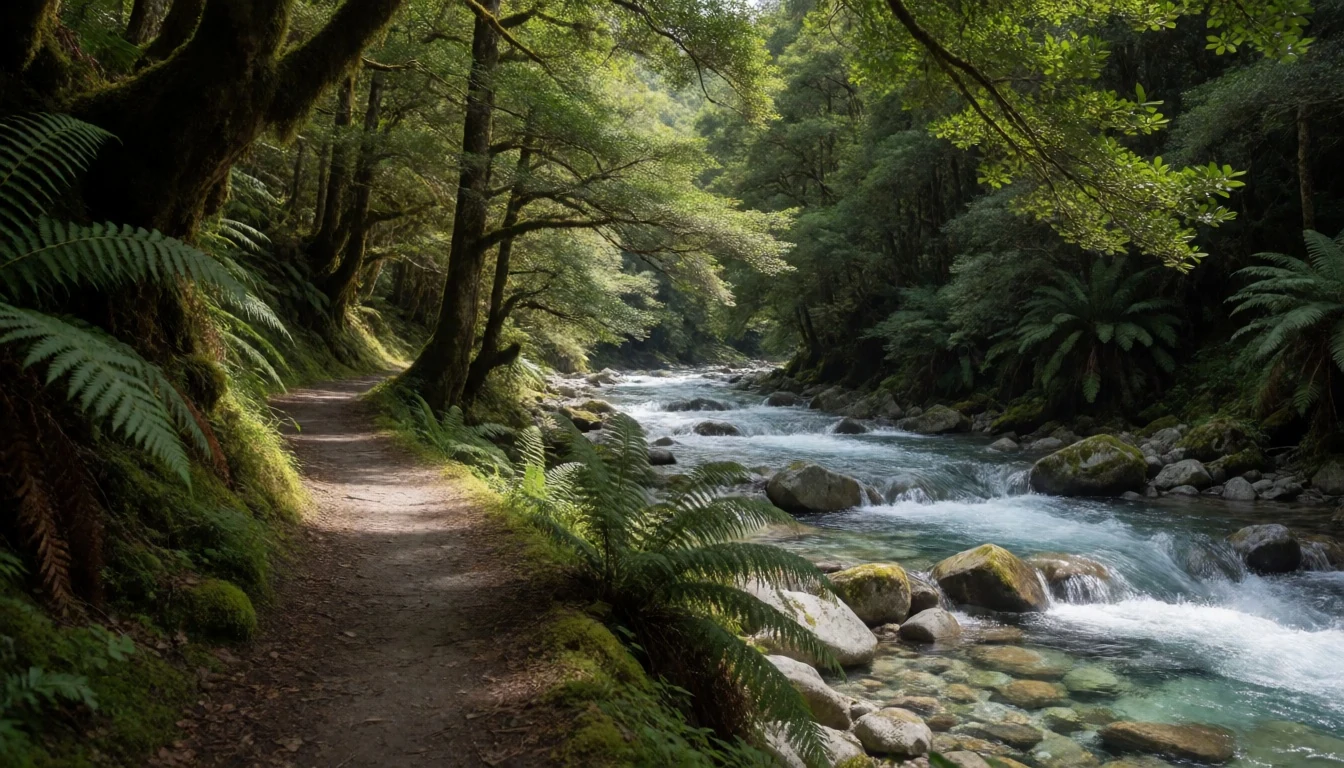
- Golden Bay Coastline
A short drive from the springs brings you to expansive golden sand beaches and calm tidal estuaries where the Tasman Sea meets sheltered inlets. It is a peaceful coastal region favoured by artists and nature lovers.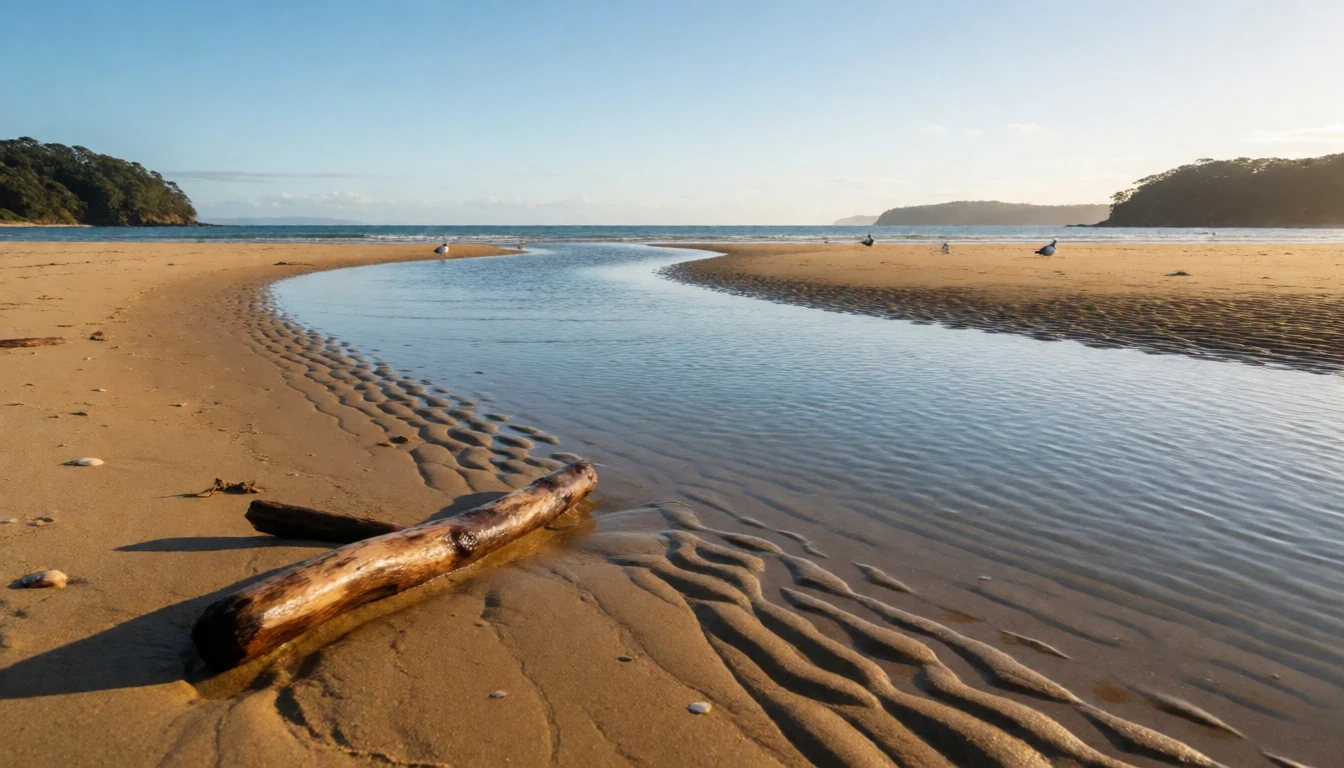
Culture
New Zealand society is generally warm, egalitarian, and sociable, though locals often maintain a polite distance with strangers until a conversation is properly underway. Politeness is woven into everyday interactions through frequent expressions of gratitude, and an initial refusal of an offer is often just polite banter that expects a gentle follow-up question. If you need directions or local advice, do not hesitate to initiate a conversation, as locals are typically eager to assist visitors and share knowledge about their region. When visiting someone's home, bringing a small token such as biscuits or store-bought cake is considered gracious. In Māori culture, protocols around sacred waters and ancestral lands are taken very seriously, reflecting a worldview where nature and people are inseparable. Never touch, swim in, or place anything into the water at Te Waikoropupū Springs.
What to wear
Traditional Māori garments, historically woven from native flax leaves known as harakeke and often adorned with intricate geometric taniko borders or dog skin, were crafted to endure the maritime climate while signalling tribal status and lineage. Today, New Zealanders dress in a relaxed, practical style suited to an active outdoor lifestyle, favouring comfortable denim, knitwear, and sturdy footwear over formal attire. Visitors should pack versatile layers, as weather conditions in the Tasman District can shift rapidly from bright sunshine to cool coastal breezes or sudden showers. For exploring walks around Te Waikoropupū Springs and the surrounding Golden Bay area, comfortable walking shoes or light hiking boots with good grip are essential, along with a waterproof jacket, a warm fleece for cooler evenings, and sun protection including a hat and sunglasses.
What to eat
- Meat Pies — Any local bakery or small-town dairy
A quintessential New Zealand staple featuring flaky pastry filled with minced beef, steak and cheese, or savoury gravy. You can find them warm and ready to eat at any local bakery or village dairy.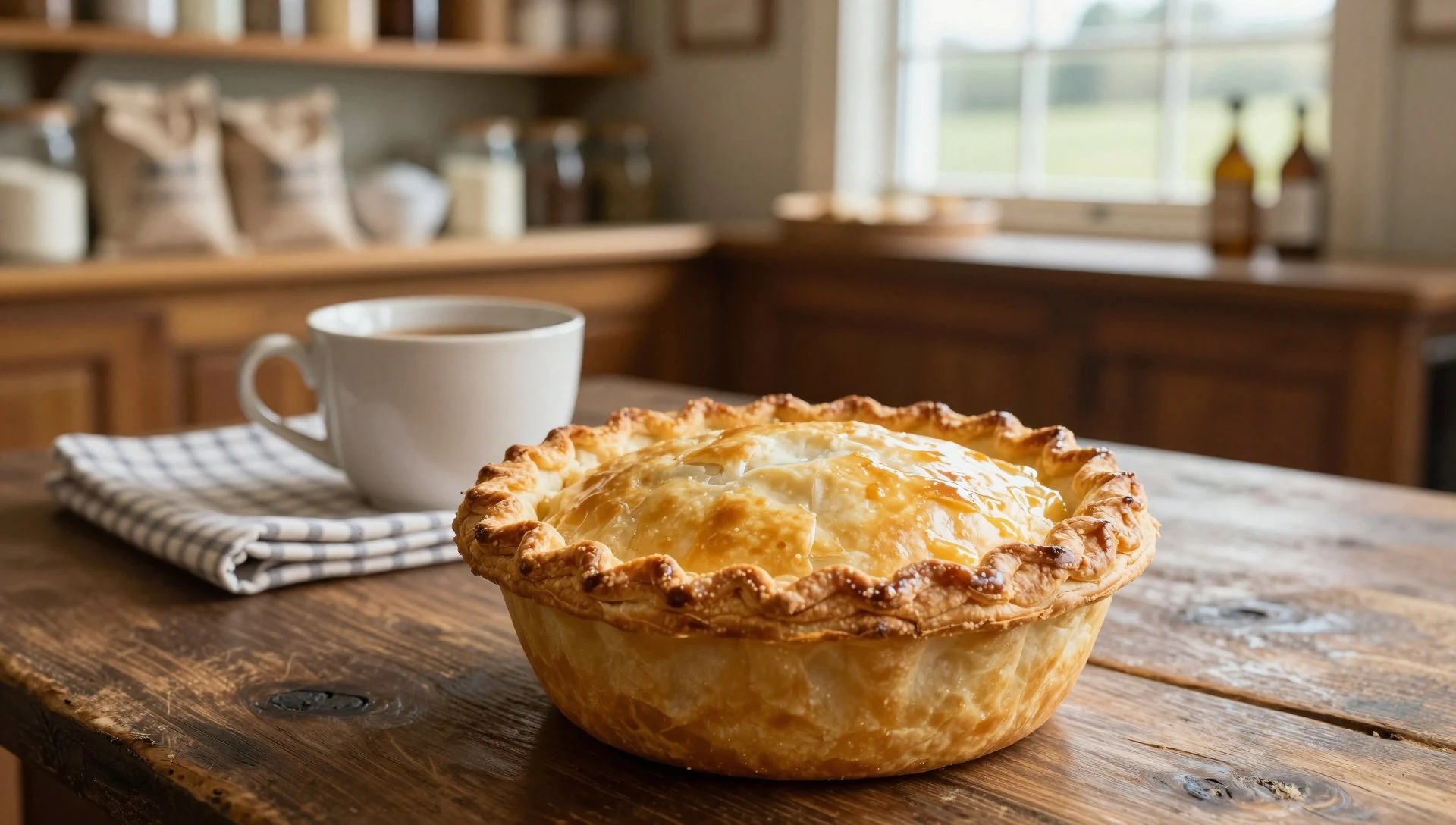
- Fish and Chips — Coastal takeaway shops and seaside eateries
Freshly battered local fish served with thick-cut hot chips, traditionally wrapped in paper and enjoyed near the coast or beside a riverbank on a warm afternoon.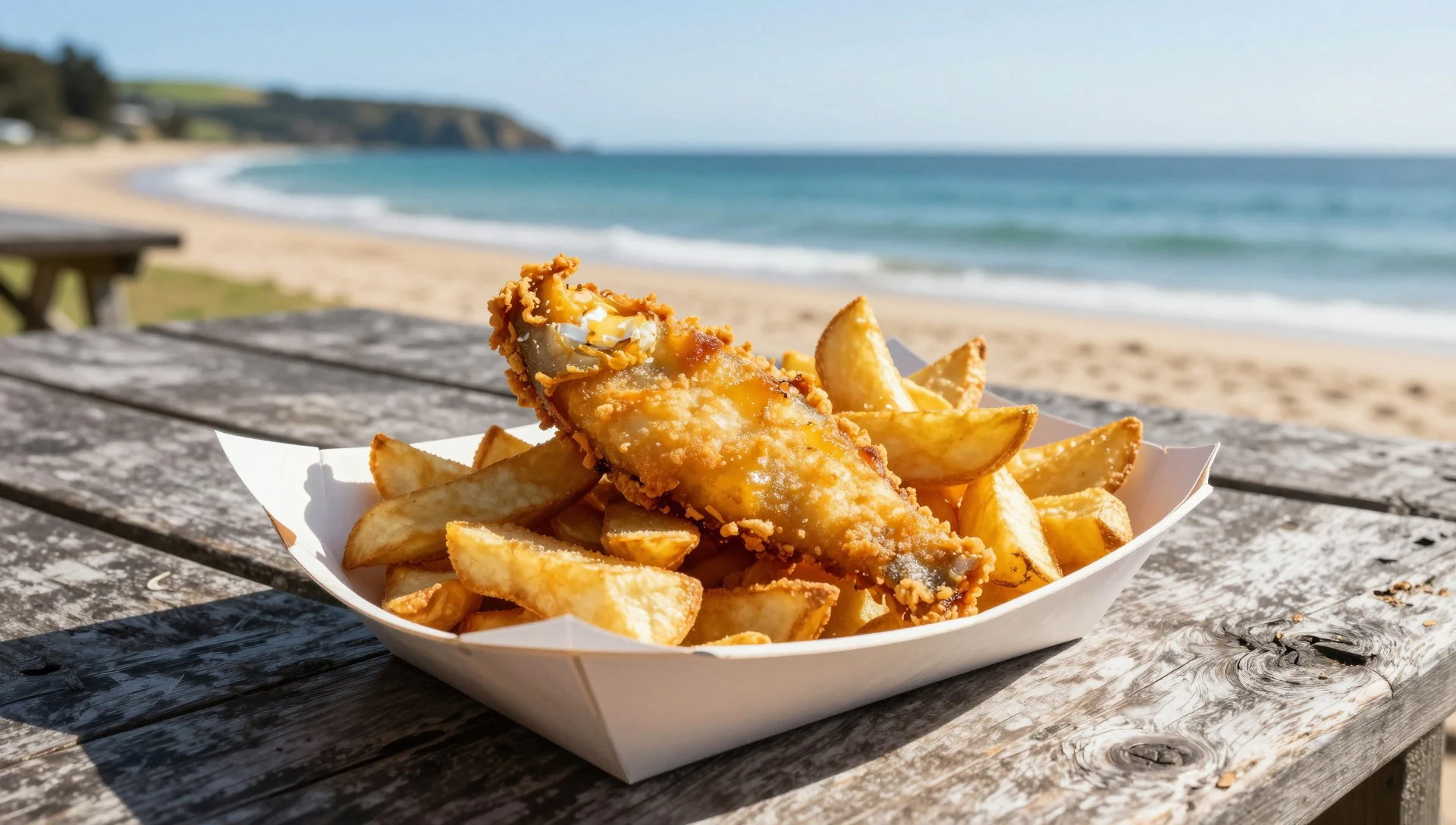
- Flat White Coffee — Local cafés in Tākaka and regional townships
An iconic espresso drink featuring microfoamed milk poured over a double shot of espresso, born out of the country's celebrated café culture. - Hāngī — Special cultural events and community gatherings
A traditional Māori method of cooking food buried in an earth oven heated by hot stones, infusing meats and root vegetables with a distinct, earthy flavour.
Plan it
Best time. The southern summer months offer the warmest weather and longest daylight hours for exploring Golden Bay and the northern South Island.
How long. 2–3
Getting there. Fly into Nelson or Wellington, rent a vehicle, and drive over the scenic hill roads toward Tākaka and Golden Bay.
Budget. mid
Tips
- Stay strictly on the designated walking tracks and boardwalks
- Carry layers of clothing as coastal weather changes quickly
- Keep cash handy for small rural shops and country markets
- Book accommodation in advance if visiting during peak holiday periods
Etiquette
- Never touch or enter the water under any circumstances
- Respect local Māori conservation values and cultural signage
Nearby
Sources
- Wikidata Q2398231 (CC0)
- Wikipedia (rev 1364832040) (CC BY-SA 4.0)
- Wikivoyage (rev 5402739) (CC BY-SA 4.0)