Taxila
Taxila, Pakistan
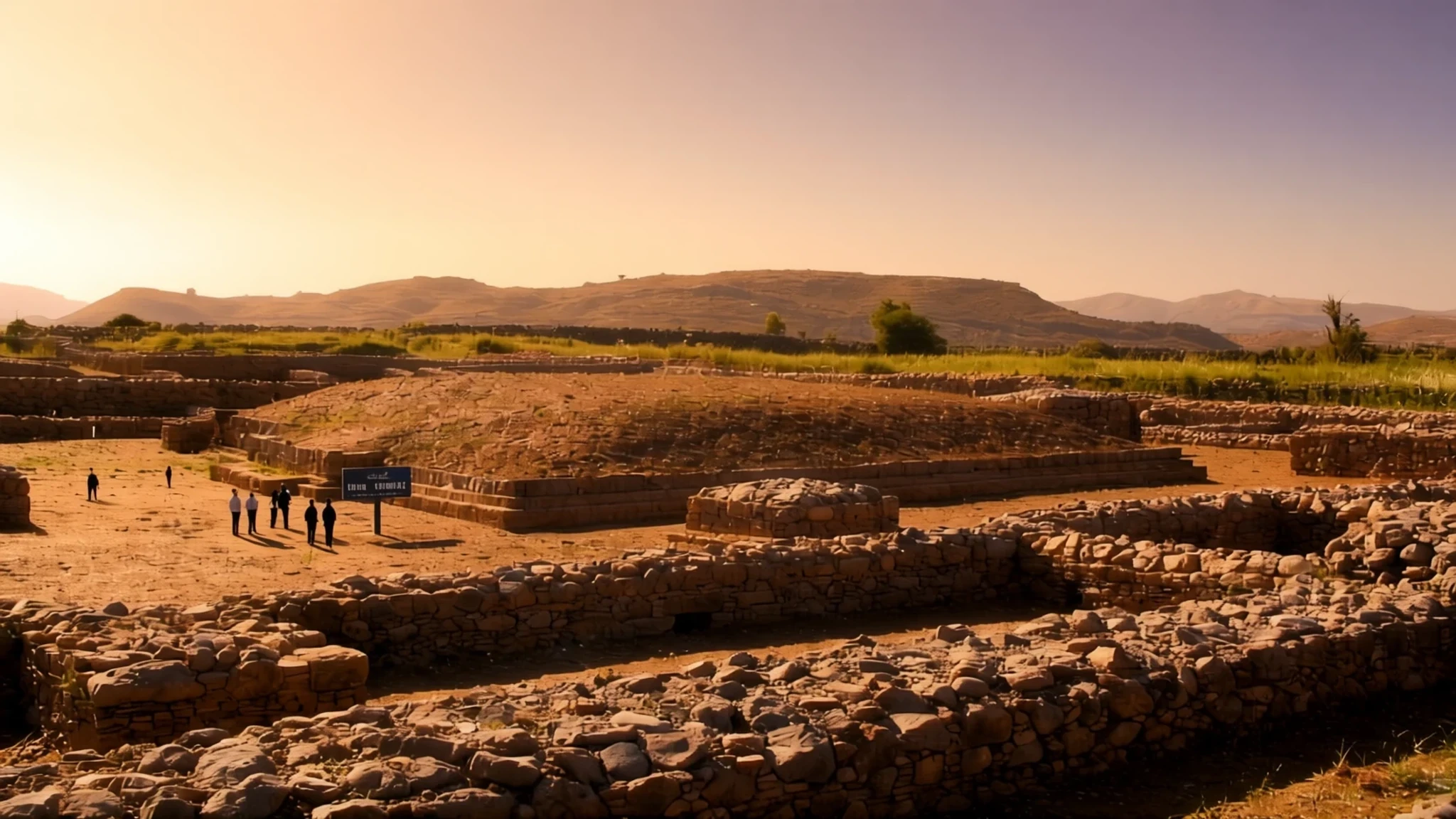
Taxila offers an extraordinary journey through ancient layered kingdoms, world-renowned Buddhist monasteries, and pivotal archaeological ruins bridging South and Central Asia.
The place
Taxila rests upon the eastern bank of the Indus River in the Punjab province of Pakistan, functioning historically as a vital crossroad where South Asian and Central Asian routes converged. Founded around the early first millennium BCE, this World Heritage Site encompasses a vast valley filled with remnants of past civilisations. Modern Taxila is an intriguing mix of bustling urban housing colonies built for industrial and academic workers, alongside quieter agricultural and rural tracts.
The municipal area supports a growing community, yet the main draw remains the sprawling collection of ancient mounds, stupas, and fortified cities that span several square kilometres. Visitors moving through the valley encounter archaeological layers that reveal centuries of continuous human habitation, trade, and architectural evolution.
The local climate brings distinct seasons, featuring warm summers and cooler winters that make spring and autumn the ideal periods for exploration. Navigating the scattered sites requires thoughtful planning, as the ancient ruins, monastic complexes, and the central museum are spread across the wider district rather than clustered into a single compact zone. Travellers find an atmosphere of quiet scholarly contemplation juxtaposed with the lively hum of contemporary Pakistani town life, where roadside tea stalls stand within sight of ancient Greco-Bactrian and Kushan masonry.
Its story
The historical narrative of Taxila is written deep into the soil of the Punjab, beginning with prehistoric hunter-gatherers and early farming communities that established themselves along the valley streams long before recorded history. Archaeological excavations at early valley settlements demonstrate a steady progression from polished stone tools and basket-marked pottery to wheel-thrown ceramics that reflect expanding trade networks across the northern plains.
By the middle of the first millennium BCE, Taxila had emerged as a flourishing regional capital within the Gandhāra civilisation. Imperial powers swept through in succession, starting with Persian administrators under the Achaemenid dominion. When Alexander the Great marched his armies into the region, local rulers readily submitted, opening the door for Mauryan rulers.
Tradition holds that future emperors governed the province in their youth, turning the municipality into a legendary hub of learning and philosophy that attracted students from across distant realms. Following the Mauryans, successive waves of Indo-Greeks, Indo-Scythians, Indo-Parthians, and Kushans established new administrative capitals nearby, each leaving behind distinctive architectural signatures, Hellenistic street layouts, and intricate Buddhist sanctuaries before changing trade routes and invasions eventually brought an end to the ancient city's golden era.
What to see
- Bhir Mound — Central Taxila archaeological zone
Bhir Mound represents the oldest urban settlement discovered in Taxila, originating around the sixth century BCE. Walking across this excavated mound reveals the tangled foundations of ancient domestic houses, winding alleys, and ancient drainage systems that illustrate early urban planning in the Punjab valley long before later empires reshaped the regional landscape.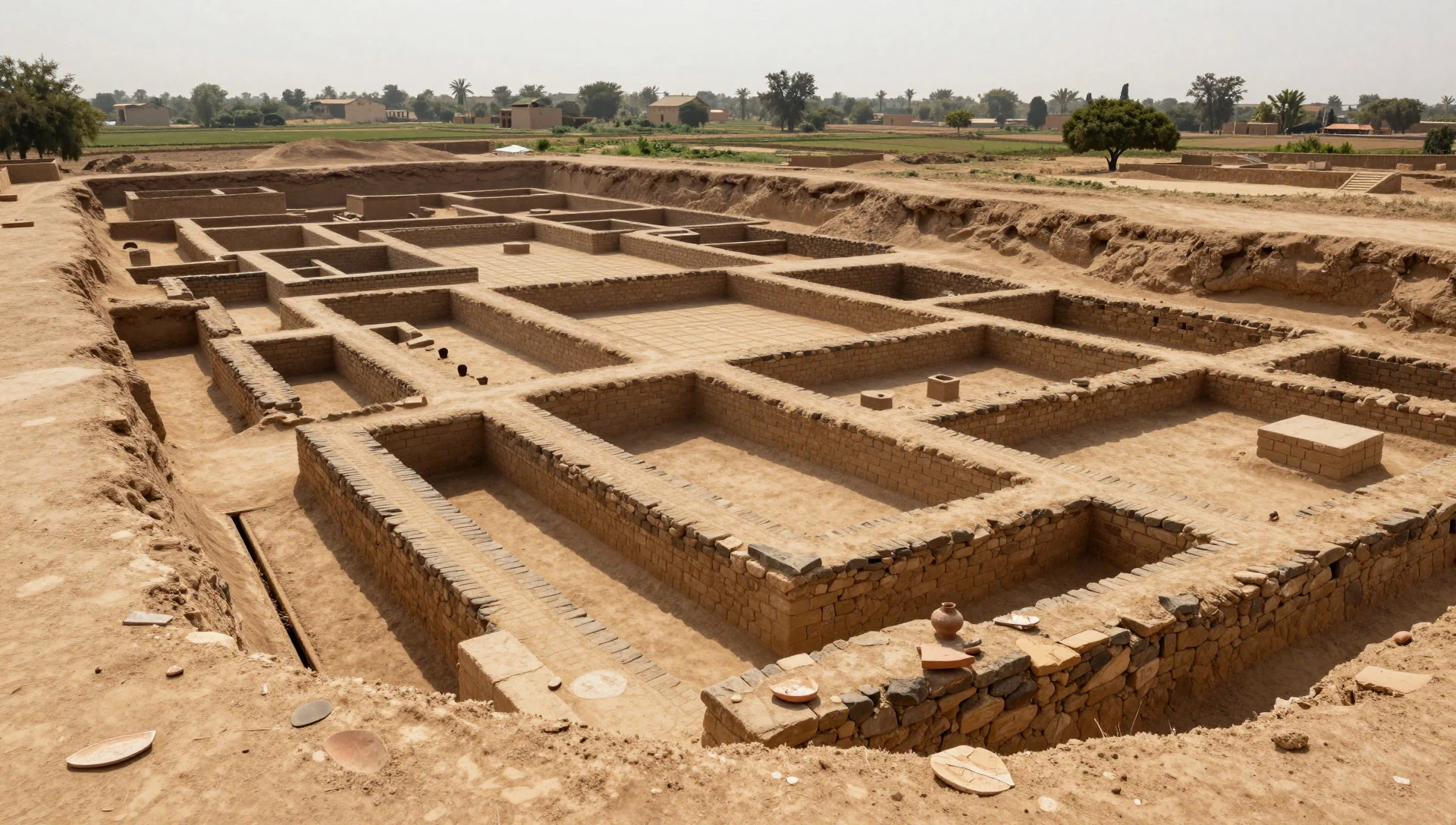
- Sirkap — Taxila valley archaeological park
Sirkap was established as a planned walled city by Greek rulers in the second century BCE and later rebuilt by subsequent kingdoms. The site features orthogonal streets, defensive stone walls, ancient shrines, and residential foundations that showcase a fascinating fusion of Hellenistic grid town planning with local South Asian religious traditions.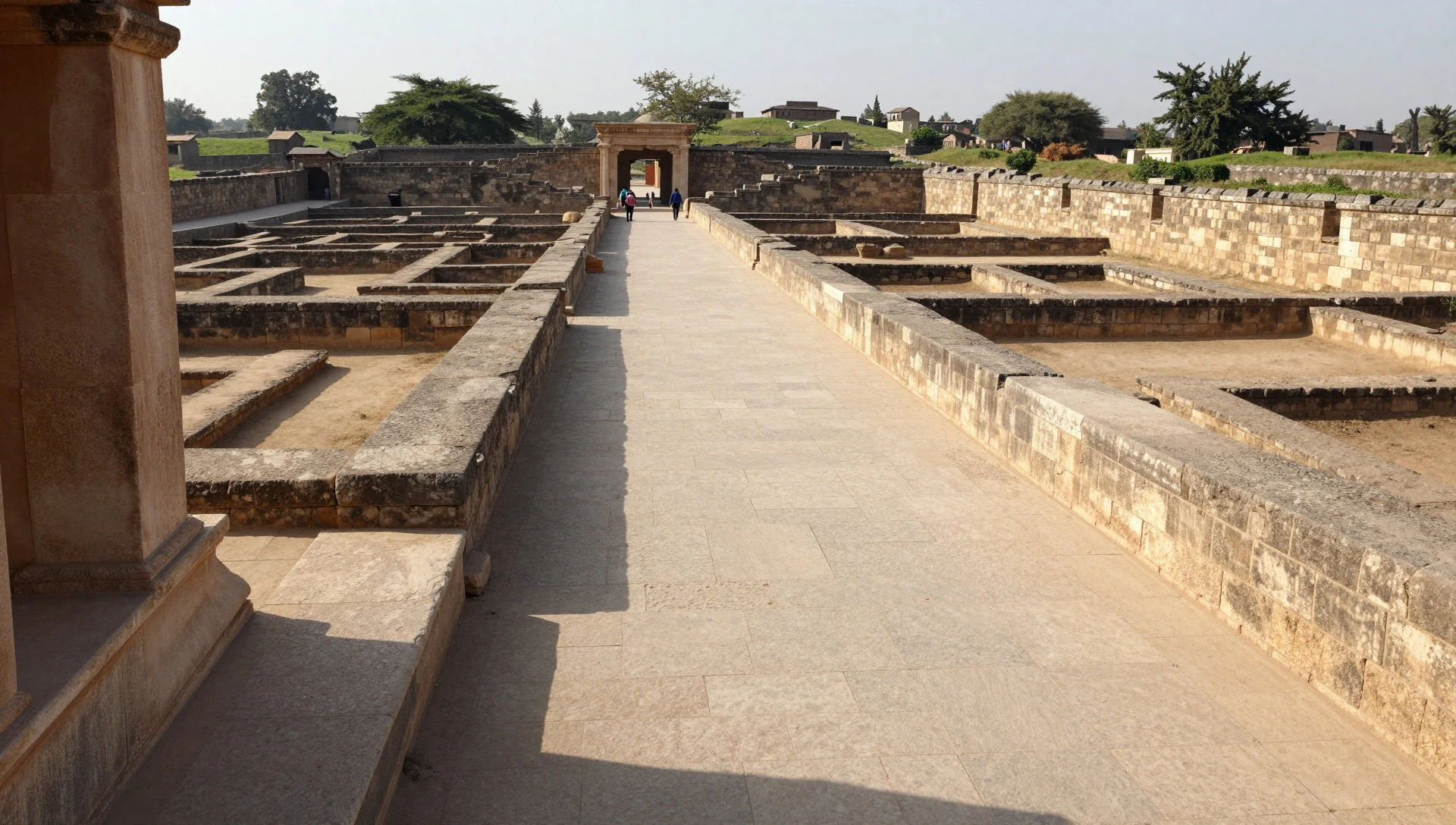
- Dharmarajika Stupa and Monastery — Eastern sector of Taxila valley
Dharmarajika is the largest and most prominent Buddhist monastic complex in the area, featuring a massive central stupa surrounded by numerous smaller votive shrines and monastic quarters. This expansive sanctuary served as a major centre for Buddhist devotion and scholarship during the peak of the ancient monastic period across the valley.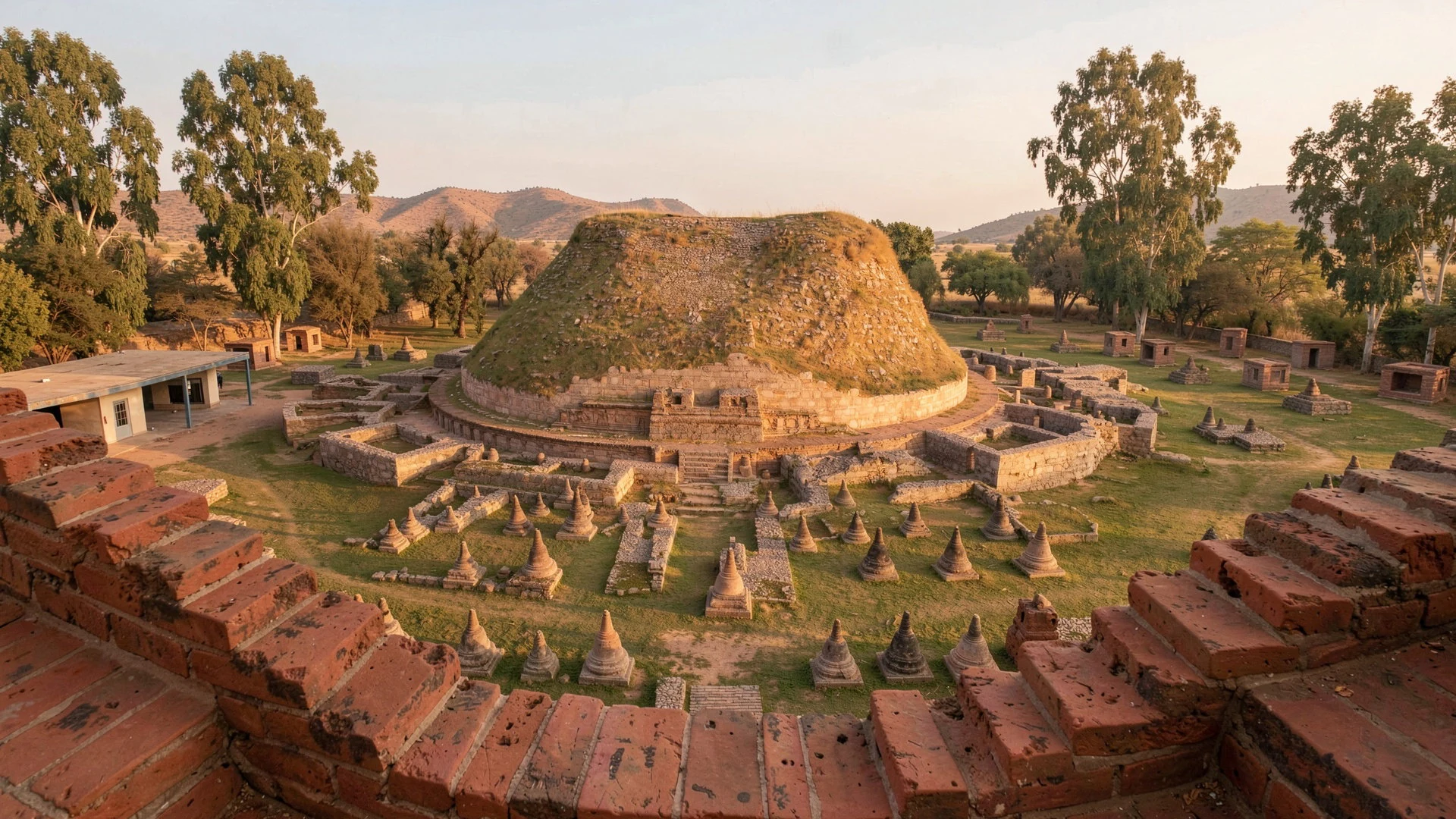
- Jaulian Buddhist Monastery — Hillside northeast of main ruins
Jaulian is a remarkably well-preserved mountain monastery perched on a hillside overlooking the valley, retaining intricate stucco reliefs and rows of seated Buddha figures around its main stupa platform. The secluded hilltop setting provides a profound sense of the monastic isolation sought by ancient scholars and monks who lived and studied here.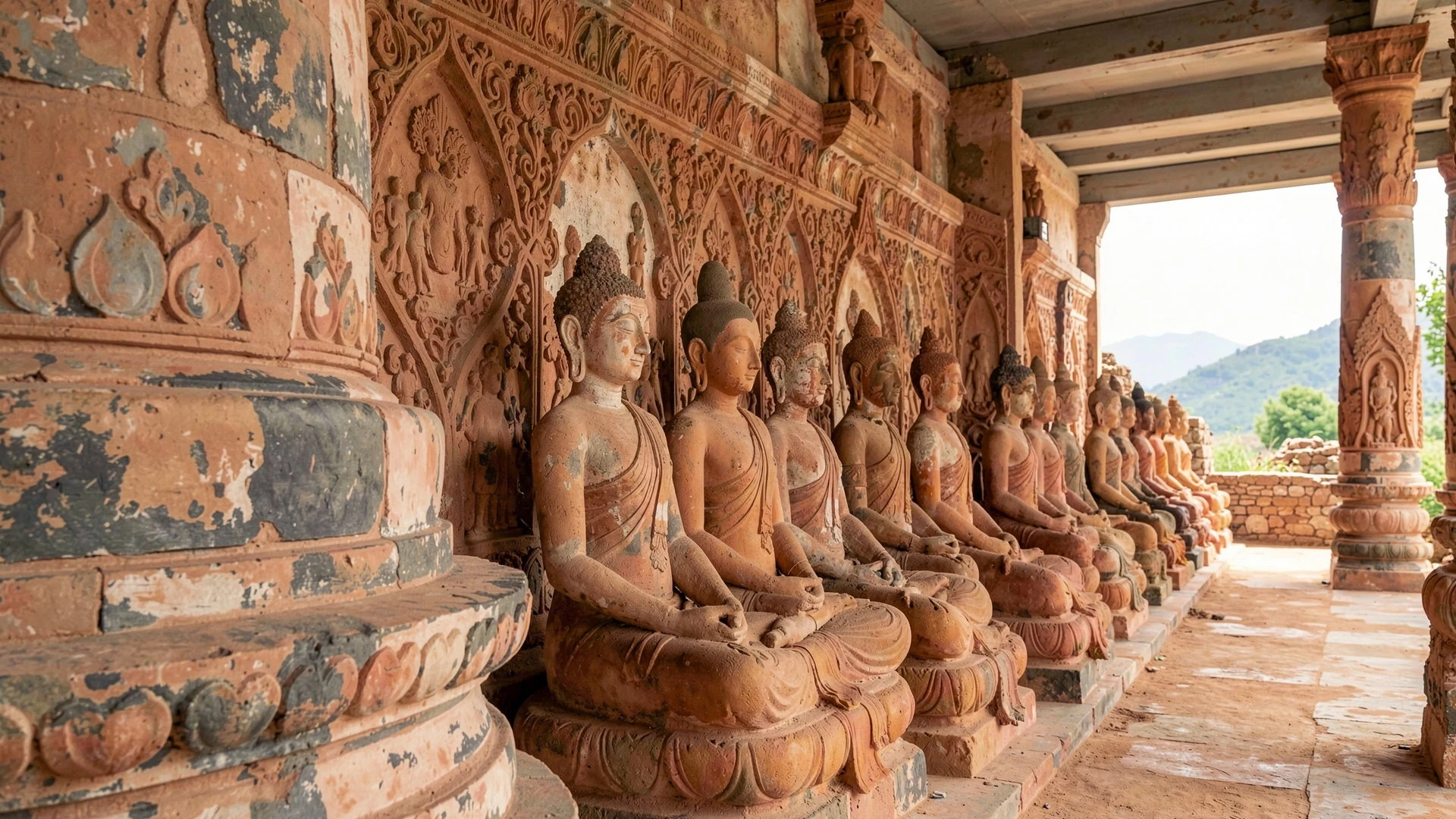
- Taxila Museum — Near the central railway station
Taxila Museum houses an extraordinary collection of stone Buddhist sculptures, terracotta figurines, coins, jewellery, and domestic artefacts recovered from the surrounding archaeological excavations. The galleries provide an essential overview of the region's artistic heritage, particularly the distinctive Gandhār style that blended classical Western artistic techniques with traditional eastern iconography.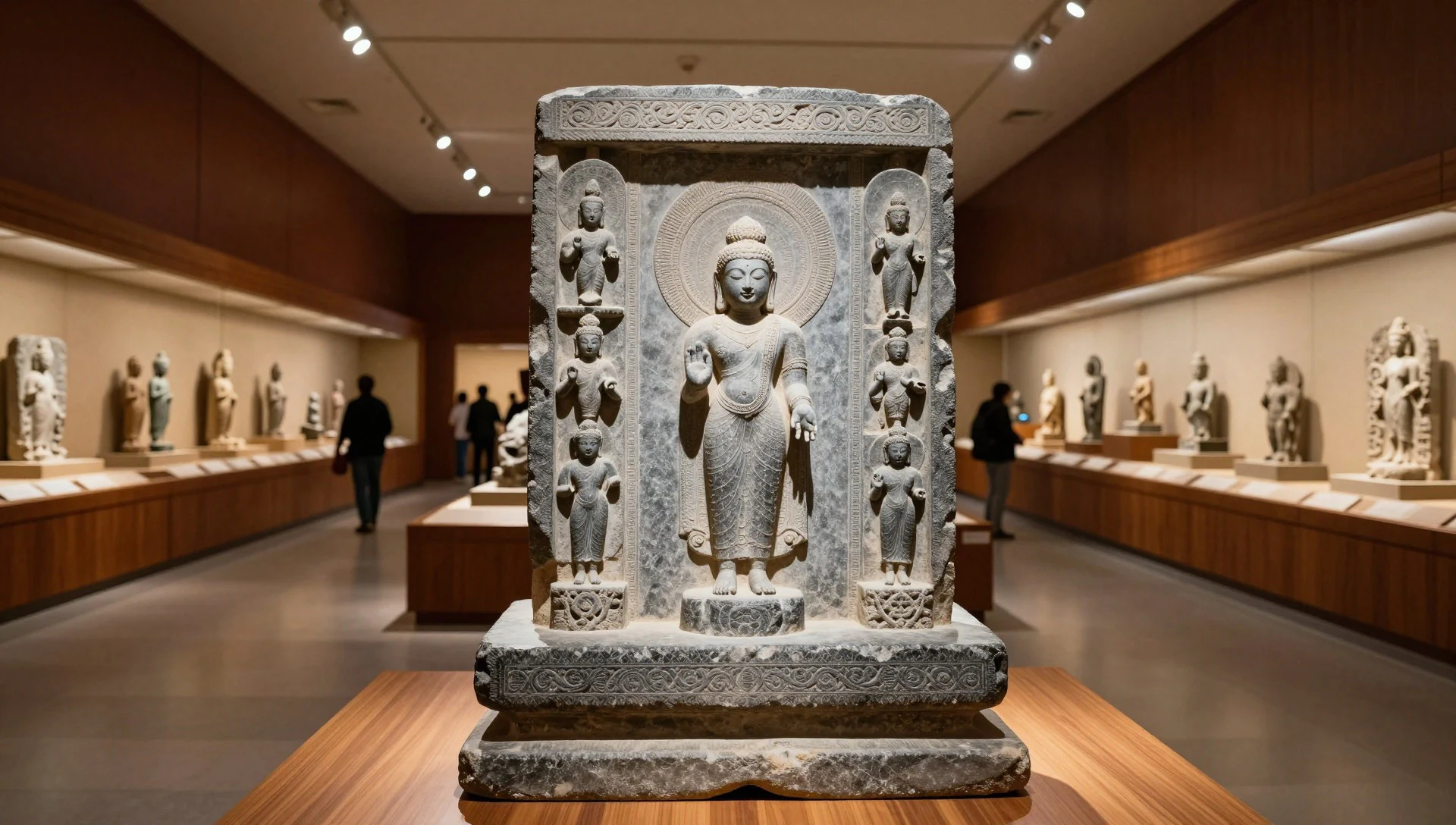
Culture
Modern Taxila sustains a vibrant community culture shaped by both its traditional Punjabi roots and the influx of professionals working within local educational institutes, technical complexes, and healthcare facilities. Hospitality remains a central pillar of daily interaction, where visitors are frequently greeted with warmth and offered a cup of freshly brewed tea in local markets and roadside eateries. Traditional crafts and agricultural rhythms still influence rural settlements surrounding the urban core, while public spaces hum with lively conversation and community gatherings. Religious observances are practiced with deep devotion across the district, reflecting the peaceful coexistence of community traditions. Visitors to Taxila should dress modestly, covering shoulders and knees when exploring local neighbourhoods and religious monuments.
What to wear
Traditional dress in Taxila and the surrounding Punjab region reflects both practical adaptations to seasonal weather and deep-seated cultural norms. Men commonly wear the shalwar kameez, a traditional outfit consisting of loose trousers paired with a long tunic, often accompanied by a cotton shawl or chador during cooler winter months. Women also wear the shalwar kameez, frequently crafted from comfortable cottons for summer and warmer wool or khaddar fabrics for winter, often accompanied by a flowing dupatta scarf draped over the shoulders. Modern urban residents in Taxila frequently adopt contemporary casual wear alongside traditional garments, particularly among students and young professionals working in institutional housing colonies. Visitors should opt for modest, loose-fitting clothing that covers shoulders and legs, ensuring comfort during long days of walking through dusty archaeological sites while respecting local cultural sensitivities.
What to eat
- Classic Pakistani Karahi — Local restaurants along Khanpur Road
A rich, tomato-based curry cooked quickly in a heavy wok-like iron vessel with ginger, green chillies, and tender pieces of chicken or mutton.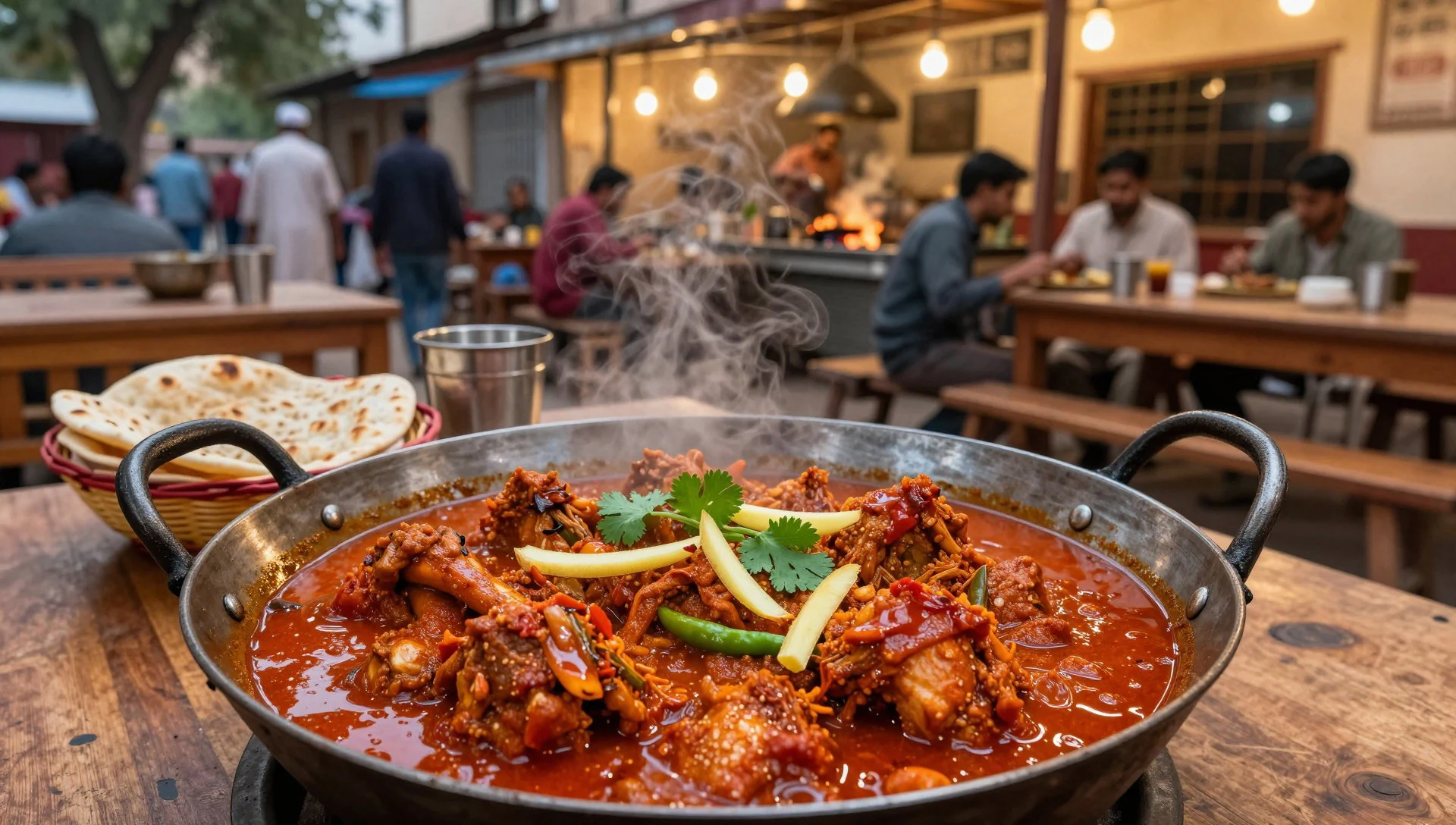
- Fresh Fried Fish — Traditional roadside eateries near the town centre
Locally sourced river fish seasoned with spices, dipped in a light batter, and fried until crisp and golden brown.
- Tandoori Naan and Kebabs — Roadside dhabas along the Grand Trunk Road
Freshly baked flatbreads pulled straight from clay ovens, paired with smoky, skewered minced meat kebabs grilled over hot coals. - Spiced Dhabas Chai — Tea stalls outside the museum and railway station
Strong black tea brewed slowly with milk, sugar, and aromatic spices such as cardamom, served steaming hot in small cups.
Plan it
Best time. March to April and October to November offer pleasant daytime temperatures ideal for exploring open-air archaeological ruins, while summer months bring intense heat.
How long. 2–3
Getting there. Accessible via the national highway network by bus or taxi, or by train via the local railway junction near the museum.
Budget. mid
Tips
- Hire a knowledgeable local driver who knows the scattered site locations.
- Start site visits early in the morning to avoid midday heat.
- Carry sufficient cash for museum tickets and small purchases.
- Wear sturdy walking shoes suitable for uneven stone ruins and dusty paths.
Etiquette
- Dress modestly with shoulders and knees covered throughout the town.
- Ask permission before photographing local residents.
Nearby
Sources
- Wikidata Q156093 (CC0)
- Wikipedia (CC BY-SA 4.0)
- Wikivoyage (CC BY-SA 4.0)