Newgrange
Newgrange, Ireland
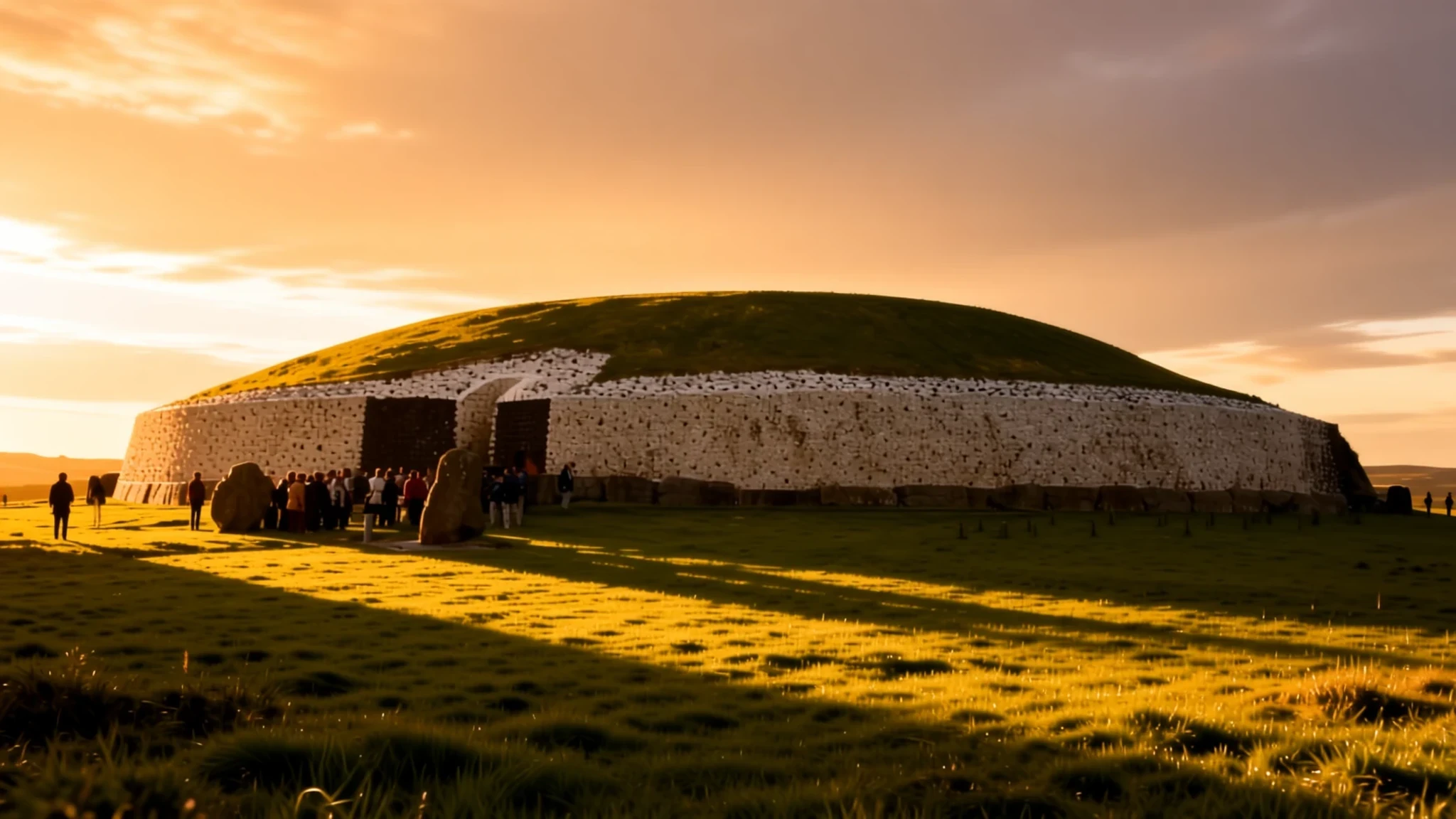
Visit Newgrange to witness a monumental prehistoric tomb built before the pyramids, where winter sunlight illuminates an ancient chamber.
The place
Newgrange sits on a gentle rise overlooking the winding River Boyne in County Meath, Ireland. As the central monument of the broader Brú na Bóinne complex, this prehistoric landmark dominates a landscape steeped in ancient history. The site consists of a massive circular mound ringed by massive kerbstones, many of which are heavily carved with intricate megalithic art, spirals, and geometric patterns. Visitors approaching the entrance immediately notice the striking white quartz facade, a reconstruction assembled from stones that originated miles away in the Wicklow mountains.
Surrounded by a stone circle, the structure houses a long inner passageway that leads to a cruciform burial chamber. Inside, dry-stone corbelled vaulting rises high above the floor, keeping the interior completely dry for millennia without modern mortar. The entire complex occupies a peaceful rural setting where the river mist often lingers over green pastures during early morning hours. While the surrounding lands feature other notable passage tombs like Knowth and Dowth, Newgrange remains the crowning architectural achievement of the valley. Walking around the perimeter path reveals the sheer scale of the Neolithic earthwork, constructed by communities with deep astronomical knowledge and sophisticated engineering techniques. The atmosphere here is quiet and reverent, inviting visitors to ponder the immense labour and communal effort required to move such heavy materials across the ancient Irish countryside before the advent of metal tools.
Its story
Newgrange was constructed during the Neolithic period, placing its origins long before the famous pyramids of Egypt or the stone circles of Stonehenge were raised. For roughly a millennium, the site served as a focal point for burials, rituals, and community gatherings before gradually falling into ruin as agricultural practices and societies shifted across the region. Inside the cruciform chamber, excavators discovered human bones alongside various grave goods, pointing to complex funerary traditions and ancestor worship among the builders of the Boyne Valley.
As centuries passed, the physical monument slipped beneath an overgrown mantle of earth and grass, transforming into a legendary green hill in the local imagination. In Irish mythology and folklore, Newgrange became known as Brú na Bóinne, the magnificent subterranean dwelling of powerful supernatural beings, most notably The Dagda and his son Aengus. Local legends spoke of ancient deities dwelling within the hollow mound, keeping the site wrapped in a veil of mystery and superstition that discouraged casual interference by farmers.
Antiquarians began documenting the stone structures during the seventeenth century, sparking a long progression of academic curiosity that eventually led to formal archaeological digs in the twentieth century. The most thorough and transformative excavations took place under the direction of archaeologist Michael O'Kelly, whose meticulous work between the late nineteen-sixties and mid-seventies uncovered the remarkable roofbox and clarified the architectural layout. O'Kelly also directed the controversial reconstruction of the gleaming white quartz facade that greets modern travellers today.
What to see
- Newgrange Monument and Passage Tomb — Brú na Bóinne Archaeological Park
The iconic centerpiece of County Meath features a great circular mound with a striking white quartz facade and an inner chamber aligned with the winter solstice sunrise. Visitors walk along the grass perimeter to examine the engraved megalithic kerbstones up close, taking in the spiral motifs carved by Neolithic craftspeople thousands of years ago.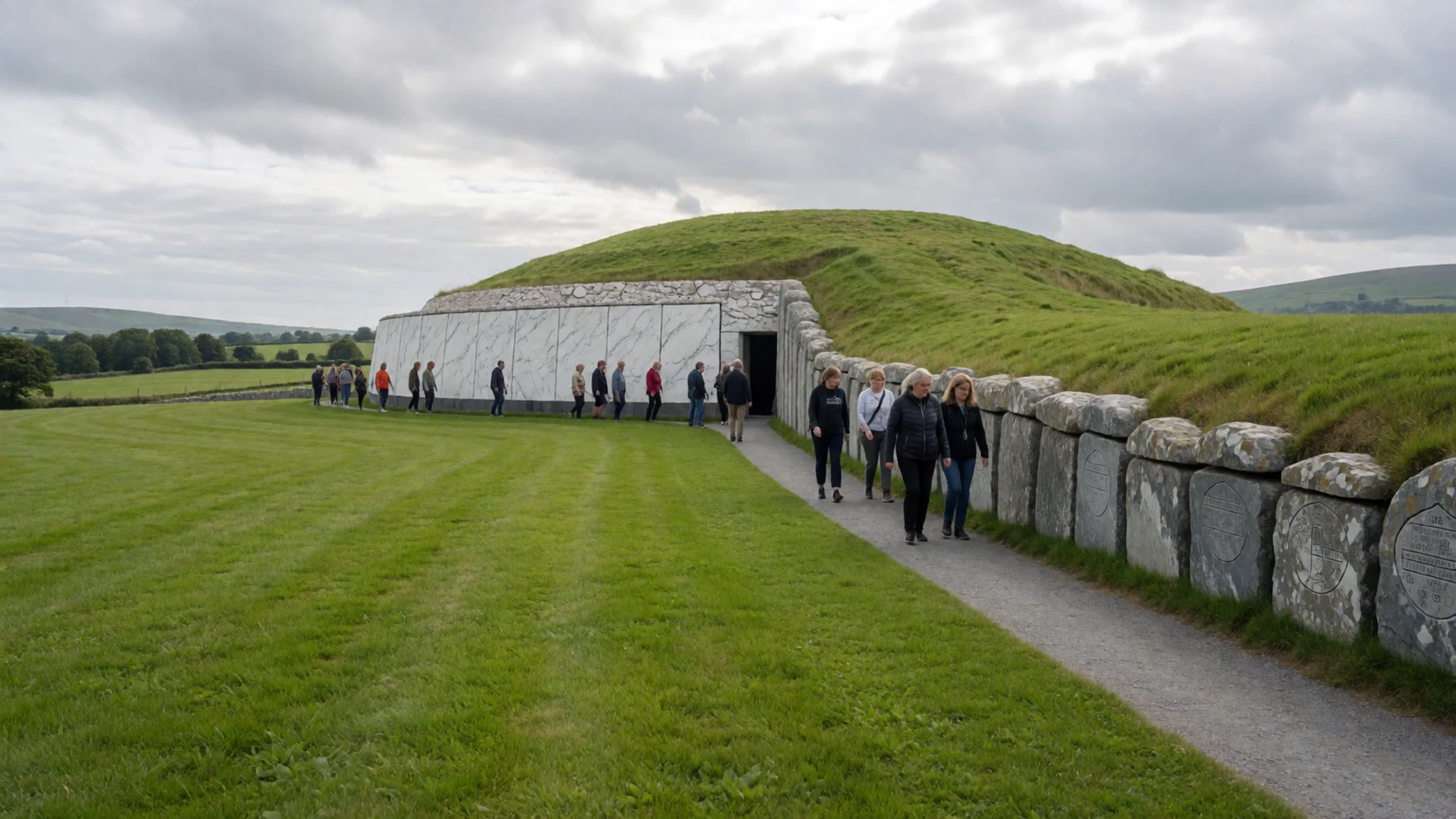
- Brú na Bóinne Visitor Centre — Donore
Serving as the mandatory starting point for all explorations of the valley, this interpretive hub provides comprehensive interactive exhibits, scale models of the passage tombs, and ticketing facilities. From here, shuttle buses transport visitors across the river directly to the guarded entry points of both Newgrange and nearby Knowth.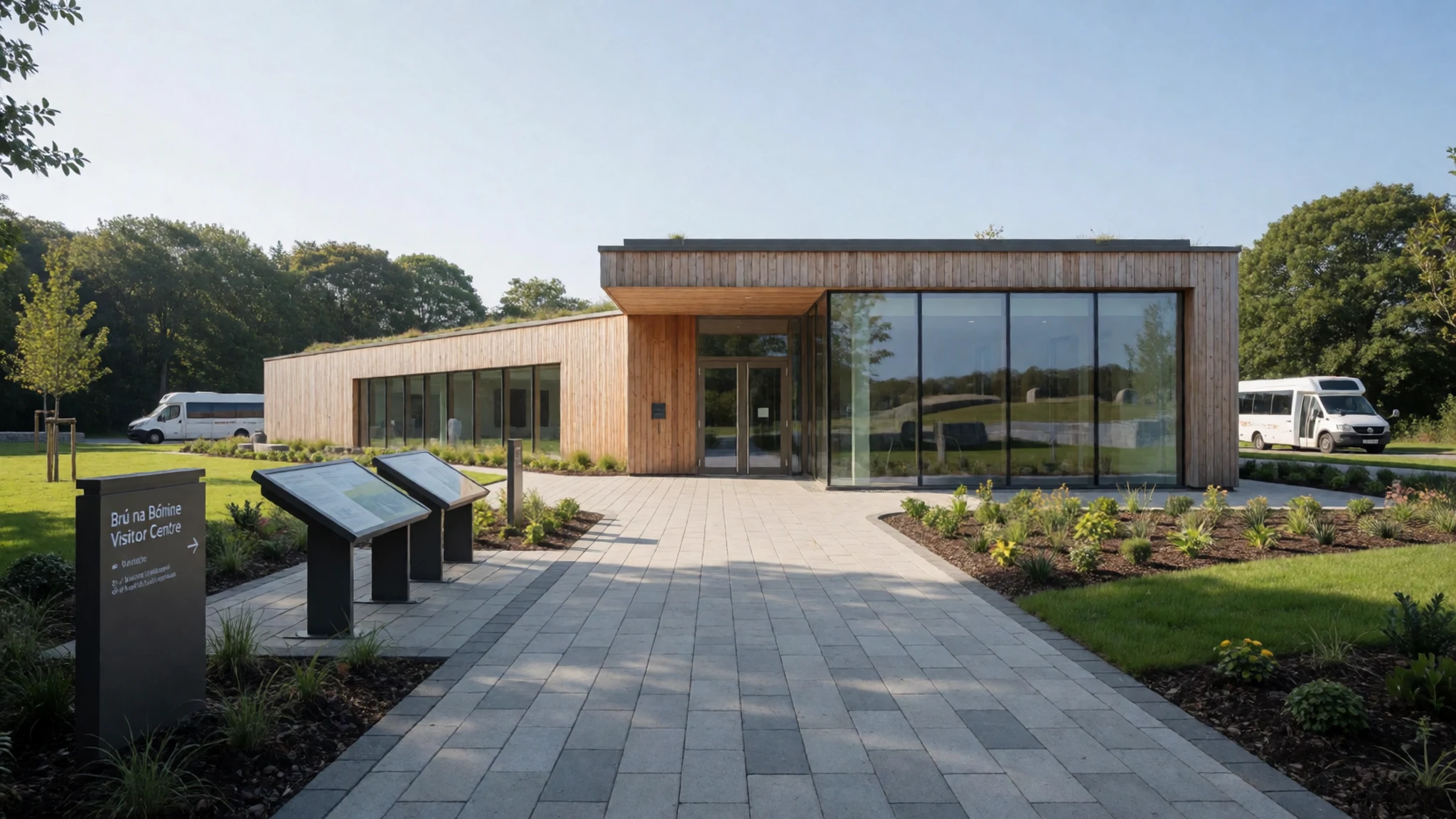
- Hill of Tara — Tara
Located a short drive away across the rolling Meath countryside, this historic elevation served as the ancient inauguration seat for the high kings of Ireland. The grassy summit features atmospheric earthworks, ancient burial mounds, and the Lia Fáil standing stone, offering sweeping panoramic views over the fertile central plains.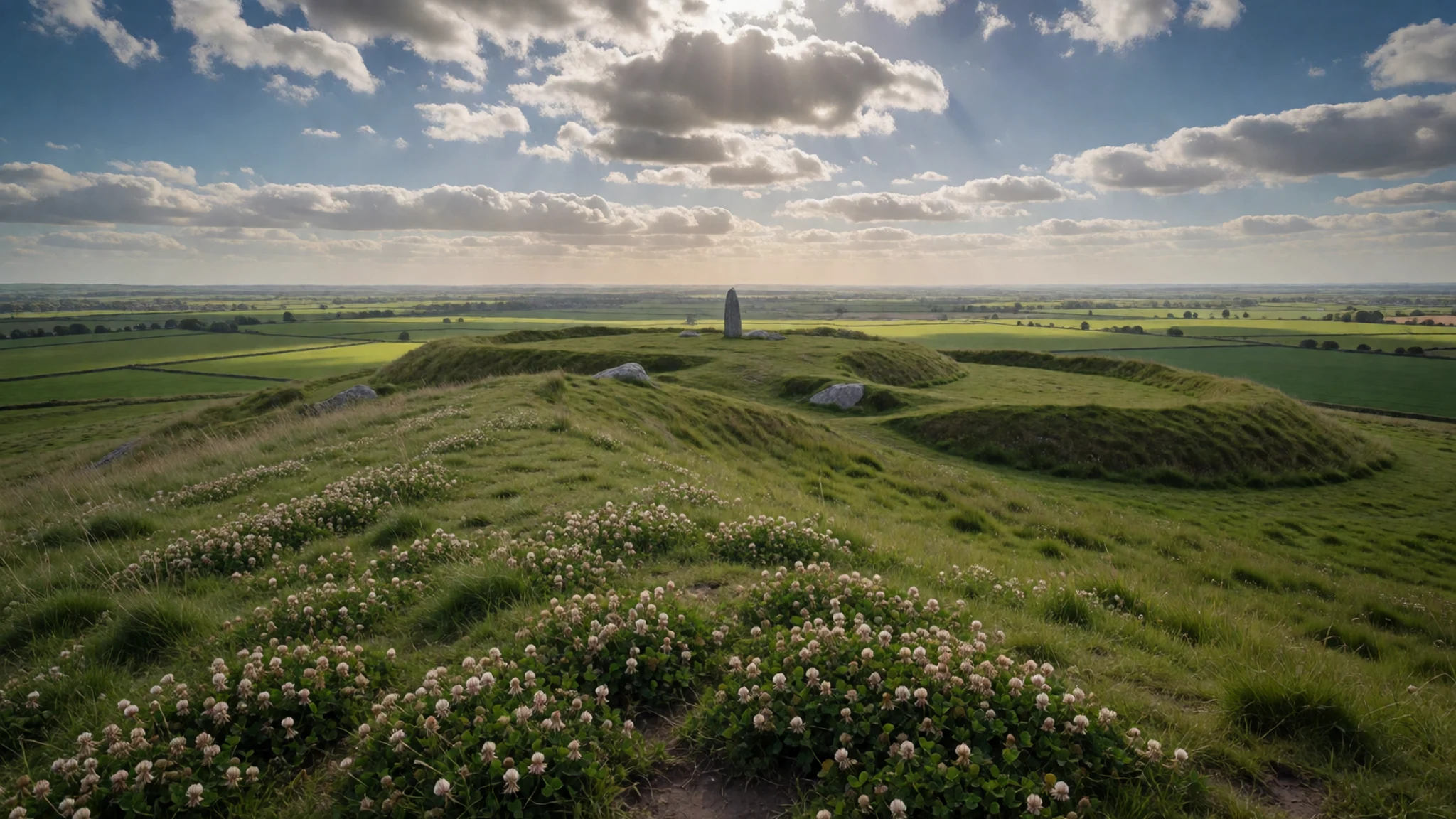
- Trim Castle — Trim
Positioned beside the River Boyne, this sprawling Anglo-Norman fortress is one of the largest and best-preserved medieval stone fortifications in the country. Visitors can explore the massive central keep, walk along the defensive curtain walls, and enjoy views of the historic town of Trim spreading out below.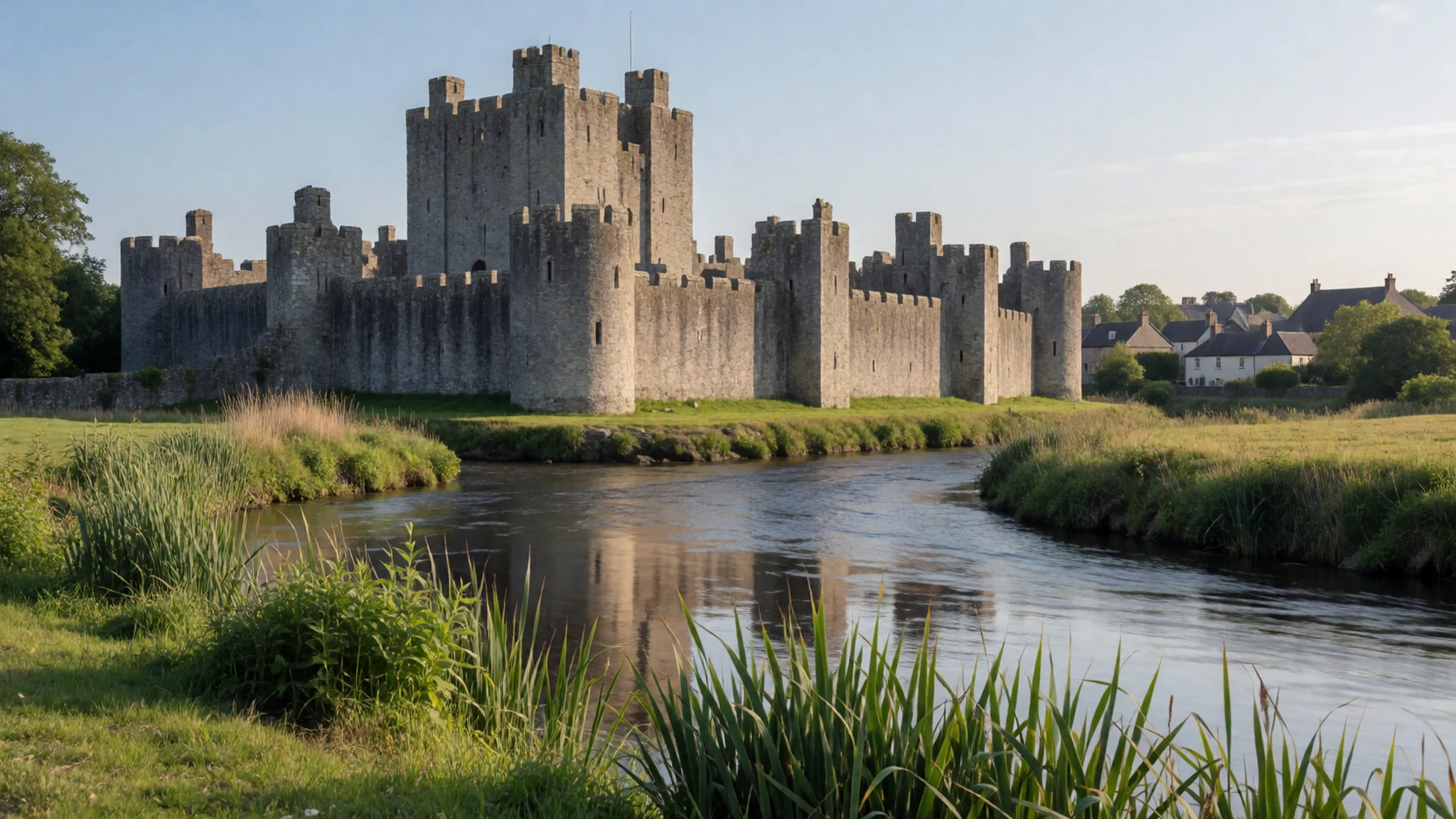
- Battle of the Boyne Visitor Centre — Oldbridge
Situated at the historic Oldbridge Estate, this museum commemorates the pivotal seventeenth-century conflict that reshaped the political landscape of the British Isles. Informative indoor exhibits and outdoor walking trails guide visitors through the events of the famous battle fought between King James II and King William III.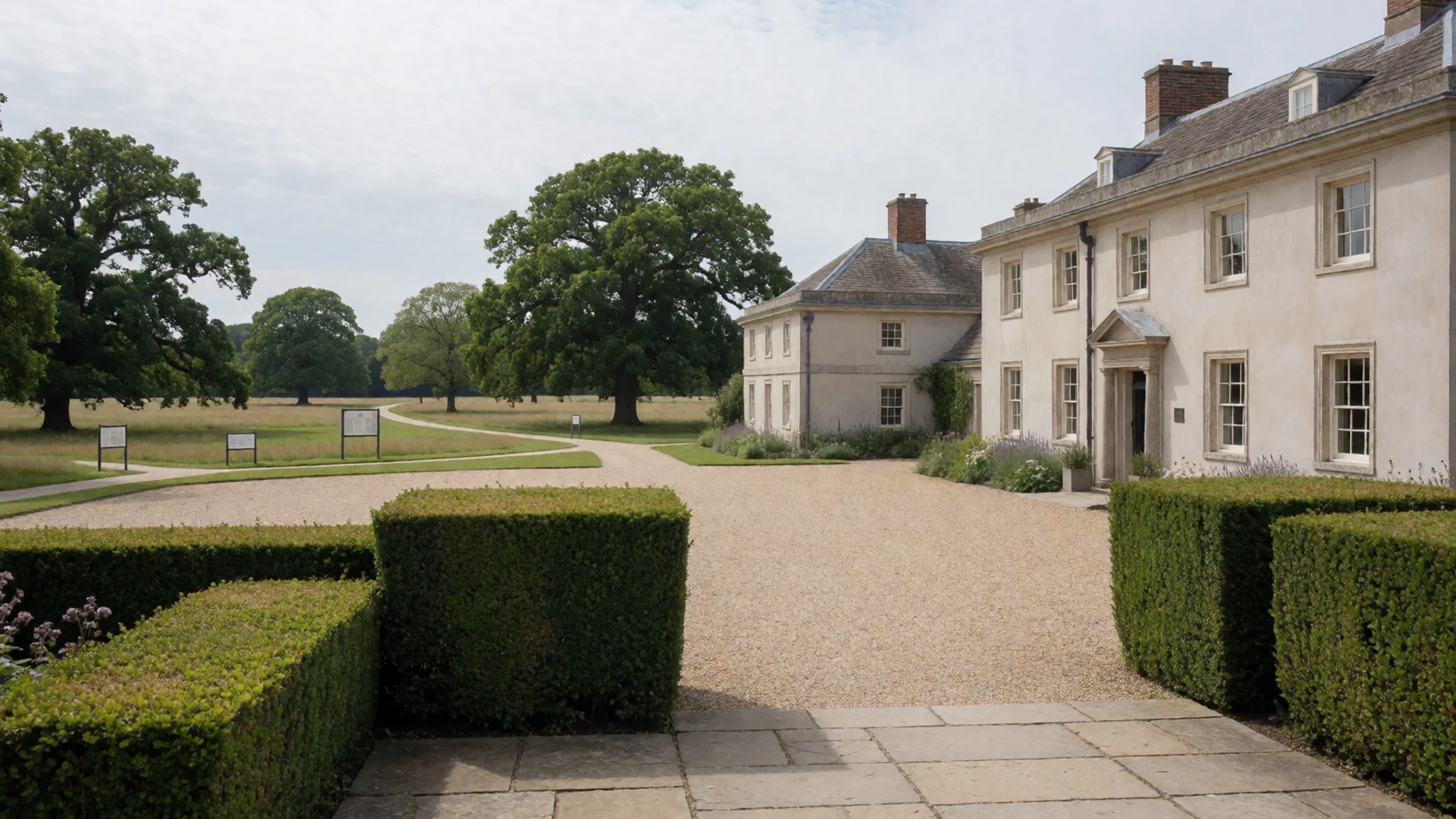
Culture
Newgrange and the surrounding Boyne Valley are anchored in a deep rural Irish cultural tradition defined by storytelling, traditional music, and a strong sense of local community. County Meath residents maintain an active engagement with Gaelic games, with local hurling and football clubs forming the social backbone of villages from Navan to Trim. Traditional pub sessions frequently feature local musicians playing acoustic tunes, while regional radio broadcasts and weekly newspapers keep residents connected to local news and agricultural updates. The area's heritage is treated with immense pride, bridging ancient pagan mythology with modern Irish identity. When visiting sacred monuments and archaeological sites around Newgrange, treat the ancient stones with respect and avoid climbing on or touching the carved megaliths.
What to wear
Traditional dress in County Meath follows general Irish styles, historically featuring durable woollen textiles, Aran knitwear, and hand-woven tweeds suited to the damp, temperate climate. Today, locals wear standard contemporary European casual attire, including jeans, comfortable jumpers, and practical jackets for everyday life. Visitors exploring Newgrange and the surrounding archaeological park should prioritise functional, weather-resistant clothing. Sturdy walking shoes or boots are essential for navigating gravel paths, uneven grass mounds, and damp outdoor terrain. Because the prehistoric monument sits in an exposed, breezy riverside location, packing a waterproof windbreaker and warm layers ensures comfort regardless of sudden Irish rain showers.
What to eat
- Traditional Bar Carvery — Local pubs in Slane and Trim
Hearty midday meals featuring roasted meats, seasonal vegetables, and thick gravies served across country pubs throughout the towns and villages of County Meath.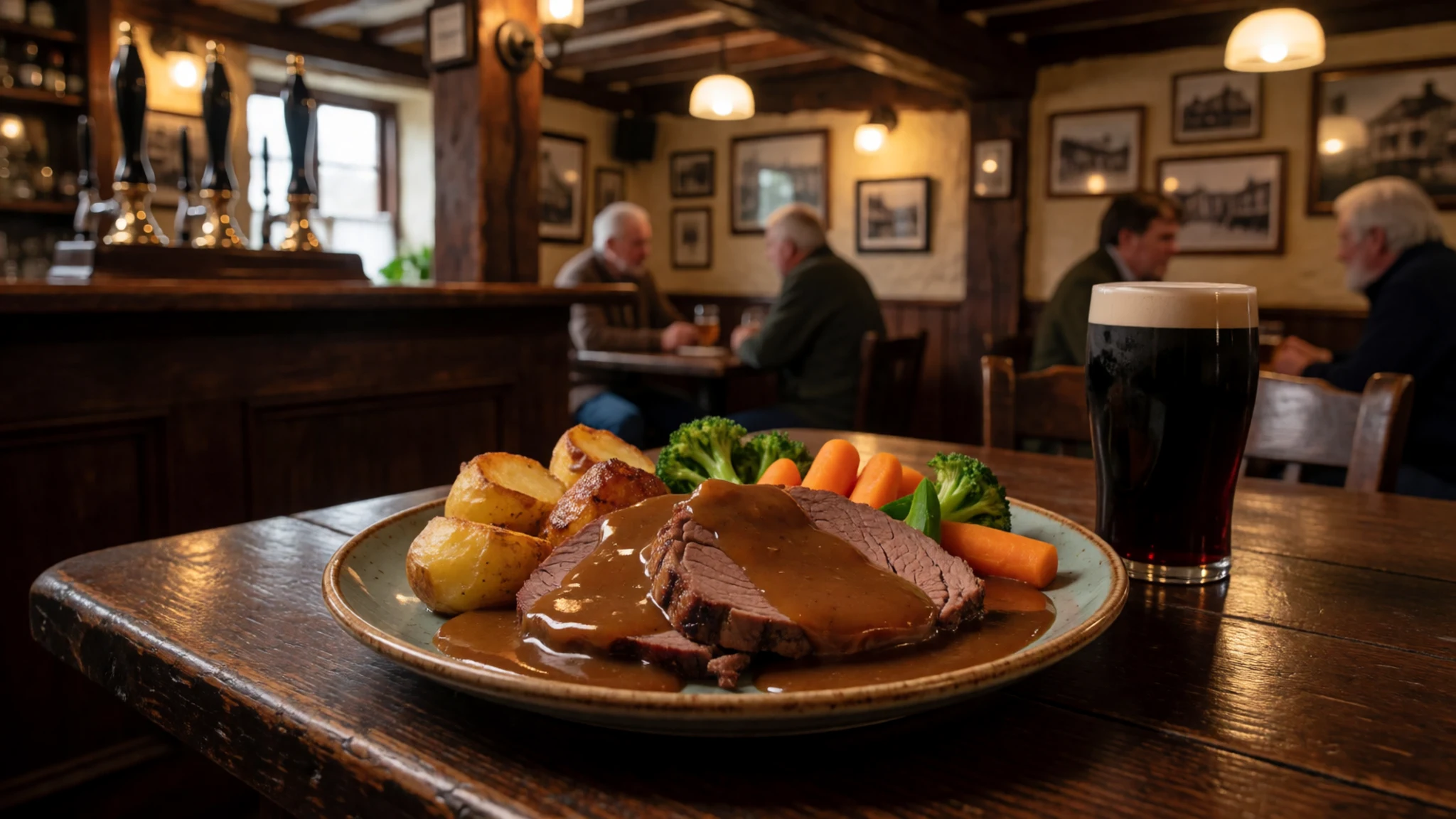
- Boyne Valley Farmhouse Cheese — Local markets and speciality food shops
Artisanal cheeses crafted locally using milk from regional dairy herds, offering rich, distinct flavours reflecting the lush pastures of the surrounding river valley.
- Irish Soda Bread — Country cafés and bakeries
Traditional dense bread baked daily using flour, buttermilk, and baking soda, typically served warm alongside soups, stews, or butter in local eateries. - Local River Boyne Trout — Traditional restaurants in Slane
Fresh freshwater fish caught in the nearby river system, often prepared simply with butter and herbs in traditional dining rooms. - Slane Irish Whiskey — Slane Distillery
Complex triple-distilled spirits blended and matured locally in a historic estate setting, offering notes of toasted oak and dried fruit.
Plan it
Best time. May to September offers the most reliable weather, longer daylight hours for exploring outdoor archaeological sites, and fully operational visitor shuttle services.
How long. 2–3
Getting there. Fly into Dublin Airport, take a direct bus north into County Meath, or join an organised day excursion from Dublin if travelling without a car.
Budget. mid
Tips
- Book your entry tickets online well in advance, as visitor numbers for the interior chamber are strictly limited
- Arrive early at the Brú na Bóinne Visitor Centre to secure morning time slots and avoid midday tour crowds
- Wear sturdy, waterproof footwear suitable for walking on uneven grass and gravel paths around the outdoor mounds
- Carry some cash for small rural establishments and pubs where card payments may occasionally be less convenient
- Check local transport schedules carefully if relying on regional buses, as services outside commuter hours can be sparse
Etiquette
- Always follow guide instructions and stay within designated visitor paths inside the archaeological complex
- Refrain from touching the ancient carved megaliths to protect the soft stone surfaces from oil and erosion
Nearby
Sources
- Wikidata Q339503 (CC0)
- Wikipedia (CC BY-SA 4.0)
- Wikivoyage (CC BY-SA 4.0)