Mont-Saint-Michel
Mont-Saint-Michel, France
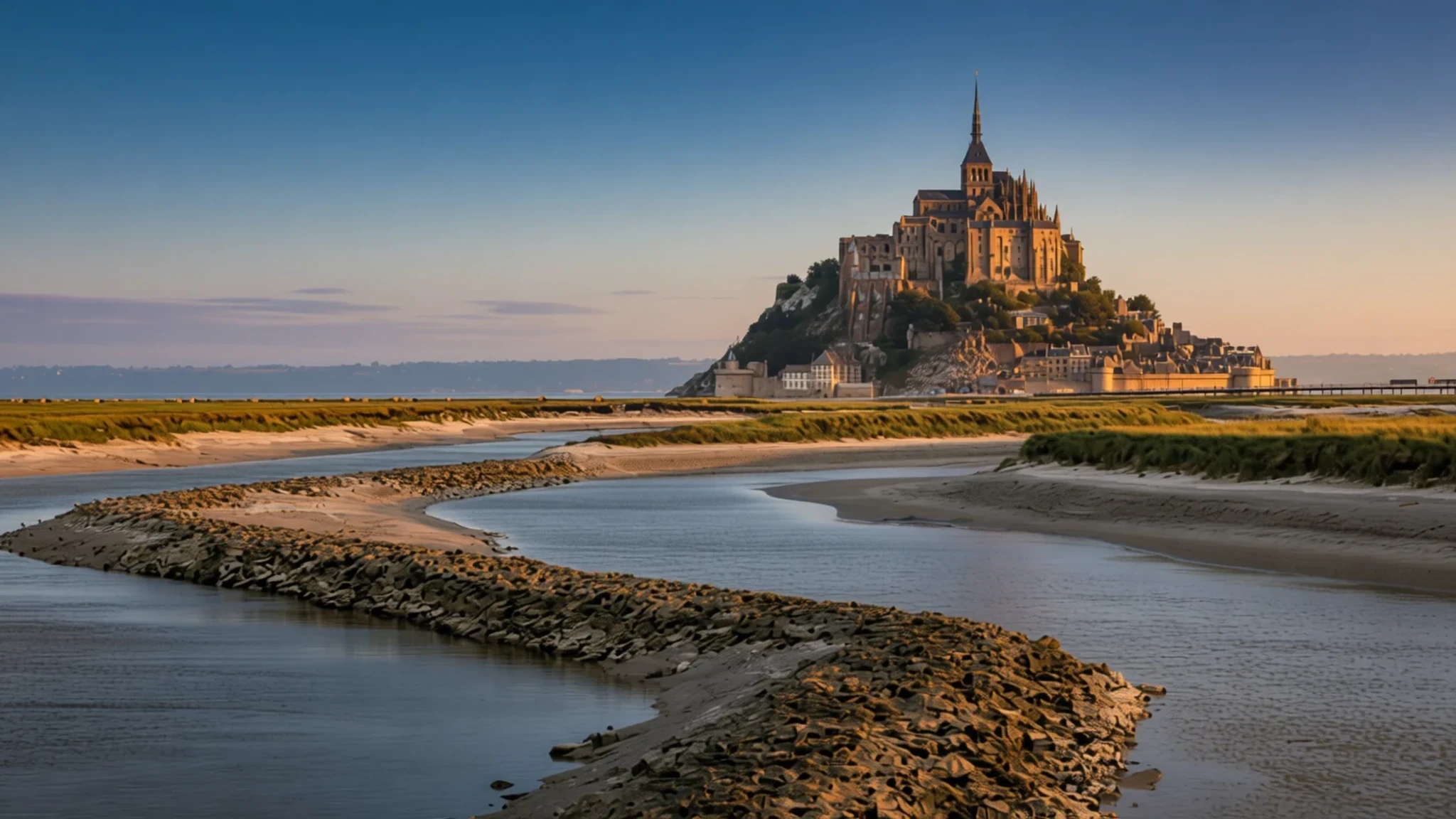
Rise above the tides to explore an architectural marvel where medieval stone fortifications cradle a legendary abbey above sweeping coastal sands.
The place
Mont-Saint-Michel sits as a striking tidal island and mainland commune situated in north-western France within the Manche department. Mont-Saint-Michel sits roughly a thousand metres offshore, positioned close to Avranches right where the Couesnon River meets the sea. Water surrounds the high ground during high tides, while receding seas expose vast expanses of sand and mudflats. The island itself covers a compact surface area, while the wider commune encompasses a larger territory stretching onto the adjacent mainland. A tiny community of permanent residents maintains homes within the medieval perimeter. Its extraordinary geography created a natural shield that kept the fortress safe through centuries of conflict, including intense sieges during medieval times. Generations of pilgrims crossed the shifting sands to reach the sanctuary, guided by the towering spire of the abbey church. Today, travellers approach via a modern pedestrian bridge that replaced the old causeway, allowing visitors to walk across or ride shuttle buses while watching the tide sweep in with startling speed around the rocky base. Numerous historic properties inside the perimeter receive formal protection as important cultural monuments. Beyond the immediate fortifications, the surrounding bay experiences some of the most dramatic water level shifts in Europe, creating an ever-changing landscape of mirrored water and exposed silt that stretches toward the distant horizon.
Its story
Mont-Saint-Michel began its documented history under the name Mont Tombe before any religious foundations consecrated the rock. According to ancient tradition, the archangel Michael visited the bishop of Avranches in a vision, instructing him to construct a sacred sanctuary upon the high ground. Early monastic buildings soon followed, establishing the location as a focal point for spiritual devotion across the region. Political shifts soon brought turbulent changes to the rocky outpost. During the medieval era, territorial disputes involved local rulers and neighbouring realms competing for control of the strategic peninsula. Sovereignty shifted until the mount was formally linked to the Duchy of Normandy, a proud heritage visibly recorded in textile embroidery from the period. Strategic military value ensured that rulers fortified the island heavily against hostile forces. Defenders successfully repelled assaults throughout prolonged conflicts, preventing foreign armies from breaching the gates. Later monarchs recognised the isolated security of the complex and converted parts of the monastic buildings into a secure detention facility. State prisoners and political detainees spent years confined within the thick stone walls during the Ancien Régime. Scholars and architects later championed the preservation of the site, removing penal structures and restoring medieval spaces to reflect their historic grandeur before international recognition secured its status as a protected world heritage treasure.
What to see
- Porte de l'Avancée — Lower entrance gate
Stepping past this primary stone gateway marks your formal entry into the historic fortifications of Mont-Saint-Michel, bringing you immediately into the narrow fortified passageway where guards once controlled all incoming movement from the causeway below.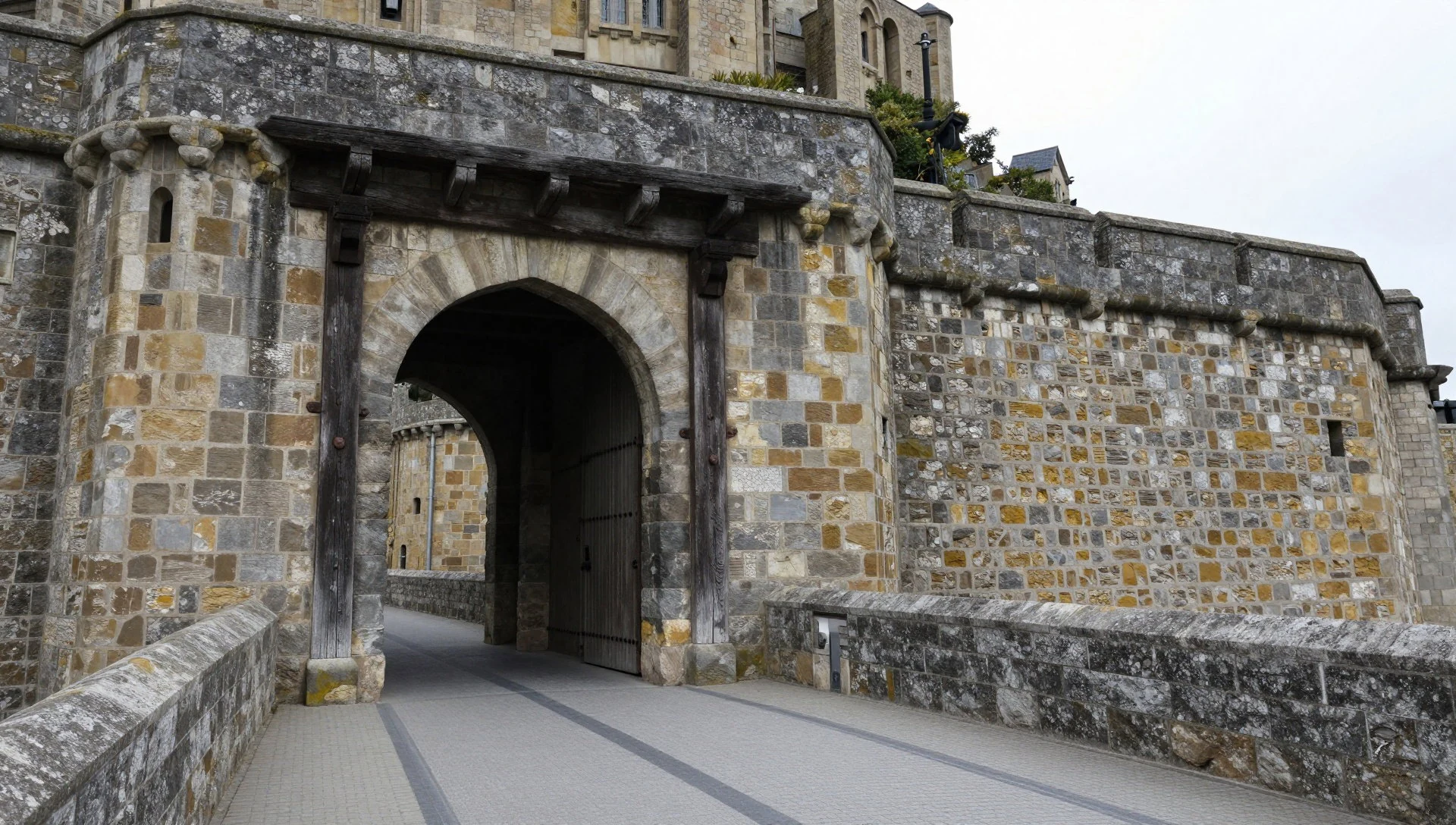
- Grande Rue — Main village street
Winding steeply upward, this historic lane serves as the main artery through the village, packed tightly with ancient stone houses, timber-fronted shops, and medieval hostelries that have welcomed weary travellers and pilgrims for centuries past.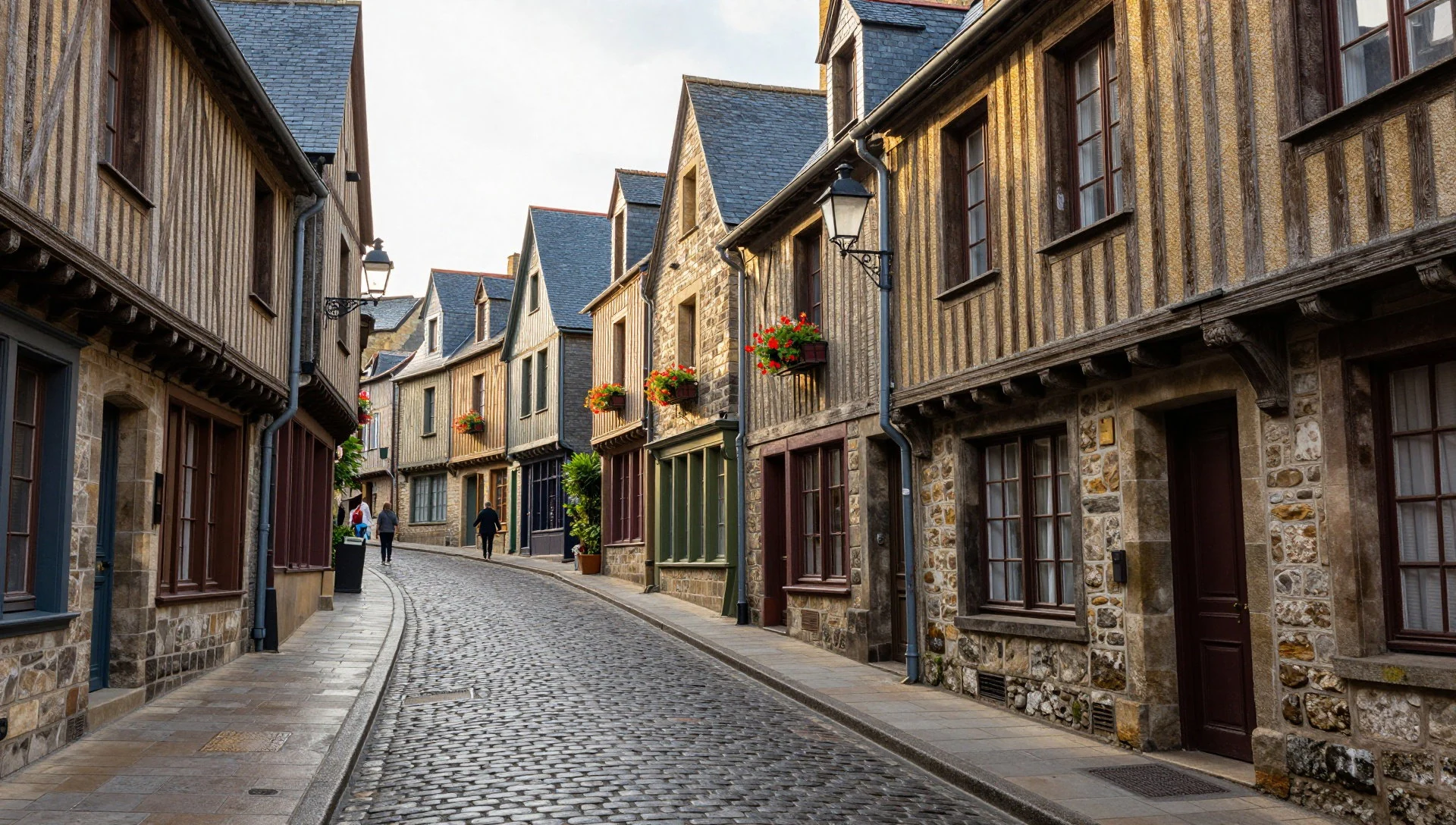
- Ramparts — Outer perimeter walls
Walking along these historic defensive stone walls offers sweeping panoramic views across the surrounding bay, tidal flats, and distant coastline, revealing the ingenious defensive architecture that kept attackers at bay throughout medieval history.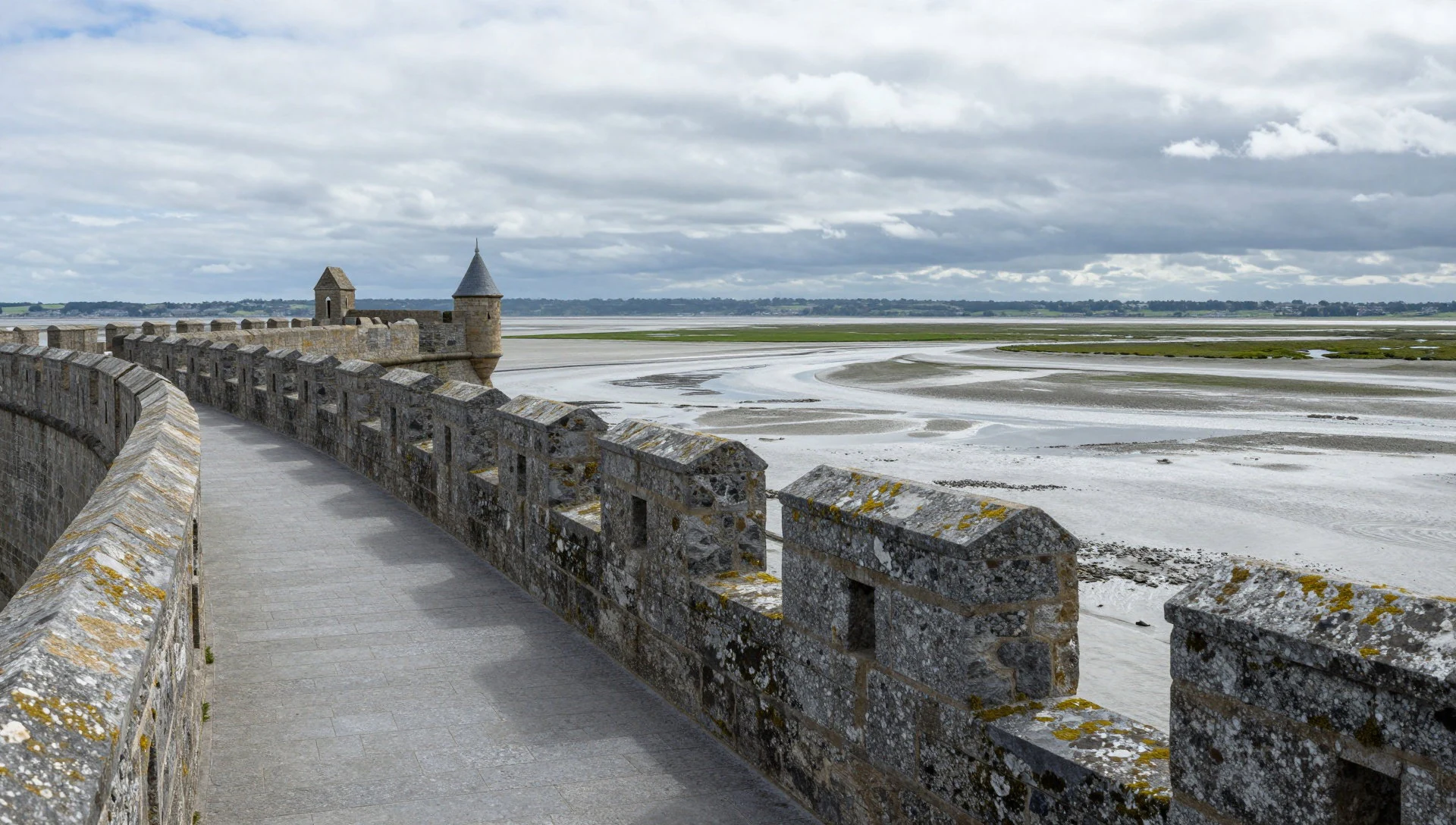
- Abbey of Mont Saint Michel — Summit peak
Perched dramatically at the very summit of the island, this magnificent architectural masterpiece features soaring Gothic halls, serene cloisters, and massive stone supports that grew organically around the original modest monastic foundation over many centuries.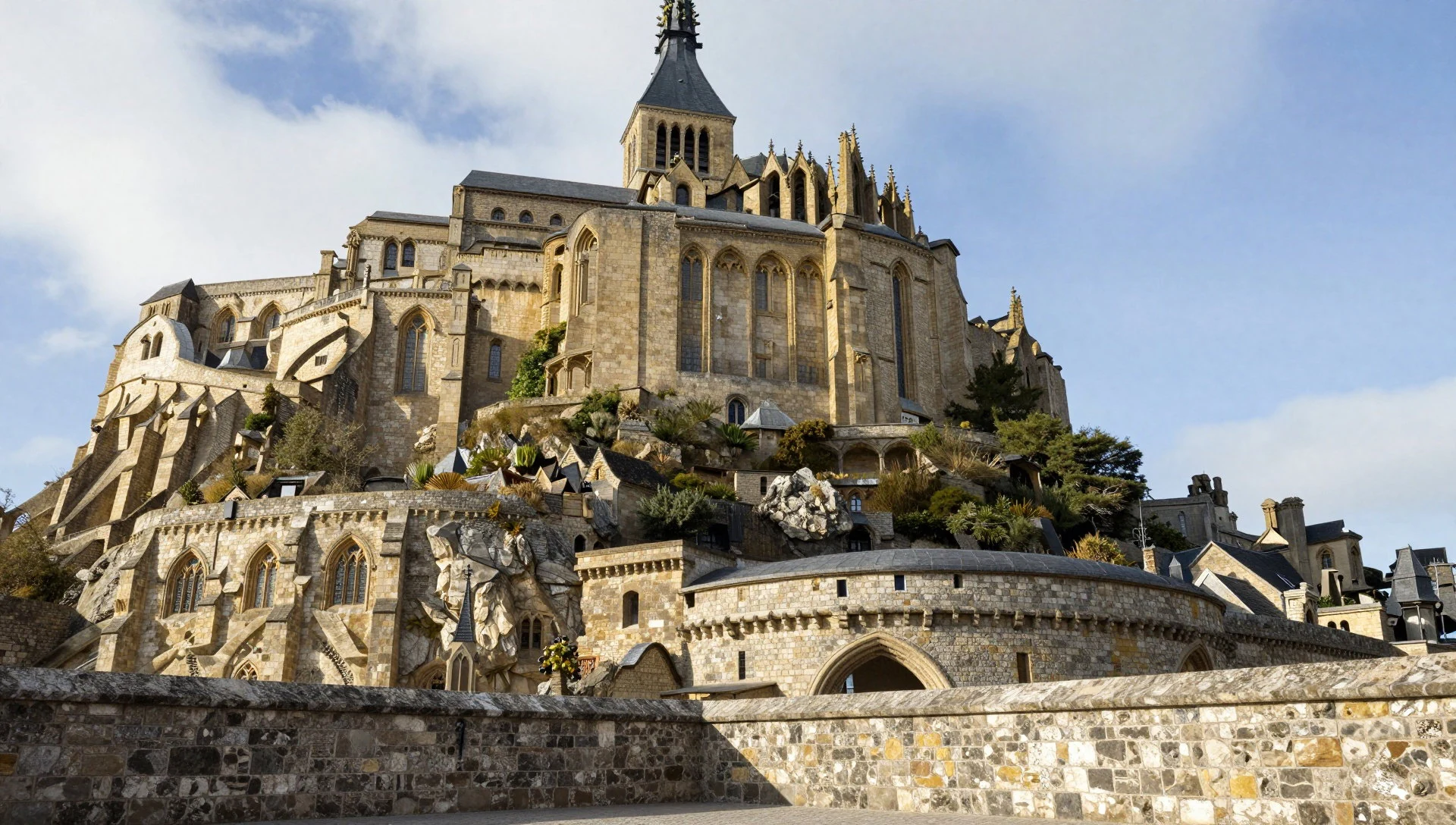
- Chapelle Notre-Dame Sous Terre — Lower abbey level
Hidden deep within the lower foundations, this remarkably preserved Carolingian sanctuary preserves the atmosphere of the original early medieval oratory established by the first Benedictine monks on the sacred rock.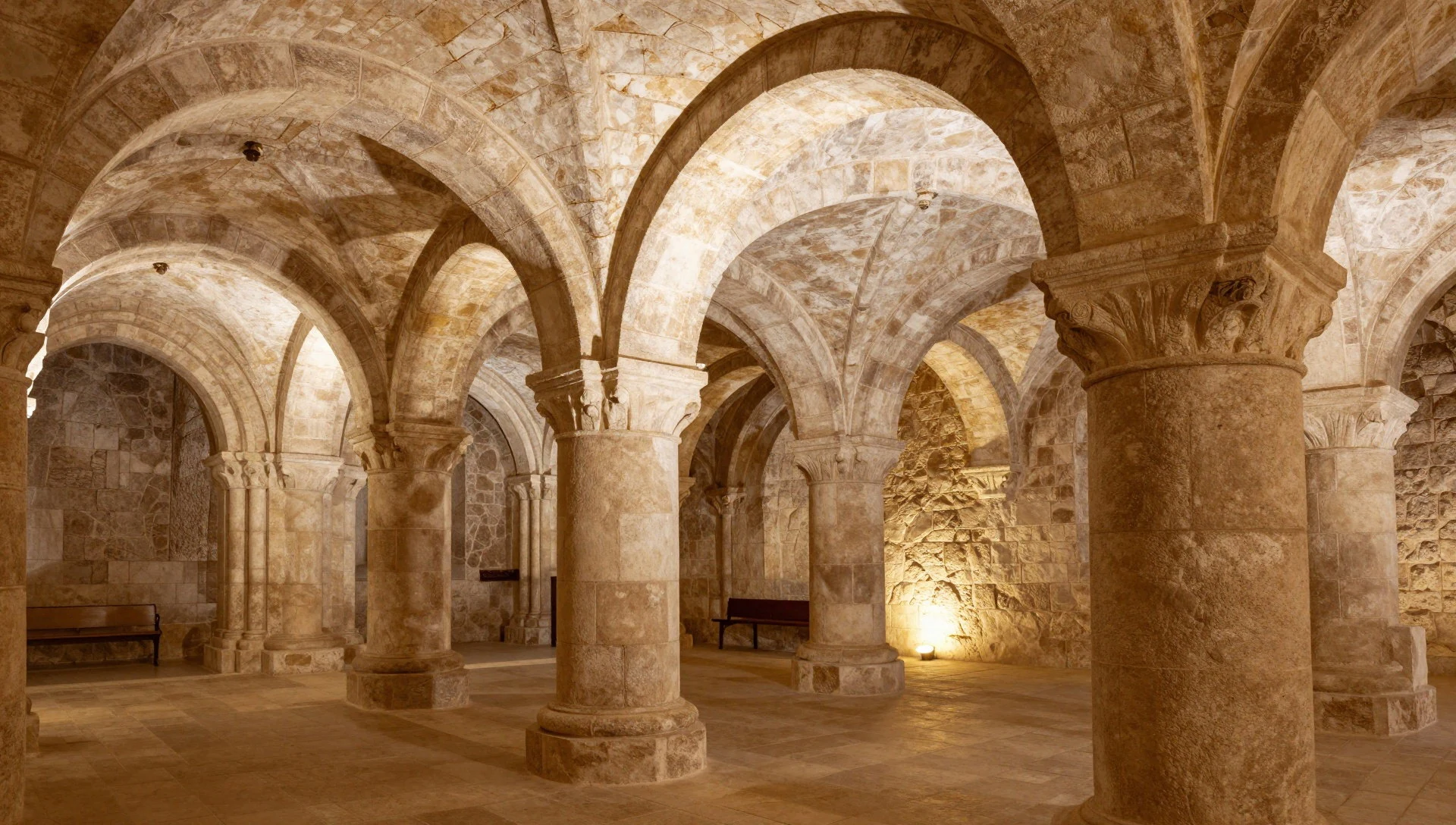
Culture
Mont-Saint-Michel holds a unique place in French cultural memory as both an enduring spiritual sanctuary and a masterpiece of medieval engineering. For centuries, the island drew faithful pilgrims who undertook perilous journeys across shifting sands and tidal channels to reach the holy mount. Today, the community balances its living religious heritage with heavy international tourism, maintaining active monastic services within the abbey walls where resident brothers and sisters continue traditions of prayer and Gregorian chant. The local culture remains deeply intertwined with the maritime rhythms of the surrounding bay, where fishermen and guides understand the immense power of the returning tides. Visitors are expected to respect the sacred nature of the abbey church and places of worship by keeping voices low and dressing modestly when entering religious spaces.
What to wear
Traditional dress around Mont-Saint-Michel reflects the rugged maritime heritage of coastal Normandy and Brittany, historically featuring woollen fisherman jumpers, heavy canvas jackets, and sturdy waterproof garments designed to withstand biting sea winds and coastal rain. Local textile traditions relied on thick, lanolin-rich wools that offered warmth and protection against damp sea spray on the open flats. Modern residents and hospitality workers dress in practical, contemporary European casual wear, favouring layered weather-resistant jackets and windbreakers to cope with the microclimate of the exposed rock. Visitors should pack sensible clothing tailored for unpredictable coastal weather, including windproof coats, breathable layers, and dependable walking shoes with good grip. Because exploring Mont-Saint-Michel involves climbing hundreds of steep stone steps, uneven medieval paving stones, and potentially slick ramps, high heels or smooth-soled shoes are entirely unsuitable for the terrain.
What to eat
- Mère Poulard Omelette — Historic village restaurants
World-famous for their remarkably frothy and light texture, these traditional fluffy omelettes are whipped vigorously by hand and cooked over an open hearth, served at historic dining rooms throughout the village.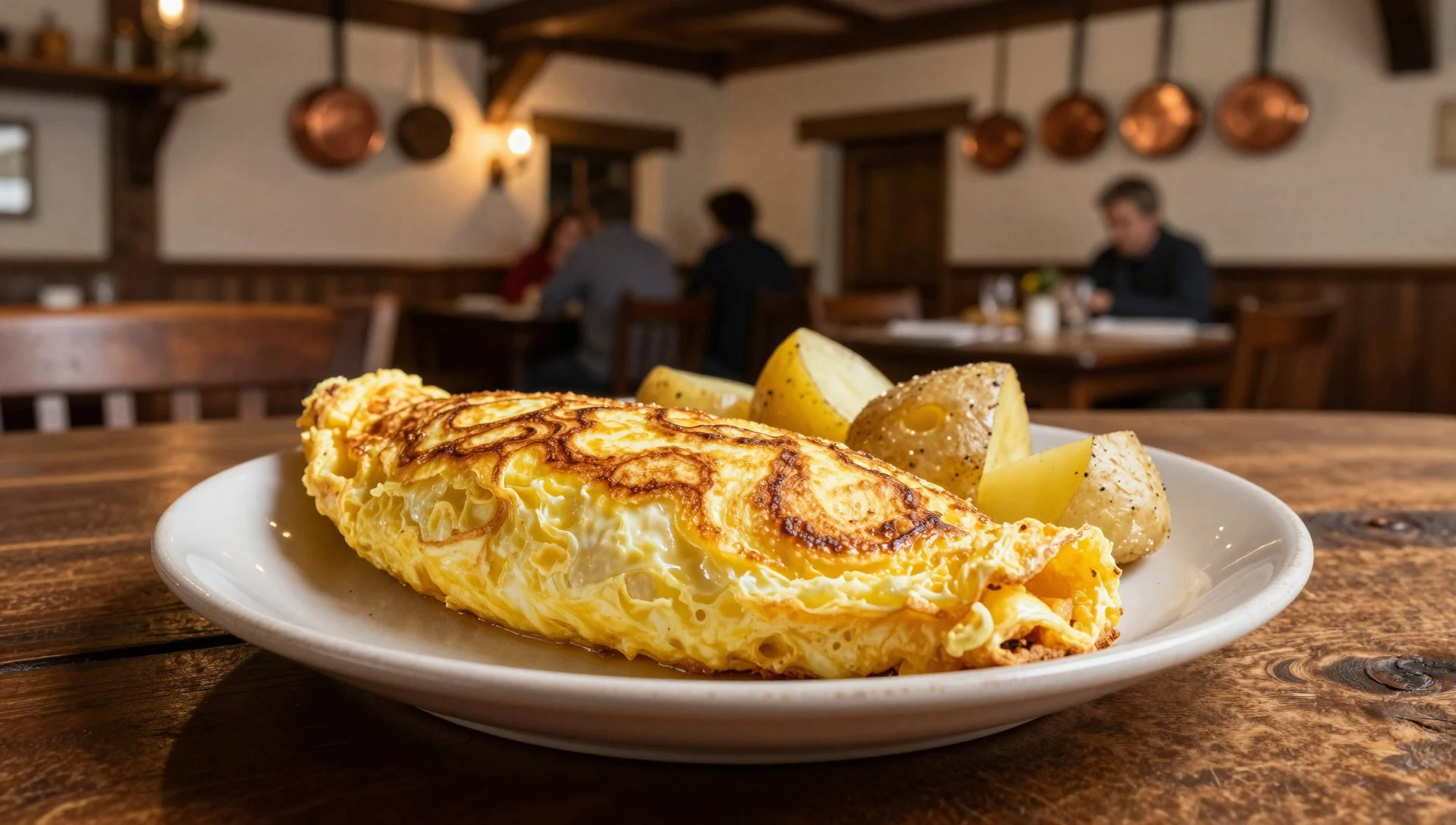
- Saltmarsh Lamb — Traditional village taverns
Known locally as agneau de Pré Salé, this tender meat comes from sheep that graze freely on the mineral-rich salt marshes surrounding the bay, giving the dish a distinct and savoury flavour found in local eateries.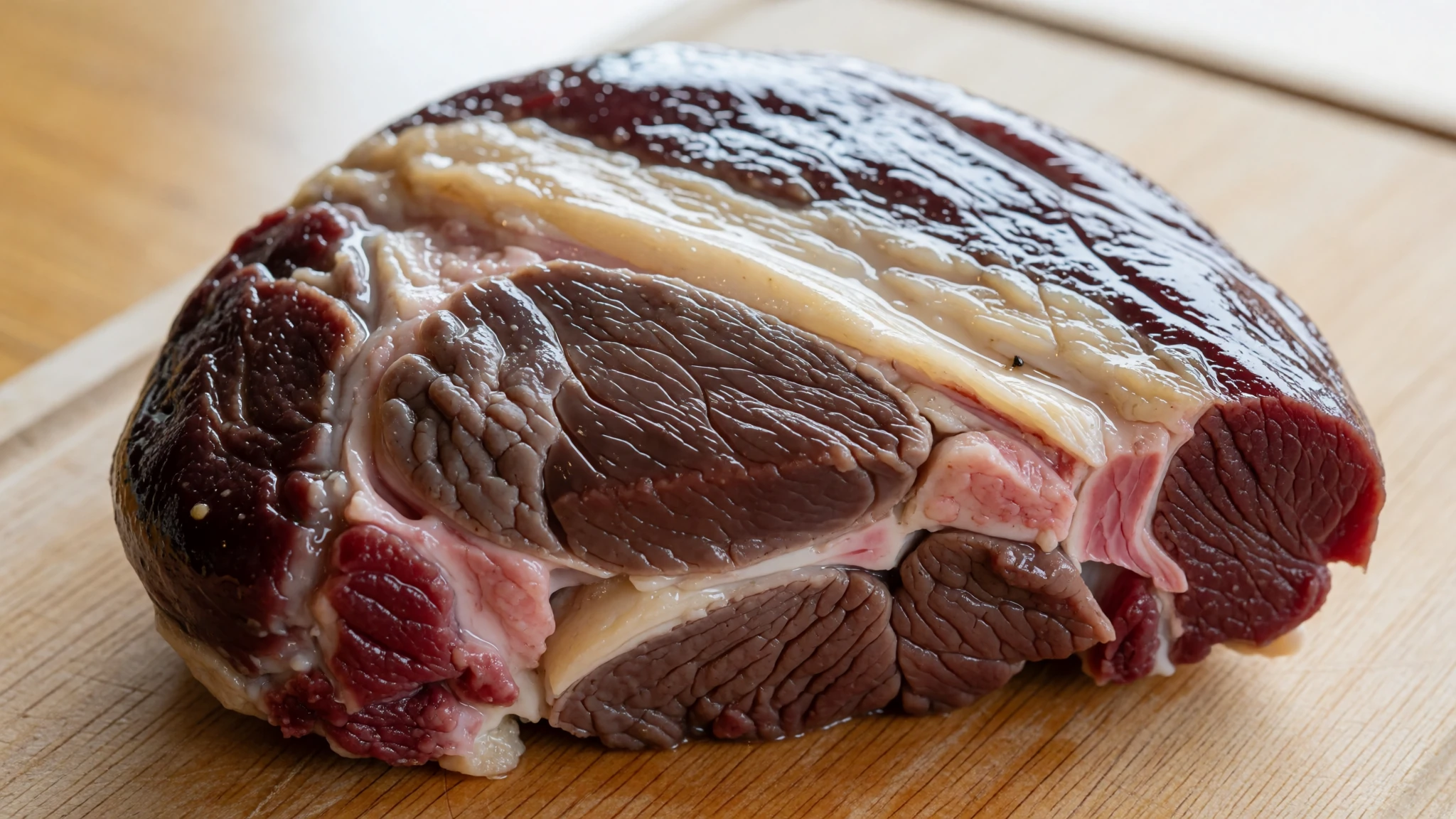
- Normandy Oysters — Coastal seafood bistros
Freshly harvested from the cold Atlantic waters along the coastline, these succulent bivalves feature prominently on local seafood menus across mainland and island dining rooms. - Local Cider — Village cafes and bars
Produced from orchards across the rolling hills of the surrounding Normandy countryside, this crisp, fermented apple beverage accompanies regional meals perfectly. - Calvados — Traditional regional restaurants
A traditional apple brandy distilled across the region, enjoyed as a warming digestif after heavy meals in local dining establishments.
Plan it
Best time. May to September offers the most reliable weather and long daylight hours, though spring and autumn bring fewer crowds while keeping temperatures comfortable for walking.
How long. 1–2
Getting there. Arrive by car via regional motorways to the mainland parking area, or take regional rail services to nearby connecting stations before catching local coach links to the site.
Budget. mid
Tips
- Arrive early in the morning before tourist coaches fill the parking areas and narrow village streets.
- Wear comfortable footwear suitable for climbing steep stone stairs and uneven medieval surfaces.
- Check local tide timetables carefully before attempting any guided walks across the open bay flats.
- Bring a windproof jacket as coastal breezes across the causeway and ramparts can feel chilly.
Etiquette
- Keep your voice lowered inside the abbey church and active monastic spaces.
- Avoid blocking narrow medieval corridors and stairways while taking photographs.
Nearby
Sources
- Wikidata Q20892 (CC0)
- Wikipedia (CC-BY-SA 4.0)
- Wikivoyage (CC-BY-SA 4.0)