Rock-Hewn Churches, Lalibela
Rock-Hewn Churches, Lalibela, Ethiopia
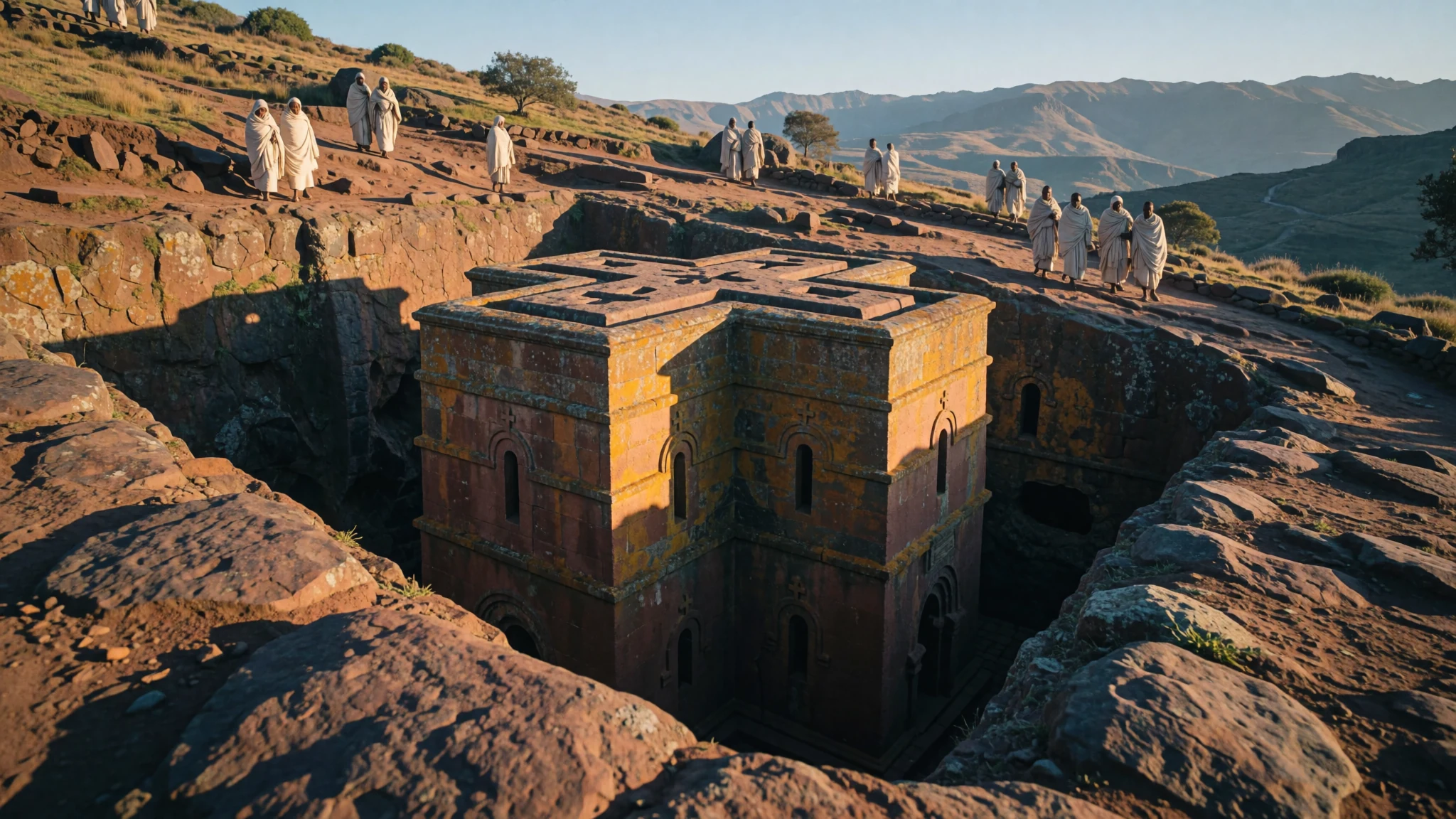
Carved straight down into living volcanic rock in the western Ethiopian Highlands, these eleven monolithic sanctuaries remain active houses of prayer.
The place
Hidden away in the rugged western Ethiopian Highlands, the settlement of Lalibela harbours one of the most astonishing architectural endeavours on the African continent. Rather than being constructed block by block from the ground up, eleven monolithic sanctuaries were hewn directly downwards into solid red volcanic tuff. Trench networks, open courtyards, and subterranean passages connect these sacred spaces, isolating them from the surrounding landscape in deep, cool pits of stone. The topography here is part of a dramatic upland realm that feels entirely distinct from the stereotypical savannahs of East Africa, featuring steep escarpments, deep river gorges, and highland flora that thrive in the thinner mountain air. Outside the carved courtyards, the town itself clings to the mountain slopes, where everyday life moves at a steady, traditional pace against a backdrop of distant peaks. Pilgrims and local worshippers walk the dusty hillside paths wrapped in traditional cotton cloth, blending seamlessly with the ancient stone walls. The air is cool and crisp for much of the year, though the sun beats down fiercely in the exposed rock trenches during midday hours. Walking between the sanctuaries requires navigating uneven stone steps, dark rock-cut tunnels, and narrow ledges that drop sharply into the courtyards below. Despite centuries of exposure to the elements and the steady tread of countless feet, the rock-cut wonders continue to serve their original purpose as vibrant hubs of community life and profound spiritual devotion.
Its story
The creation of Lalibela is preserved through both oral tradition and the physical evolution of the stone structures. Local accounts attribute the founding of the site, historically known as Roha, to the Zagwe dynasty under the ruler King Gebre Meskel Lalibela. Legend tells that after a divine journey to Jerusalem, the king was commanded to raise a second holy city in his own mountainous homeland to serve Christian pilgrims who could no longer travel safely to the Levant. Architectural analysis suggests a more gradual development, with the monolithic and semi-monolithic chambers evolving through successive phases of excavation, expansion, and structural modification over many years. The master builders first sank deep trenches around vast blocks of stone before carving out interior chambers, vaulted ceilings, pillars, and window tracery with simple hand tools. Over generations, the site weathered political shifts, dynastic changes, and isolation from the wider Christian world while remaining fiercely guarded by its clergy. In modern times, international recognition arrived when the complex was designated a UNESCO World Heritage site, drawing global attention to its fragile stonework. Conservation efforts have faced complex hurdles, including heavy protective shelters erected decades ago that now pose structural risks to the delicate rock beneath them. Yet the spiritual lineage endures unbroken, anchored by priests who still chant ancient liturgies within chambers hewn out of the mountain long ago.
What to see
- Biete Medhani Alem
Often considered the largest monolithic church in the complex, this cavernous sanctuary features heavy exterior pillars and a vast corrugated roof carved to mimic timber beams. Stepping inside reveals a dim interior divided by sturdy stone columns supporting shadowy vaulted ceilings.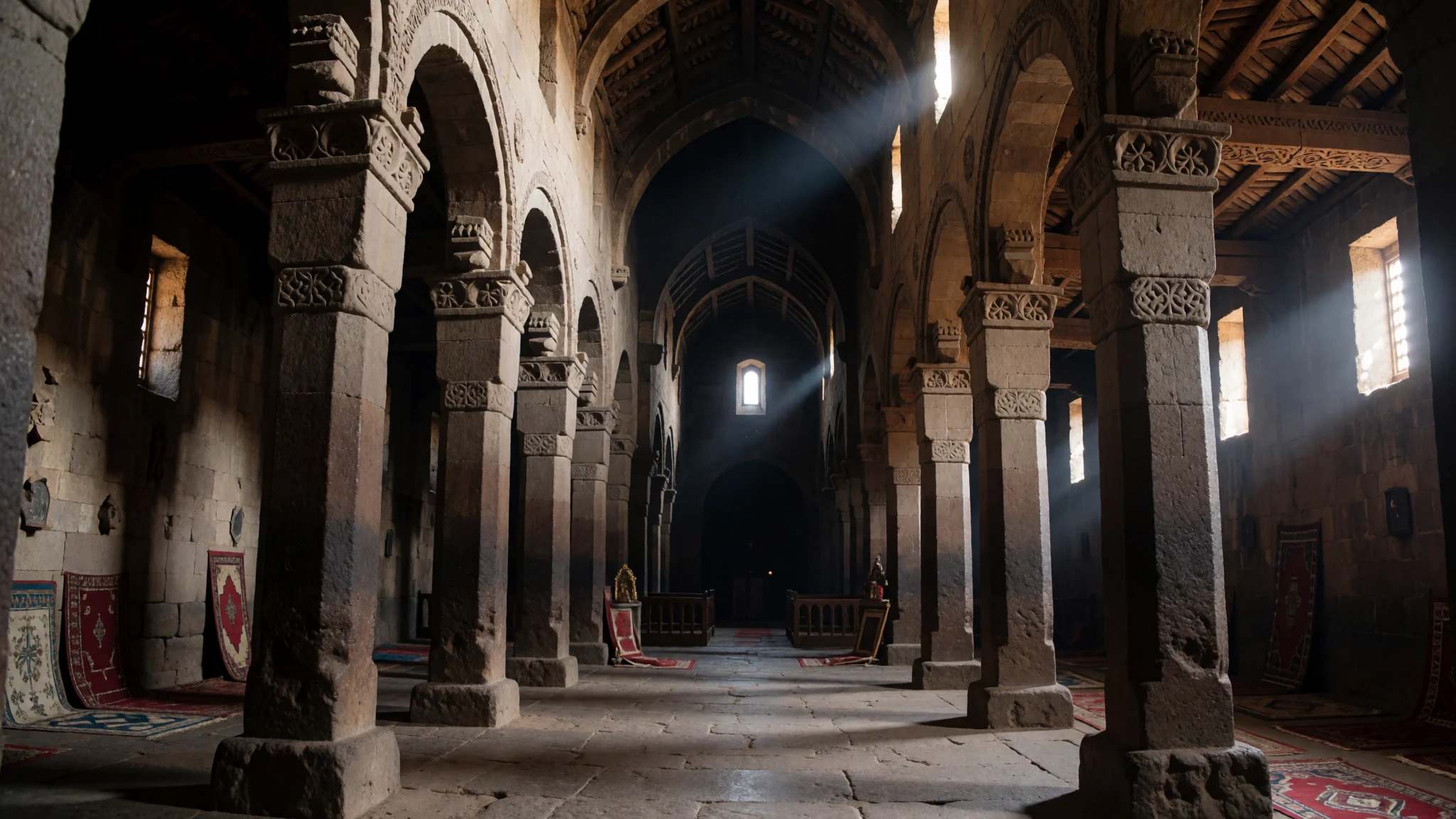
- Biete Ghiorgis (Church of St. George)
Isolated within its own deep western pit, this famous cruciform sanctuary is sculpted with precise symmetry from a single block of stone. Its smooth exterior walls feature recessed blind windows and cross motifs that catch the golden evening light.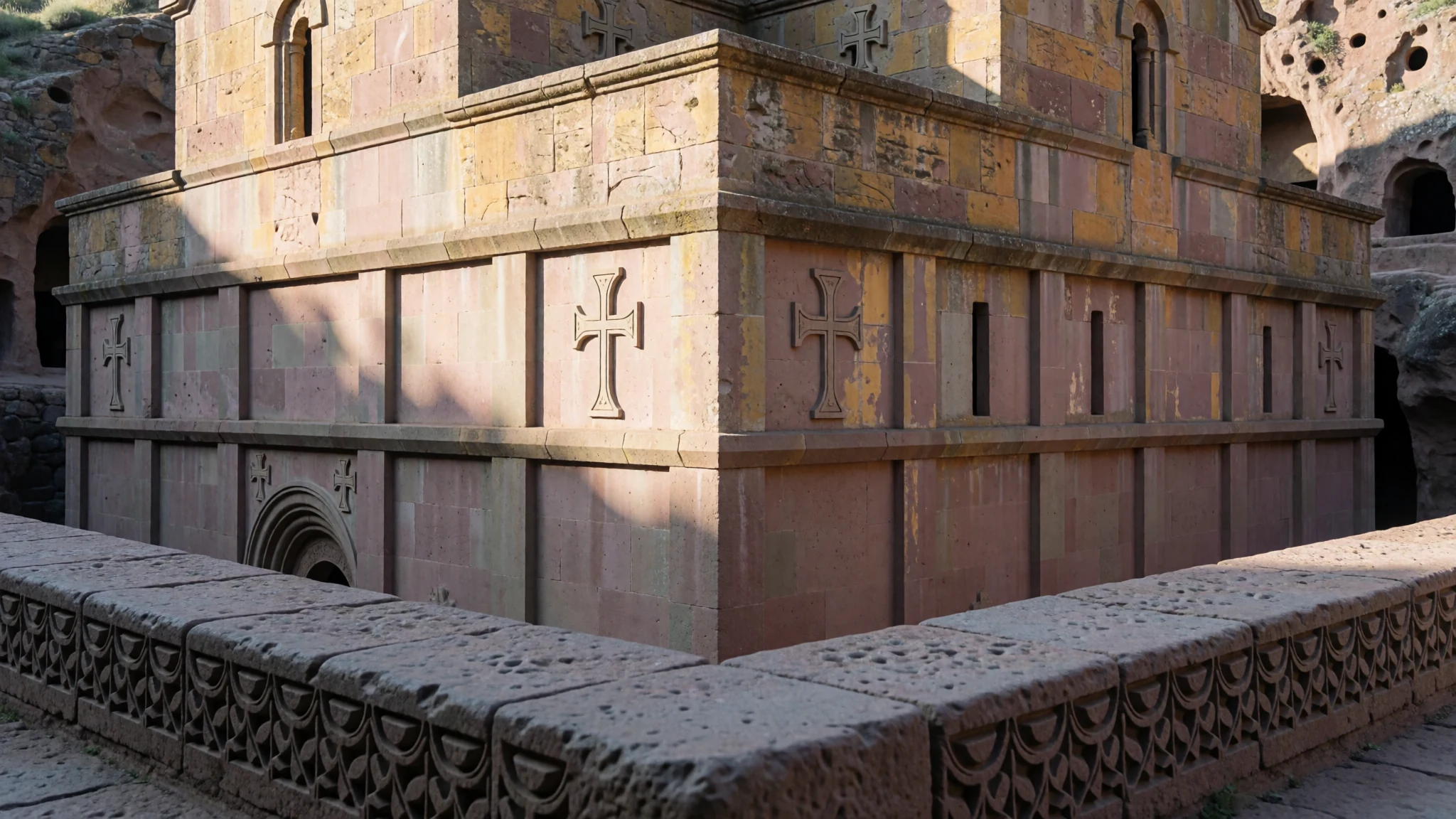
- Biete Maryam
Believed by many to be the earliest of the rock-cut sanctuaries, this holy site is richly adorned with intricate interior reliefs, carved friezes, and monolithic columns. Worshippers gather daily in its shaded courtyard to pray against the weathered stone walls.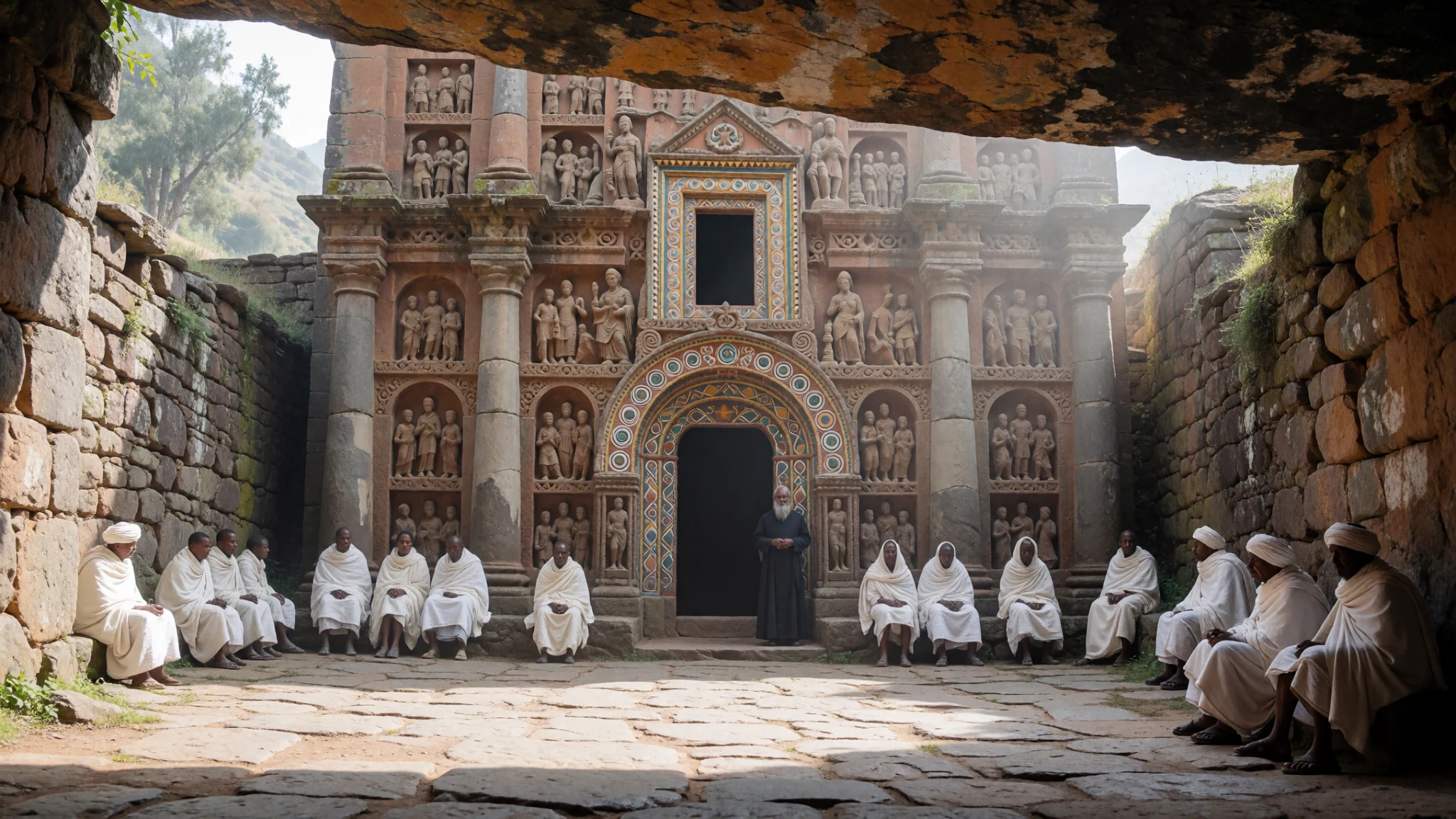
- Biete Denagel and Bet Golgotha
A complex network of sloping tunnels and rock-cut passages links these smaller chapels, which house ancient relief carvings, sacred tombs, and sombre sanctuaries. The dim, quiet corridors demand careful footing in the flickering candlelight.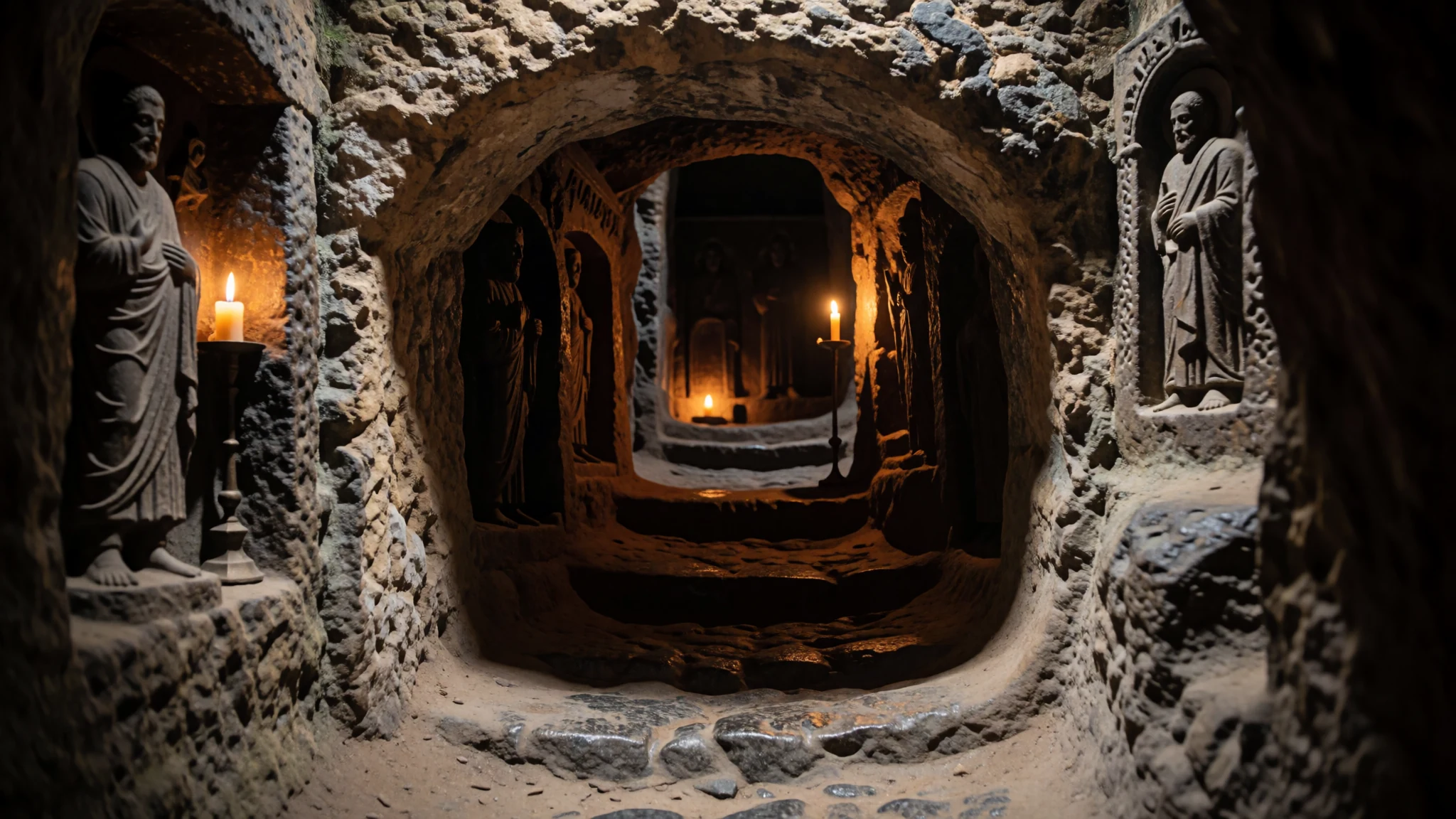
Culture
Religion permeates every aspect of daily existence in the highlands, where the Ethiopian Orthodox Christian faith anchors community rhythms, art, and music. Chanting priests carrying ornate processional crosses and prayer staves are a constant presence around the sanctuary courtyards, reciting ancient liturgy in Ge'ez. Visitors will notice deep devotion expressed through silent prayer, prostrations on the stone floors, and rhythmic drumming during religious festivals. The local community maintains a quiet, dignified hospitality towards travellers, though traditional customs regarding sacred spaces are strictly observed. Always remove your shoes before stepping across the threshold of any active church or sanctuary building.
What to wear
Traditional highland dress features the netela, a lightweight, white cotton shawl with colourful woven borders draped gracefully over everyday garments by both men and women. For everyday wear around town, most residents balance traditional cotton wraps with practical contemporary clothing suited for cool mountain evenings and dusty paths. Travellers should dress modestly out of respect for local religious sensibilities, ensuring that shoulders and knees are covered when visiting any sacred area. Sturdy, comfortable walking shoes are essential for navigating steep rock-cut steps, uneven trenches, and dusty alleyways, while slip-on footwear makes it easy to remove your shoes when entering holy doorways.
What to eat
- Injera with Wat — Any traditional family-run eatery or local restaurant around the town centre
The national staple consists of spongy, fermented teff sourdough flatbread topped with various spicy stews made from lentils, vegetables, or meat. Eaten communally by hand from a shared platter, it forms the heart of highland dining.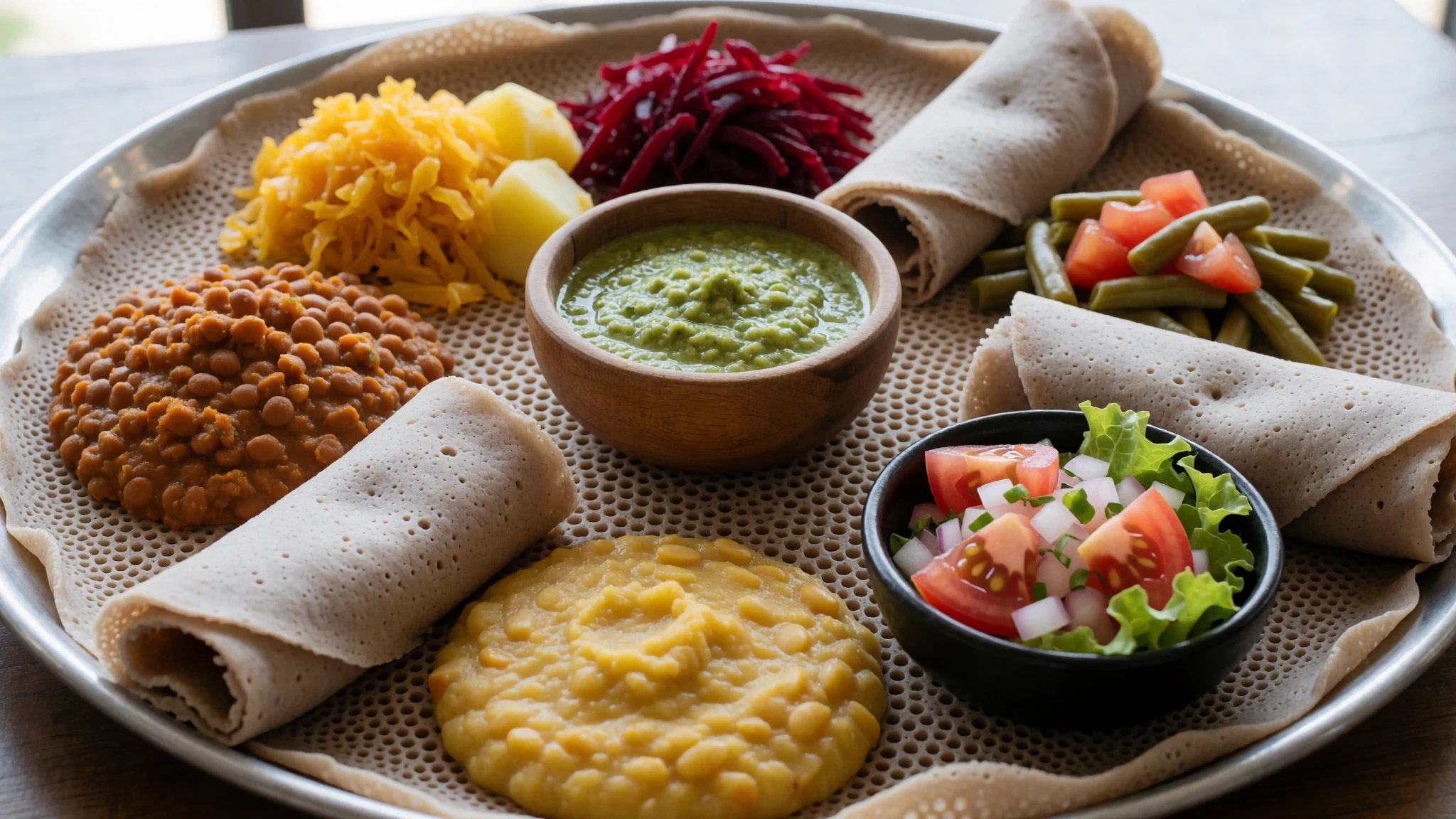
- Doro Wat — Local dining houses and weekend community kitchens
A rich, slow-simmered chicken stew spiced with fiery berbere powder, clarified butter, onions, and hard-boiled eggs, traditionally prepared for celebratory feasts and special gatherings.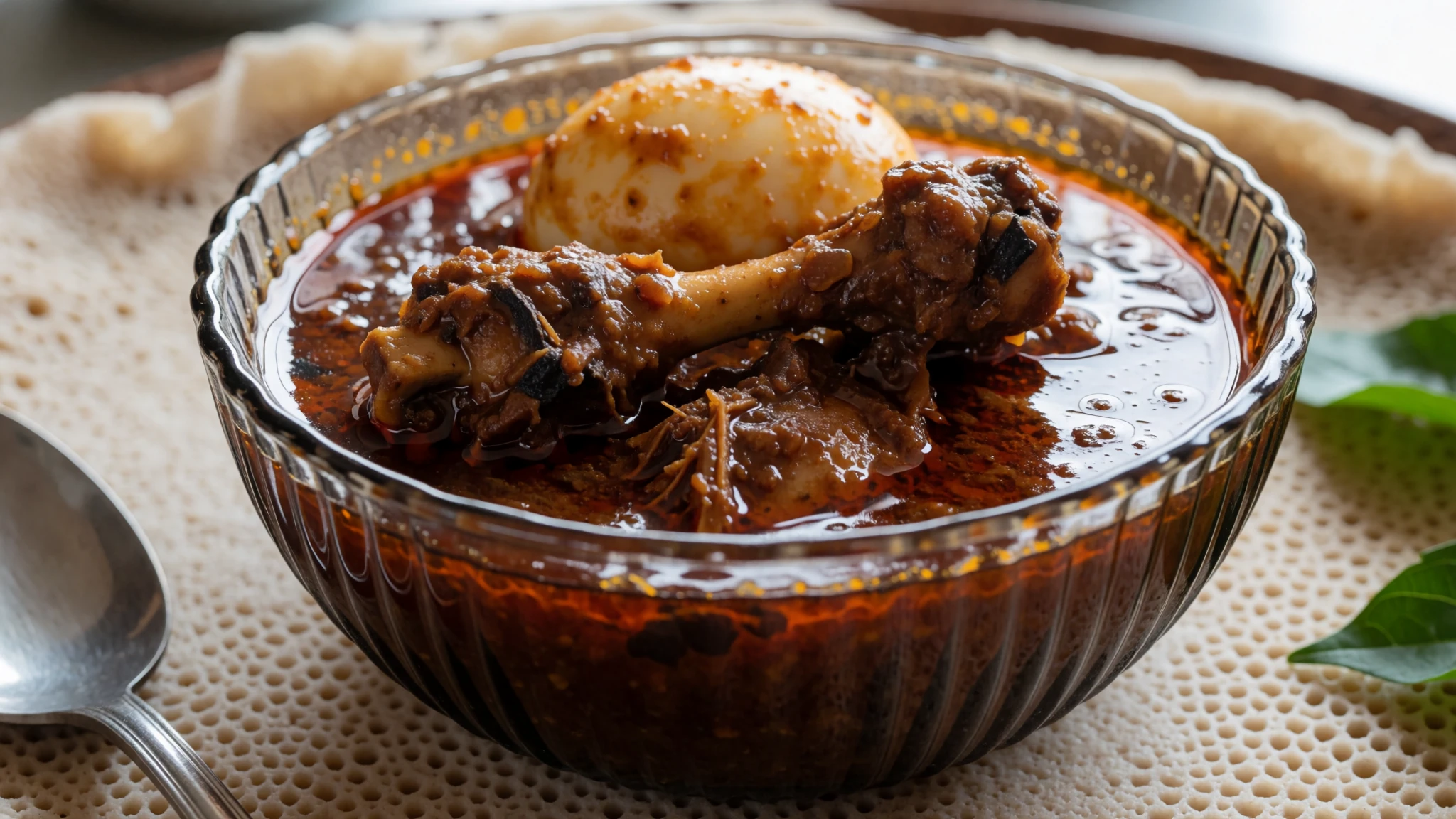
- Tibs — Town grill houses and evening eateries near the marketplace
Tender cubes of beef, lamb, or goat sautéed in a hot pan with butter, garlic, onions, and green chillies, often served sizzling on a clay platter.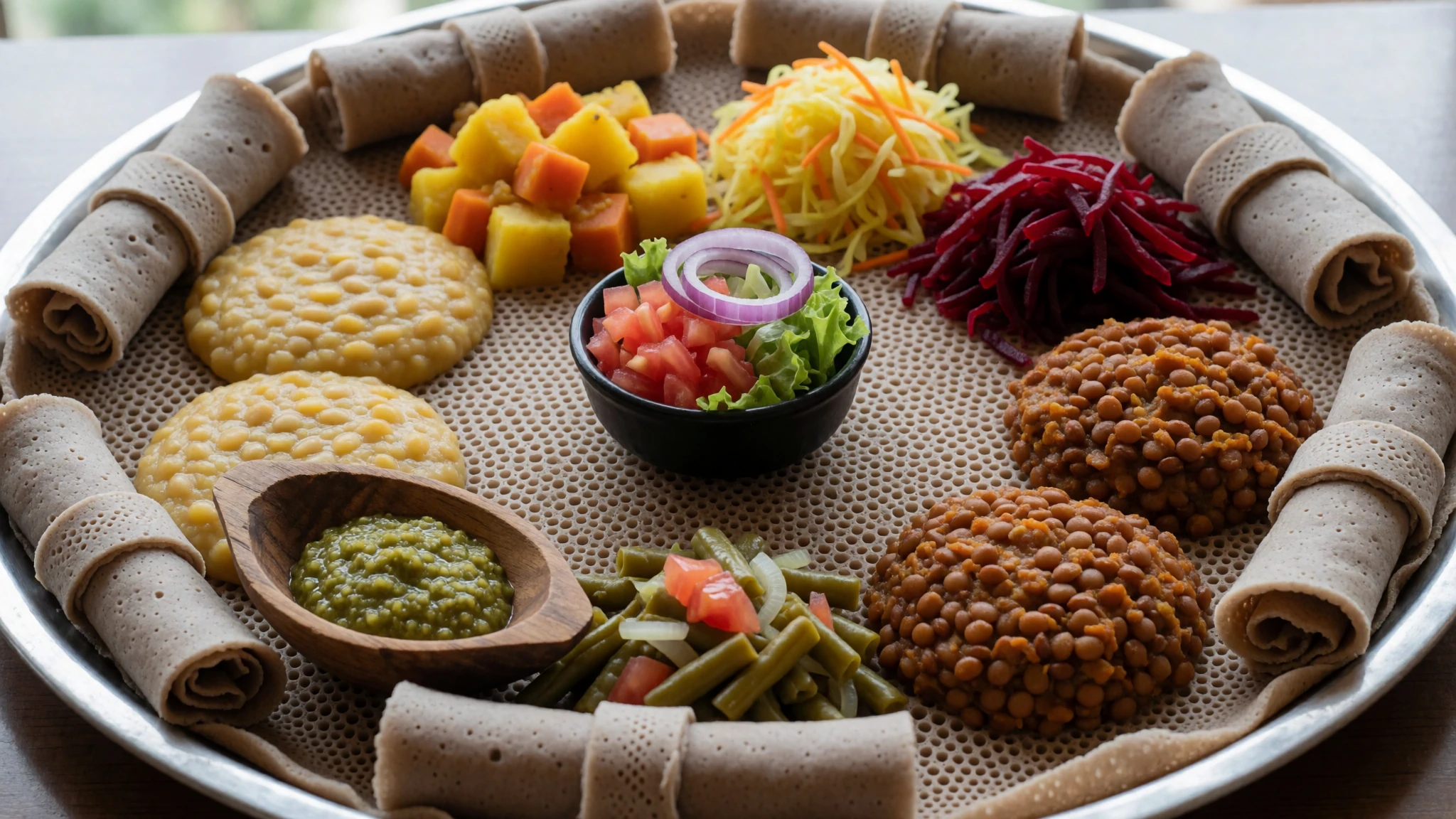
- Ethiopian Coffee — Roadside coffee stalls and local cafes throughout Lalibela
An aromatic brew prepared through a traditional roasting, grinding, and clay-pot boiling ceremony that is central to social hospitality across the highlands.
Plan it
Best time. October to May offers the driest weather and clearest mountain skies, avoiding the heavy summer downpours.
How long. 3–4
Getting there. Fly into Lalibela Airport, then take a mountain taxi or local shuttle for the winding road journey up to the town.
Budget. mid
Tips
- Hire a knowledgeable local guide to navigate the complex trench networks and explain the history
- Set out early in the morning to experience the sanctuaries during peaceful prayer hours before crowds arrive
- Carry sufficient cash, as card payment infrastructure is unreliable and ATMs frequently fail
- Pack layers of clothing for chilly highland mornings and strong midday sun
Etiquette
- Always remove your shoes before entering any church building or sacred enclosure
- Ask permission before photographing local priests, monks, or worshippers
- Dress modestly with shoulders and knees covered at all times
Nearby
Sources
- Wikidata Q642979 (CC0)
- Wikipedia (CC BY-SA 4.0)
- Wikivoyage (CC BY-SA 4.0)