Gjirokastër
Gjirokastër, Albania
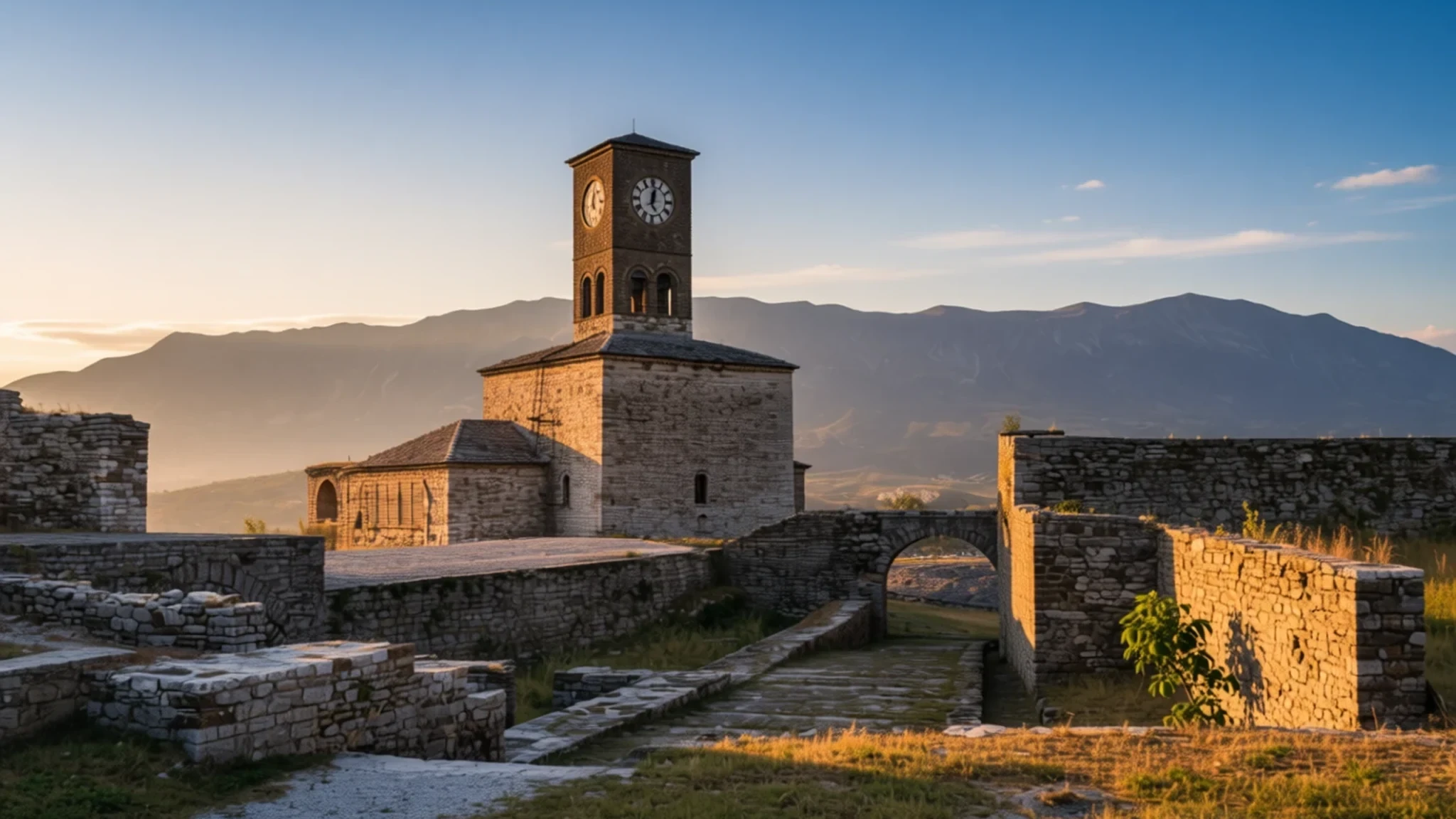
Gjirokastër is a striking Ottoman-era stone city stacked dramatically on a mountain slope, crowned by a massive medieval fortress overlooking the Drino valley.
The place
Gjirokastër sits in southern Albania in a broad valley framed by the Gjerë mountains and the Drino river. Known for its distinct architecture, the old town clings steeply to the hillside beneath a monumental fortress that anchors the settlement. The town's layout is defined by steep, cobbled lanes lined with fortified stone tower houses, built centuries ago by wealthy landowners and merchants who shaped its urban character. These imposing dwellings feature tall stone walls, dark timber galleries, and roofs covered in thick grey limestone slates that give the settlement its unified texture. Because of this remarkably preserved Ottoman urban landscape, the historic centre is protected as a UNESCO World Heritage Site. Down in the valley, modern residential quarters and commercial areas have spread outward, but the upper town retains an austere, weathered dignity. The atmosphere shifts with the light: morning mists often roll up from the valley floor to wrap around the fortress walls, while late afternoon sun turns the grey stone facades to a warm amber. Visitors navigating the steep footpaths will find quiet residential courtyards tucked behind heavy wooden doors, small neighbourhood squares, and artisan workshops carrying on local craft traditions. Despite increasing numbers of travellers discovering the region, the historic quarters maintain a calm, lived-in rhythm far removed from standard coastal resort crowds.
Its story
The recorded history of Gjirokastër stretches back to medieval times, appearing in records from the early fourteenth century under its Greek name Argyrokastro while part of the Byzantine Empire. Long before urban settlement clustered on the ridge, the surrounding valley supported ancient communities; early Iron Age pottery and nearby archaeological sites point to ancient Epirote and Chaonian presence in the wider district. In the medieval period, the hill occupied by the primary fortress was fortified during eras of shifting regional power. The local noble clan led by Gjon Zenebishi held sway over the settlement before Ottoman forces captured the stronghold in the early fifteenth century. Under Ottoman administration, the town evolved into a significant regional administrative hub. Over subsequent centuries, religious demographics shifted through conversions and migration from surrounding rural districts, transforming the settlement into a vibrant Ottoman administrative centre with a substantial Muslim community by the early nineteenth century. Modern history left contrasting marks on the urban fabric. The city is noted as the birthplace of both former communist leader Enver Hoxha and celebrated novelist Ismail Kadare, whose semi-autobiographical literature immortalised the stone lanes, family feuds, and wartime occupations that shaped twentieth-century life in this mountainous corner of the Balkans.
What to see
- Gjirokastër Castle — Old Town summit
Perched high above the town, this vast stone fortress serves as the geographical and historical heart of the settlement. Visitors can wander through cavernous arched vaulted galleries, inspect captured artillery from twentieth-century conflicts, and explore the open parade grounds while enjoying sweeping panoramic views across the entire valley and surrounding mountain ridges.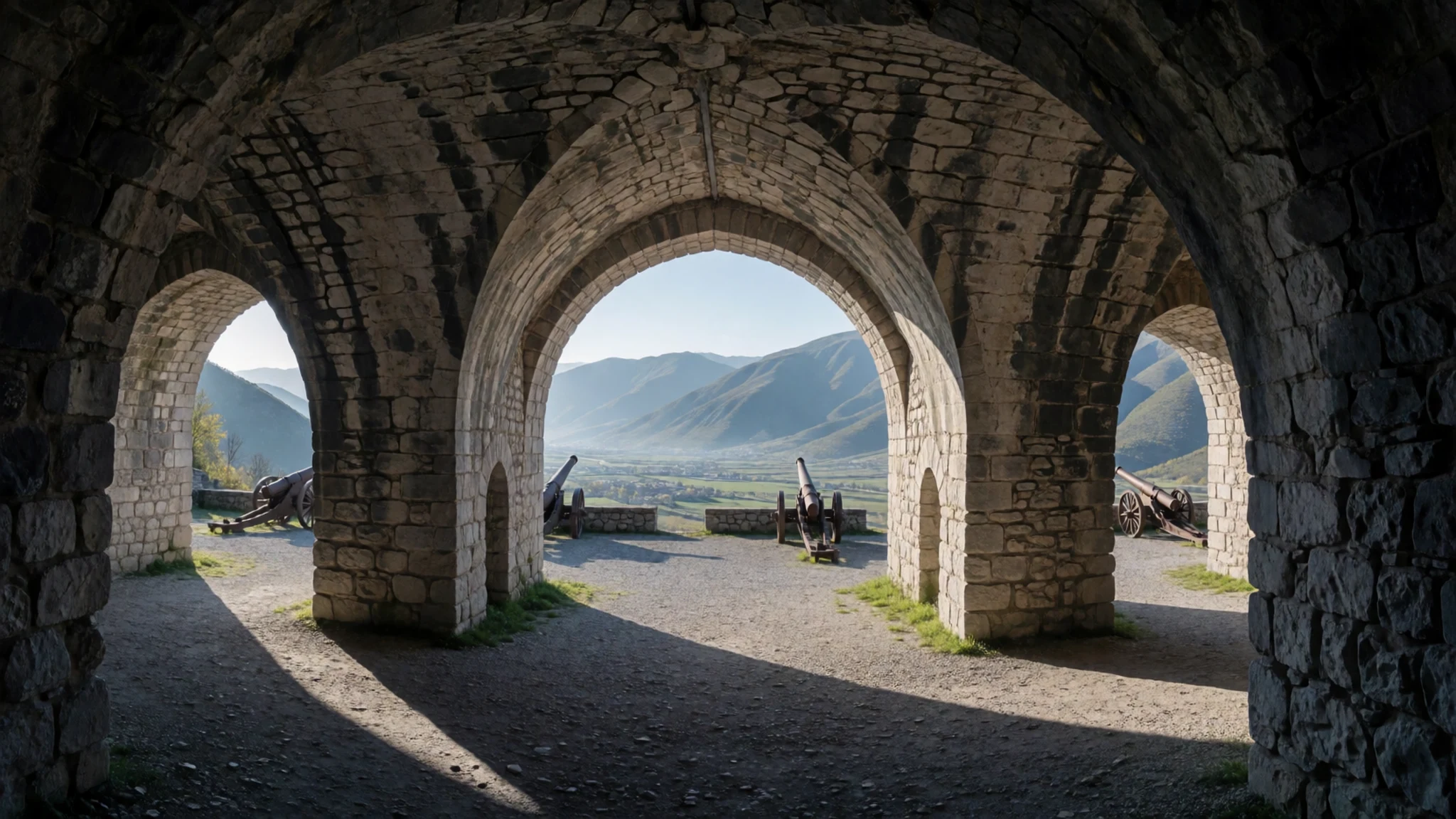
- Zekate House — Palorto neighbourhood
This monumental stone residence stands as one of the finest and most visited examples of traditional domestic architecture in the region. Built for a prominent local administrative family, the grand three-storey tower house features intricately carved wooden ceilings, frescoed reception rooms, and double-arched guest chambers that showcase elite Ottoman-era craftsmanship.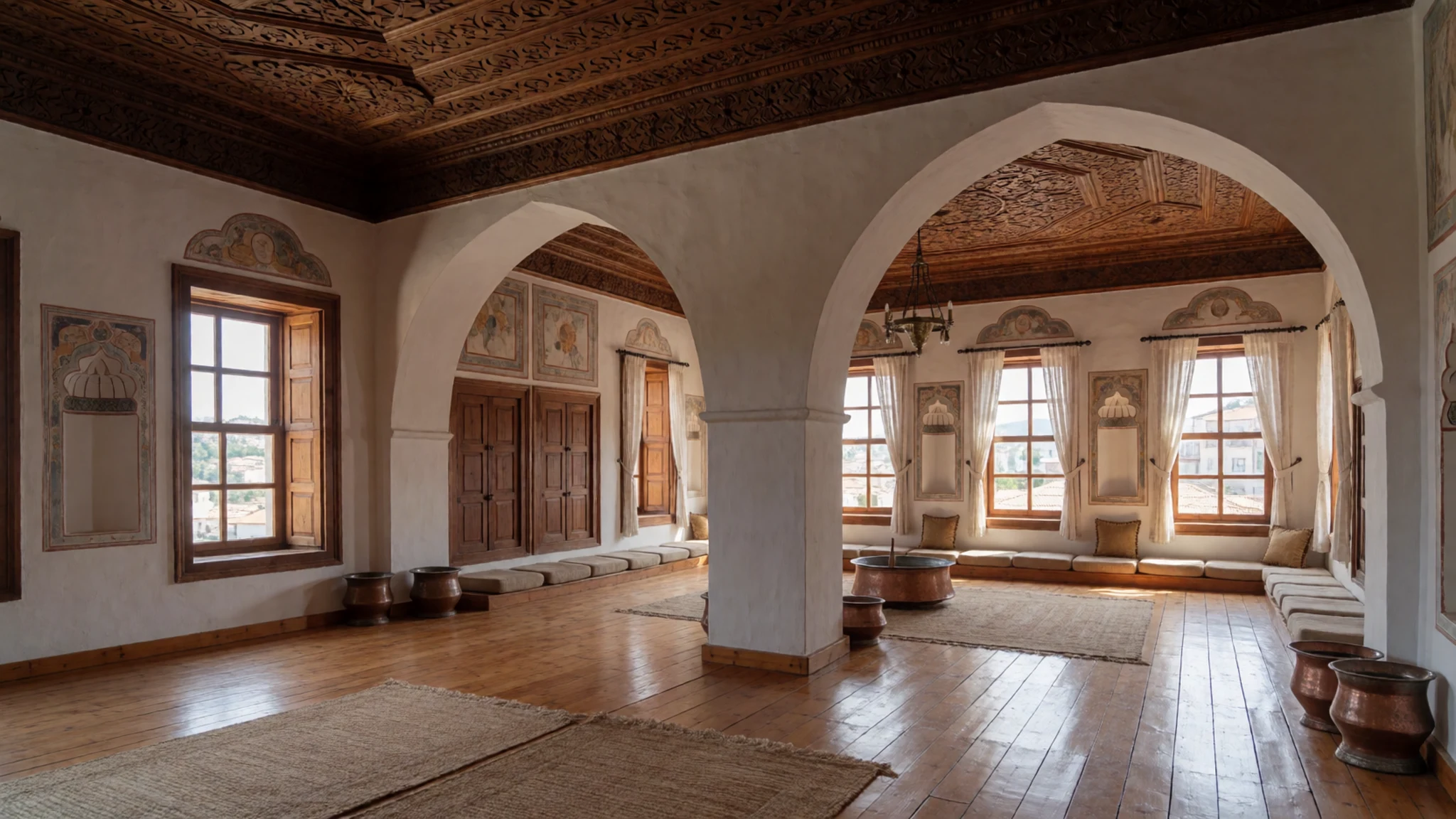
- Old Bazaar — Historic centre
Steep, winding cobblestone lanes converge on this historic trading hub, which has functioned as the social and commercial focus of the upper town for centuries. Artisans and traders still operate out of stone storefronts here, offering hand-woven carpets, local silver filigree work, carved wood items, and traditional souvenirs.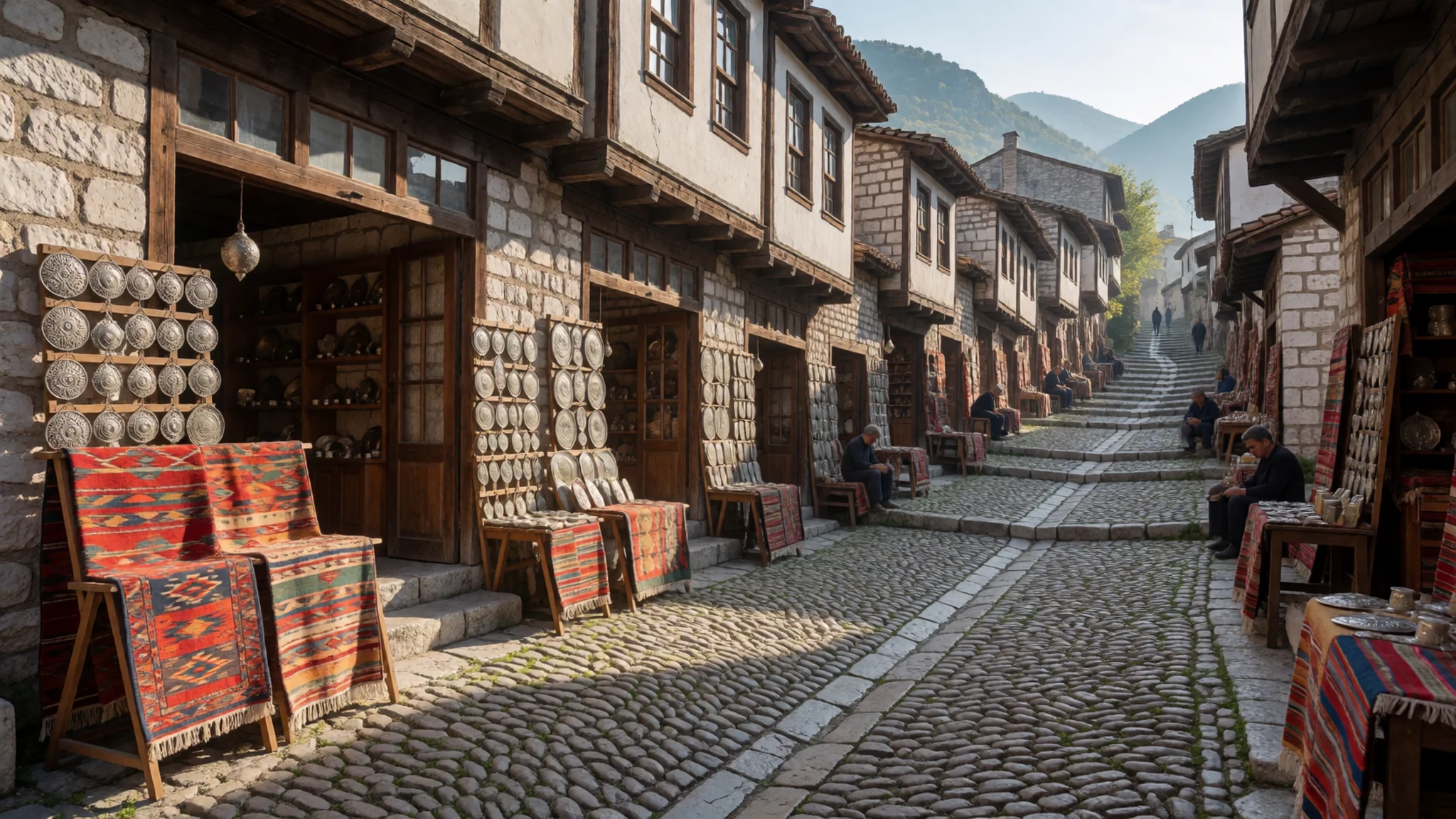
- Ethnographic Museum — Palorto neighbourhood
Housed within a remarkably well-preserved Ottoman building that was once the birthplace of Enver Hoxha, this cultural institution offers a detailed look at domestic life in past centuries. Room exhibits display authentic regional costumes, traditional kitchenware, hearth setups, and household tools across multiple levels.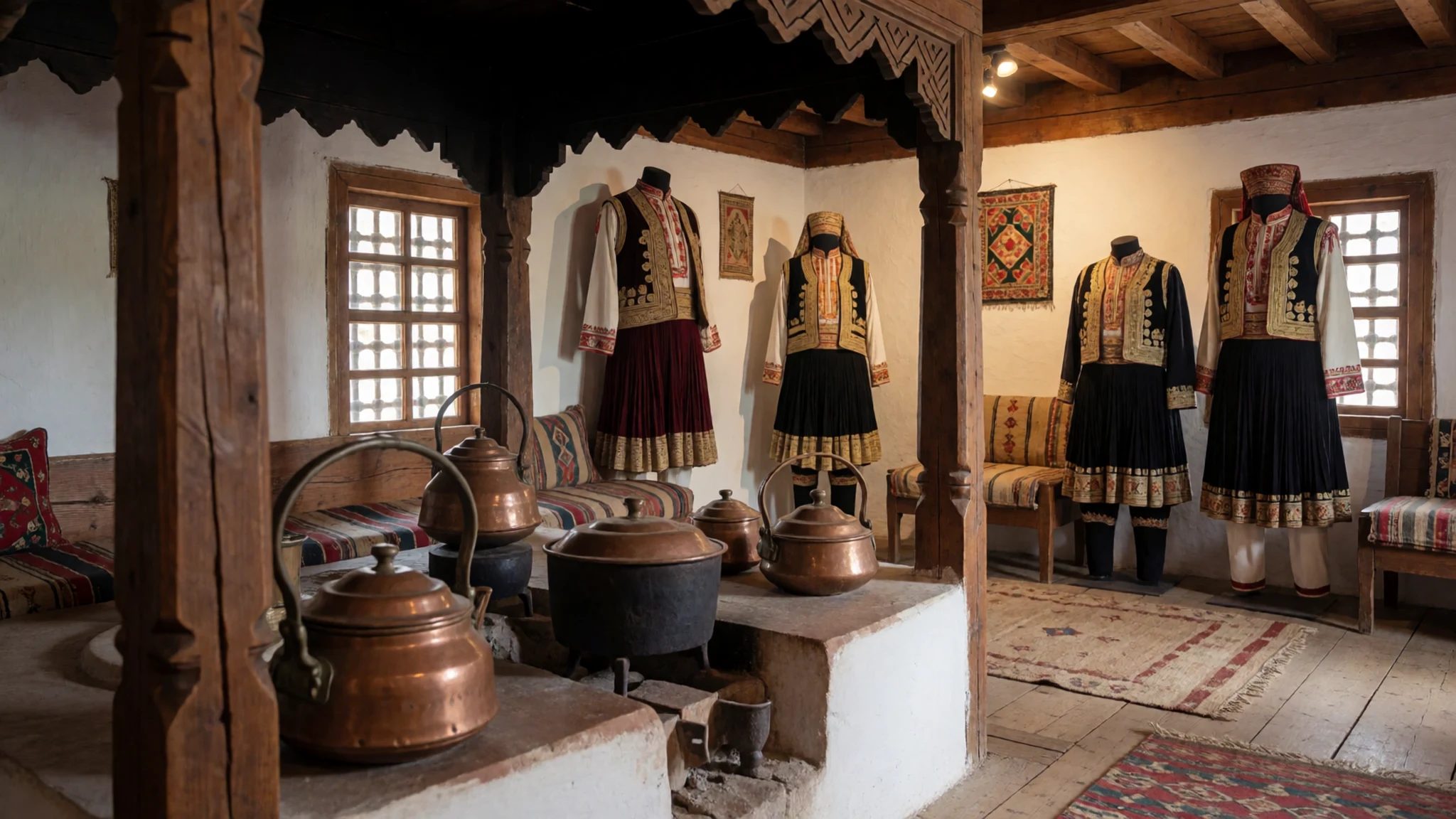
- Skenduli House — Pazar i Vjetër area
Another magnificent example of a fortified merchant dwelling, this family-managed historic home retains its original defensive features, multiple reception rooms, and family quarters. Descendants of the original owners often lead guided tours, explaining the clever architectural details designed to protect the household during turbulent historical eras.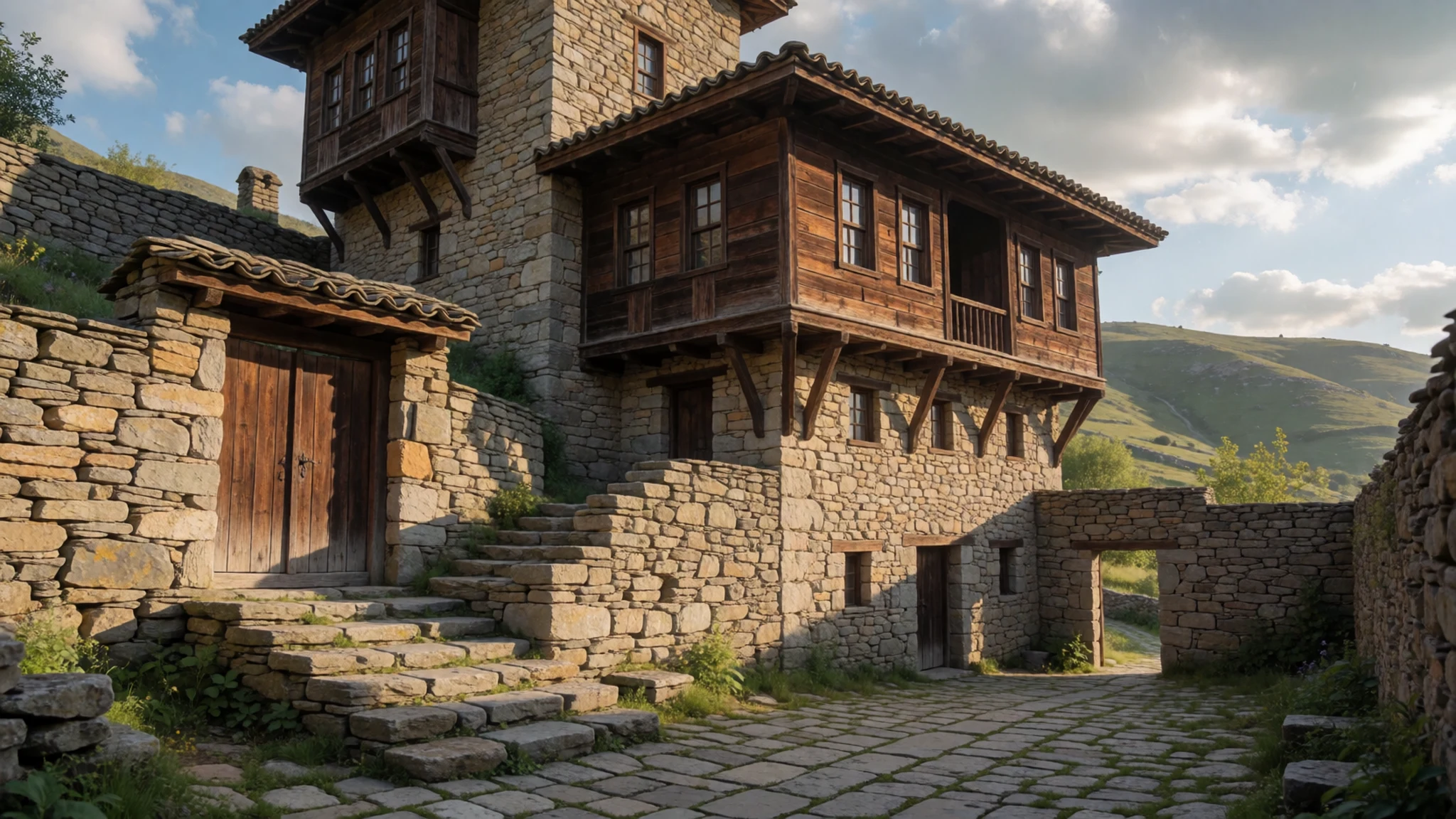
- Gjirokaster Mosque — Near the castle approach
Located near the fortress slopes, this historic mosque stands as a poignant physical testimony to the turbulent decades of twentieth-century communist rule when religious practices were strictly banned. Its simple minaret and prayer hall reflect the architectural modesty typical of religious structures in the town.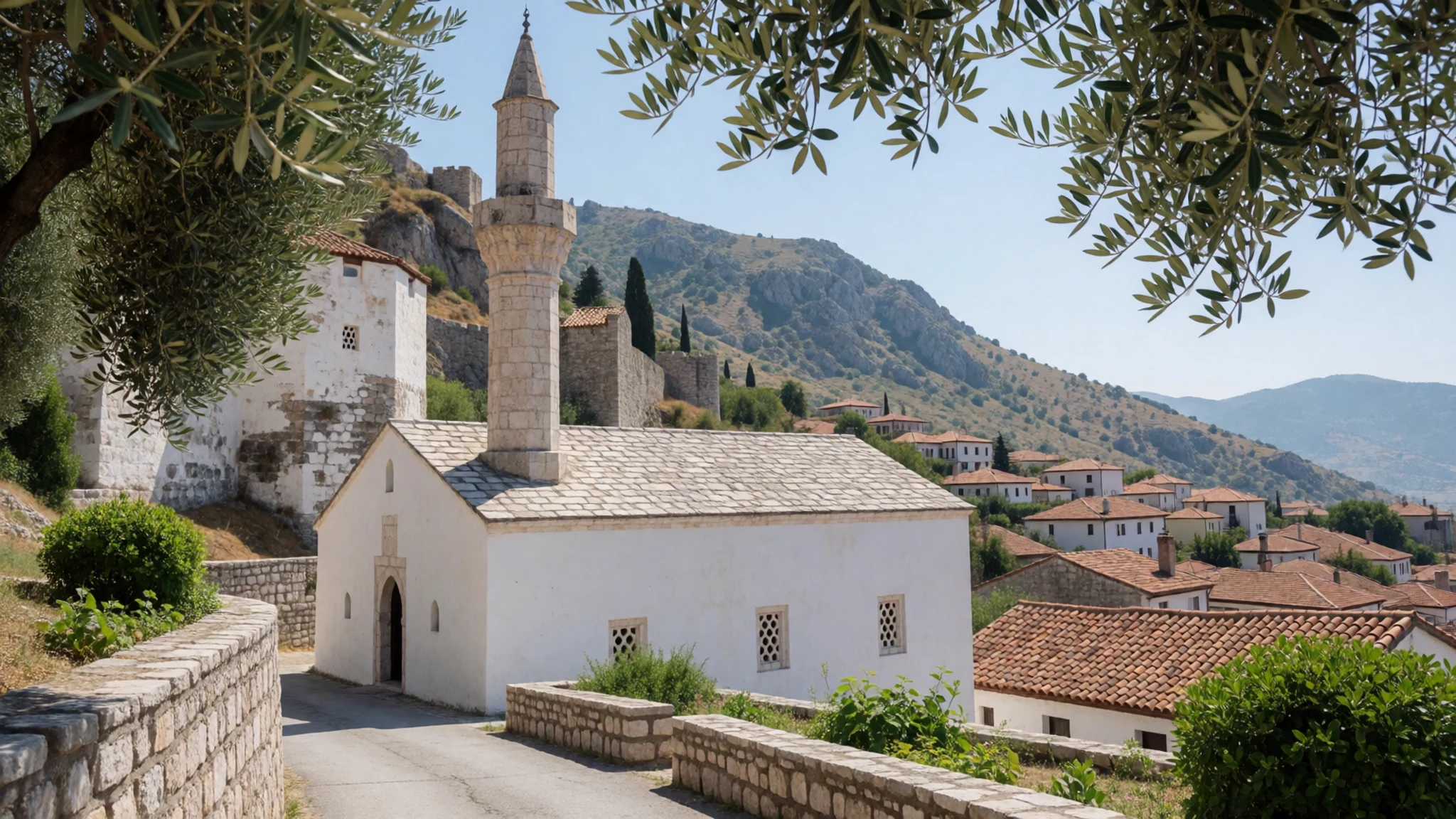
Culture
Gjirokastër has long possessed a distinct cultural identity shaped by its mountainous isolation, mercantile history, and complex linguistic heritage. Seventeenth-century Ottoman traveller Evliya Çelebi famously dubbed the settlement the 'city of wailing' after hearing the traditional polyphonic laments known as vajtim performed by professional mourners during funeral rites. This ancient vocal tradition, alongside distinct regional folk music and biennial national folk gatherings held inside the fortress every five years, forms an integral part of local intangible heritage. Literature has also immortalised the social codes and family structures of the town, most notably through the novels of Ismail Kadare, who captured the rigid customs, gossip, and oral traditions passed down through generations in narrow stone neighbourhoods. Traditional hospitality remains highly valued among local residents, who take great pride in their distinctive dialect, local culinary heritage, and architectural legacy. Always dress modestly with covered shoulders and knees when visiting churches, mosques, or traditional residential museums.
What to wear
Traditional attire in Gjirokastër historically reflected elite Ottoman urban styles combined with rugged mountain woolwork. Historic garments included heavy embroidered wool waistcoats, pleated trousers or wool skirts for men, and richly embellished velvet jackets, aprons, and headscarves for women, often accented with silver thread and filigree buttons. These elaborate regional costumes are now preserved for cultural festivals, folk music gatherings, and museum displays rather than daily wear. Today, local residents dress in contemporary European styles, with younger generations following standard urban casual fashions. For visitors exploring the city, practical considerations outweigh style: Gjirokastër is built entirely on steep, slippery limestone cobblestones that demand sturdy walking shoes with strong grip. Layered clothing is also essential, as summer mountain heat can give way to chilly evening breezes rolling down from the peaks, while winter brings cold damp conditions through the valley.
What to eat
- Qifqi — Traditional eateries and old town tavernas
A signature local vegetarian speciality consisting of small baked rice balls seasoned with mint, eggs, butter, and pepper, cooked in a special dimpled pan over an open flame.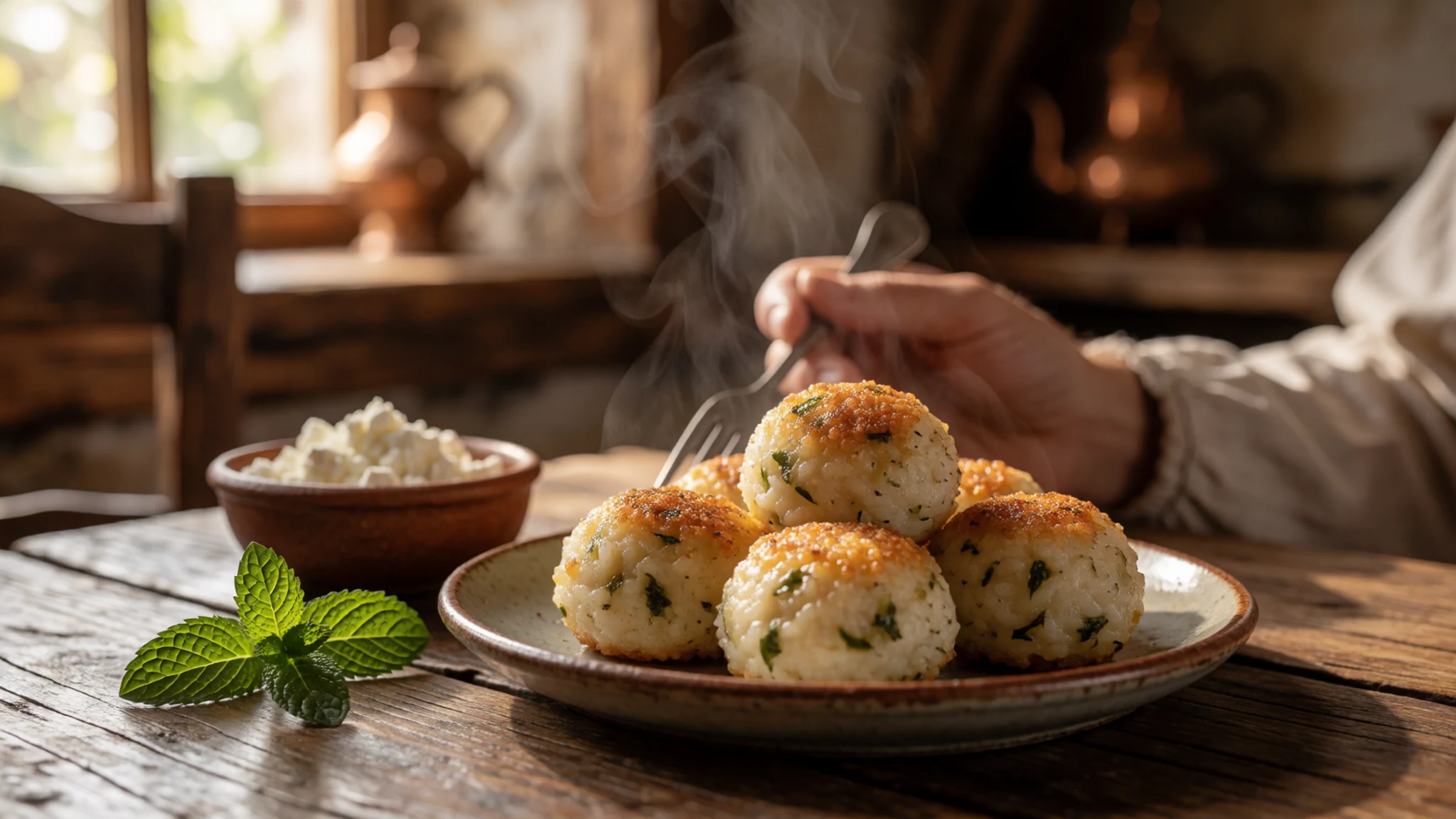
- Baked White Cheese with Honey and Sesame — Restaurant Tradicional Odaja and local family kitchens
A popular regional appetizer featuring local artisanal white cheese baked until bubbling, then drizzled with honey and topped with toasted sesame seeds for a sweet and savoury contrast.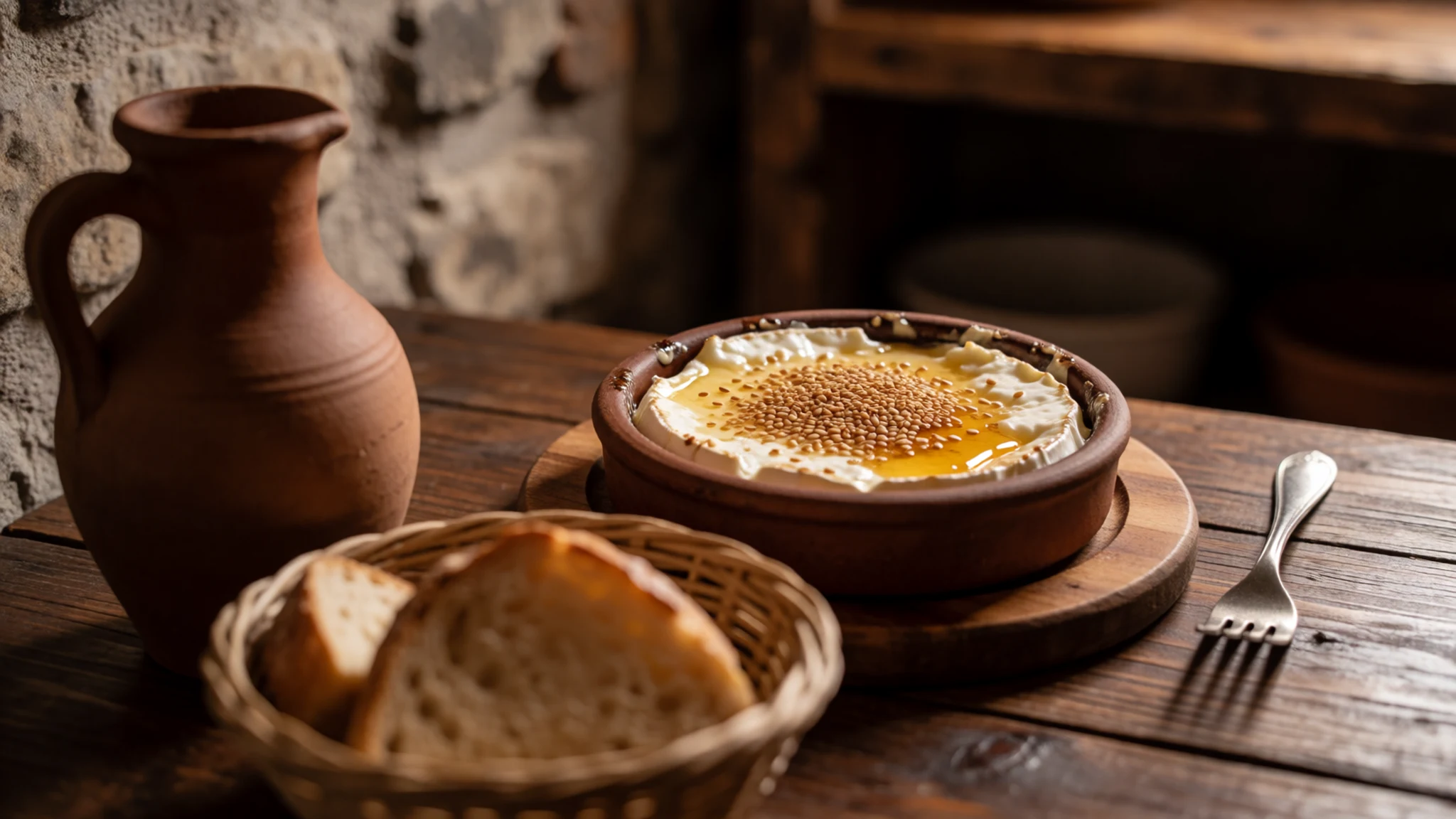
- Local White Cheese and Dairy — The morning bazaar and local grocery shops
Gjirokastër is renowned throughout the country for its exceptional mountain dairy production, particularly firm brined white cheese made from sheep or goat milk. - Traditional Byrek — Specialist byrek shops around the old bazaar
Flaky layered pastry stuffed with various fillings such as wild mountain greens, curd cheese, or minced meat, eaten fresh throughout the morning hours. - Regional Meat Specialties — Kujtim's and traditional restaurants in the historic centre
Hearty stews, slow-cooked lamb dishes, and grilled meats seasoned with Mediterranean herbs reflecting traditional southern Albanian culinary methods.
Plan it
Best time. May to June and September to October offer comfortable daytime temperatures for walking the steep cobbled streets without the intense summer heat.
How long. 2–3
Getting there. Arrive by bus or minibus from Tirana, Sarandë, or neighbouring Greek border towns; regional buses stop along the main highway at the bottom of the hill, where local taxis or shuttle vans connect travellers to the upper old town.
Budget. low
Tips
- Wear sturdy shoes with deep treads to navigate the steep, slippery limestone cobblestones safely
- Carry cash in local currency for small shops, entry fees, and traditional bakeries
- Start walking early in the morning to beat the midday summer heat and afternoon tour crowds
- Check local transport timetables in advance, as bus frequencies decrease by early afternoon
Etiquette
- Always ask permission before photographing local residents in traditional neighbourhoods
- Dress modestly with covered shoulders and knees when entering religious sites and heritage homes
- Greet shopkeepers and locals politely in the local language when entering small establishments
Nearby
Sources
- Wikidata Q173690 (CC0)
- Wikipedia (rev 1380239365) (CC-BY-SA 4.0)
- Wikivoyage (rev 5359765) (CC-BY-SA 4.0)