Fernando de Noronha
Fernando de Noronha, Brazil
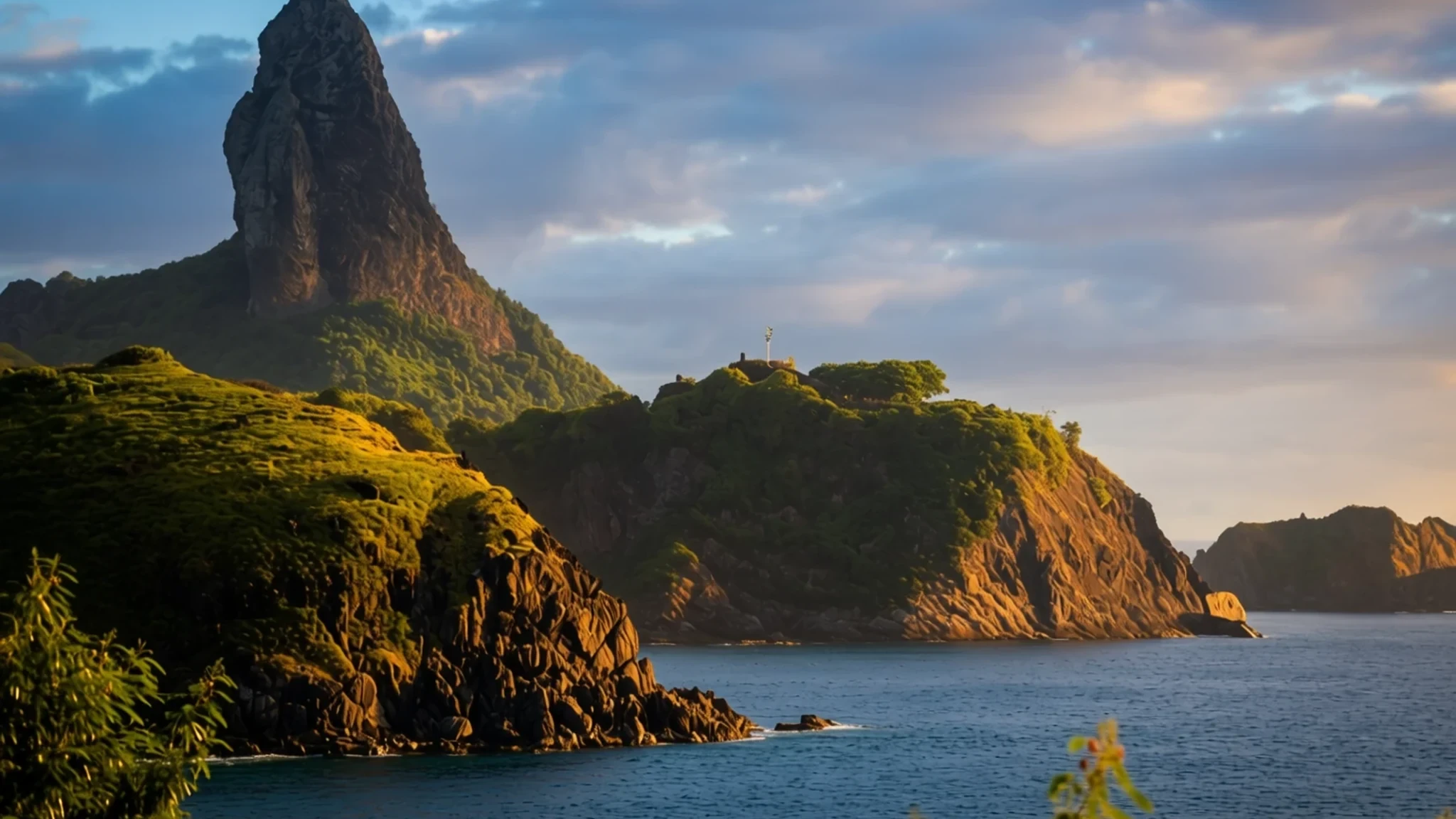
Visit Fernando de Noronha for its crystal-clear Atlantic waters, protected marine life, and dramatic volcanic shorelines.
The place
Fernando de Noronha is an isolated Atlantic archipelago sitting far off the Brazilian coast, administered directly by the state of Pernambuco rather than its closer mainland neighbours. Comprising twenty-one separate islands and islets, the territory spans a modest land area where only the principal main island supports permanent habitation. The terrain is largely low-lying yet punctuated by dramatic volcanic protrusions, most notably the towering rock peak known as Morro do Pico, which dominates the central skyline above the ocean. To safeguard the exceptional marine biodiversity, a vast portion of the territory was designated as a national marine park, ensuring strict environmental controls over access to its beaches, bays, and offshore waters. Visitors arrive via the sole airstrip on the main island or by maritime connections during calmer weather windows, entering a landscape shaped by strong ocean currents, rich coral formations, and steep cliffs. The isolation creates a distinct rhythm of life where resources are carefully managed, and visitors share the shores with prolific seabirds, dolphins, and marine turtles. Weather patterns divide the year into distinct seasonal phases influenced by Atlantic trade winds, bringing shifting conditions for navigation, diving, and coastal exploration across the island group.
Its story
Fernando de Noronha entered European maps very early in the sixteenth century during the initial maritime explorations of the New World. Early cartographers from both Spain and Portugal recorded the archipelago under various alternative designations on their nautical charts following initial transatlantic voyages. Documentation attributes the formal discovery of the primary island to a Portuguese expedition financed by a Lisbon mercantile consortium and captained by Gonçalo Coelho, which included the Italian explorer Amerigo Vespucci among its complement. During this voyage, the flagship struck a submerged reef and foundered near the shore, forcing the crew to anchor and spend several days ashore while the remainder of the fleet proceeded southwards. The commander of the financial consortium subsequently received a royal charter granting him rights over the territory, anchoring early Portuguese colonial interest in the strategic Atlantic waypoint. Over subsequent centuries, the isolated islands changed hands multiple times among rival European maritime powers, serving variously as a naval outpost, a strategic resupply station, and eventually a remote penal colony. The twentieth century brought renewed administrative oversight under federal control before the territory was integrated back into the state framework of Pernambuco, ultimately leading to the sweeping environmental protections that define its modern status as a protected marine sanctuary.
What to see
- Sancho Bay — Main island western coast
Widely regarded as the premier beach on the island, accessed by descending vertical ladders through narrow rock crevices to reach a pristine crescent of golden sand and turquoise water.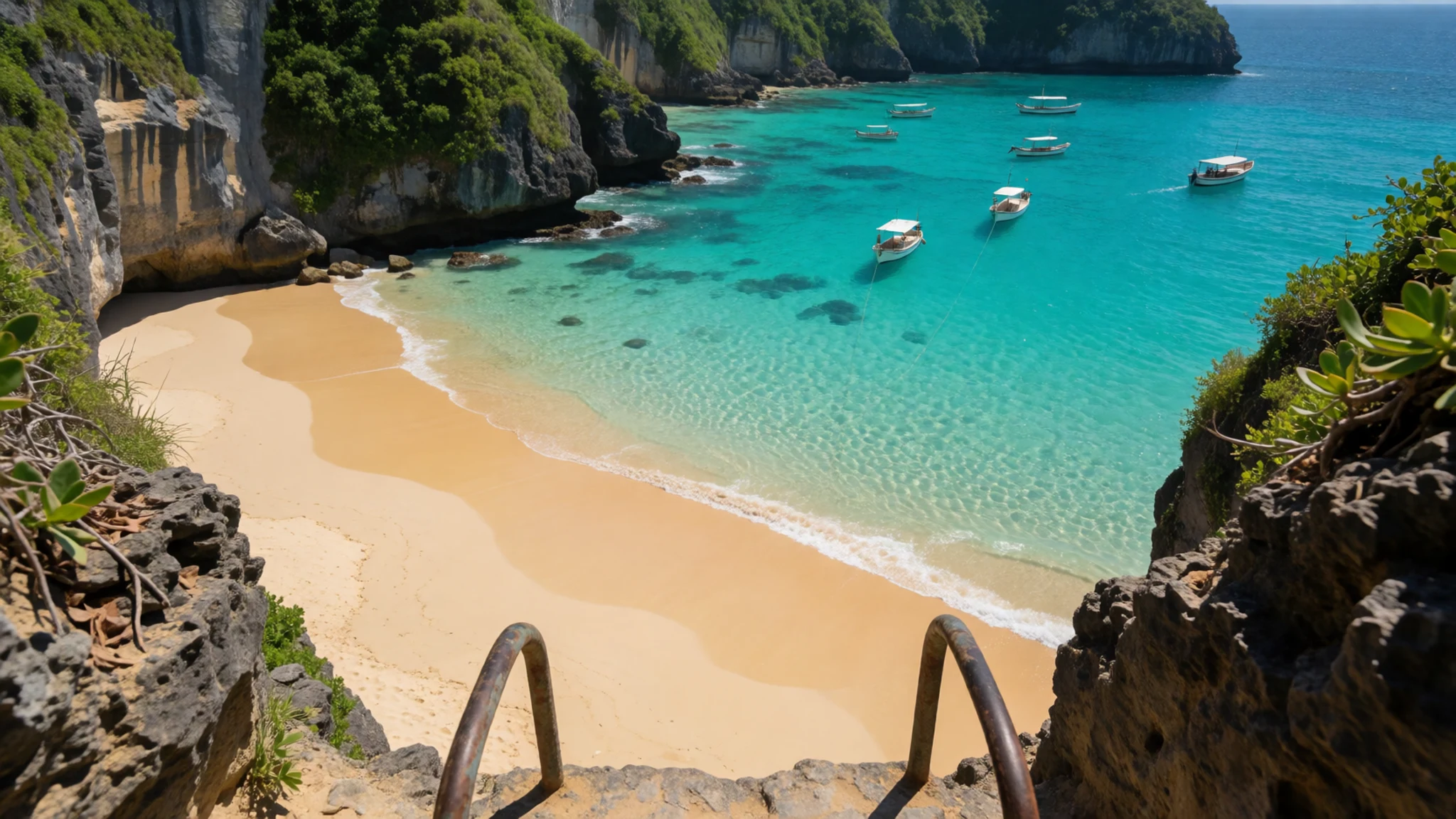
- Two Brothers — Main island western coast
A striking twin rock formation standing side by side just offshore, forming one of the most photographed coastal vistas in the entire archipelago.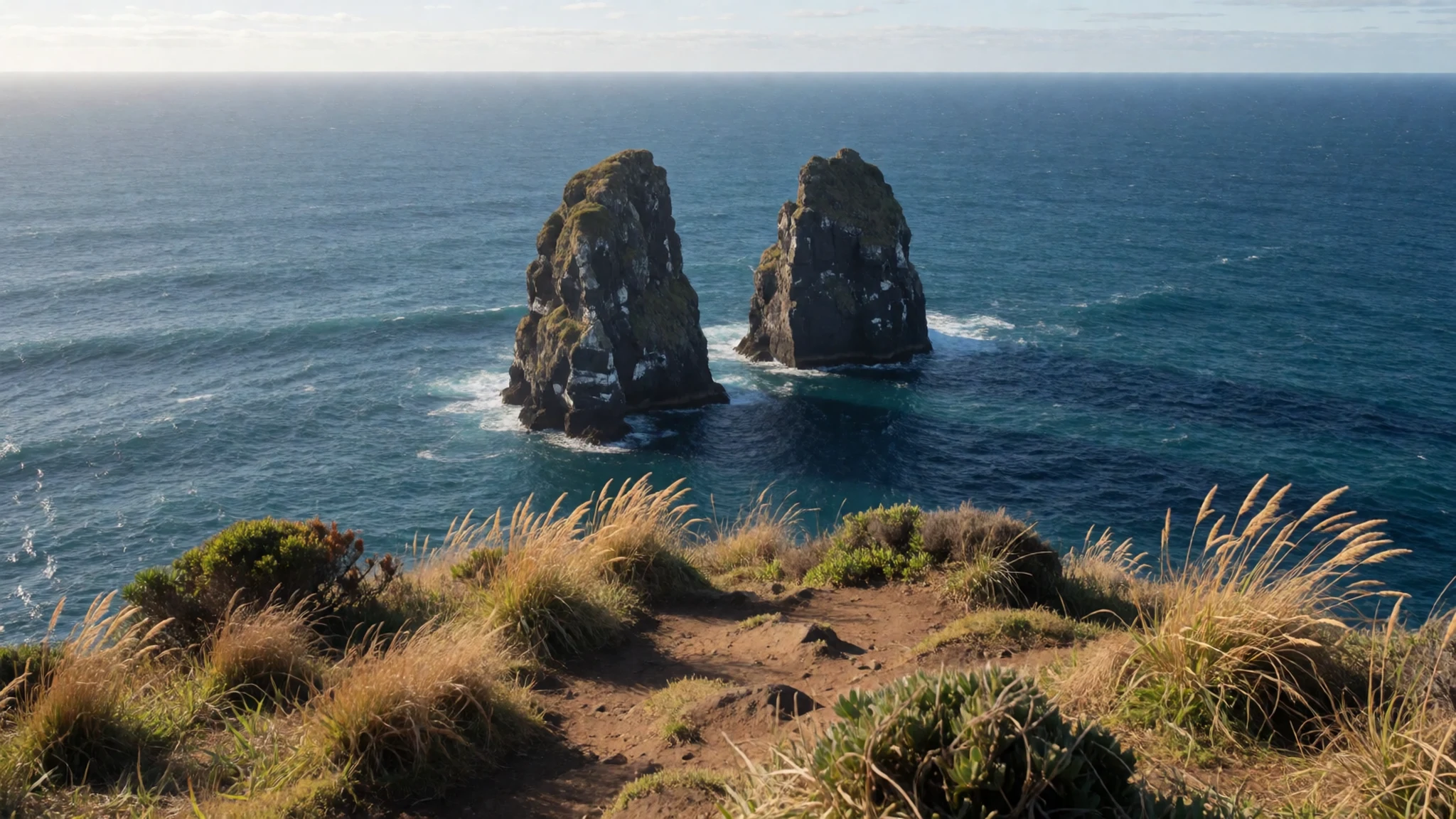
- Pig Bay — Main island western coast
A small, sheltered inlet nestled directly beside Sancho Bay, offering exceptional vantage points from the cliffs above and clear waters below.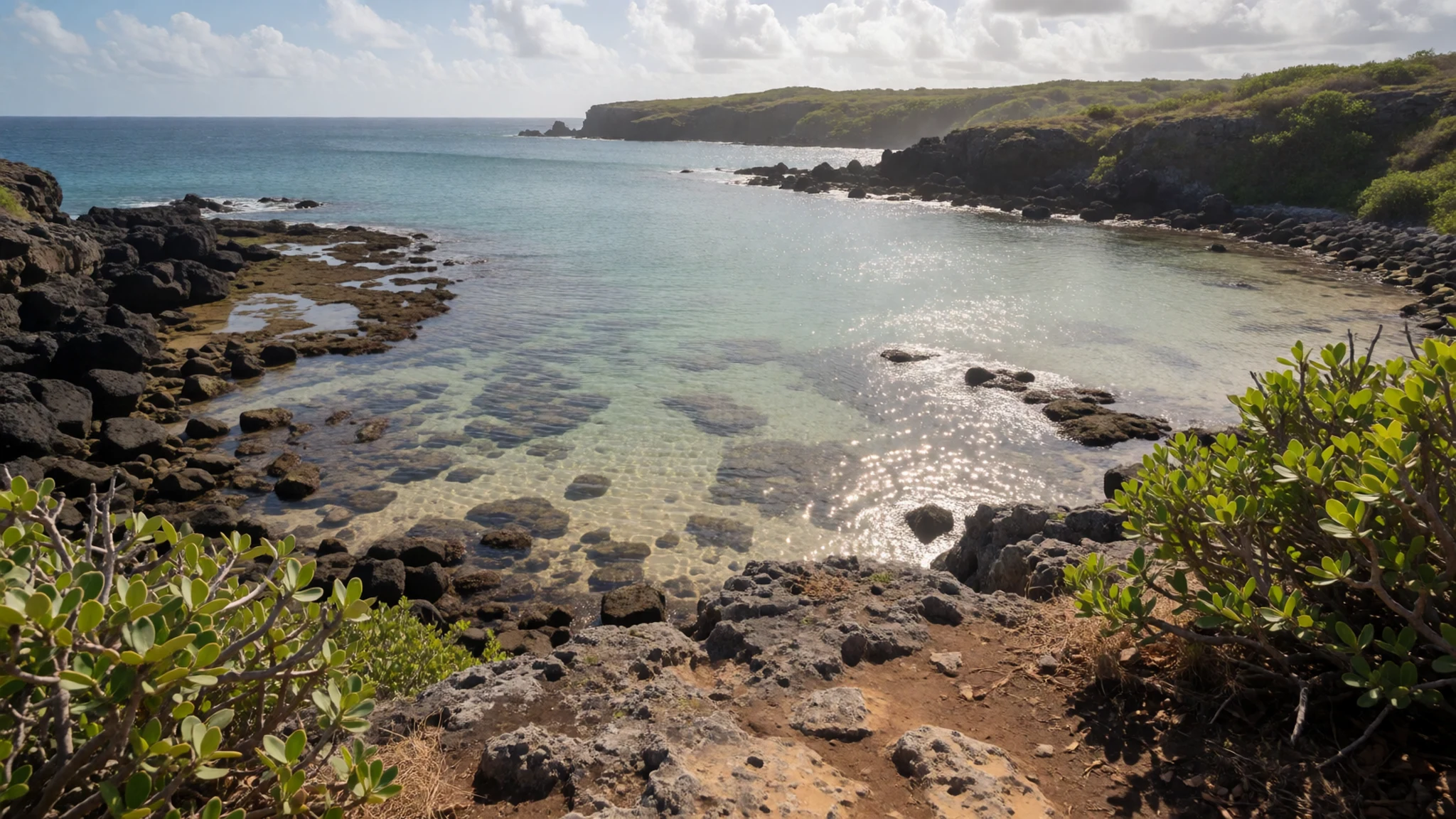
- Atalaia — Main island eastern coast
A famous shallow natural tidal pool teeming with juvenile marine life, accessible via a short coastal trail subject to strict daily visitor limits.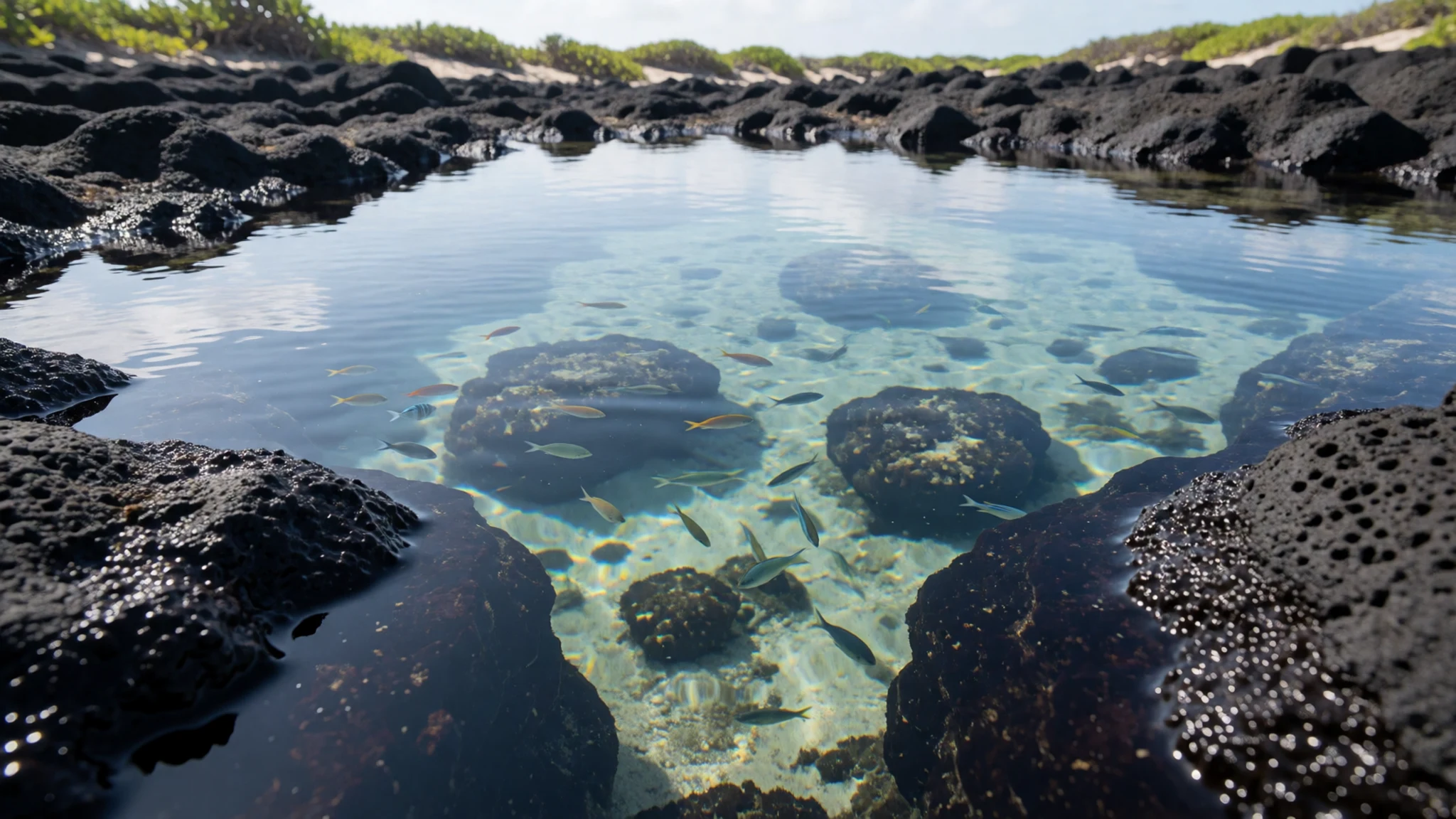
- Morro São José — Offshore northern islet
The only secondary island in the archipelago open to visitors, featuring natural rock pools that can be reached exclusively on foot at low tide with a guide.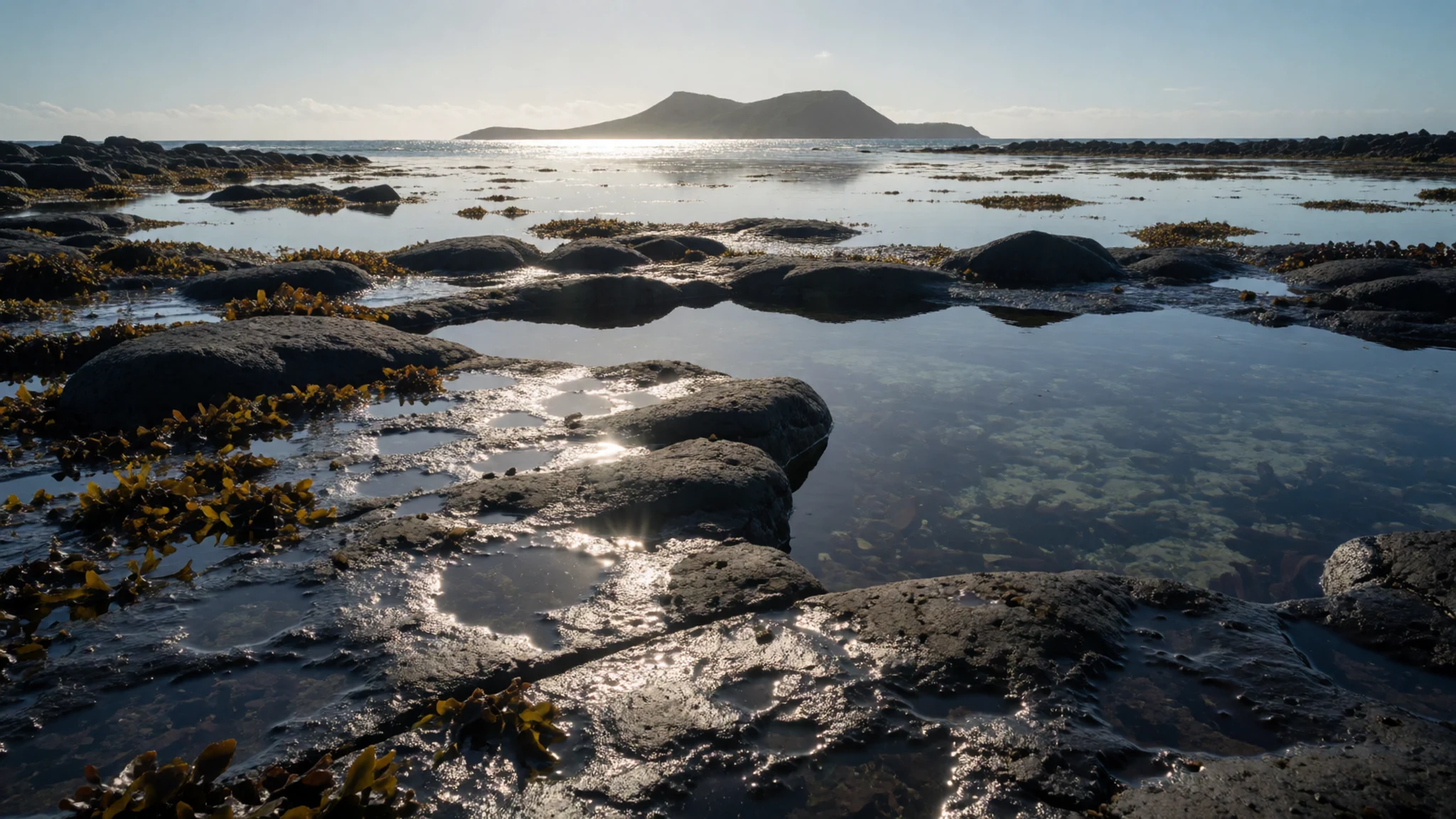
Culture
Fernando de Noronha possesses a distinct island culture shaped by generations of mainland migrants, fishermen, and environmental researchers who balance local traditions with the strict demands of conservation. Music, casual social gatherings, and coastal recreation form the heartbeat of daily life after the sun sets over the Atlantic. While traditional folklore is less about historic indigenous roots and more tied to maritime survival and Portuguese colonial heritage, the community maintains a strong collective identity focused on protecting their fragile ecosystem. Islanders are warm and welcoming to respectful travellers, yet fiercely protective of the natural resources that sustain their home. Visitors will notice a slower, tide-governed pace of life where most errands pause during peak heat or shifting water conditions. Always secure mandatory park permits and follow local guide regulations before stepping onto protected trails or marine pools.
What to wear
Traditional dress on Fernando de Noronha reflects its maritime heritage and equatorial Brazilian climate, historically favouring simple, durable garments suited for working on fishing boats and handling coastal weather. While formal regional costumes are absent, traditional island textiles focus on lightweight, breathable cottons that withstand sea salt and intense tropical sun. Today, residents and island workers wear practical, casual tropical attire including shorts, light shirts, and durable sandals or flip-flops suited for sandy paths and rugged volcanic rock. Visitors should pack lightweight clothing, swimwear, rash guards for sun protection during extended snorkelling sessions, and sturdy walking shoes or reef-safe footwear for exploring rocky coastal trails. Modesty norms are relaxed due to the beach environment, but casual evening wear for local eateries typically involves light trousers or summer dresses.
What to eat
- Açaí with Granola and Bananas — The port area
A refreshing bowl of mashed dark purple northern Brazilian fruit served cold with crunchy granola and fresh sliced bananas, popular after morning diving sessions. - Grilled Picanha — Boldró neighbourhood
Slices of tender prime beef cut grilled to order, typically accompanied by rice, beans, and farofa at local self-service eateries. - Moqueca — Local island restaurants
A fragrant, slow-simmered seafood stew prepared with coconut milk, tomatoes, onions, and dendê palm oil, served alongside warm rice.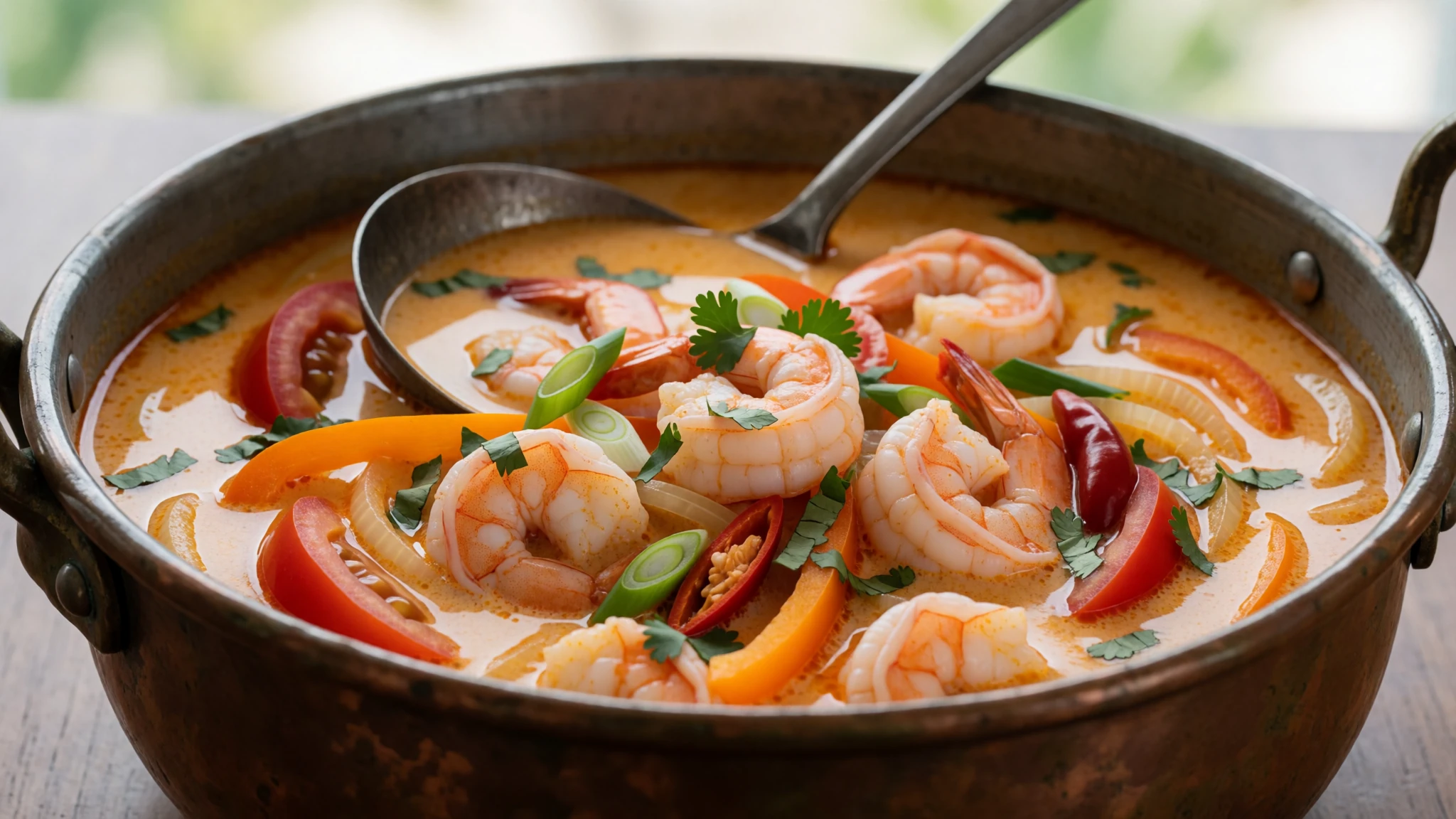
- Fresh Shellfish — Floresta Nova district
Catch of the day shellfish prepared simply with garlic, herbs, and lime, reflecting the rich marine harvest of the surrounding Atlantic waters. - Italian Pasta Dishes — Main settlement eateries
Classic handmade pasta plates and comforting Italian comfort food served in casual, open-air trattorias around the main settlement.
Plan it
Best time. September to November offers the calmest seas and best visibility for diving, while December to February brings stronger swells favoured by surfers.
How long. 4–5
Getting there. Fly into the main island's airport via commercial services from Recife or Natal, then take a taxi, bus, or hire a buggy to your accommodation.
Budget. high
Tips
- Pay the daily environmental preservation tax online or at your entry port ahead of time
- Reserve national marine park attraction slots and trail permits no more than six days ahead, in person at the ICMBio ticket office after buying the PANAMAR ticket, due to strict daily visitor caps
- Carry cash and cards, though connectivity and cash machines can occasionally be unreliable on the island
- Watch for diving seabirds indicating feeding fish and potential shark activity offshore
- Avoid swimming in poor visibility or after dark
Etiquette
- Never touch or stand on coral formations when snorkelling in marine pools
- Keep a respectful distance from local wildlife including nesting birds and marine turtles
Nearby
Sources
- Wikidata Q175057 (CC0)
- Wikipedia (CC BY-SA 4.0)
- Wikivoyage (CC BY-SA 4.0)